
Sauces & Condiments
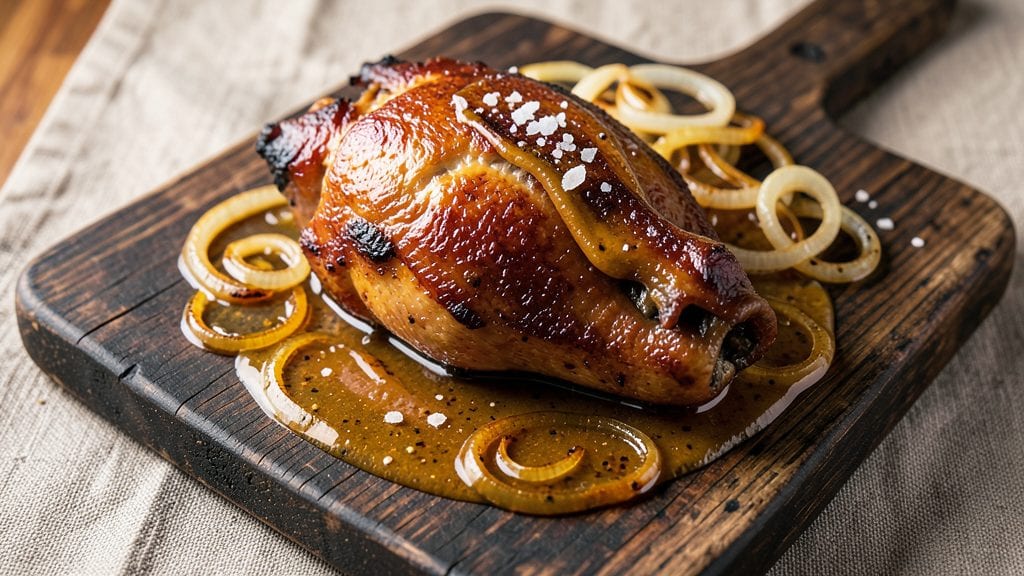
A perfectly balanced sweet Vidalia onion sauce transforms roasted boar's head from ordinary to extraordinary. This caramelized onion and honey glaze recipe delivers rich depth with just the right sweetness to complement the meat's natural richness.
The secret lies in slow-cooking onions until they're tender and golden, then blending them with honey, vinegar, and a touch of mustard for complexity.
What sets this sauce apart is its versatility—it works equally well as a glaze for roasted meats or a tangy condiment for sandwiches. The recipe uses simple ingredients like Vidalia onions, apple cider vinegar, and honey, all combined in precise proportions for consistent results.
Unlike store-bought versions, this sauce develops a deep caramelized flavor that enhances rather than overpowers the boar's head.
By the time you finish, you'll have a smooth, glossy sauce with a perfect balance of sweet, tangy, and savory notes. It's ideal for drizzling over roasted meats, pairing with crusty bread, or even using as a marinade.
The best part? It keeps well in the refrigerator for up to a week, making it perfect for meal prep.
Ready to elevate your roasted boar's head? This sauce is the foolproof finishing touch that turns a simple meal into a showstopper. Let's get started with the ingredients and instructions.
Ingredients for boar's head sweet vidalia onions sauce
Eight ingredients transform into a velvety glaze that makes boar's head unforgettable.
| Ingredient | Amount | Notes |
|---|---|---|
| Sweet Vidalia Onions 🧅 | 2 lb | Peeled, sliced into even strips |
| Unsalted Butter 🧈 | ½ cup | Cold, cubed for slow melting |
| Raw Honey 🍯 | ½ cup | Local preferred for depth |
| Apple Cider Vinegar 🍏 | ¼ cup | Bottled, not pasteurized |
| Dijon Mustard 🌶️ | 1 tbsp | Mild, not spicy variety |
| Granulated Sugar 🍚 | 2 tbsp | Light brown preferred |
| Fresh Thyme Leaves 🌿 | 1 tbsp | Chopped, stems removed |
| Sea Salt 🧂 | ½ tsp | Diamond Crystal preferred |
| Black Peppercorns 🌶️ | ¼ tsp | Freshly cracked |
| Beef Broth 🍲 | ½ cup | Low-sodium preferred |
The Vidalia onions are the star—spring for the sweetest available, usually at farmers markets in late spring. Whole Foods carries them year-round, but they're never as sweet as fresh. Look for onions that are plump and golden, not shriveled or green-tinged. Slice them evenly so they caramelize at the same rate. The butter should be cold and cubed when you start—this slow melt creates the perfect sauce base. If you're using honey from your own hives, raw and unfiltered gives the deepest flavor, but store-bought works too.
No Vidalia onions? Sweet yellow onions are your next best bet—they won't be as mild but still caramelize beautifully. Out of apple cider vinegar? White wine vinegar or balsamic works in a pinch, but the apple notes really elevate this sauce. The Dijon mustard adds complexity—no substitute can fully replace it, but whole-grain mustard in a tiny pinch might work if you're desperate. For the sugar, light brown adds subtle molasses notes that white sugar can't match. Fresh thyme is ideal, but dried at half the amount gets you close if you're in a bind.
This sauce keeps beautifully—up to 1 week in the fridge when stored in an airtight jar. The flavor actually improves after a day as everything melds together. For meal prep, make a double batch and freeze half in ice cube trays—perfect for single servings. If it thickens too much, just whisk in a splash of water or broth. The glaze reheats wonderfully, so it's perfect for drizzling over roasted meats or brushing onto sandwiches right before serving.
Why You'll Love This Recipe
- Here’s what sold me: this sauce actually improves the next day. The flavors meld even more, and it’s perfect for quick meals. Store it in the fridge, and you’ve got a 5-minute fix for weeknight dinners or last-minute appetizers.
- Sweet Onion Magic: I swear by this sauce because it’s the kind of thing you can make while chatting on the phone—no fuss, just caramelized Sweet Vidalia onions in butter until they’re golden and jammy. The honey and vinegar balance is chef’s kiss, and it’s ready when you are.
- Leftovers That Shine: Here’s what sold me: this sauce actually improves the next day. The flavors meld even more, and it’s perfect for quick meals. Store it in the fridge, and you’ve got a 5-minute fix for weeknight dinners or last-minute appetizers.
- Budget Bright Spot: Sweet Vidalia onions are seasonal but affordable, and you only need a handful for this recipe. The butter, honey, and vinegar stretch far, so you’re not breaking the bank for a sauce that tastes like it cost a fortune. Plus, it’s one of those recipes where a little goes a long way.
Step-by-step instructions for boar's head sweet Vidalia onions sauce
Here's the method that transforms simple sweet vidalia onions into a velvety, caramelized masterpiece perfect for your boar's head centerpiece.
Slow-Cook the Onions Until Silky
In a large Dutch oven, melt the 0.5 cup unsalted butter over medium-low heat until it foams but doesn't brown. Add the 2 lb sweet vidalia onions in even strips and stir to coat completely. The onions should sizzle gently—this is your signal to reduce heat to low and maintain a steady simmer.
Cover the pot and let the onions cook undisturbed for 45 minutes, stirring occasionally. You're looking for them to soften completely and begin turning translucent at the edges. This slow cook transforms their natural sweetness into a rich, mellow base. If they start to brown too quickly, adjust the heat—patience here prevents bitterness.
Build Depth with Vinegar and Thyme
Once the onions are tender, stir in the 0.25 cup apple cider vinegar and 1 tbsp fresh thyme leaves. The vinegar will brighten the flavors while cutting through the richness of the butter. Let the mixture simmer uncovered for 10 minutes until the liquid reduces by half and the onions develop a golden hue.
Here's where the magic happens: add the 2 tbsp granulated sugar and 0.5 tsp sea salt. The sugar will caramelize slightly, deepening the sweetness, while the salt enhances all the flavors. Stir well and continue cooking for another 5 minutes until the onions are deeply golden and the mixture smells like a sweet, savory symphony.
Finish with Honey and Mustard
Remove the pot from heat and whisk in the 0.5 cup raw honey and 1 tbsp dijon mustard. The honey will create a glossy sheen and balance the acidity from the vinegar. Return the pot to low heat and stir constantly for 2-3 minutes until the honey is fully incorporated and the sauce thickens slightly.
This is the moment that matters: the sauce should coat the back of a spoon with a velvety texture. If it's too thick, add 1-2 tablespoons of beef broth to loosen it to your desired consistency. The mustard adds a subtle tang that cuts through the sweetness, creating a perfect balance for your boar's head presentation.
Simmer and Season to Perfection
Pour in the 0.5 cup beef broth and bring the sauce to a gentle simmer. Let it reduce for 5-7 minutes until it coats the onions beautifully and has a syrupy consistency. The broth adds depth and helps bind all the flavors together.
Finally, crack the 0.25 tsp black peppercorns directly into the sauce and stir. The pepper adds a subtle warmth that complements the sweetness. Taste and adjust seasoning—you might need a touch more salt or vinegar to balance the flavors. Once perfect, remove from heat and let it cool slightly before serving over your boar's head.
Pro Tips For Making Boar'S Head Sweet Vidalia Onions Sauce
- CARAMELIZE THE ONIONS LOW: Sweet Vidalia onions burn faster than you’d think—keep the heat at a steady simmer, not a sizzle. I learned this the hard way after one batch turned into charred black bits that ruined the whole sauce. Add a splash of water or vinegar if they stick, but don’t rush; patience here means the sauce won’t taste bitter.
- USE RAW HONEY LAST: Adding honey too early turns the sauce cloying and dulls the vinegar’s tang. Wait until the onions are soft and the butter’s melted, then drizzle in the honey while the pan’s off the heat—it’ll blend smoothly without scrambling the flavors.
- WHISK IN THE MUSTARD: Dijon mustard clumps like a stubborn guest if you just toss it in. Warm the mustard with a spoonful of the onion mixture first, then whisk it back into the pan. This keeps the sauce silky, not lumpy—trust me, your guests will notice.
- FINISH WITH A VINEGAR GLUG: The sauce needs acid to cut through the richness, but don’t skimp. After everything’s combined, add 1-2 tablespoons of apple cider vinegar off the heat—this brightens the whole dish without making it taste sharp. Taste as you go; you’re aiming for balance, not a salad dressing.
Wine and beer pairings for this recipe
Red Wine Pairings
For this sweet Vidalia onion sauce, I reach for a dry Riesling from Germany—its crisp acidity and honeyed notes mirror the sauce's sweetness while cutting through the richness of the boar's head.
A Pinot Noir from Oregon also works beautifully, with its bright red fruit complementing the caramelized onions. Both wines enhance the dish's depth without overpowering it. 🍷
Beer Pairings
A Belgian-style witbier like Hoegaarden is my go-to beer pairing—its citrusy coriander and light effervescence cleanse your palate between bites. For a heartier option, try a German Helles lager, which balances the sauce's sweetness with malty notes. Avoid heavy stouts or IPAs that might clash with the delicate flavors. 🍺
Cider Complements
If you prefer cider, a dry hard cider from the Pacific Northwest delivers the perfect balance. Brands like Woodchuck Hard Cider offer crisp, apple-forward flavors that harmonize with the sauce's honey and vinegar. Serve it slightly chilled to enhance its refreshing quality. 🍎
Spirit Elevations
For a special occasion, consider finishing the sauce with a splash of bourbon or apple brandy—just 1 tablespoon infused into the warm sauce adds a smoky depth that elevates the dish. I recommend Maker's Mark bourbon for its caramel notes that complement the onions. 🥃
Non-Alcoholic Options
Don't overlook sparkling water with a splash of lemon juice—it mimics wine's acidity and keeps the meal refreshing. For a festive touch, serve ginger beer chilled, which adds a spicy kick that contrasts the sauce's sweetness. ✨
Regional Adaptations
In the South, where Vidalia onions reign, I often pair this sauce with sweet tea—its natural sweetness enhances the caramelized flavors. For a European twist, a dry sparkling wine like Prosecco adds elegance to the presentation. 🗺️
Nutrition facts
Frequently asked questions
Can I substitute Vidalia onions with regular yellow onions?
Yes, but expect a slightly different flavor profile. Sweet Vidalia onions provide a mild, almost candy-like sweetness that caramelizes beautifully. Regular yellow onions will work—they're more pungent and slightly bitter, but they still create a delicious sauce. For best results, use extra sweet yellow onions and add 1 extra tablespoon of honey to compensate for the lack of natural sweetness.
How do I adjust the sweetness level for a less sugary sauce?
Reduce the honey to ¼ cup and omit the granulated sugar. For extra tang, increase the apple cider vinegar to ⅓ cup and add ½ teaspoon of balsamic vinegar for depth. This keeps the sauce balanced while maintaining its rich caramelized onion base. Taste as you go—you can always add more vinegar if needed.
What’s the best way to reheat this sauce?
Gently warm it in a saucepan over low heat while stirring frequently to prevent burning. If the sauce thickens too much, whisk in 1-2 tablespoons of beef broth or water until smooth. Avoid microwaving—it can make the sauce watery and lose its glossy texture. For serving, reheat just until warm, then drizzle over the boar's head while it's still hot.
Can I make this sauce ahead of time?
This sauce actually tastes better the next day as the flavors meld together. Store it in an airtight container in the refrigerator for up to 1 week. For longer storage, freeze it in ice cube trays—thaw overnight in the fridge and reheat gently. The texture remains velvety, and the sweetness intensifies over time.
What if my sauce turns out too thick or too thin?
If it's too thick, thin it with 1 tablespoon of beef broth or water at a time until you reach your desired consistency. For a thinner sauce, simmer it uncovered for an extra 5 minutes to reduce the liquid naturally. The ideal texture should coat the back of a spoon smoothly but still be pourable. Adjust gradually—adding too much liquid at once can dilute the flavor.