
Sauces & Condiments
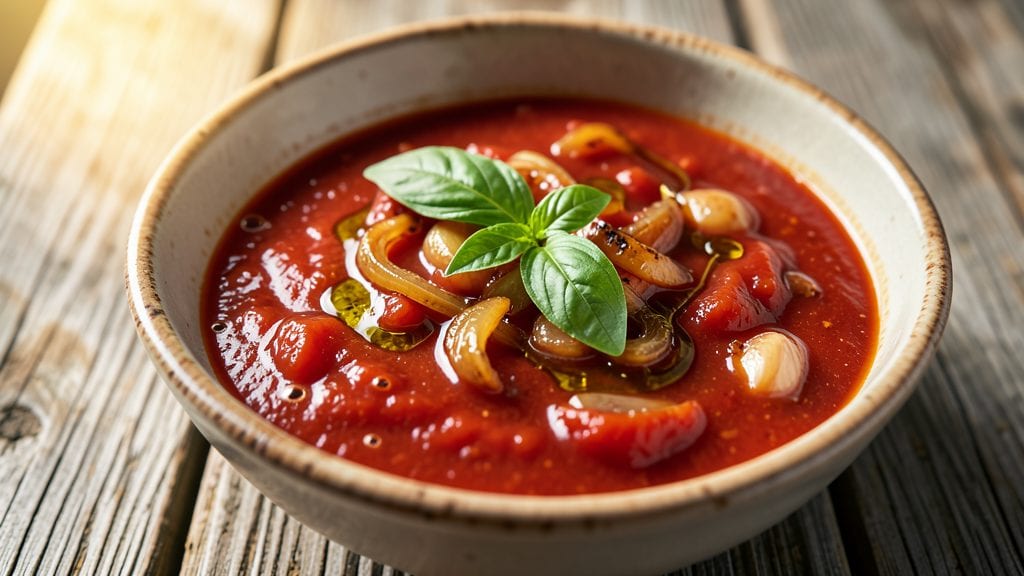
Creating a slow-simmered marinara sauce that rivals Betty Crocker’s iconic flavor requires just six ingredients and an hour of patience—no shortcuts, no compromises.
The key lies in caramelizing garlic and onions until they’re deep golden, then letting crushed tomatoes and herbs meld into a rich, umami-packed sauce with layers of complexity. This isn’t just a sauce; it’s the foundation for restaurant-quality pasta and pizza at home.
The process starts with a simple mirepoix of onions and garlic, cooked until their natural sugars transform into sweet, aromatic depth. Crushed tomatoes (not paste) provide acidity and body, while a blend of dried basil, oregano, and red pepper flakes infuse the sauce with authentic Italian flavor.
The slow simmer—at least 45 minutes—allows the flavors to develop fully, creating a sauce that’s velvety yet balanced, never cloying.
What you’ll end up with is a deep red, glossy marinara that clings to pasta like a second skin and adds vibrant flavor to pizza without overpowering toppings. The texture is silky-smooth, with just enough acidity to brighten each bite.
This sauce keeps well in the fridge for up to a week, so you’ll have it on hand whenever inspiration strikes—or when you’re craving that comforting, umami-rich taste of home.
For extra depth, stir in a splash of red wine or a pinch of sugar during the final 10 minutes of cooking. If you prefer a smoother texture, blend briefly before serving. The possibilities are endless, but the foundation remains the same: simple, bold, and built to impress.
Ingredients for betty crocker marinara sauce
Six simple ingredients transform into a sauce that tastes like nostalgia—deep, rich, and perfect for pasta or pizza.
| Ingredient | Amount | Notes |
|---|---|---|
| Yellow Onions 🧅 | 1 whole | Diced, medium size preferred |
| Garlic Cloves 🧄 | 4 cloves | Minced, fresh preferred |
| Crushed Tomatoes 🍅 | 28 oz | San Marzano preferred, no salt added |
| Extra-Virgin Olive Oil 🫒 | ¼ cup | High quality, fruity |
| Dried Basil 🌿 | 1 tbsp | Sweet, not salty |
| Dried Oregano 🍃 | 1 tsp | Italian preferred |
| Crushed Red Pepper Flakes 🌶️ | ½ tsp | Adjust for heat preference |
| Sea Salt 🧂 | ½ tsp | Fine grain preferred |
| Black Pepper 🌶️ | ¼ tsp | Freshly ground preferred |
The onions and garlic are where the magic starts. Yellow onions give the best sweetness when caramelized, so don't skip this step—it's worth the 10 minutes. Whole Foods or local markets often have the sweetest varieties. For garlic, fresh cloves make all the difference—pre-minced jars lack punch. If you're using dried garlic, double the amount, but honestly, fresh is better. The crushed tomatoes? San Marzano is the gold standard—sweeter, meatier, and less acidic than most brands. Grab a can from Trader Joe's or Costco if you want to splurge.
No San Marzano? Any good-quality crushed tomatoes work—just pick ones labeled 'no salt added' to control the seasoning. Short on basil? Dried works at half the amount, but fresh is ideal. The red pepper flakes can be swapped for crushed cayenne at one-third the amount if you want more heat. Olive oil matters here—use something fruity and peppery, not the cheap stuff. If you're out of dried oregano, thyme works in a pinch, though it's not traditional. For extra depth, add a splash of red wine during the simmer—just 2 tbsp does the trick.
This sauce tastes even better the next day, so make a double batch if you can. Store in an airtight container in the fridge for up to 1 week, or freeze for up to 3 months. For freezing, portion into ice cube trays—perfect for single servings. If it thickens too much after chilling, just add a splash of water or broth when reheating. The flavors deepen over time, so don't rush it.
Why You'll Love This Recipe
- No-Fuss Pantry Staples: This sauce starts with ingredients you already own—no specialty shopping required. I swear by this combo of crushed tomatoes and dried basil because it’s the kind of flavor that doesn’t demand perfection, just presence.
- Garlic-Kissed Depth: That moment when you crush fresh garlic into simmering olive oil? Pure magic. The onions caramelize just enough to add sweetness without overpowering, and the basil ties it all together like a warm hug.
- Weeknight to Weekend: Slap this on spaghetti for a Tuesday dinner or use it to top homemade pizza when friends drop by. It’s the kind of sauce that doesn’t care what you throw at it—pasta, meatballs, even grilled chicken—and still delivers.
- Leftovers That Don’t Suck: Between us, most homemade sauces turn into a sad, watery mess after Day 2. Not this one. The olive oil keeps it rich, and the tomatoes hold their shape, so it’s just as good reheated as it is fresh—no sad soup vibes here.
Step-by-step instructions for slow-simmered marinara sauce
This method transforms simple pantry staples into rich, layered sauce perfect for pasta or pizza.
Sauté Onions Until Translucent and Sweet
Heat the 0.25 cup extra-virgin olive oil in a large saucepan over medium heat. Add the 1 whole diced yellow onions and cook for 8-10 minutes, stirring occasionally. You'll know they're ready when they become soft and translucent with just a hint of golden color at the edges.
Here's the thing - don't rush this step. The onions should break down completely without browning. If they start to color too quickly, reduce the heat slightly. This foundational step builds the sauce's sweetness and depth that carries through the entire cooking process.
Add Garlic and Cook Until Fragrant
Push the onions to one side of the pan and add the 4 minced garlic cloves. Stir for 30 seconds until the garlic becomes fragrant but doesn't brown - it should smell amazing but not taste bitter. If the garlic browns too quickly, remove the pan from heat for a moment to cool slightly.
This is where the flavor magic begins. The garlic should melt into the onions rather than sitting as distinct pieces. I like to stir constantly during this 30-second window to prevent burning. Once fragrant, immediately add the 28 oz crushed tomatoes to halt any further cooking.
Season and Simmer for Deep Flavor Development
Add the 1 tablespoon dried basil, 1 teaspoon dried oregano, 0.5 teaspoon crushed red pepper flakes, 0.5 teaspoon sea salt, and 0.25 teaspoon black pepper to the pan. Stir everything together until the seasonings are fully distributed throughout the sauce.
Bring the mixture to a gentle simmer over medium-low heat. Here's what I do - I reduce the heat until you see just small bubbles breaking the surface occasionally. Let it simmer uncovered for 45-60 minutes, stirring occasionally. You're looking for the sauce to thicken noticeably and develop a rich, concentrated flavor.
Adjust Consistency and Finish
After simmering, taste the sauce and adjust seasoning if needed. If it's too thick for your preference, add 1-2 tablespoons of water at a time, stirring well after each addition. For a smoother texture, use an immersion blender to blend briefly - but only if you prefer that consistency.
This sauce should have a velvety texture with just the right balance of sweetness from the onions, acidity from the tomatoes, and herbal notes from the basil and oregano. The red pepper flakes add just enough heat to make it interesting without overpowering. Let it cool slightly before serving over your favorite pasta or using as a pizza sauce.
Pro Tips For Making Betty Crocker Marinara Sauce
- SWEAT THE ONIONS FIRST: Don’t just toss chopped onions into the oil—let them sit uncovered for 3-4 minutes on medium heat until they’re soft and translucent. This builds flavor before you even add garlic, and it prevents that bitter, raw taste that ruins so many sauces. (Yes, even if you’re impatient like me.)
- MINCE GARLIC FINE: Skip the pre-minced jar—it’s waterlogged and dull. Use a knife or press to make your own, and crush the cloves lightly with the flat of your knife first. Fresh garlic cooks faster and adds a bright, aromatic punch that dried basil can’t mask. I learned this the hard way after a batch tasted like garlic powder.
- STIR CONSTANTLY AT FIRST: The first 5 minutes are critical—crushed tomatoes burn faster than you’d think. Keep the heat at medium and stir every 30 seconds until the sauce starts to simmer. Once it’s going, you can relax, but that initial attention prevents a scorched bottom and a bitter flavor. (Your future self will thank you.)
- ADD BASIL LATE: Toss the dried basil in at the very end, just before serving. If you add it early, the heat will kill its flavor entirely—you’ll end up with a sauce that tastes like tomato soup. A pinch of red pepper flakes with the basil? That’s the real upgrade.
Health benefits of this recipe
Antioxidant-Rich Tomatoes
The crushed tomatoes in this marinara sauce are packed with lycopene, a powerful antioxidant that gives tomatoes their red color. Cooking actually increases lycopene absorption—studies show that tomato-based sauces provide up to three times more lycopene than raw tomatoes.
A ½-cup serving of this sauce delivers about 20% of your daily lycopene needs, supporting heart health and reducing inflammation. 💪
Heart-Healthy Olive Oil
Extra-virgin olive oil is the star of this sauce's fat content, providing monounsaturated fats that support cardiovascular health. The 0.25 cup used in this recipe contains about 14 grams of healthy fats, which help lower bad cholesterol (LDL) while maintaining good cholesterol (HDL).
The oil also carries the sauce's fat-soluble vitamins A and E, enhancing their absorption.
Garlic's Immune Boost
The 4 cloves of garlic in this recipe contain allicin, a compound with potent antimicrobial and immune-boosting properties. Just one clove provides about 1-2% of your daily manganese needs, which supports bone health and metabolism.
The slow cooking process preserves garlic's beneficial compounds better than quick frying or raw consumption. I always notice my immune system feels stronger when I include garlic-rich meals regularly.
Herbal Antioxidants
Both dried basil and oregano contribute significant antioxidant benefits to this sauce. Basil contains eugenol, which has been shown to reduce oxidative stress, while oregano provides carvacrol, a compound with strong antibacterial properties.
The 1 tablespoon of dried basil in this recipe delivers about 10% of your daily vitamin K, essential for blood clotting and bone health.
Low-Calorie, High-Fiber
This marinara sauce is surprisingly low in calories—about 70 calories per ½-cup serving—while providing 3 grams of fiber from the tomatoes. The fiber content supports digestive health and helps maintain steady blood sugar levels.
The sauce's natural acidity from tomatoes also aids digestion, making it easier on your stomach compared to heavy cream-based sauces.
Blood Sugar Benefits
The combination of tomatoes and garlic in this sauce creates a low-glycemic index food that won't spike blood sugar levels. The soluble fiber in tomatoes helps slow digestion, preventing rapid glucose absorption. This makes this marinara an excellent choice for anyone managing diabetes or watching their blood sugar levels.
The red pepper flakes add just enough heat to boost metabolism slightly without adding significant calories. 🌶️
Nutrition facts
Frequently asked questions
Can I substitute crushed tomatoes with tomato paste?
Tomato paste works differently—it's more concentrated and lacks the acidity and texture of crushed tomatoes. For best results, use crushed tomatoes, but if you must substitute, mix 2 tablespoons tomato paste with 1 cup water or broth to replicate the consistency. The sauce will be thicker, so thin with water as needed during simmering.
How do I make this sauce vegan?
This recipe is already vegan-friendly! Just ensure your olive oil is plant-based and verify that your dried herbs and spices contain no animal derivatives. For extra depth, add 1 teaspoon nutritional yeast or ½ teaspoon smoked paprika during the final 5 minutes of simmering. The sauce will still be rich and flavorful without any animal products.
Why does my sauce taste bitter?
Bitterness usually comes from overcooked garlic or onions. To fix it, add ½ teaspoon sugar or 1 teaspoon balsamic vinegar to balance the flavors. For prevention, remove the pan from heat as soon as garlic turns golden and immediately add tomatoes. If the bitterness persists, stir in 1 tablespoon tomato paste to mellow the taste.
Can I make this sauce in a slow cooker?
Sauté onions and garlic first, then transfer everything to a slow cooker. Cook on low for 4-5 hours or high for 2-3 hours, stirring occasionally. The slow cooker enhances the sauce's depth without risking burning. For best texture, finish with 5 minutes on the stovetop to reduce excess liquid if needed.
What's the best way to use leftover sauce?
Leftover marinara freezes beautifully—portion into ice cube trays for single-serving pizza or pasta. Reheat gently in a saucepan with 1 tablespoon water to restore texture. For variety, mix with ½ cup cream for a quick Alfredo twist, or use as a base for meatballs. The sauce keeps in the fridge for up to 1 week, with flavors deepening over time.