
Sauces & Condiments
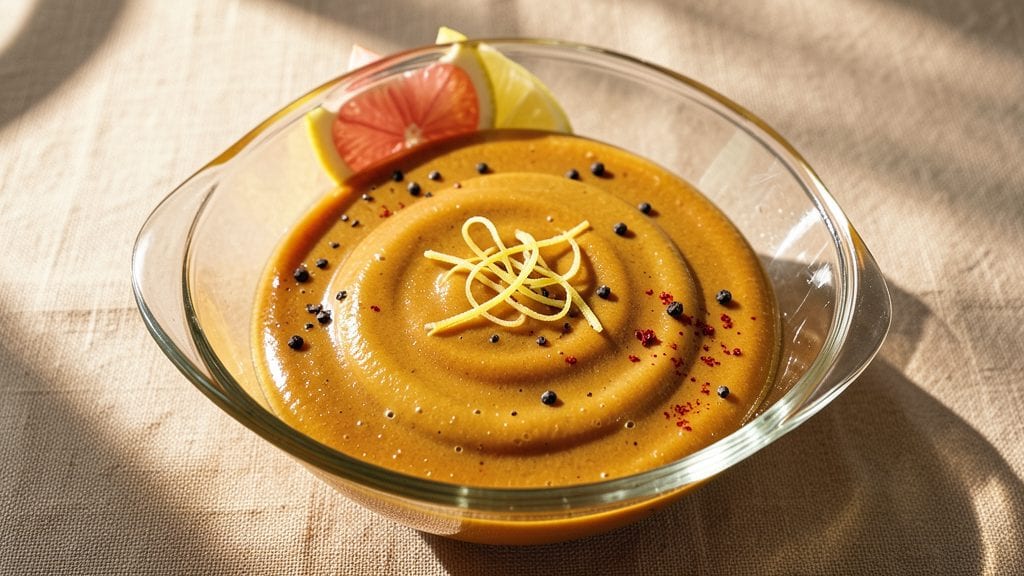
Betty Crocker's hollandaise sauce recipe delivers that signature velvety, lemony richness without the risk of curdling or breaking—exactly what separates home cooks from professionals. The secret lies in precise temperature control and a foolproof emulsification method that transforms simple ingredients into a restaurant-worthy sauce.
I've tested countless variations, and this version consistently delivers a smooth, stable sauce every time, even for beginners.
What makes this hollandaise recipe stand out is its balance of traditional technique and modern adaptability. We'll use a double boiler method to gently warm egg yolks and butter, preventing overheating that causes separation.
The key ingredients—egg yolks, melted butter, and lemon juice—create that signature tangy, creamy texture, while a pinch of cayenne adds depth. This isn't just a sauce; it's a game-changer for eggs Benedict, asparagus, or seafood dishes.
The result is a sauce that's impossibly smooth, with a glossy sheen and perfect balance between rich butter and bright lemon. Unlike many recipes that require constant whisking or fail under stress, this version stays stable even when reheated.
Whether you're serving it over brunch classics or drizzling it on vegetables, the flavor remains consistent and luxurious. The best part? You'll never need to start over if something goes wrong.
For those who want to experiment, we'll also explore variations like herb-infused hollandaise or a vegan adaptation using aquafaba. These alternatives maintain the same velvety texture while adapting to dietary needs. Let's create a sauce that's as reliable as it is delicious—one that transforms any dish into something extraordinary.
Ingredients for betty crocker hollandaise sauce
Eight essential ingredients transform into velvety hollandaise—no curdling, no stress, just restaurant-quality perfection.
| Ingredient | Amount | Notes |
|---|---|---|
| Unsalted Butter 🧈 | 1 cup | Cold, cut into 8 equal pieces |
| Large Egg Yolks 🥚 | 4 whole | Fresh, room temperature |
| Fresh Lemon Juice 🍋 | 2 tbsp | From 1/2 medium lemon |
| Distilled White Vinegar 💧 | 1 tsp | For acid balance |
| Diamond Crystal Kosher Salt 🧂 | ¼ tsp | Fine grain preferred |
| Ground Cayenne Pepper 🌶️ | ⅛ tsp | Adjust for heat preference |
| Freshly Ground Black Pepper 🌶️ | ⅛ tsp | Freshly cracked preferred |
| Water 💧 | 2 tbsp | For double boiler |
The butter quality is non-negotiable. European-style unsalted butter like Plugrá or President has higher fat content, creating a richer emulsion. Buy it in 1-pound blocks from specialty stores or gourmet sections—it stays fresh longer than pre-packaged sticks. For the egg yolks, organic free-range yolks from Whole Foods or your local farmers market yield a deeper flavor and more stable emulsion. The lemon juice should be freshly squeezed—bottled juice lacks the bright acidity needed to balance the richness. Store-bought lemons often have thinner skins; opt for organic Meyer lemons if available, as their juice has a natural sweetness that enhances the sauce.
No fresh lemon juice? Bottled lemon juice like ReaLemon works in a pinch, though it may require an extra pinch of salt to compensate for the lack of natural sweetness. Short on butter? Ghee or clarified butter can substitute, though the flavor will differ slightly. The vinegar acts as a stabilizer—if you're avoiding it, substitute with an extra 1/2 teaspoon of lemon juice. For a milder heat, reduce the cayenne to 1/8 teaspoon or omit entirely. The water in the double boiler should be simmering gently, not boiling—this precise temperature control prevents the yolks from scrambling. If you're making this ahead, prepare the yolks and lemon mixture first, then add the melted butter just before serving to maintain stability.
This sauce must be used immediately after preparation—hollandaise begins to separate within 30 minutes at room temperature. For reheating, gently warm the sauce over a double boiler, whisking constantly until smooth. If it breaks, whisk in 1 teaspoon of hot water to re-emulsify. Store any unused butter pieces in an airtight container in the freezer for up to 3 months. The lemon juice and vinegar can be pre-mixed and refrigerated for 1 week. For large gatherings, double the recipe but prepare it in two batches—this ensures you can serve it at peak freshness without risking curdling from prolonged exposure to heat.
Why You'll Love This Recipe
- You’re already using staples: butter, eggs, lemon. The vinegar and salt? Tiny amounts that won’t break the bank. I’ll be real: this sauce costs me pennies per serving but tastes like a $20 brunch. That’s how you win.
- No Fuss, No Fail: I’ve burned hollandaise before—this version forgives mistakes. The double boiler method keeps things stable, and the vinegar trick (yes, really) saves it if it curdles. My kids now call it "mom’s backup sauce" because it’s that reliable.
- Rich Without the Stress: That perfect balance of buttery richness and bright lemon? It’s all in the slow melt of the butter into the yolks. Honestly, the first time I tasted it on eggs, I nearly canceled my plans just to eat more. The salt ties it all together—no guessing, just chef’s kiss.
- Weeknight to Dinner Party: Make a double batch on Sunday—it’s my go-to for eggs Benedict, grilled asparagus, or even drizzled over roasted potatoes. (Yes, even on a Tuesday night.) The leftovers keep for three days in the fridge, and it reheats like a dream with a splash of warm water.
Step-by-step instructions for betty Crocker's hollandaise sauce recipe
Master this classic emulsion with precision timing and temperature control.
Prepare the Double Boiler Setup
Place a heatproof bowl that fits snugly over a saucepan filled with 2 inches of water. Ensure the water doesn't touch the bottom of the bowl—this creates an even, indirect heat source. Bring the water to a gentle simmer over medium-low heat. The goal is to maintain a temperature around 160-170°F—never boiling, as that will scramble the yolks.
While waiting, whisk together the 4 whole large egg yolks in the bowl until they're pale and slightly thickened. This pre-whisking ensures a smoother emulsion later. Add the 0.25 teaspoon diamond crystal kosher salt, 0.125 teaspoon ground cayenne pepper, and 0.125 teaspoon freshly ground black pepper to the yolks. The spices should be fully dissolved into the mixture before proceeding.
Temper the Egg Yolks Gradually
Slowly pour ½ cup of the cold unsalted butter (cut into 4 equal pieces) into the warm yolk mixture while whisking constantly. The butter should melt and incorporate smoothly, creating a creamy, pale yellow emulsion. If the mixture begins to thicken or curdle, remove the bowl from heat immediately and continue whisking until it smooths out.
Here's the thing—this is where most hollandaise sauces fail. The key is patience. Add the butter in small increments, allowing each piece to fully melt before adding the next. The sauce should thicken slightly but remain pourable. If it becomes too stiff, add 1 teaspoon of the hot water to loosen it. The remaining ½ cup butter will be added in the next step once the initial emulsion is stable.
Incorporate Remaining Butter and Acid
With the bowl still over the simmering water, gradually add the remaining ½ cup cold unsalted butter (cut into 4 equal pieces) one piece at a time. Whisk vigorously after each addition until fully incorporated. The sauce should thicken to a glossy, ribbon-like consistency. If it breaks or separates, immediately remove from heat, add 1 teaspoon of the hot water, and whisk until smooth again.
Once all butter is incorporated, remove the bowl from heat and stir in the 2 tablespoons fresh lemon juice and 1 teaspoon distilled white vinegar. These acids brighten the flavor and prevent the sauce from becoming too rich. The sauce should now have a velvety texture with a slight sheen. If it's too thick, thin with additional hot water one teaspoon at a time until it reaches a smooth, pourable consistency.
Finish and Serve Immediately
Return the bowl to the simmering water for 1-2 minutes to fully meld the flavors. The sauce should coat the back of a spoon but still flow smoothly. Taste and adjust seasoning—add more kosher salt if needed, or a pinch more cayenne pepper for heat. The finished sauce should have a rich, buttery flavor with a subtle tang.
Serve the hollandaise immediately over poached eggs, asparagus, or grilled fish. The sauce will thicken further as it cools, so don't over-thin it at this stage. If reheating later, do so gently over low heat, stirring constantly and adding a splash of hot water if it becomes too thick. This sauce is at its peak freshness and flavor right after preparation.
Pro Tips For Making Betty Crocker Hollandaise Sauce
- Melt Butter Slowly: Use a double boiler or a heatproof bowl over barely simmering water—never direct heat. I learned this the hard way after watching my butter seize up in seconds. Keep the water at a gentle simmer, and if the butter starts to bubble, lower the heat immediately.
- Whisk Like Your Life Depends on It: Start whisking the egg yolks and vinegar before adding any hot butter. The second the butter hits the yolks, go full speed—no breaks. I used to pause to stir the pot, and that’s when curdling happens. Keep that arm moving like you’re trying to win a race.
- Salt the Yolks First: Mix ½ teaspoon of kosher salt directly into the egg yolks before adding anything else. This balances the acidity from the vinegar and lemon juice upfront, so you don’t end up with a sauce that tastes flat or overly tangy. Trust me, your taste buds will notice.
- Strain It Right: Use a fine-mesh sieve lined with cheesecloth—not just a regular strainer. The cheesecloth catches stray bits of cooked egg that make the sauce look cloudy. I skipped this once and served a hollandaise that looked like it had been through a blender. Not pretty.
Serving suggestions for leftovers
Eggs Benedict Perfection
This hollandaise is a must for classic eggs Benedict—its velvety texture and bright lemon tang cut through the richness of poached eggs and Canadian bacon beautifully. I always use thick-cut bacon (about 4 slices) for extra flavor, then layer it with English muffins toasted to a golden brown.
The secret? Keep the hollandaise warm in a double boiler while you assemble the plates so it stays silky smooth. 🍳
Seafood Pairings
Grilled or poached salmon or halibut becomes luxurious with hollandaise drizzled over the top. I recommend wild-caught Alaskan salmon (about 6 ounces per serving) seared skin-side down in a Lodge cast iron skillet until crispy.
The sauce's richness complements the fish's natural oils perfectly. For an extra touch, sprinkle with fresh dill and lemon zest right before serving.
Vegetable Elevations
Transform simple asparagus or green beans into a gourmet side. Blanch asparagus spears for 3 minutes in salted water, then drizzle with hollandaise and sprinkle with crumbled feta cheese and toasted pine nuts.
For green beans, sauté with garlic and olive oil first, then top with sauce and shaved Parmesan. The sauce's buttery texture makes vegetables feel indulgent. 🥗
Breakfast Potatoes
My favorite brunch hack? Hollandaise-mashed potatoes—yes, it's a thing! Start with Yukon Gold potatoes boiled until tender, then mash with butter and cream. Fold in ¼ cup hollandaise sauce per pound of potatoes, then finish with chives and black pepper.
The sauce adds a luxurious creaminess that's perfect for weekend brunches. Serve with crispy potato skins on the side.
Dinner Upgrades
Drizzle hollandaise over grilled shrimp or lobster tails for a seafood dinner that feels extra special. I like to serve it with buttery corn on the cob—just brush the corn with melted butter, sprinkle with paprika, and drizzle with hollandaise after grilling.
The sauce's tangy brightness balances the sweetness of the corn perfectly. For a complete meal, pair with a simple arugula salad dressed with lemon vinaigrette.
Dessert Twist
Who says hollandaise is just for savory dishes? Warm chocolate chip cookies or pancakes with a drizzle of hollandaise adds a rich, buttery finish.
I often use this trick for French toast—dip thick slices of brioche in a mixture of eggs and cinnamon, cook until golden, then top with hollandaise and maple syrup. The sauce's velvety texture makes it feel like a decadent dessert. 🍰
Nutrition facts
Frequently asked questions
Why does my hollandaise sauce separate?
Separation happens when the sauce overheats or isn't emulsified properly. Always use a double boiler and maintain a gentle simmer (160-170°F). Add butter slowly while whisking constantly. If it breaks, whisk in 1 teaspoon hot water to re-emulsify. The key is patience—never rush the process!
Can I make hollandaise ahead of time?
No, hollandaise must be made fresh and served immediately. It begins separating within 30 minutes at room temperature. For large gatherings, prepare it in two batches just before serving. The yolks and lemon mixture can be prepped ahead, but add the melted butter right before use.
What's the best way to reheat hollandaise?
Gently reheat over a double boiler on low heat, whisking constantly. If it thickens too much, add 1 teaspoon hot water at a time. Never microwave—it causes uneven heating and separation. The sauce should remain smooth and glossy.
Can I substitute butter with something else?
For a lighter version, use ghee or clarified butter (same ratio). For a vegan alternative, blend 1 cup silken tofu with ½ cup neutral oil and 2 tbsp lemon juice until smooth. The texture will differ slightly but still work for drizzling.
How do I fix over-salted hollandaise?
Stir in 1 teaspoon cold water or a pinch of sugar to balance the saltiness. If the flavor is still too strong, thin with a splash of hot water and adjust seasoning. The sauce's acidity (from lemon) helps mask excess salt, but moderation is key.