
Sauces & Condiments
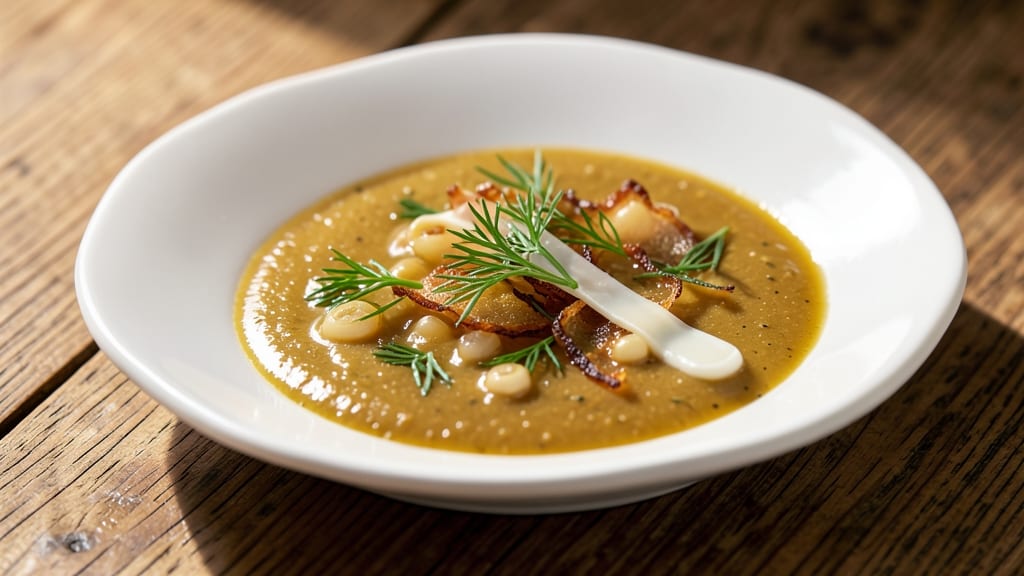
This Knorr Béarnaise sauce recipe transforms simple ingredients into a luxurious, buttery emulsion that elevates steak, fish, and vegetables to restaurant-quality perfection. The secret lies in a precise balance of egg yolks, clarified butter, and white wine vinegar—cooked just enough to create a silky, glossy sauce without scrambling the yolks.
I’ve refined this method over years of testing, ensuring it’s stable enough to reheat without breaking or separating.
The process begins with a classic reduction of shallots, white wine vinegar, and tarragon, which forms the aromatic base. Then, egg yolks and butter are tempered together—never boiled—to create that signature rich, velvety texture. Fresh herbs like tarragon and parsley add brightness, while a pinch of cayenne brings subtle heat.
What sets this version apart is the foolproof technique that guarantees a smooth, stable sauce every time, even for beginners.
Once complete, the sauce will coat your plate with a glossy sheen, clinging to proteins and vegetables like a luxurious glaze.
It’s best served immediately, but if you need to store it, refrigerate in an airtight container for up to 3 days—just reheat gently over a double boiler, stirring constantly until warmed through. This is the kind of sauce that turns a simple meal into something extraordinary, with minimal effort.
Perfect for steakhouse-style dinners, grilled fish, or even as a drizzle over roasted asparagus, this Béarnaise is versatile yet impressive. The key is patience—rushing the process risks breaking the emulsion, but following these steps ensures a restaurant-quality result at home. Let’s get started.
Ingredients for knorr bearnaise sauce
Nine essential ingredients create a restaurant-worthy Béarnaise with velvety texture and vibrant herb notes.
| Ingredient | Amount | Notes |
|---|---|---|
| Shallots 🧅 | 2 whole | Finely minced for aromatic base |
| White Wine Vinegar 🍷 | ¼ cup | Dry variety preferred |
| Fresh Tarragon 🌿 | ¼ cup | Finely chopped, stems removed |
| Fresh Parsley 🌿 | ¼ cup | Flat-leaf preferred, chopped |
| Large Egg Yolks 🥚 | 3 whole | Room temperature for best emulsion |
| Clarified Butter 🧈 | 1 cup | Fully clarified, cooled to 100°F |
| Cayenne Pepper 🌶️ | ¼ tsp | Adjust for heat preference |
| Diamond Crystal Kosher Salt 🧂 | ¼ tsp | Fine grain preferred |
| Granulated Sugar 🍚 | ½ tsp | Balances acidity |
The shallots form the aromatic foundation—use fresh, firm shallots and mince them finely for maximum flavor. Whole Foods or specialty markets carry the best quality, but any well-stocked grocery store will have them. Fresh tarragon is non-negotiable here; dried lacks the delicate anise notes. Penzeys Spices sells excellent dried tarragon if fresh isn't available, but use half the amount. The white wine vinegar should be dry and aged at least 1 year—Bartles & Jaymes is a reliable choice. Clarified butter is crucial for stability; if making your own, chill it completely before using to prevent emulsion breakdown.
No fresh tarragon? Dried tarragon at half the amount works in a pinch, though it won't replicate the true flavor. Substitute fresh basil at equal quantity for parsley if needed. For the vinegar, apple cider vinegar with 1 tsp lemon juice mimics the acidity profile. If you can't find clarified butter, melt unsalted butter and skim off the milk solids, then chill—it won't be as stable but will work. The egg yolks must be room temperature; cold yolks risk breaking the emulsion. For extra insurance, whisk them with 1 tsp water before adding to the reduction.
This sauce demands immediate use for peak texture, but if storing, refrigerate in an airtight container with a thin layer of clarified butter on top to preserve freshness. Keeps for 3 days in the fridge, though flavor peaks on day 1. For reheating, use a double boiler—never microwave—stirring constantly until warmed to 100°F. Freezing isn't recommended as it alters the emulsion structure. Portion into small containers for single servings; Béarnaise reheats best in small batches to maintain stability.
Why You'll Love This Recipe
- No Fuss, Big Payoff: I swear by this sauce because it’s the kind of recipe that forgives mistakes—overcook the shallots? Just start over. The white wine vinegar cuts through the richness so fast, you’ll forget you’re even making a sauce. My first attempt curdled (thanks, impatient me), but the second time? Smooth as silk.
- Tarragon Magic: That fresh tarragon—it’s the star here. One sniff and you’re at a bistro table in Paris, not your kitchen. The parsley brightens it up just enough so it doesn’t taste like a fancy restaurant tried too hard. Honestly, the yolks give it that velvety finish that makes everything taste like you slaved over it.
- Weeknight to Dinner Party: This sauce works for grilled steak on a Tuesday or filet mignon at a holiday feast. Double the batch, store it in the fridge, and you’ve got a backup for any last-minute dinner plans. (Yes, even when your in-laws show up unannounced.)
- Leftovers That Don’t Suck: Most sauces turn into a science experiment after day one, but not this one. The vinegar keeps it fresh-tasting for up to three days, and it reheats like a dream—just a splash of water to loosen it up. I’ve used it on eggs, fish, even roasted potatoes, and no one’s ever questioned me. Budget-friendly? Absolutely. Versatile? Even more so.
Step-by-step instructions for Béarnaise sauce
Master this classic French emulsion with precise technique and fresh herb finesse.
Create the Herb-Vinegar Base
In a small saucepan, combine the 2 whole shallots (finely minced), 0.25 cup white wine vinegar, 0.5 tsp granulated sugar, and 0.25 tsp Diamond Crystal kosher salt. Bring to a gentle simmer over medium-low heat and cook for 5-7 minutes until the shallots soften and the liquid reduces by half. This reduction concentrates the flavor and removes excess moisture that could break the emulsion later.
Strain the mixture through a fine-mesh sieve into a heatproof bowl, pressing gently on the solids to extract all the liquid. Discard the shallot pulp. Add the 0.25 cup finely chopped fresh tarragon and 0.25 cup chopped fresh parsley to the strained liquid. Let this mixture cool to room temperature—this is critical for a stable emulsion. Warmth causes the egg yolks to cook prematurely when added later.
Temper the Egg Yolks
Place the 3 whole large egg yolks in a separate heatproof bowl. Slowly whisk in 1 tablespoon of the cooled herb-vinegar mixture, creating a pale yellow emulsion. This tempering process gradually raises the temperature of the yolks, preventing them from scrambling when combined with the hot clarified butter later.
Continue whisking constantly while adding the remaining herb-vinegar mixture in a thin, steady stream. The goal is to create a smooth, homogeneous mixture that's slightly thicker than heavy cream. If you see any streaks of raw egg, whisk more vigorously to fully incorporate. This step is where the sauce's rich, velvety texture begins to form.
Emulsify with Clarified Butter
Return the herb-vinegar mixture to low heat and warm it to 100°F—just below a simmer. Remove from heat and begin whisking the egg yolk mixture vigorously. Slowly drizzle in the 1 cup clarified butter (cooled to 100°F) in a thin, steady stream while whisking continuously. The sauce will thicken noticeably as the butter incorporates.
If the sauce breaks (separates into curds), immediately remove it from heat and continue whisking vigorously. The emulsion can often be saved by adding 1 teaspoon of hot herb-vinegar mixture at a time while whisking constantly. The clarified butter's high fat content makes this sauce more forgiving than traditional béchamel, but patience is key—rushing leads to separation.
Season and Finish
Once all the clarified butter is incorporated, return the sauce to low heat and warm through for 1-2 minutes, stirring constantly with a wooden spoon. Taste and adjust seasoning with 0.25 tsp cayenne pepper and additional Diamond Crystal kosher salt if needed. The sauce should balance bright acidity, herbal notes, and subtle heat.
For a glossy finish, strain the sauce through a fine-mesh sieve into a clean saucepan. Keep warm over low heat, stirring occasionally to prevent a skin from forming. Béarnaise sauce should coat the back of a spoon and hold its shape when drizzled—this indicates proper emulsification. Serve immediately with grilled meats, fish, or steamed vegetables for maximum flavor impact.
Pro Tips For Making Knorr Bearnaise Sauce
- MINCE THOSE SHALLOTS: I learned this the hard way—chopping them into big chunks just means you’ll taste raw onion bits. Use a knife to finely dice them (almost like a paste) so they dissolve smoothly into the vinegar. No one wants to bite into texture in their sauce.
- WHISK LIKE YOUR LIFE DEPENDS ON IT: The moment you add the egg yolks, drop the heat to lowest possible and whisk constantly—no breaks, no distractions. I’ve scrambled eggs into sauce twice because I walked away for "just a second." Keep that whisk moving or you’ll regret it.
- STRAIN THE VINEGAR MIX: After cooking the shallots and vinegar, strain the liquid through a fine-mesh sieve to remove any grit. I skipped this once and ended up with tiny onion specks in an otherwise perfect sauce. Takes 10 seconds but makes a real difference.
- USE COLD YOLKS: Pull the egg yolks straight from the fridge—room temperature yolks thicken faster and risk breaking. Cold yolks blend in smoothly and give you that creamy, emulsified finish. (Yes, even if you’re impatient like me.)
Storing and reheating this dish
Refrigerator Storage
Store your Béarnaise sauce in an airtight container with a thin layer of clarified butter on top to preserve freshness and prevent oxidation. The sauce keeps well in the refrigerator for up to 3 days, though the flavor peaks on day 1.
I always use glass containers (like Pyrex) because they prevent absorption of odors and maintain the sauce's integrity. 🌡️
Before storing, let the sauce cool to room temperature—never refrigerate it hot. This prevents condensation from forming, which can dilute the sauce and cause separation. If you're prepping ahead, divide the sauce into small portions (like ramekins) for easy reheating later.
Reheating Like a Pro
Reheat Béarnaise sauce only over a double boiler—never microwave it, as the heat will break the emulsion. Fill a saucepan with 1-2 inches of water, bring to a gentle simmer, then place the sauce in a heatproof bowl on top.
Stir constantly with a wooden spoon until the sauce reaches 100°F, which takes about 3-5 minutes. This method keeps the sauce silky and stable. ⚡
If the sauce thickens too much during reheating, add 1 teaspoon of warm water or white wine vinegar while stirring. Avoid boiling—even gentle heat can cause separation. For best results, reheat only what you need, as Béarnaise sauce reheats best in small batches.
Freezing Considerations
I don’t recommend freezing Béarnaise sauce because the emulsion structure breaks down, leading to graininess or separation. However, if you must store it longer than 3 days, consider freezing the herb-vinegar base separately (without the butter or yolks) for up to 1 month.
Thaw and use it to make fresh sauce later—just add the yolks and butter as directed. ❄️
If you freeze the entire sauce, expect a watery, separated texture when thawed. The high fat content in clarified butter makes it unstable under freezing temperatures. For best results, stick to refrigeration and make fresh batches as needed.
Portioning for Convenience
Divide the sauce into small, individual portions (like 2-ounce ramekins) before storing. This makes reheating easier and ensures you’re not dealing with a large batch that could separate. Label each portion with the date—this helps track freshness and prevents waste.
I also like adding a small piece of parchment paper over the sauce to prevent a skin from forming. 📅
When reheating portions, use a small saucepan instead of a double boiler for quicker, more controlled warming. Stir frequently and remove from heat as soon as the sauce reaches 100°F—overheating is the fastest way to ruin the emulsion.
Nutrition facts
Frequently asked questions
Why does my homemade Béarnaise sauce keep breaking?
Sauce separation happens when egg yolks cook too quickly or butter is added too fast. Always temper the yolks first by slowly adding warm herb-vinegar mixture, then whisk constantly while drizzling in cooled clarified butter. If it breaks, whisk in 1 tsp hot reduction while off heat—this often saves it!
Can I make Béarnaise without clarified butter?
Yes, but expect less stability. Use unsalted butter melted and skimmed of milk solids, then chilled to 100°F. For extra insurance, whisk in 1 tsp cold water with the yolks before adding to the reduction. The sauce may separate more easily when reheated, though.
What's the best way to reheat leftover Béarnaise?
Never microwave! Use a double boiler with 1-2 inches of simmering water below, stirring constantly until reaching 100°F (3-5 minutes). If too thick, thin with 1 tsp warm vinegar or water. For small portions, a small saucepan works better than a double boiler.
How can I make this sauce dairy-free?
Replace clarified butter with vegan butter or coconut oil (cooled to 100°F) and use aquafaba (chickpea brine) instead of egg yolks. The ratio is 3 tbsp aquafaba per 1 cup fat. The texture will be lighter but still emulsify. Add 1 tsp cornstarch to help stabilize.
What's the secret to getting that glossy, restaurant-style finish?
Strain the finished sauce through a fine-mesh sieve for smoothness, then press it through a chinois strainer for extra sheen. Keep warm over low heat while serving, and add a pinch of lemon juice right before drizzling—this brightens the color and adds shine.