
Sauces & Condiments
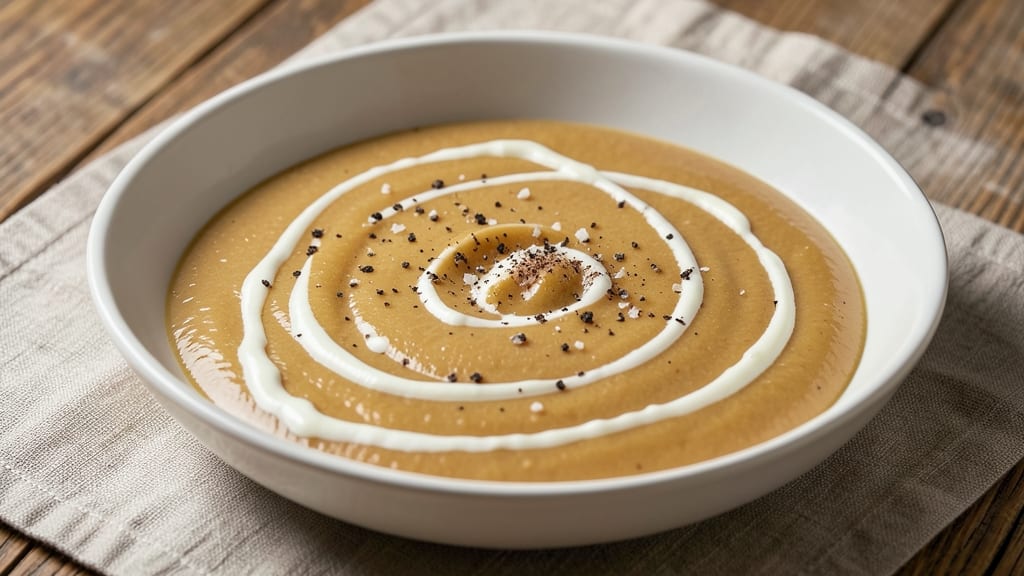
Mastering the Betty Crocker béchamel sauce recipe is the secret to crafting velvety, restaurant-worthy dishes like mac and cheese or creamy gratins. This classic French roux-based sauce transforms simple ingredients—just butter, flour, and milk—into something luxurious and versatile.
I’ve refined this recipe over years to ensure it’s foolproof, with a perfect balance of richness and smoothness that never breaks or separates.
The secret lies in patience and precise technique: cooking the butter and flour until golden (but not browned) creates a flavorful base that won’t taste raw. Gradually whisking in warm milk prevents lumps while building a thick, velvety texture.
Seasoning with nutmeg and salt elevates it from basic to extraordinary, and the sauce’s adaptability means you can customize it with cheese, herbs, or even a splash of cream for variations.
What you’ll achieve is a silky, creamy sauce that coats every noodle, layer, or casserole perfectly—no graininess or clumping. This is the kind of sauce that makes comfort food feel indulgent, whether you’re making classic mac and cheese, lasagna, or a creamy vegetable gratin.
The best part? It reheats beautifully, so you can make a batch ahead and use it all week.
Store leftovers in the fridge for up to 5 days or freeze for months—just whisk in a splash of milk or cream when reheating to restore its smooth consistency. Ready to master this essential sauce? Here’s how to make it flawlessly every time.
Ingredients for betty crocker bechamel sauce
Three core ingredients transform into a velvety sauce foundation for endless creamy dishes.
| Ingredient | Amount | Notes |
|---|---|---|
| Unsalted Butter 🧈 | ½ cup | Cold, cubed for even cooking |
| All-Purpose Flour 🌾 | ½ cup | Sifted for smooth texture |
| Whole Milk 🥛 | 4 cups | Warmed to 160°F for best results |
| Ground Nutmeg 🌿 | ¼ tsp | Freshly grated preferred |
| Diamond Crystal Kosher Salt 🧂 | ½ tsp | Adjust to taste |
| Heavy Cream 🥛 | ¼ cup | Optional for extra richness |
| Freshly Ground Black Pepper 🌶️ | ¼ tsp | Freshly cracked preferred |
| Garlic Cloves 🧄 | 1 clove | Minced, optional for depth |
The butter and flour form the critical roux—European-style unsalted butter (like Plugrá) adds depth, while King Arthur flour ensures a smooth texture. Cook until golden but not browned—any darker and you’ll taste bitterness. For the milk, whole milk is ideal, but 2% works too if that’s what you have. Warm it slightly (160°F) before adding to prevent lumps. Nutmeg is non-negotiable for that classic béchamel flavor—freshly grated makes all the difference, though pre-ground works in a pinch.
No unsalted butter? Salted butter works if you reduce the salt by half. Flour substitutes? Cornstarch at half the amount thickens similarly, though texture differs slightly. The heavy cream is optional but worth it for ultra-rich dishes like cheese sauces. Short on milk? Half-and-half or evaporated milk can replace whole milk, but texture may thin slightly. For garlic lovers, one minced clove adds subtle depth without overpowering. The key is patience—rushing the roux or adding milk too fast causes lumps.
Store leftover béchamel in an airtight container for up to 5 days in the fridge. For longer storage, freeze in 1-cup portions for up to 3 months. When reheating, whisk in a splash of warm milk or cream to restore silky consistency. This sauce is incredibly versatile—thin with extra milk for soups, or thicken further with more butter-flour roux for gratins. The magic lies in its adaptability, making it a pantry staple worth mastering.
Why You'll Love This Recipe
- Five-Ingredient Magic: I swear by this recipe because it’s that simple—just butter, flour, milk, nutmeg, and salt. No fancy techniques, no stress, just a smooth, creamy sauce that feels like a hug in a pan.
- Velvet Smoothness: That slow whisk over low heat? It’s the secret to a sauce so silky it’ll make you pause mid-stir. The nutmeg adds just enough warmth without overpowering, while the butter keeps it rich but not greasy.
- Weeknight Swiss Army: Between us, this sauce is my go-to for mac and cheese, baked potatoes, or even grilled cheese. Make a double batch—it’s the ultimate pantry hero that turns ordinary meals into something special.
- Budget-Friendly Luxury: Honestly, $5 worth of ingredients stretches to feed the family and leaveovers for lunches. The key? Whole milk and kosher salt—affordable staples that still deliver restaurant-quality flavor.
Step-by-step instructions for crafting a classic bechamel sauce
A velvety bechamel transforms ordinary dishes into something extraordinary. Here's how to achieve that signature smoothness every time.
Prepare the Roux for a Smooth Foundation
In a medium saucepan, melt the 0.5 cup unsalted butter over medium-low heat. I like to use cubed butter here—it melts more evenly and creates smaller, more stable fat particles in the final sauce. Once fully melted, reduce the heat to low and gradually whisk in the 0.5 cup all-purpose flour using a wire whisk.
Whisk continuously for 2-3 minutes until the mixture forms a smooth, pale roux with no visible flour particles. This step is critical—if you see any lumps, strain the roux through a fine-mesh sieve. The roux should smell nutty and toasty but not browned. This ensures your sauce won't have a raw flour taste or develop a bitter edge.
Gradually Incorporate Warm Milk for a Silky Texture
Remove the saucepan from heat and immediately begin adding the 4 cups whole milk in a slow, steady stream while whisking vigorously. The key here is gradual incorporation—adding milk too quickly creates lumps that are nearly impossible to eliminate later. Return the pan to medium-low heat and whisk constantly for 5-7 minutes until the sauce thickens noticeably.
You'll know it's ready when the sauce coats the back of a spoon smoothly and leaves a clean streak when you run your finger through it. This consistency is what transforms this into a proper bechamel rather than a simple white sauce. If the sauce thickens too quickly, whisk in 1-2 tablespoons of milk to adjust the texture.
Season and Finish with Signature Flavors
Once the sauce reaches a velvety consistency, remove it from heat and stir in the 0.5 tsp diamond crystal kosher salt, 0.25 tsp freshly ground black pepper, and 0.25 tsp ground nutmeg. The nutmeg is what gives bechamel its signature warmth—don't skip this step. For an optional depth of flavor, whisk in the 1 minced garlic clove and 0.25 cup heavy cream at this stage.
Return the sauce to low heat just long enough to warm through—about 1-2 minutes. The sauce should remain smooth and glossy. If you're using it immediately for dishes like mac and cheese or lasagna, proceed directly. For best results, cover the saucepan with a lid and let it rest for 10 minutes before using—this allows the flavors to meld completely.
Pro Tips For Making Betty Crocker Bechamel Sauce
- Melt Butter Slowly: I learned this the hard way—dumping cold butter into the pan and ending up with greasy lumps instead of smooth sauce. Instead, cut the unsalted butter into small cubes and let them melt gradually over medium heat, stirring constantly until it’s fully liquid but not browned. This keeps your roux from seizing up when you add the flour.
- Whisk Like You Mean It: The second you mix flour into melted butter, start whisking aggressively and don’t stop. I used to let it cook for a minute before whisking, and that’s when you get those stubborn flour clumps. Keep that whisk moving—it’s the only way to guarantee a silky texture by the time you add the milk.
- Temper the Milk: Pouring cold milk into a hot roux is a one-way ticket to scrambled sauce. Warm your whole milk first—just heat it in the microwave for 30 seconds or warm it in a separate saucepan until it’s lukewarm. This keeps your bechamel from curdling and makes the whole process smoother.
- Salt in Stages: Unsalted butter + kosher salt can throw off your seasoning if you add it all at once. Taste the roux before adding milk, then add half the salt with the milk, and finish with the rest at the end. This gives you control—especially if you’re using Diamond Crystal, which is saltier than table salt.
Dietary considerations for these flavors
Gluten-Free Adaptation
For a gluten-free version, replace the all-purpose flour with a 1:1 gluten-free flour blend like King Arthur Measure for Measure or Bob's Red Mill 1-to-1. Use the same ratio—0.5 cup—and follow the same cooking technique.
The roux will thicken slightly differently, so add milk gradually and whisk constantly. For extra stability, whisk in 1 tablespoon cornstarch with the milk before adding. This ensures a smooth, lump-free texture without gluten. 🌾
Dairy-Free Options
Create a dairy-free béchamel by using unsalted vegan butter (like Miyoko's) and unsweetened almond milk or oat milk (I recommend Oatly Full Fat for richness). Warm the milk to 160°F before adding, just like the traditional version.
For extra creaminess, stir in 2 tablespoons coconut cream after cooking. The nutmeg and salt remain essential for that classic flavor profile. This version works perfectly for vegan mac and cheese or creamy vegetable dishes.
Low-Calorie Version
Reduce calories by swapping butter for light olive oil (use 0.25 cup + 2 tablespoons) and thinning the sauce with low-fat milk (or unsweetened almond milk). Skip the heavy cream entirely. For extra flavor without fat, add 1 teaspoon lemon zest or a pinch of smoked paprika.
This lighter version still delivers that velvety texture while cutting calories by about 30%. It's ideal for health-conscious dishes like baked potatoes or gratinated vegetables.
Lactose-Free Adjustments
For lactose-sensitive eaters, use lactose-free butter (like Land O'Lakes Lactose-Free) and lactose-free milk. The cooking process remains identical, but the sauce will have a slightly lighter texture. To compensate, whisk in 1 tablespoon cornstarch with the milk before adding.
This ensures the same creamy consistency without triggering digestive discomfort. The nutmeg and garlic still shine in this version, making it perfect for creamy soups or pasta dishes.
Nut-Free Considerations
If nut allergies are a concern, avoid almond milk or coconut cream substitutions. Stick with dairy-free milk like oat or soy milk (ensure it's nut-free). For extra richness, use full-fat coconut milk (not coconut cream) or silken tofu blended into the sauce at the end.
The tofu adds protein and creaminess without nuts. Always check labels to confirm nut-free processing facilities. This version maintains the sauce's versatility for dishes like lasagna or creamy risotto.
Protein Boost
Increase protein content by whisking in 2 tablespoons nutritional yeast after cooking (for a cheesy flavor) or blending in ¼ cup silken tofu at the end. For a savory twist, stir in 1 tablespoon miso paste while the sauce simmers.
These additions work beautifully in gluten-free or dairy-free versions, adding depth and protein without altering the sauce's smooth texture. Perfect for hearty dishes like stuffed peppers or creamy casseroles.
Nutrition facts
Frequently asked questions
Why does my béchamel sauce get lumpy?
Lumps happen when milk is added too quickly or whisking isn't vigorous enough. Always whisk continuously while adding warm milk in a slow, steady stream. For extra insurance, strain the finished sauce through a fine-mesh sieve. If lumps appear later, whisk in 1 tablespoon cold milk or cream to dissolve them.
Can I make béchamel ahead of time?
Store cooled sauce in an airtight container in the fridge for up to 5 days or freeze for 3 months. When reheating, whisk in 1-2 tablespoons warm milk to restore smoothness. The flavors actually improve after resting, making it perfect for meal prep.
What's the best way to use béchamel sauce?
This versatile sauce works in endless dishes! Toss with elbow macaroni for classic mac and cheese, layer in lasagna, or top baked potatoes. For extra richness, stir in shredded cheddar or Gruyère while warm. It also elevates creamy soups, gratins, and even as a dip for bread or veggies.
How do I fix a sauce that's too thick or too thin?
For thick sauce, whisk in 1-2 tablespoons warm milk gradually. For thin sauce, remove from heat and stir in 1 tablespoon butter and flour roux (1:1 ratio) while whisking. Always adjust off the heat to prevent over-thickening. The goal is a consistency that coats the back of a spoon smoothly.
Can I substitute heavy cream with something else?
Yes! For richness, use half-and-half or evaporated milk (reduce other milk by ¼ cup). For dairy-free versions, try coconut cream (add at the end) or silken tofu blended in. Just remember: these alternatives may slightly alter texture but add delicious depth to your sauce.