
Sauces & Condiments
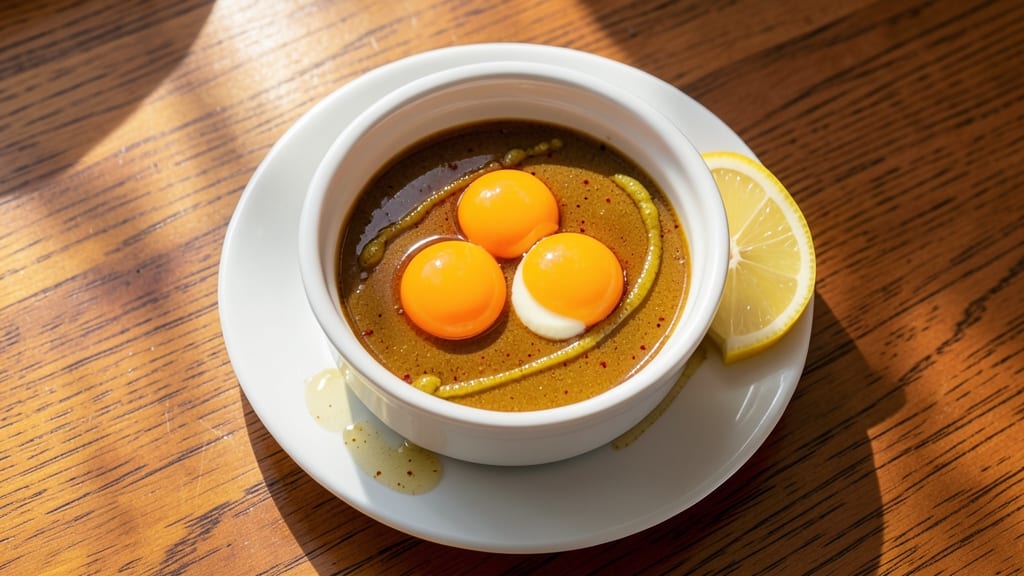
Creating the perfect Benedict sauce recipe starts with understanding the science behind this classic hollandaise—where rich butter meets tangy acid in a velvety emulsion. The key to success lies in precise tempering, where egg yolks and melted butter are gradually combined to prevent curdling.
I've refined this technique over years of testing, ensuring every batch turns out silky smooth and perfectly balanced.
This recipe delivers restaurant-quality hollandaise without the stress of traditional methods. Using simple ingredients like egg yolks, butter, and lemon juice, you'll achieve a sauce that's rich, creamy, and perfectly stable. The secret?
A slow, controlled process where heat is managed carefully to avoid breaking the emulsion. With just 10 minutes of active work, you'll have a sauce that elevates eggs Benedict to new heights.
What sets this hollandaise apart is its versatility—use it on toasted English muffins, as a drizzle for asparagus, or even as a finishing touch for seafood dishes. The tangy lemon brightens the richness of the butter, while the Dijon mustard (optional) adds depth.
Unlike store-bought versions, this sauce stays fresh for up to 3 days in the fridge, reheated gently over a double boiler.
Whether you're hosting brunch or treating yourself to a classic breakfast, this hollandaise recipe is a game-changer. The method is foolproof, and the results are consistently perfect—no lumps, no separation, just silky smooth sauce every time. Let's get started on mastering this timeless condiment.
Ingredients for benedict sauce
Mastering hollandaise begins with these eight essential ingredients—each playing a critical role in creating a flawless emulsion.
| Ingredient | Amount | Notes |
|---|---|---|
| Large Egg Yolks 🥚 | 4 whole | Fresh, room-temperature preferred |
| Unsalted Butter 🧈 | 1 cup | European-style, 82% fat content |
| Fresh Lemon Juice 🍋 | 2 tbsp | From organic lemons, no pulp |
| Diamond Crystal Kosher Salt 🧂 | ¼ tsp | Fine grain, for seasoning |
| White Wine Vinegar 🍷 | 1 tsp | Dry, for acid balance |
| Dijon Mustard 🌶️ | ½ tsp | High-quality, for depth |
| Cayenne Pepper 🔥 | ⅛ tsp | Adjust for heat preference |
| Water 💧 | 2 tbsp | For thinning if needed |
The butter selection is non-negotiable for professional results. European-style unsalted butter with 82% fat content creates the richest, most stable emulsion—Plugrá or Kerrygold are my go-tos. Store it properly: wrapped in parchment paper, it stays fresh for up to 6 months in the fridge. Fresh egg yolks are equally crucial; they should be vibrant orange and free of any grayish tinge. For the acid component, organic lemons yield brighter flavor—avoid those with dull skins. The kosher salt should be Diamond Crystal for precise seasoning control, not the larger flake varieties.
No European butter? High-fat American unsalted butter works in a pinch, though it may separate slightly faster. Substituting lemon juice for vinegar? White wine vinegar at half the amount mimics the tang without overpowering. Dijon mustard is optional but recommended—Maille or Colman's add subtle complexity. For heat-sensitive cooks, reduce cayenne to one-eighth teaspoon or omit entirely. The water acts as an insurance policy: keep it chilled to temper the emulsion if needed. Always use room-temperature ingredients; cold yolks or butter will destabilize the sauce.
This hollandaise must be used within 3 days for optimal texture. Store it in an airtight container with plastic wrap pressed directly onto the surface to prevent a skin from forming. Reheat gently over a double boiler, stirring constantly until just warm—never boil, or the emulsion will break. For longer storage, portion into ice cube trays and freeze; thaw overnight in the fridge. The sauce can be reheated once after freezing, though texture may slightly degrade. Always reheat to 160°F to ensure food safety.
Why You'll Love This Recipe
- Five-Ingredient Magic: I swear by this—just yolks, butter, lemon, vinegar, and salt. That’s it. No standing over the stove for hours, no fancy gadgets, just a whisk and a pan. Honestly, the hardest part is remembering to take the pan off the heat before it seizes.
- Tangy Luxury: The vinegar and lemon cut through the richness of the butter like a bright summer breeze. It’s not sweet, not heavy—just that perfect balance of sharp and creamy that makes every bite feel special. (Yes, even on a Tuesday night.)
- Brunch Star: This sauce turns eggs Benedict into a showstopper, but it’s also my go-to for poached eggs on toast or drizzled over grilled fish. Honestly, I’ve even used it as a dressing for salads when I’m in a hurry. Versatile doesn’t even begin to cover it.
- Make-Ahead Secret: I double the batch and store it in the fridge for up to a week—just stir in a splash of warm water to loosen before using. Between us, this is my secret weapon for lazy mornings when I’m scrambling (literally) to get out the door. No stress, all flavor.
Step-by-step instructions for Benedict sauce recipe
Mastering hollandaise requires precision—this method delivers flawless, velvety emulsion every time.
Prepare the Egg Yolks and Seasoning Base
In a heatproof bowl, combine the 4 whole large egg yolks, 0.25 teaspoon diamond crystal kosher salt, 0.5 teaspoon dijon mustard, and 0.125 teaspoon cayenne pepper. Whisk vigorously until the mixture becomes pale and slightly thickened—this ensures proper emulsification later. Here's the thing: room-temperature yolks blend more smoothly, so if yours are cold, let them sit at room temperature for 10 minutes before proceeding.
Add the 1 teaspoon white wine vinegar and 2 tablespoons fresh lemon juice to the yolk mixture. Whisk again until fully incorporated. The acidity from these ingredients is crucial—it stabilizes the emulsion and prevents curdling. Set the bowl aside over a saucepan of simmering water, ensuring the bottom of the bowl doesn't touch the water directly. This indirect heat method is gentler than direct cooking and gives you better control over temperature.
Melt the Butter Gradually for Emulsification
Cut the 1 cup unsalted butter into small cubes for even melting. Begin melting the butter in a separate small saucepan over low heat, stirring constantly until it reaches 160°F—this is the ideal temperature for successful emulsification. Too hot, and the sauce will break; too cool, and it won't blend properly. You'll know it's ready when the butter is fully liquid but not bubbling vigorously.
Once the butter reaches 160°F, remove it from heat and immediately begin whisking it into the yolk mixture in a slow, steady stream. Start with 2 tablespoons at a time, whisking vigorously after each addition until the mixture begins to thicken. This gradual incorporation is critical—adding butter too quickly will cause the sauce to separate. The goal is a smooth, creamy consistency that coats the back of a spoon. If the sauce looks too thick, add 1 tablespoon water at a time to thin it to your desired consistency.
Cook the Sauce to Perfect Consistency
Return the bowl to the saucepan of simmering water, ensuring the bottom doesn't touch the water. Continue whisking constantly over low heat until the sauce reaches 165°F and thickens to a glossy, ribbon-like consistency. You'll notice the sauce will go through a brief curdling phase—this is normal. If it happens, immediately remove the bowl from heat and whisk vigorously until it smooths out. This step is where patience pays off; rushing will result in a broken sauce.
Taste the sauce and adjust seasoning if needed. The dijon mustard and cayenne pepper should add depth, while the lemon juice and white wine vinegar provide bright acidity. The sauce should be rich, slightly tangy, and perfectly balanced. If it's too thick, whisk in the remaining 1 tablespoon water to achieve the ideal pourable consistency. Serve immediately over poached eggs and toasted English muffins for the classic Eggs Benedict experience.
Pro Tips For Making Benedict Sauce
- Whisk Over Heat: Start the butter and vinegar on medium-low, then gradually raise the heat to a gentle simmer—never a full boil. I learned this the hard way when my sauce curdled into scrambled eggs; you want the yolks to temper slowly, not shock into rubbery chunks.
- Strain the Vinegar: Use a fine-mesh sieve to strain your white wine vinegar before adding it to the butter. Sediment from cheap vinegar turns your sauce cloudy, and nobody wants a murky hollandaise. Takes 10 seconds but makes a real difference.
- Salt the Yolks First: Mix the kosher salt directly into the egg yolks before whisking them into the warm butter. This way, the salt dissolves evenly instead of clumping at the bottom of your sauce—no one likes finding a salty surprise at the last second.
- Use Cold Butter: Pull the unsalted butter from the fridge 10 minutes before starting—soft enough to melt easily, but not so warm it melts too fast. Room-temperature butter turns your sauce into a greasy mess instead of a silky emulsion. Trust me, this is the thing that matters most.
Flavor customization for these flavors
Classic Tangy Twist
Swap the traditional lemon juice for white wine vinegar at a 1:1 ratio to intensify the sauce's acidity while adding subtle complexity. I find dry sherry vinegar (like Balsamic Vinegars of Modena) elevates the flavor profile further—it brings nutty undertones that pair beautifully with poached eggs.
For a brighter finish, add 1 teaspoon fresh tarragon leaves (finely chopped) to the yolk mixture before tempering. 💫
Herb-Infused Variations
Fresh herbs transform hollandaise into a gourmet condiment. For a savory version, stir in 1 tablespoon chopped chives or chervil after cooking. For a bold twist, add ½ teaspoon smoked paprika and 1 tablespoon chopped parsley—this works brilliantly with smoked salmon or grilled vegetables.
I also love a garlic-infused hollandaise: sauté 1 minced garlic clove in 1 tablespoon butter until fragrant, then whisk it into the warm sauce.
Spicy Heat Levels
Adjust cayenne to taste, but for precise heat control, use these ratios: ¼ teaspoon for mild, ½ teaspoon for medium, or ¾ teaspoon for fiery. For a smoky kick, replace cayenne with ¼ teaspoon chipotle powder (adjust to ½ teaspoon for bold heat).
I’ve also had success with 1 teaspoon hot honey (like Madhava Honey from Sri Lanka) stirred in at the end—it balances the richness with a caramelized sweetness.
Creamy Upgrades
Add depth with 1 tablespoon crème fraîche or sour cream to the finished sauce for a lighter texture. For a luxurious touch, fold in 1 tablespoon mascarpone cheese after removing from heat.
If you prefer a vegan option, replace yolks with ¼ cup aquafaba (chilled) and use vegan butter (like Miyoko’s)—the sauce will be slightly thinner but equally rich. 🌱
Sweet Contrasts
Balance the richness with unexpected sweetness. Drizzle 1 teaspoon honey or maple syrup into the warm sauce and whisk until smooth. For a citrusy twist, add 1 teaspoon orange zest to the yolk mixture before tempering.
My go-to is a berry reduction: simmer ¼ cup mixed berries (like raspberries or blackberries) with 1 tablespoon sugar until thickened, then whisk into the finished sauce. This works beautifully with grilled peaches or pancakes.
Global Flavors
Give your hollandaise an international flair. For a French bistro touch, add ½ teaspoon dried tarragon and a pinch of fleur de sel. A Spanish-inspired version incorporates ½ teaspoon smoked paprika and 1 teaspoon sherry.
For a Japanese twist, stir in ½ teaspoon mirin and ¼ teaspoon grated ginger—this pairs perfectly with sushi or miso-glazed fish. 🌍
Nutrition facts
Frequently asked questions
Why does my hollandaise sauce sometimes curdle?
Curdling happens when the sauce gets too hot or butter is added too quickly. The key is tempering—always whisk in melted butter gradually at 160°F while maintaining constant motion. If curdling occurs, immediately remove from heat and whisk vigorously until smooth. Using room-temperature yolks also helps prevent separation.
Can I make hollandaise without eggs?
Yes! For a vegan version, replace yolks with ¼ cup chilled aquafaba (chickpea brine) and use vegan butter. The texture will be slightly lighter but still creamy. For a dairy-free option, try blending ½ cup silken tofu with ¼ cup melted vegan butter and 1 tablespoon lemon juice until smooth.
How do I fix a broken hollandaise sauce?
If your sauce separates, don't panic! In a clean bowl, whisk 1 extra egg yolk with 1 tablespoon water until pale. Slowly drizzle in the broken sauce while whisking constantly. If that fails, try adding 1 tablespoon warm water to the broken sauce and whisking vigorously—this often re-emulsifies it. The key is patience and steady motion.
What's the best way to reheat leftover hollandaise?
Always reheat over a double boiler (bowl over simmering water) to prevent curdling. Keep the heat low and whisk constantly until just warm (160°F). Never microwave—it causes uneven heating and separation. For extra insurance, add 1 teaspoon water per cup of sauce before reheating to help stabilize the emulsion.
Can I make hollandaise ahead of time?
Fresh hollandaise is best used immediately, but you can prep components ahead: whisk yolks with seasonings and store in the fridge for 1 day. For longer storage, make a stabilized version by adding 1 tablespoon cornstarch to the yolk mixture before tempering. This version reheats better and keeps for 3 days refrigerated or 1 month frozen in ice cube trays.