
Sauces & Condiments
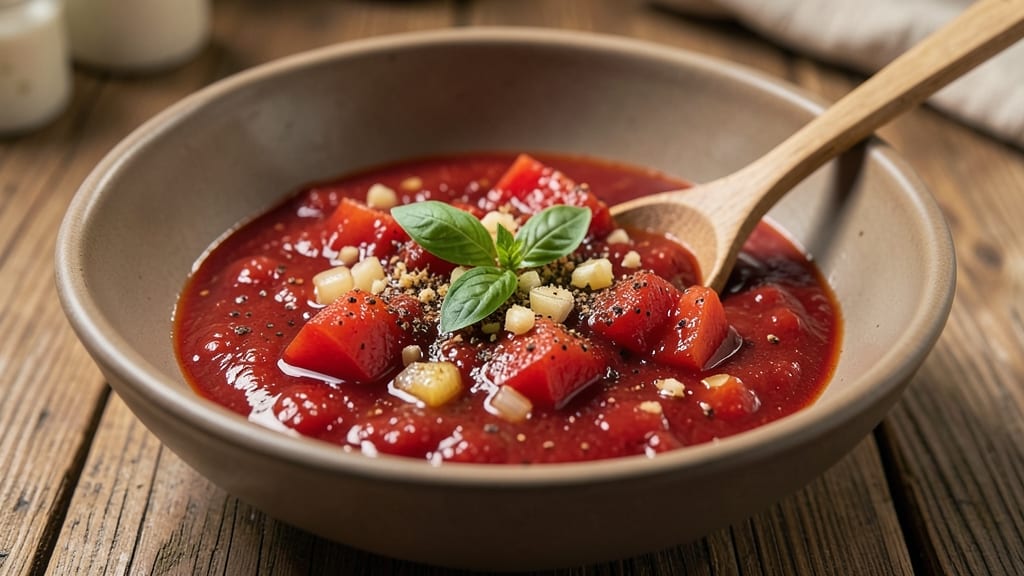
This beefsteak tomato sauce recipe transforms simple ingredients into a rich, smoky masterpiece that elevates any steak dinner. The secret lies in slow-cooked garlic and onions, which build deep, caramelized flavor before blending with ripe tomatoes and fresh basil.
What starts as a humble sauce becomes a velvety, aromatic condiment that clings perfectly to grilled beefsteak, turning a simple meal into something memorable.
Unlike quick sauces that rely on canned tomatoes, this recipe begins with fresh, high-quality tomatoes—either vine-ripened or sun-dried—for concentrated sweetness and acidity. Aromatics like garlic, onion, and a touch of smoked paprika infuse the sauce with layers of complexity, while a splash of red wine adds brightness and depth.
The result is a sauce that’s bold enough to stand alone but delicate enough to enhance the natural richness of beefsteak.
Simmering the sauce for 20 minutes allows flavors to meld, while blending creates a smooth, velvety texture that coats every bite. The sauce thickens naturally as it cooks, ensuring it clings beautifully to meat without being overly heavy.
Best of all, it keeps well in the refrigerator for up to 5 days, making it perfect for meal prep or gifting to fellow steak lovers.
Whether you’re serving it over grilled beefsteak, pasta, or even as a dipping sauce for crusty bread, this recipe delivers restaurant-quality results with minimal effort. The smoky garlic notes and bright tomato acidity create a perfect balance, making it a versatile addition to any meal. Let’s get cooking!
Ingredients for beefsteak tomato sauce
Fresh tomatoes, smoky paprika, and bold red wine create this velvety sauce masterpiece.
| Ingredient | Amount | Notes |
|---|---|---|
| Fresh Garlic Cloves 🧄 | 6 cloves | Minced for deep flavor infusion |
| Yellow Onion 🧅 | 1 whole | Diced into small, even pieces |
| Extra-Virgin Olive Oil 🫒 | ½ cup | High-quality, fruity variety |
| Fresh Vine-Ripened Tomatoes 🍅 | 2 lbs | Ripe, juicy, and seedless preferred |
| Smoked Paprika 🌶️ | 1 tbsp | For authentic smoky depth |
| Dry Red Wine 🍷 | ½ cup | Bold Cabernet Sauvignon or Merlot |
| Fresh Basil Leaves 🌿 | ½ cup | Packed, stems removed |
| Kosher Salt 🧂 | 1 ½ tsp | Diamond Crystal preferred |
| Freshly Ground Black Pepper 🌶️ | ½ tsp | For subtle heat balance |
| Balsamic Vinegar 🍶 | 1 tbsp | For bright acidity finish |
The tomatoes are the heart of this sauce—vine-ripened or sun-dried deliver the most concentrated sweetness. Local farmers markets often have the best selection, but if you're shopping at Whole Foods, look for heirloom varieties. Garlic and onion should be freshly minced (not pre-chopped) for maximum flavor development. The smoked paprika is non-negotiable—it's what gives this sauce its signature depth. I always grab mine from Penzeys for that authentic smoky punch. For the red wine, anything bold like Cabernet Sauvignon or Merlot works perfectly—just make sure it's dry, not sweet.
No fresh tomatoes? San Marzano canned tomatoes are your next best option—they're sweeter and less acidic than most brands. Short on garlic? Garlic powder at half the amount works in a pinch, but fresh is truly better. The balsamic vinegar can be swapped for red wine vinegar if you're out, though it won't have quite the same depth. For a richer sauce, add 1 tbsp tomato paste to the simmering aromatics. And if you're feeling adventurous, a pinch of red pepper flakes adds just the right amount of heat without overpowering the delicate tomato flavor.
This sauce tastes even better the next day as the flavors meld together. Store it in an airtight container in the fridge for up to 5 days, or freeze for 3 months in ice cube trays for perfect portions. The sauce thickens as it cools, so if it seems too thick when reheating, just add a splash of water or broth. I always make extra—it's perfect for gifting in small jars. The sauce pairs beautifully with grilled beefsteak, but don't be afraid to use it on pasta, as a marinade, or even as a dipping sauce for crusty bread.
Why You'll Love This Recipe
- No-Chop Nightmare: I swear by this sauce because the onions and garlic barely need attention—just a quick mince, a sizzle in olive oil, and you’re done. The beefsteak tomatoes? Toss them whole into the pot, and let them break down into sweet, jammy perfection while you stir. Honestly, I’ve made this sauce after a 10-hour shift with zero prep stress.
- Smoky-Sweet Magic: That smoked paprika isn’t just a garnish—it’s the secret weapon turning simple tomatoes into something ridiculously good. The charred edges of the beefsteak tomatoes caramelize into a depth you won’t find in store-bought jars, and the garlic? Oh, it blooms into this aromatic punch that makes every bite feel like a hug. Between us, this is the kind of sauce that disappears in one sitting.
- Pasta’s Best Friend: This isn’t just for spaghetti—it’s my go-to for lazy weeknights, potlucks, or even stuffed into grilled cheese sandwiches. (Yes, even on a Tuesday night.) The richness of the olive oil and tomatoes makes it pair perfectly with anything from crusty bread to roasted chicken, and it reheats like a dream. I keep a jar in the fridge for emergencies, and trust me, you will too.
- Budget Win: Fresh tomatoes and onions are cheaper than you think, especially when you’re using them whole. No fancy canned sauces here—just seasonal produce, a pinch of paprika, and time saved by skipping the jarred shortcuts. I’ve fed four people for under $10 with this, and the leftovers? They’re even better the next day, if that’s possible. Practical, flavorful, and kind to my wallet.
Step-by-step instructions for beefsteak tomato sauce
This smoky, garlic-infused sauce builds layer upon layer of flavor—here's how to perfect it every time.
Sauté Aromatics Until Fragrant
Heat the 0.5 cup extra-virgin olive oil in a large, heavy-bottomed pot over medium heat. Add the 1 whole yellow onion, diced into even ¼-inch pieces, and cook for 5-6 minutes until softened and translucent. Stir occasionally to prevent browning.
Here's where the magic begins: Add the 6 cloves minced fresh garlic cloves and 1 tablespoon smoked paprika. Stir constantly for 30-45 seconds—you'll smell that deep, toasty aroma developing. Watch closely; garlic burns quickly. When the garlic turns golden and fragrant, remove the pot from heat for 1 minute to let the smoky flavors meld.
Deglaze and Build the Base
Return the pot to medium heat and pour in the 0.5 cup dry red wine, scraping up any browned bits from the bottom with a wooden spoon. This deglazing step captures all those concentrated flavors you just developed. Let it simmer for 3-4 minutes until reduced by half and slightly thickened.
Now add the 2 lbs fresh vine-ripened tomatoes, crushed by hand (leave some texture for body). Stir in the 1.5 teaspoons kosher salt and 0.5 teaspoon freshly ground black pepper. Bring to a gentle boil, then reduce heat to medium-low and let it simmer uncovered for 15 minutes, stirring occasionally. This initial cooking breaks down the tomatoes' texture and develops their natural sweetness.
Simmer and Infuse Flavors
After 15 minutes, taste the sauce. It should be developing depth but still bright. Add the 1 tablespoon balsamic vinegar and stir well. The acidity will brighten the flavors and cut through any heaviness. Return to a simmer and cook uncovered for another 10-12 minutes, stirring occasionally.
Here's the thing—this sauce needs time to develop its character. The tomatoes will break down further, releasing their juices and creating a velvety texture. You're looking for a sauce that coats the back of a spoon with ease, where the garlic and smoky paprika flavors have fully integrated. If it thickens too much, add 2-3 tablespoons water to reach your desired consistency.
Finish with Fresh Basil
Remove the pot from heat and stir in the 0.5 cup fresh basil leaves, stems removed. Let the sauce sit for 5 minutes—this allows the basil's aromatic oils to infuse without overpowering the dish. Taste again and adjust seasoning if needed; sometimes the tomatoes need a touch more salt or a splash of water for balance.
For the perfect texture, I like to pulse the sauce briefly in a blender or food mill to eliminate any remaining tomato skins while keeping some body. Return it to the pot and simmer for another 2-3 minutes to heat through. This sauce is best served immediately, but it keeps well in the refrigerator for up to 5 days or can be frozen for 3 months—just reheat gently over low heat to preserve its texture.
Pro Tips For Making Beefsteak Tomato Sauce
- Sweat the Onion Slow: I learned this the hard way—rushing the onion in olive oil turns it bitter. Cut it into even ¼-inch slices, cook on medium-low for 8-10 minutes until translucent but not browned. That golden edge comes later when you add garlic, not before.
- Crush Tomatoes by Hand: Skip the blender—crush vine-ripened tomatoes with your fingers or a wooden spoon. The skin and seeds add texture and body to the sauce, and you’ll avoid the watery mess that comes from pureeing. (Yes, even if you’re impatient like me.)
- Add Garlic When It’s Sizzling: The moment onions are soft but not colored, toss in minced garlic over high heat. It should sizzle and turn golden in under 30 seconds—any longer and you’ll get bitter, soapy flavor. Smoked paprika goes in right after.
- Simmer Uncovered for Depth: Let the sauce bubble uncovered for the first 15 minutes. This drives off excess water and concentrates the tomato flavor. Cover only after it thickens, or you’ll end up with a thin, sad sauce. (Your future self will thank you.)
Essential equipment for beefsteak tomato sauce
Heavy-Bottomed Pot
Your sauce starts with a heavy-bottomed pot—I swear by my Le Creuset Dutch oven—because it distributes heat evenly and prevents scorching. A 5-quart capacity is ideal for this recipe, giving you enough room to stir without overflowing.
If you don’t own one, a stainless steel saucepan with a thick base works too. Just avoid thin aluminum pans, which can create hot spots and burn your sauce. 🔥
Immersion Blender
An immersion blender is my secret weapon for achieving that silky texture without transferring hot sauce to a separate blender. The Ninja Foodi Multi-Cooker or Cuisinart Stick Blender both work perfectly. Pulse the sauce for just 10-15 seconds—longer than that, and you’ll turn it into tomato soup.
The goal is to break down skins and seeds while keeping the body intact. If you don’t have one, a high-speed blender (like a Vitamix) works, but be cautious with hot liquids.
Wooden Spoon
A wooden spoon is non-negotiable for stirring this sauce. Unlike metal, wood won’t scratch your pot or react with the acidity of the tomatoes. I recommend a long-handled spoon (like the OXO Good Grips) for easy stirring, especially when the sauce is simmering.
Wood also helps scrape up those flavorful browned bits from the bottom of the pot, which are packed with depth. Pro tip: Soak your wooden spoon in hot, soapy water after use to prevent warping.
Fine-Mesh Strainer
If you prefer a smoother sauce, a fine-mesh strainer (like the Heston Blumenthal Strainer) lets you remove seeds and skins without losing too much body. Line it with a cheesecloth for an even finer texture.
I use this when I’m feeling fancy or when serving the sauce over delicate dishes like grilled fish. For a quicker method, just skim off the foam and skins with a spoon as they rise to the surface during simmering.
Measuring Spoons
Precision matters with spices and acids, so grab your stainless steel measuring spoons for the smoked paprika, balsamic vinegar, and kosher salt.
A set like the OXO Good Grips makes it easy to measure the exact 1 tbsp smoked paprika or 1 tbsp balsamic vinegar without overdoing it. These small adjustments can make the difference between a good sauce and a great one. Trust me, your taste buds will notice!
Cheesecloth or Coffee Filter
For an ultra-smooth finish, strain the sauce through a cheesecloth or coffee filter after blending. This removes any remaining bits of basil stems or tomato seeds, giving you a velvety consistency.
I like to fold the cheesecloth into a square and place it over a bowl, then gently pour the sauce through. It’s a little extra effort, but the result is worth it—especially when you’re serving the sauce over a perfectly grilled steak. 💫
Nutrition facts
Frequently asked questions
Can I substitute canned tomatoes for fresh in this recipe?
Yes, but choose high-quality San Marzano canned tomatoes for the best results. They're sweeter and less acidic than most brands, which helps maintain the sauce's balance. Use 2 (28-oz) cans instead of fresh tomatoes, crushed by hand, and reduce the simmering time by 5 minutes since canned tomatoes are already broken down. For extra richness, stir in 1 tbsp tomato paste with the aromatics.
How do I prevent the sauce from becoming too acidic?
The balsamic vinegar and red wine add acidity, but you can balance it by adjusting sweetness. Add 1 tsp sugar or 1 tbsp honey during the final 5 minutes of simmering if needed. Alternatively, reduce the balsamic to ½ tbsp if your tomatoes are particularly tart. Taste as you go—this sauce should finish with a bright, balanced acidity, not sourness.
Can I make this sauce ahead of time?
This sauce tastes even better the next day as flavors meld. Store it in an airtight container in the fridge for up to 5 days. For longer storage, freeze in ice cube trays for perfect portions or in a single container for 3 months. Thaw overnight in the fridge and reheat gently over low heat—stirring occasionally—to preserve its velvety texture.
What’s the best way to adjust the consistency?
If the sauce is too thick, stir in 1-2 tbsp water or broth while reheating. For a thicker sauce, simmer uncovered for an extra 5-10 minutes to evaporate excess liquid. The ideal consistency should coat the back of a spoon but still be pourable. Pro tip: The sauce naturally thickens as it cools, so err on the slightly thinner side when hot.
Can I use this sauce for other dishes besides beefsteak?
This versatile sauce works beautifully on grilled chicken, pasta, or even as a dip for crusty bread. For pasta, simmer the sauce with ½ cup pasta water to loosen it slightly. The smoky garlic notes also pair well with lamb chops or mushroom risotto. Just avoid pairing it with overly sweet dishes—its bold flavors need room to shine.