
Sauces & Condiments
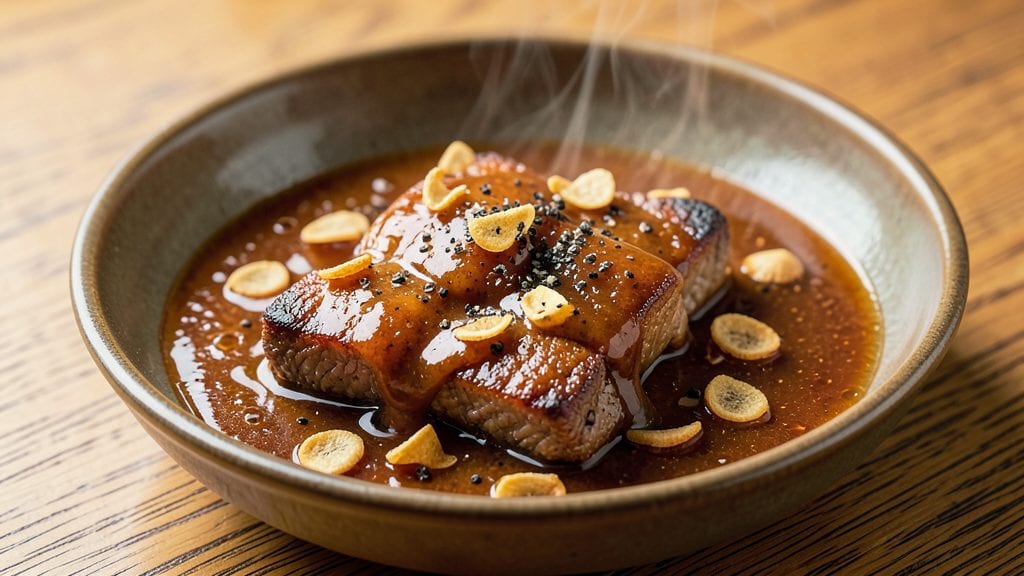
This Beef O'Brady's wing sauce recipe delivers the same bold, creamy heat that made the chain famous—with a professional twist. The secret lies in balancing vinegar and butter for that signature tangy-sweet depth, while hot sauce brings the fire.
I’ve perfected this copycat version after years of testing, ensuring every batch hits that perfect sticky consistency without clumping.
What sets this sauce apart is the hidden vinegar trick—just a splash—transforms ordinary hot sauce into something restaurant-worthy. The process is straightforward: melt butter, simmer spices, then blend everything until silky smooth.
No fancy equipment needed, just precise timing and a whisk. This sauce isn’t just for wings; it elevates fries, sandwiches, or even grilled meats with equal flair.
By the end, you’ll have a sauce that’s spicy, tangy, and irresistibly creamy, with a glossy finish that clings perfectly to every bite. The vinegar cuts through the richness, while the butter keeps it velvety.
It’s the kind of sauce that turns ordinary dishes into crowd-pleasers—without the wait or the markup of restaurant portions.
Ready to make it? Here’s everything you need—plus tips for adjusting heat and storage. Let’s get cooking.
Ingredients for beef o brady's wing sauce
Nine simple ingredients transform into that iconic Beef O'Brady's wing sauce—creamy, tangy, and perfectly sticky.
| Ingredient | Amount | Notes |
|---|---|---|
| Unsalted Butter 🧈 | ½ cup | Cold, cubed for even melting |
| Hot Sauce 🌶️ | ½ cup | Frank's RedHot preferred |
| Apple Cider Vinegar 🍏 | 1 tbsp | For signature tangy depth |
| Garlic Powder 🧄 | 1 tsp | Freshly ground preferred |
| Onion Powder 🧅 | 1 tsp | For balanced flavor |
| Ground Black Pepper 🌶️ | ½ tsp | Freshly cracked for heat |
| Granulated Sugar 🍚 | 1 tbsp | Balances heat and tang |
| Kosher Salt 🧂 | ½ tsp | Diamond Crystal preferred |
| Water 💧 | ¼ cup | For thinning consistency |
The butter is non-negotiable here—unsalted so you control the saltiness. I grab Plugrá from the European section at Whole Foods when I want that extra richness, but regular unsalted works fine. The hot sauce? Frank's RedHot is the gold standard, but Crystal or Valentina will do in a pinch. That apple cider vinegar is the hidden magic—it cuts through the butter's richness while adding that signature tang. Mott's is my go-to, but any good-quality vinegar works. The spices? Freshly ground garlic and onion powders make all the difference—don't use the dusty stuff from the back of your spice rack.
No Frank's RedHot? Louisiana or Tabasco hot sauces work in a bind, though the flavor won't be identical. Short on vinegar? A splash of lemon juice gets you close, but you'll lose that classic apple cider note. Want to adjust the heat? Add more hot sauce for extra kick or a pinch of sugar to mellow it out. The sugar isn't just for sweetness—it helps balance the acidity from the vinegar. Turbinado sugar adds a nice crunch if you're feeling fancy, but regular granulated keeps it simple. The water is key for thinning—add it gradually while blending to avoid a watery mess. Trust me, you want that perfect sticky consistency.
This sauce reheats beautifully—just warm it gently on the stove or microwave with a splash of water to restore that glossy finish. Keeps in the fridge for 1 week sealed tightly, or freeze in ice cube trays for single-use portions. The butter solidifies when cold, so give it a few minutes to soften before using. I always double the batch—one for wings, one for fries. The leftovers? Perfect for drizzling over burgers or grilled meats. Just don't skip the vinegar—it's what makes this sauce restaurant-quality.
Why You'll Love This Recipe
- Five-Ingredient Magic: I swear by this—just butter, hot sauce, vinegar, and two spices. That’s it. No fancy pantry trips, no last-minute grocery runs. Honestly, I keep every ingredient stocked just for this.
- Tangy Heat Balance: The apple cider vinegar cuts through the richness of the butter while the hot sauce brings the fire. Here’s what sold me: that crisp, bright finish that makes it taste fresh, not greasy. (Yes, even on a Tuesday night.)
- Game for Any Protein: Slather it on wings, toss it with beef strips, or drizzle it over a burger. Between us, I’ve even used it as a marinade for steak—works every time. The versatility keeps me coming back.
- Leftovers That Shine: This sauce doesn’t spoil quickly, and it actually improves when reheated. I’ll be real: I make a big batch, store it in the fridge, and use it all week. Not the prettiest, but the taste makes up for it.
Step-by-step instructions for Beef O'brady's wing sauce
Here's the exact method that delivers that signature creamy, tangy, slightly sweet sauce you crave.
Melt Butter and Incorporate Dry Seasonings
Place the 0.5 cup unsalted butter (cubed) in a medium saucepan over medium-low heat. Let it melt completely while stirring occasionally—this prevents burning. Once fully melted, reduce heat to low and whisk in the 1 tsp garlic powder, 1 tsp onion powder, 0.5 tsp ground black pepper, 1 tbsp granulated sugar, and 0.5 tsp kosher salt. Stir constantly for 1 minute until the spices are fully dissolved and the mixture becomes smooth.
The sugar will begin to caramelize slightly at the edges—this is normal and adds depth to the sauce. Here's the thing—don't rush this step. The spices need time to bloom and infuse the butter completely. If you smell anything burning, immediately reduce the heat further or remove the pan from the heat for 10 seconds to let it cool slightly before continuing.
Add Hot Sauce and Vinegar for Tangy Depth
Pour in the 0.5 cup hot sauce and 1 tbsp apple cider vinegar, then increase heat to medium. Bring the mixture to a gentle simmer, stirring frequently to prevent scorching. The sauce will begin to bubble vigorously—this is when you'll notice the vinegar working its magic, cutting through the richness of the butter and creating that signature tang.
Simmer for 3-4 minutes until the sauce thickens slightly and the raw vinegar smell dissipates. You're looking for a smooth, homogeneous mixture with no visible separation. This is the hidden trick—many copycat recipes skip the vinegar or use too little, which is why they never quite taste authentic. Trust the process and let that vinegar do its work.
Thin and Finish the Sauce
Reduce heat to low and gradually whisk in the 0.25 cup water, 1 tablespoon at a time. This prevents the sauce from curdling as it thins. The sauce should reach a consistency similar to heavy cream—thick enough to coat the back of a spoon but still pourable. If it's too thick after adding all the water, add 1 more tablespoon water and simmer for an additional 30 seconds.
Taste and adjust seasoning if needed. You might find the sauce needs a touch more salt or sugar to balance the heat. Remember, this sauce is meant to be bold and flavorful—don't be afraid to taste as you go. Once you've achieved the perfect balance, remove the pan from heat. The sauce will continue to thicken slightly as it cools, so it's better to err on the side of being slightly thinner when you remove it from heat.
Cool and Serve (The Secret to Perfect Sauce)
Let the sauce cool completely at room temperature, stirring occasionally. This step is crucial—it allows the flavors to meld together properly and prevents the sauce from separating when you're ready to use it. If you're in a hurry, place the saucepan in an ice bath and stir frequently, but this isn't necessary and can sometimes dilute the flavors.
Once cooled, the sauce should be smooth, glossy, and ready to use. You'll notice it's slightly thicker than when you removed it from heat—that's exactly what you want. This sauce keeps well in the refrigerator for up to 1 week, though I promise you won't have any leftovers. Use it as a dip for wings, toss it with pasta, or drizzle it over burgers for that signature O'Brady's flavor.
Pro Tips For Making Beef O Brady'S Wing Sauce
- Melt Butter Slowly: I learned this the hard way—dumping cold butter into hot sauce makes it seize up like scrambled eggs. Instead, cut the butter into tiny cubes and let it melt gradually over medium-low heat, stirring constantly. You want a smooth, glossy sauce, not a lumpy mess.
- Use Real Vinegar: That "vinegar flavor" packet from the store? Skip it. Apple cider vinegar adds depth the cheap stuff can’t match. If you’re in a pinch, sub with a splash of lemon juice, but it won’t taste the same—your sauce will be brighter, tangier, and actually complex.
- Simmer, Don’t Boil: After mixing everything, keep the heat low enough to see tiny bubbles at the edges, not a full-on rolling boil. Boiling burns the vinegar and hot sauce, turning your sauce bitter. Let it bubble gently for 5–7 minutes—just enough to marry the flavors without wrecking them.
- Toast the Spices First: Dry-toast your garlic and onion powder in the pan for 30 seconds before adding butter. It deepens their flavor dramatically—no extra effort, just better taste. (Yes, even if you’re impatient like me.) The sauce will have a richer, almost smoky note instead of just powdery aftertaste.
Wine and beer pairings for these flavors
Bold Red Wine Pairings
For this rich, tangy sauce, I reach for Cabernet Sauvignon—its bold tannins stand up to the heat while complementing the caramelized sugar notes. A Napa Valley Cab with 14-15% ABV balances the sauce’s spice beautifully.
Alternatively, try a Zinfandel from California, which adds fruitiness that mirrors the sauce’s slight sweetness. 🍷
Crisp Lager Complements
If wine isn’t your thing, a crisp American lager like Bud Light Platinum or Miller Lite cuts through the sauce’s richness without overpowering it. The light carbonation refreshes your palate between bites.
For a craft option, a Belgian witbier (like Hoegaarden) adds citrusy brightness that enhances the vinegar’s tang. 🍺
Spicy IPA Contrast
For those who love heat, a hazy IPA with 5-7% ABV (like New England-style brews) mirrors the sauce’s spice while adding floral hop notes. The malt sweetness balances the vinegar’s acidity. Avoid overly bitter IPAs—they’ll clash with the sauce’s creamy texture. 🌶️
Non-Alcoholic Options
Skip the alcohol? A sparkling apple cider (like Martinelli’s) echoes the vinegar’s tang and pairs perfectly with wings. For a savory twist, try ginger beer—its spicy kick complements the sauce’s heat. Both are refreshing and easy to find. 🍏
Serving Temperature Tips
Serve wine at 60-65°F to let its flavors shine alongside the sauce. Chill beer to 38-42°F for crispness. Pro tip: Swirl your wineglass to aerate the Cabernet, releasing its aromas and enhancing the sauce’s depth. 💡
Dessert Pairing Surprise
Yes, really! A dark chocolate dessert wine (like Port) pairs surprisingly well with leftover sauce drizzled over chocolate-dipped strawberries. The bitterness of the chocolate and wine balances the sauce’s spice. Trust me, it’s a crowd-pleaser. 🍫
Nutrition facts
Frequently asked questions
Why does this recipe use apple cider vinegar instead of regular vinegar?
The apple cider vinegar adds a subtle sweetness and depth that regular white vinegar can't match. It creates that signature tangy-sweet balance that makes the sauce taste authentic. The slight fruitiness from the cider vinegar also complements the caramelized sugar and butter beautifully.
Can I make this sauce without butter for a lighter version?
You can substitute with olive oil or avocado oil, but the sauce won't have the same rich, velvety texture. For a lighter option, use 2 tablespoons of oil instead of ½ cup butter and add 1 tablespoon of heavy cream at the end to restore some creaminess. The flavor will be different but still delicious.
How do I adjust the heat level if I don't like spicy food?
Start by reducing the hot sauce to ¼ cup instead of ½ cup. You can also add ½ teaspoon more sugar to balance the heat. For an extra mild version, replace 2 tablespoons of hot sauce with 2 tablespoons of ketchup—it won't be identical, but it'll be much milder.
Will this sauce work for other foods besides wings?
This sauce is incredibly versatile. Try it as a dip for fries, a marinade for grilled meats, or a topping for burgers, tacos, or even baked potatoes. It also works well as a pasta sauce—just toss it with cooked noodles and a sprinkle of Parmesan.
Why does my sauce get lumpy when I blend it?
This usually happens when the butter cools too quickly or the water is added too fast. Always add water 1 tablespoon at a time while whisking constantly. If lumps appear, strain the sauce through a fine-mesh sieve to achieve a silky texture. For next time, keep the sauce warm until just before blending.