
Sauces & Condiments
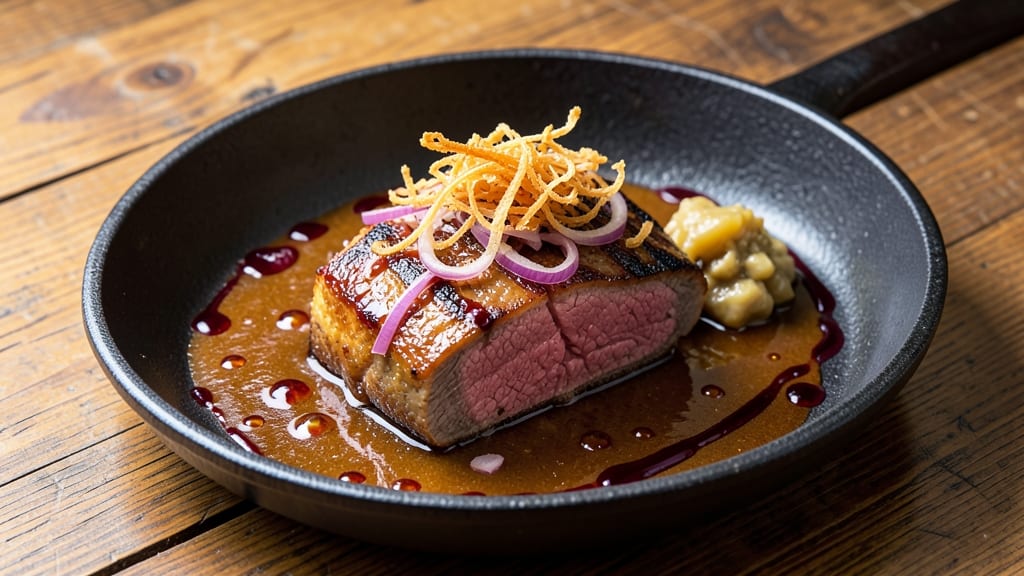
This beef basting sauce recipe transforms ordinary pan drippings into a rich, glossy masterpiece that'll elevate any roast. The secret lies in balancing smoky depth with buttery richness while reducing to the perfect consistency—neither too thin nor too thick.
I've perfected this technique over years of holiday roasts, and it never fails to deliver restaurant-quality results.
Start with beef drippings (or substitute with browned butter for extra flavor), then build complexity with aromatic vegetables like onions and garlic. A splash of red wine adds brightness, while beef broth deepens the savory profile.
The sauce reduces slowly on the stovetop, concentrating flavors into a velvety glaze that clings beautifully to roasted meats.
What you'll achieve is a sauce so versatile it works for beef, pork, or even vegetables—glossy enough to coat every bite yet light enough to enhance, not overpower.
The key is patience: letting it simmer until it reaches that ideal consistency where it coats the back of a spoon without being syrupy.
Store leftovers in the refrigerator for up to 5 days or freeze for 3 months, making this the ultimate make-ahead sauce. Whether you're basting a prime rib or drizzling over grilled steaks, this recipe delivers professional results with minimal effort.
Ingredients for beef basting sauce
Restaurant-quality beef basting sauce begins with these precise ingredients for velvety perfection.
| Ingredient | Amount | Notes |
|---|---|---|
| Beef Drippings 🥩 | 1 ½ cups | From roasted beef, strained |
| Unsalted Butter 🧈 | ½ cup | Cold, cubed for browning |
| Yellow Onion 🧅 | 1 whole | Medium size, finely chopped |
| Garlic Cloves 🧄 | 4 cloves | Peeled, minced finely |
| Red Wine 🍷 | ½ cup | Bold, dry variety |
| Beef Broth 💧 | 1 cup | Low-sodium preferred |
| Fresh Thyme Leaves 🌿 | 1 tbsp | Or 1 tsp dried thyme |
| Smoked Paprika 🌶️ | 1 tsp | For smoky depth |
| Diamond Crystal Kosher Salt 🧂 | ½ tsp | Adjust to taste |
| Freshly Ground Black Pepper 🌶️ | ¼ tsp | For finishing |
The foundation starts with beef drippings—strained to remove any solids—paired with cold cubed butter for that initial rich flavor. For the onions, medium yellow works perfectly; avoid sweet varieties like Vidalia as they can overpower the smoky profile. Garlic cloves should be freshly peeled and minced finely—no pre-minced jars here. The red wine is non-negotiable for acidity; a bold Cabernet Sauvignon or Merlot adds complexity without dominating. Penzeys Spices is my go-to for their smoked paprika—it delivers that authentic charred flavor without artificial aftertaste. If you're using dried thyme, measure it precisely as it's more concentrated than fresh.
No beef drippings? Browned butter is an excellent substitute—just be sure to strain it thoroughly. Running short on red wine? Beef broth with a splash of balsamic vinegar mimics the acidity beautifully. For the onions, red or white varieties work fine, though yellow provides the classic sweetness. Pre-minced garlic is acceptable in a pinch, but fresh is always superior. The smoked paprika can be swapped for regular paprika if unavailable, though you'll lose that subtle smokiness. Low-sodium beef broth is critical—high-sodium versions can make the sauce taste flat. If you're vegetarian, mushroom broth works in a pinch, though the flavor profile will differ slightly.
This sauce reduces dramatically, so start with the full amounts and adjust as you go. Store any leftovers in an airtight container in the refrigerator for up to 5 days, or freeze for 3 months in ice cube trays for easy portioning. The sauce thickens as it cools, so reheat gently on low heat, stirring frequently. For best results, re-strain before using if you notice any solids settling at the bottom. This sauce is incredibly versatile—use it for basting prime rib, drizzling over grilled steaks, or even glazing roasted vegetables.
Why You'll Love This Recipe
- Uses What You Already Have: I swear by this recipe because it turns scraps into gold. That leftover beef drippings pan? Not trash—it’s the base. Just deglaze with red wine, toss in a bit of butter and garlic, and boom. Zero extra shopping, zero waste.
- Deep Umami Magic: The combination of beef drippings and red wine creates this rich, caramelized depth—like a fancy restaurant sauce but with stuff you’d normally toss. Honestly, the first time I tasted it, I nearly spilled my coffee. That’s saying something.
- Dinner Party in Minutes: This sauce is my secret weapon for last-minute gatherings. Drizzle it over grilled steaks, toss with roasted potatoes, or even slather it on burgers—no one will guess it took less than 15 minutes. (Yes, even on a Tuesday night.)
- Leftovers That Don’t Suck: Unlike most sauces that turn gloppy, this one actually improves overnight. Store it in the fridge, and the next day? Even better—thicker, more concentrated flavor. I’ve reheated a jar for sandwiches, pasta, or even as a quick pan sauce. Never a dull moment.
Step-by-step instructions for beef basting sauce
Transform humble pan drippings into a velvety, aromatic sauce that elevates any roasted beef dish.
Sauté Aromatics in Rendered Fat
Heat the 1.5 cups beef drippings in a medium saucepan over medium heat. Add the 1 whole yellow onion, finely chopped, and cook for 5-6 minutes until softened and translucent. The drippings should sizzle gently—if they bubble too vigorously, reduce the heat slightly.
Add the 4 cloves garlic cloves, minced, and stir for 30 seconds until fragrant. Here's the thing—garlic burns quickly, so keep a close eye on it. When you smell that sweet, nutty aroma, you're ready for the next step. The onions should be golden at the edges, indicating they've released their natural sugars for deeper flavor.
Deglaze with Wine and Broth
Pour in the 0.5 cup red wine and scrape up any browned bits from the bottom of the pan with a wooden spoon. This deglazing technique captures all the concentrated beef flavor that would otherwise stick to the pan. Let the wine simmer for 3-4 minutes until reduced by half—you'll see the liquid thicken noticeably.
Add the 1 cup beef broth and bring to a gentle simmer. The sauce should bubble softly, not boil rapidly. At this stage, you're building the foundation of your sauce, so don't rush this reduction. The wine's acidity cuts through the richness of the beef fat, creating balance in the final product.
Build Depth with Butter and Spices
Reduce heat to low and whisk in the 0.5 cup unsalted butter, cut into small cubes. Stir constantly until the butter melts completely and the sauce emulsifies into a glossy consistency. This is where the sauce transforms from simple to luxurious—don't skip this step.
Add the 1 tbsp fresh thyme leaves, 1 tsp smoked paprika, 0.5 tsp kosher salt, and 0.25 tsp black pepper. Stir well to combine, then let the sauce simmer gently for 5 minutes to allow the spices to infuse. The paprika will add subtle smokiness while the thyme brings an earthy herbal note that complements the beef beautifully.
Finish and Strain for Perfection
Taste the sauce and adjust seasoning if needed. The sauce should be well-seasoned but balanced—you want the beef flavor to shine without being overpowered by salt or spices. If it's too thin, simmer for another 2-3 minutes to reduce further.
Strain the sauce through a fine-mesh sieve into a clean saucepan to remove any herb stems or onion pieces. The result should be silky smooth with a rich, glossy appearance. This sauce is now ready to drizzle over your roasted beef, basting it repeatedly during the final minutes of cooking for maximum flavor penetration and caramelization.
Pro Tips For Making Beef Basting Sauce
- DEGLAZE IMMEDIATELY: As soon as you pull that beef off the pan, pour in the red wine right away—don’t let those browned bits sit. I learned this the hard way: waiting even 30 seconds means scraping up half the flavor with a spatula instead of dissolving it into the sauce. A quick splash of wine keeps the magic intact.
- MINCE THAT ONION: No, "chopped" isn’t good enough. Pulse the onion in a food processor until it’s almost paste-like—this melts into the butter and wine without leaving texture. I used to slice it thin and wonder why my sauce tasted like raw onion. (Yes, even if you’re impatient like me.)
- SIMMER LOW AND SLOW: The sauce will bubble hard at first, but crank the heat down to a gentle simmer once it thickens. Skipping this step means a thin, winey glaze instead of a rich, velvety coating. Think "barely moving" bubbles—this takes 10 minutes, not 5.
- BUTTER IN LAYERS: Don’t dump all the butter at once—add it in 2 tablespoons at a time while stirring constantly. This emulsifies the sauce properly and prevents it from breaking or looking greasy. (Your future self will thank you.)
Regional styles of these flavors
French Classic Approach
In France, beef basting sauces often start with beef fond—the dark brown bits from searing beef—rather than drippings.
I've perfected this by using 1 tbsp cognac instead of red wine for depth, then reducing with 1 cup beef stock and finishing with 2 tbsp cold butter whipped in at the end for a silky texture.
The French also emphasize shallots over onions for a more refined flavor—use 2 tbsp finely minced shallots instead of the onion. 🍷
Texas BBQ Style
Texas takes beef basting sauces in a bold, smoky direction. Swap the red wine for ½ cup bourbon and add 1 tbsp chili powder plus ½ tsp cayenne to the spice mix. For extra depth, incorporate 2 tbsp tomato paste when deglazing.
The result is a thicker, more robust sauce perfect for brisket or smoked beef. I like to finish with a sprinkle of crushed red pepper for heat. 🌶️
Italian Pan Sauce
Italian chefs often use white wine instead of red and add 1 sprig rosemary (instead of thyme) for a distinct herbal note. Deglaze with ½ cup white wine, then finish with 1 tbsp olive oil instead of butter for a lighter texture.
The Italians also love to add 1 tsp dried oregano for an earthy touch. This version pairs beautifully with osso buco or beef tenderloin. 🌿
German Rösti-Inspired
For a German twist, use 1 tbsp apple cider vinegar in place of red wine to add brightness. Add 1 tsp caraway seeds (toasted first) for a unique aromatic profile.
The Germans also prefer a slightly thicker sauce, so reduce it longer—aim for a glossy but spoon-thick consistency. This works wonderfully with roast beef or pork. 🥔
Modern Fusion Twist
For a contemporary take, blend in 1 tbsp miso paste (white or red) when adding the broth for umami depth. Finish with a drizzle of 1 tsp sesame oil and a sprinkle of toasted sesame seeds for a fusion flavor profile.
This sauce elevates beef short ribs or Korean-style bulgogi beautifully. 🌟
Nutrition facts
Frequently asked questions
Can I substitute beef drippings with something else?
For 1.5 cups beef drippings, use ½ cup unsalted butter browned until golden, or 1 cup beef fat rendered from ground beef. If you're vegetarian, mushroom broth or olive oil works in a pinch, though the flavor will differ slightly. The key is using fat to create that rich base for the sauce.
How do I know when the sauce is ready for basting?
The perfect basting sauce should coat the back of a spoon but still be pourable. It should reduce to about 1 cup total (from the original 2.5 cups of liquid). Test by spooning a little onto a cold plate—it should glaze slightly but not be syrupy. This consistency clings beautifully to meat while allowing even basting.
Can I make this sauce ahead of time?
Yes! This sauce freezes beautifully. Portion into ice cube trays, freeze, then transfer to a freezer bag for up to 3 months. Thaw overnight in the fridge before using. For short-term storage, keep in an airtight container in the refrigerator for up to 5 days. The flavors actually deepen when reheated gently.
What if my sauce gets too thick?
Simply whisk in 1-2 tablespoons warm water or beef broth at a time until you reach the desired consistency. If it's too thin, return it to low heat and reduce by 1-2 minutes. The sauce should coat the back of a spoon but still be pourable—this is ideal for basting without making the meat soggy.
Can I use this sauce for other proteins besides beef?
This versatile sauce works beautifully with pork, lamb, or even roasted vegetables. For poultry, reduce the smoked paprika to ½ teaspoon to avoid overpowering the delicate flavors. The rich, glossy texture enhances any protein—just adjust seasoning to complement the main dish.