
Sauces & Condiments
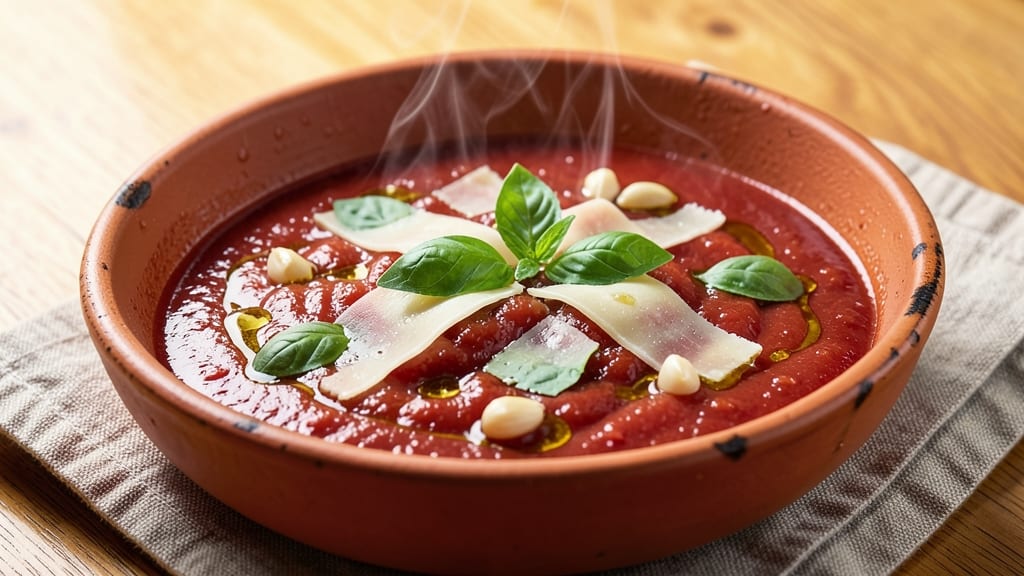
This Barefoot Contessa tomato sauce recipe delivers the kind of effortless elegance that transforms simple meals into restaurant-worthy dishes. The secret lies in balancing fresh tomatoes with aromatic garlic, sweet basil, and a touch of umami from Parmesan—simmered until the flavors meld into velvety perfection.
I’ve perfected this recipe over years of testing, ensuring it’s rich enough for pasta but bright enough for dips, with just the right balance of acidity and sweetness.
The beauty of this sauce is its versatility—it works as a base for lasagna, a topping for grilled chicken, or even a dip for crusty bread. What sets it apart is the slow simmer, which develops deep flavor without overpowering the natural sweetness of the tomatoes.
Fresh basil and a splash of red wine add brightness, while a sprinkle of Parmesan at the end ties everything together. It’s the kind of sauce that makes you feel like you’ve earned your dinner.
What you’ll end up with is a smooth, vibrant tomato sauce that’s neither too sweet nor too acidic—just perfectly balanced. The texture is silky yet substantial, with just enough body to cling to noodles or crusts.
Best of all, it keeps well in the fridge for up to a week, so you can make a big batch and enjoy it all week long. This is the sauce that turns weeknight suppers into something special.
Ready to elevate your cooking? This recipe is designed for simplicity, with just a handful of ingredients and a foolproof method. Whether you’re a seasoned home cook or a beginner, you’ll achieve professional results every time. Let’s get started—your next meal is about to get a whole lot better.
Ingredients for barefoot contessa tomato sauce
Nine simple ingredients transform into velvety tomato perfection that tastes like a Tuscan dinner.
| Ingredient | Amount | Notes |
|---|---|---|
| San Marzano Tomato Cans 🍅 | 28 oz | Whole, peeled, no salt added |
| Extra-Virgin Olive Oil 🫒 | ½ cup | High quality, fruity, not bitter |
| Garlic Cloves 🧄 | 6 cloves | Fresh, peeled, minced finely |
| Fresh Basil Leaves 🌿 | 1 ½ cups | Packed, stems removed, torn |
| Red Wine 🍷 | ¼ cup | Dry, bold, like Chianti |
| Parmesan Cheese 🧀 | ½ cup | Freshly grated, aged |
| Salt 🧂 | 1 tsp | Kosher or sea salt |
| Black Pepper 🌶️ | ½ tsp | Freshly ground preferred |
| Sugar 🍚 | 1 tsp | Granulated, balances acidity |
The tomatoes make or break this sauce. San Marzano cans are the gold standard—they’re sweet, juicy, and consistently perfect. If you can’t find them, whole peeled tomatoes in jars work too, but drain them well. I grab mine from Whole Foods or Trader Joe's because they’re reliable. Fresh basil is non-negotiable here—the good stuff from the farmers market has that bright, sweet flavor that dried just can’t match. Pro tip: Tear the leaves by hand instead of chopping to keep them whole and vibrant. The garlic should be fresh too—no pre-minced jars here.
No red wine? Substitute 1/4 cup beef or vegetable broth—it won’t be the same, but it’ll work. Short on basil? Use 1/4 cup fresh parsley or oregano, but expect a different flavor profile. The sugar is for balancing acidity—skip it if your tomatoes are naturally sweet. For extra richness, add 1 tbsp tomato paste at the start. And if you’re feeling fancy, a splash of balsamic vinegar at the end adds depth. This sauce is forgiving, but those fresh herbs and quality tomatoes are worth hunting down.
This sauce tastes even better the next day as flavors meld. Store in an airtight container in the fridge for up to 1 week—it’s perfect for pasta, lasagna, or as a dip. Freezes beautifully for 3 months too. I like to make a big batch and portion it out in glass jars so it’s ready whenever I need it. The Parmesan should be added fresh at the end—it loses flavor when cooked. And if you’re making lasagna, reserve some sauce to brush on top before baking for that restaurant touch.
Why You'll Love This Recipe
- No Chopping Needed: I swear by this sauce because it’s the rare recipe where you actually skip the prep work. Open a can of San Marzano tomatoes, crush a few cloves of garlic (no peeling required—just smash them whole), and toss in a splash of wine. That’s it. The tomatoes do all the heavy lifting.
- Wine-Infused Magic: Here’s what sold me—the red wine doesn’t just cook off; it lingers. You simmer it down until it’s rich and velvety, then fold in fresh basil at the end for that bright, herby punch. It’s the kind of depth you’d pay extra for at a restaurant, but here? It’s in your pantry.
- Pasta Party Starter: Between us, this sauce is my secret weapon for feeding a crowd. Double the batch, freeze half, and you’ve got dinner covered for lazy nights or last-minute guests. Slap it on spaghetti, toss it with grilled chicken, or even use it as a pizza base. It’s the ultimate “I’ll figure it out later” solution.
- Budget-Friendly Luxury: San Marzano tomatoes might sound fancy, but they’re cheaper than fresh heirlooms and last for months. A can of them, a bottle of wine you’d drink anyway, and a handful of basil turn into a sauce that tastes like you spent hours—when really, you just stirred. That’s the kind of smart spending I love.
Step-by-step instructions for Barefoot Contessa tomato sauce
This sauce delivers deep flavor with minimal fuss—just follow the simmer.
Bloom the Garlic in Olive Oil
Heat the 0.5 cup extra-virgin olive oil in a large, heavy-bottomed saucepan over medium-low heat. Add the 6 cloves minced garlic cloves and cook gently, stirring often, until they turn golden and fragrant—about 3-4 minutes. Watch closely; garlic burns quickly, and you want that nutty aroma without bitterness.
This step builds the sauce's aromatic foundation. If the garlic starts to darken too quickly, reduce the heat immediately. Once golden, you're ready for the tomatoes—don't let the garlic sit unattended, as it can go from perfect to burnt in seconds.
Add Tomatoes, Wine, and Seasonings
Pour in the 28 oz San Marzano tomato cans, crushing them lightly with your hands as you add them. Stir in the 0.25 cup red wine, 1 tsp salt, 0.5 tsp black pepper, and 1 tsp sugar. Bring the mixture to a gentle simmer over medium heat, then reduce the heat to low to maintain a steady bubble.
The sugar balances the acidity of the tomatoes while the wine adds depth. Let it simmer uncovered for 20-25 minutes, stirring occasionally. You'll notice the sauce thicken slightly and the raw tomato flavor mellow into something richer. This slow cook is where the magic happens—don't rush it.
Incorporate the Basil and Parmesan
When the sauce has reduced and thickened to your liking, stir in the 1.5 cups fresh basil leaves and 0.5 cup freshly grated Parmesan cheese. Simmer for an additional 5-7 minutes just to meld the flavors together. Taste and adjust seasoning if needed—you might need a pinch more salt or pepper to balance everything.
Here's the thing—adding the basil and Parmesan at the end preserves their freshness and brightens the sauce. The Parmesan should dissolve smoothly, giving the sauce a velvety finish. If the sauce feels too thick, you can thin it with a splash of pasta water later, but it should be perfect at this stage.
Simmer to Perfection
Continue simmering the sauce for another 15-20 minutes over low heat, stirring occasionally. The goal is to let the flavors deepen and the sauce develop a glossy, velvety texture. You'll know it's ready when it coats the back of a spoon smoothly and tastes richly balanced.
This final simmer is where the sauce transforms from good to extraordinary. If you're serving it with pasta, you can keep it slightly looser—it'll thicken as it sits. For a thicker sauce, simmer a bit longer. Just don't let it reduce too much, or it'll turn into a paste.
Rest and Serve
Remove the sauce from heat and let it rest for 10 minutes before serving. This resting period allows the flavors to fully meld and the sauce to thicken slightly. Taste again and adjust seasoning if needed—sometimes a splash of red wine or a pinch of salt can elevate it even further.
The sauce should be vibrant, aromatic, and perfectly balanced—sweet from the sugar, rich from the tomatoes and Parmesan, and bright from the basil. Serve it immediately over pasta, drizzled with a little extra olive oil and more fresh basil if you're feeling fancy. This sauce keeps well in the refrigerator for up to 5 days, so make extra for leftovers.
Pro Tips For Making Barefoot Contessa Tomato Sauce
- Sear the Garlic: Hit the garlic cloves with a quick, hard sear in olive oil—just until they’re golden, not brown. I learned this the hard way: skipping this step means your sauce will taste raw and sharp instead of rich and sweet. Keep the heat medium-high and watch like a hawk.
- Crush the Tomatoes: Dump those San Marzano cans directly into the pot and mash them with a wooden spoon before simmering. The extra texture breaks down faster, and you’ll get a smoother sauce without needing to strain. (Yes, even if it looks messy at first.)
- Deglaze with Wine: Pour that red wine in before the tomatoes—let it bubble for 30 seconds to lift all the garlic and browned bits from the pot. I used to add it later, and half the flavor stuck to the bottom. (Your future self will notice the difference.)
- Add Basil Late: Tear the basil leaves and stir them in only in the last 5 minutes of cooking. Heat kills basil’s bright flavor faster than you’d think. If you’re impatient like me, at least wait until the sauce is off the heat before adding it—better than nothing.
Troubleshooting great barefoot contessa tomato sauce
Sauce Too Thin?
If your sauce isn’t thickening enough during simmering, reduce the heat to lowest setting and let it cook uncovered for an additional 15-20 minutes. Stir occasionally to prevent sticking.
For faster thickening, mix 1 tbsp cornstarch with 2 tbsp cold water and whisk into the sauce—simmer for 5 more minutes until it reaches your desired consistency. 🌡️
Sauce Too Acidic?
Balance overly tangy tomatoes by adding ½ tsp sugar or 1 tsp honey while simmering. If the acidity persists, stir in 1 tbsp tomato paste> and cook for 5 minutes—this mellows the sharpness.
For a quick fix, a pinch of salt or a splash of red wine can help round out the flavors.
Garlic Burns Too Fast?
Lower the heat to medium-low and stir constantly—garlic should turn golden in 3-4 minutes. If it darkens too quickly, remove the pan from heat and let it cool slightly before continuing.
For extra insurance, bloom the garlic in cold olive oil over low heat—this prevents burning while building flavor. 🧄
Basil Loses Brightness?
Add fresh basil in the last 5 minutes of cooking to preserve its vibrant flavor. If using dried basil, reduce to 1 tsp> and add it with the other seasonings at the start.
For a pop of color, reserve a few leaves to garnish after serving—this keeps the dish looking fresh and aromatic.
Sauce Splutters or Boils Over?
Keep the heat at a gentle simmer—you should see small bubbles forming, not a rolling boil. If it starts to splutter, reduce the heat immediately and stir until it settles.
For extra control, use a heavy-bottomed saucepan> like All-Clad or Le Creuset to distribute heat evenly and prevent hot spots.
Parmesan Doesn’t Dissolve?
Grind the Parmesan to a fine powder> using a microplane or food processor before adding it to the sauce. Stir vigorously while simmering for 5-7 minutes to ensure it melts smoothly. If it still clumps, whisk in 1 tbsp warm water> to help break it down completely. 🧀
Nutrition facts
Frequently asked questions
Can I use fresh tomatoes instead of canned San Marzano?
Fresh tomatoes work but require extra effort. Use 4-5 large ripe tomatoes, roast them at 400°F for 30 minutes until softened, then peel, seed, and blend before adding to the sauce. The texture will be slightly chunkier, but the flavor will be vibrant. For best results, combine half fresh tomatoes with half canned to balance convenience and depth.
How do I make this sauce vegan?
Skip the Parmesan and use 1 tbsp nutritional yeast for a cheesy flavor. Substitute red wine with vegetable broth and add 1 tbsp balsamic vinegar for acidity. The sauce will still be rich and balanced—just omit the cheese entirely or use vegan Parmesan at the end. The herbs and tomatoes carry the flavor beautifully.
Why does my sauce taste flat after simmering?
Flat flavor usually means the sauce didn’t simmer long enough or lacked acidity. Let it cook uncovered for 45-60 minutes total to develop depth. If it’s still bland, add 1 tsp red wine vinegar or a pinch of salt to brighten it. Fresh basil and garlic are also key—don’t skimp on quality here.
Can I make this sauce in a slow cooker?
Combine all ingredients except basil and Parmesan in the slow cooker on LOW for 4-5 hours. Stir in fresh basil and cheese in the last 30 minutes. The slow cooker’s gentle heat enhances the tomatoes’ sweetness and creates a smoother texture. Just check occasionally to prevent over-reducing.
What’s the best way to store leftovers?
Let the sauce cool completely, then transfer to an airtight container. It keeps in the fridge for 5-7 days—the flavors actually improve overnight! For freezing, portion into glass jars (leave 1-inch headspace) and freeze for up to 3 months. Thaw in the fridge overnight for best results.