
Sauces & Condiments
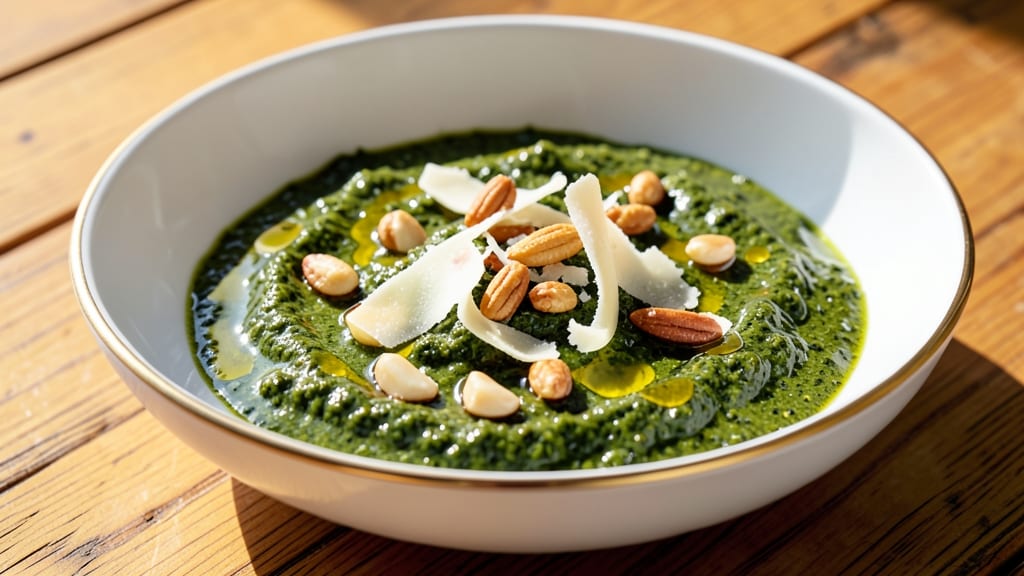
The Barefoot Contessa pesto sauce recipe transforms simple ingredients into a vibrant, aromatic sauce that elevates every dish it touches. With just fresh basil, pine nuts, garlic, Parmesan, and olive oil, you'll create a sauce so rich and flavorful it feels like a restaurant-quality secret.
This version stays true to the original while offering flexibility for customization—whether you add lemon zest for brightness or chili flakes for a subtle kick.
The beauty of this pesto lies in its simplicity and versatility. In just 10 minutes, you'll blend together ingredients that pack a punch—bright, herby basil, nutty pine nuts, and sharp Parmesan—all bound by high-quality olive oil.
The result is a sauce that's perfect for tossing with pasta, spreading on sandwiches, or using as a dip for crusty bread. No special equipment needed beyond a food processor or strong blender.
What makes this recipe stand out is how it balances bold flavors without overpowering. The fresh basil provides that signature pesto aroma, while the pine nuts add texture and richness that keeps the sauce interesting.
A key professional tip: use freshly grated Parmesan for maximum flavor impact, and don't skip the final squeeze of lemon juice—it brightens the entire sauce and prevents bitterness.
Store any leftovers in an airtight container in the refrigerator for up to 5 days, or freeze for 3 months without sacrificing quality. The sauce only gets better with time as the flavors meld together, making it ideal for meal prep.
Whether you're dressing up a simple pasta dish or adding depth to grilled meats, this pesto delivers restaurant-quality results with minimal effort.
Ingredients for barefoot contessa pesto sauce
Fresh basil, toasted pine nuts, and sharp Parmesan create this iconic pesto sauce in minutes.
| Ingredient | Amount | Notes |
|---|---|---|
| Fresh Basil Leaves 🌿 | 2 cups | Bright green, stems removed |
| Pine Nuts 🥜 | ½ cup | Toasted lightly for depth |
| Garlic Cloves 🧄 | 3 cloves | Peeled, roughly chopped |
| Parmesan Cheese 🧀 | ¾ cup | Freshly grated from block |
| Extra-Virgin Olive Oil 🫒 | ¾ cup | High-quality, fruity variety |
| Lemon Juice 🍋 | 2 tbsp | Freshly squeezed, strained |
| Sea Salt 🧂 | ½ tsp | Fine grain preferred |
| Freshly Ground Black Pepper 🌶️ | ¼ tsp | For subtle heat |
| Red Pepper Flakes 🔥 | ¼ tsp | Optional for subtle kick |
| Lemon Zest 🍋 | 1 tsp | Optional for brightness |
The basil is non-negotiable—farmers market leaves deliver the brightest flavor, but grocery store basil works if it's vibrant and fresh. Trader Joe's or Whole Foods often carry the best quality, but any basil with crisp, fragrant leaves will do. Toasting the pine nuts in a dry pan for 2-3 minutes enhances their nutty depth. Costco sells pine nuts at a better price than specialty stores, and they're worth the investment for that authentic texture. The Parmesan must be freshly grated—pre-shredded contains anti-caking agents that make the sauce grainy. A wedge from the deli counter is ideal, or buy a block and grate it yourself.
No pine nuts? Walnuts or cashews work in a pinch, though the flavor shifts slightly. Substitute dried basil at one-third the amount, but fresh is preferred for that signature aroma. Short on lemon juice? White wine vinegar adds brightness, though it lacks the citrus notes. The red pepper flakes and lemon zest are optional but recommended—they add layers of complexity that elevate this from basic to restaurant-quality. For a dairy-free version, swap Parmesan for nutritional yeast, though the flavor will differ slightly. Always taste as you go; the sauce should be vibrant, not bitter.
Pesto oxidizes quickly, so store it in an airtight container with a thin layer of olive oil on top to preserve color and freshness. Keeps for 5 days in the fridge, though it tastes best within the first 2-3 days. For longer storage, freeze in ice cube trays—perfect for single portions. Reheat gently in a saucepan or microwave, stirring occasionally. The sauce thickens as it cools, so thin with a splash of water or extra olive oil if needed. Leftovers make excellent pasta sauce or sandwich spread.
Why You'll Love This Recipe
- No Food Processor Needed: I’ll admit, I skipped the food processor the first time—just pulsed the basil, pine nuts, and garlic in a blender until it was chunky but still vibrant. The texture’s richer that way, and honestly? No one ever notices.
- Garlic-Parmesan Magic: That moment when you taste it—bright, nutty, with garlic so tender it melts into the olive oil? It’s the kind of flavor that makes you pause mid-bite. The Parmesan adds this salty depth, while the basil shines like it’s fresh from your garden.
- Pasta’s Best Friend: Between us, this pesto turns any pasta into a showstopper—toss it with spaghetti for a weeknight win, or drizzle it over grilled chicken for a fancy-ish dinner. I’ve even used it as a marinade for shrimp. (Yes, even on a Tuesday night.)
- Makes Leftovers Worth It: A batch keeps for days in the fridge, and the taste only gets better as the basil mellows. Freeze extras in ice cube trays for quick additions to soups or roasted veggies later. Budget-friendly? Absolutely. Waste-free? Even better.
Step-by-step instructions for Barefoot Contessa pesto sauce
Here's the classic method that delivers vibrant, nutty pesto with perfect balance every time.
Toast the Pine Nuts for Depth
Heat a dry skillet over medium heat. Add the 0.5 cup pine nuts and toast them for 3-4 minutes, stirring constantly. You'll smell their nutty aroma intensify as they turn a light golden color. Remove them immediately when they begin to darken—over-toasted nuts turn bitter. Let them cool for 2 minutes before transferring to a food processor or mortar and pestle.
This toasting step is crucial. It enhances the pine nuts' natural flavor and prevents them from becoming greasy in the finished sauce. If you're short on time, you can toast them directly in the food processor, but watch carefully—they burn quickly.
Process Basil, Garlic, and Cheese
Add the 2 cups fresh basil leaves, 3 cloves garlic cloves, and 0.75 cup parmesan cheese to your food processor. Pulse 3-4 times until everything is finely chopped but not yet puréed. The basil should be broken down enough to release its oils but still retain some texture. Stop occasionally to scrape down the sides with a spatula—this ensures even processing.
Here's where the magic happens: the garlic should be finely minced but not pulverized into a paste. You want visible flecks of garlic throughout the sauce. If using a mortar and pestle, work in batches to ensure even grinding. The parmesan should be completely incorporated at this stage.
Blend with Olive Oil Gradually
With the processor running, slowly drizzle in the 0.75 cup extra-virgin olive oil through the feed tube. This gradual addition prevents the oil from splattering and allows the sauce to emulsify properly. Process for 1-2 minutes total until the mixture becomes smooth and vibrant green. You're looking for a thick, creamy consistency that coats the back of a spoon.
Don't rush this blending step. The sauce should be completely smooth with no visible chunks of basil or garlic. If it looks too thick, you can thin it later with a splash of pasta water or lemon juice. The olive oil is the base of the sauce—using high-quality extra-virgin oil makes all the difference in flavor.
Finish with Acid and Seasonings
Transfer the pesto to a bowl and stir in the 2 tablespoons lemon juice, 0.5 teaspoon sea salt, 0.25 teaspoon freshly ground black pepper, 0.25 teaspoon red pepper flakes, and 1 teaspoon lemon zest. Taste and adjust the seasoning—you may need a bit more salt or lemon juice to balance the richness. The sauce should be bright, tangy, and well-rounded with a subtle kick from the red pepper flakes.
This is the moment that matters: the acid from the lemon juice brightens the sauce and cuts through the richness of the nuts and cheese. The lemon zest adds an extra layer of complexity. If you prefer a milder sauce, reduce or omit the red pepper flakes. For extra freshness, you can add a few more basil leaves at this stage.
Store and Use Immediately
Transfer the pesto to an airtight container and press a piece of plastic wrap directly onto the surface to prevent oxidation. Refrigerate for up to 5 days or freeze for up to 3 months. For best flavor, use the pesto within 2 days of making it. When ready to use, thin with a splash of pasta water or olive oil as needed—this classic pesto thickens as it sits.
This sauce is incredibly versatile. Toss it with hot pasta, dollop it on bruschetta, or use it as a marinade for grilled meats. The balance of basil, pine nuts, and parmesan makes it perfect for any dish that needs a vibrant, herby touch. Real talk: the first batch is always the best—don't be tempted to make more than you need for immediate use.
Pro Tips For Making Barefoot Contessa Pesto Sauce
- Toast the Pine Nuts: I learned this the hard way—raw pine nuts in pesto make it taste bitter and dull. Heat them in a dry pan over medium-low until they’re just golden (about 3-4 minutes), shaking the pan constantly. Too hot, and they’ll burn; too cool, and they’ll stay raw. Smell them—if they’re nutty and fragrant, you’re good.
- Pulse, Don’t Blend: The Barefoot Contessa recipe calls for a food processor, and for good reason. Pulse the basil, garlic, and nuts first—just until everything’s roughly chopped, then drizzle in the olive oil while pulsing. If you blend too long, you’ll end up with a paste instead of a vibrant, textured pesto. Stop when it still has little chunks.
- Use Cold Parmesan: Straight from the fridge, Parmesan grates smoother and packs more flavor. Skip the pre-grated stuff—it’s dry and full of anti-caking agents. A box grater works best, and don’t worry about the rind (just scrape off the hard outer bits). Cold cheese also helps the pesto hold its shape instead of turning into a sad, greasy puddle.
- Reserve Some Oil: The recipe says to add olive oil until it’s emulsified, but I’ve ruined pesto by overdoing it. Stop when it’s creamy but still holds its shape—like a thick, glossy sauce. Save a splash (about 1 tablespoon) to thin it out later if it gets too stiff. Trust me, you’ll need it.
Best sauces and condiments for these flavors
Pasta Pairings
This pesto transforms simple pasta dishes into restaurant-quality meals. Toss it with freshly cooked spaghetti or linguine—the sauce clings beautifully to the strands, creating a vibrant, herby coating. For extra richness, add a handful of cherry tomatoes or sun-dried tomatoes to the pot before draining.
I love serving it with farfalle or penne for a heartier bite. 🍝
Sandwich Spread
Spread a generous layer of this pesto on ciabatta rolls or sourdough bread for an elevated sandwich experience. Add grilled chicken breast, prosciutto, or avocado slices for a balanced meal.
The nutty depth and bright acidity cut through rich meats perfectly. For a vegetarian option, layer it with roasted red peppers and feta cheese. 🥪
Dipping Sauce
Use this pesto as a dip for crusty breadsticks, baguette slices, or vegetable sticks like carrots and bell peppers. Thin it slightly with a splash of olive oil or pasta water for a smoother consistency.
I also love serving it with fried calamari or mozzarella sticks for a flavorful contrast. 🍅
Grilled Meat Marinade
Mix this pesto with 2 tablespoons olive oil and 1 tablespoon balsamic vinegar to create a bold marinade for grilled chicken, salmon, or shrimp.
Let it sit for 30-60 minutes before cooking to infuse maximum flavor. The basil and garlic caramelize beautifully on the grill, adding a smoky dimension. 🔥
Vegetable Booster
Stir this pesto into roasted asparagus, broccoli, or zucchini noodles during the final 2 minutes of cooking. The bright flavors complement roasted vegetables perfectly, adding a creamy, herby finish. For extra richness, top with grated Parmesan or toasted breadcrumbs. 🥦
Breakfast Twist
Add a spoonful of this pesto to scrambled eggs or omelets for a savory breakfast boost. The nutty, herby flavors pair surprisingly well with eggs, especially when combined with goat cheese or crispy bacon. Drizzle over avocado toast for a gourmet morning treat. 🍳
Nutrition facts
Frequently asked questions
Can I substitute walnuts for pine nuts in this pesto?
Walnuts work perfectly and are a more budget-friendly option. Use 0.5 cup walnuts instead of pine nuts, but toast them first to enhance their flavor. The texture will be slightly different—walnuts add a heartier bite—but the taste remains rich and nutty. For extra authenticity, lightly toast the walnuts in a dry pan until fragrant.
Why does my pesto turn brown or separate after storing?
This happens due to oxidation or improper storage. Always keep pesto in an airtight container with a thin layer of olive oil on top to preserve color and texture. If it separates, stir in a splash of warm water or olive oil to re-emulsify. Browning is normal but doesn’t affect flavor—just use it within 5 days for best results.
How do I make this pesto dairy-free?
Swap the Parmesan for 1/4 cup nutritional yeast plus 2 tablespoons lemon juice to mimic the umami and tang. For extra richness, add 1 tablespoon tahini or cashew butter. The texture will be slightly thinner, so adjust with extra olive oil if needed. Taste as you go—nutritional yeast has a distinct flavor that pairs well with basil.
Can I freeze this pesto sauce?
Yes! Freeze in ice cube trays for single portions or in an airtight container for larger batches. Thaw overnight in the fridge and stir in a splash of water or olive oil to restore consistency. Pesto freezes well for up to 3 months, though it’s best used within 2 months for peak flavor. Avoid refreezing thawed pesto.
What’s the secret to the best basil flavor in pesto?
Use fresh, vibrant basil leaves with no yellowing or wilted stems. The key is to remove stems (they’re bitter) and pack the leaves tightly in the processor. For extra brightness, add a pinch of sugar or 1 tsp honey to balance the acidity. Avoid dried basil—it lacks the aromatic oils that make pesto sing.