
Sauces & Condiments
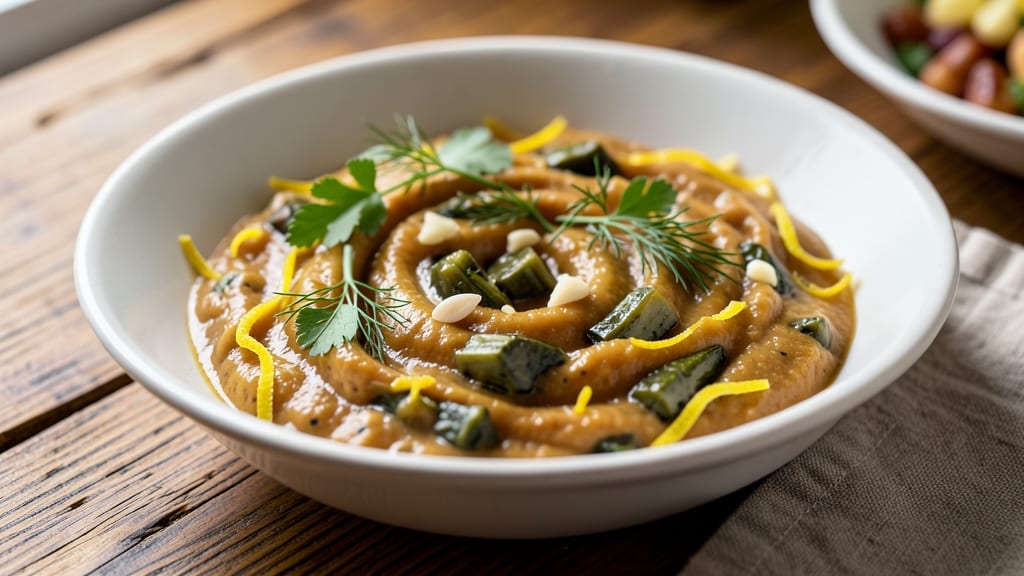
This artichoke butter sauce recipe transforms simple ingredients into a velvety, herb-infused spread that elevates everything from grilled meats to crusty bread. The key lies in blending creamy butter with marinated artichoke hearts and fresh herbs, creating a sauce that's rich yet bright with Mediterranean flair.
Unlike store-bought versions, this homemade version delivers layers of flavor that stand out—especially when you add a touch of garlic and lemon zest for balance.
The process is straightforward but requires attention to texture. You'll start by sautéing garlic in butter until fragrant, then blend in drained artichoke hearts and fresh herbs until smooth. A splash of lemon juice and a sprinkle of Parmesan cheese add depth, while salt and pepper round out the flavors.
The result? A sauce that's spreadable yet substantial, with just enough chunkiness from the artichokes to keep it interesting.
What makes this sauce truly special is its versatility. Use it as a dip for grilled vegetables or fresh bread, a glaze for roasted chicken or fish, or even a topping for mashed potatoes.
It keeps well in the refrigerator for up to a week, making it perfect for meal prep. The herbs stay vibrant, and the butter maintains its creamy texture, so you can enjoy this flavorful sauce whenever the mood strikes.
For an extra touch of elegance, garnish with fresh parsley or a drizzle of olive oil before serving. This sauce is the kind of condiment that turns ordinary meals into something memorable—simple to make, but undeniably impressive. Ready to create it? Let's get started.
Ingredients for artichoke butter sauce
Eight simple ingredients blend into a velvety sauce that’s rich, herby, and perfect for dipping or grilling.
| Ingredient | Amount | Notes |
|---|---|---|
| Unsalted Butter 🧈 | ¾ cup | Cold, cubed for blending |
| Marinated Artichoke Hearts 🧅 | 1 cup | Drained, chopped coarsely |
| Fresh Parsley 🌿 | ¼ cup | Stems removed, loosely packed |
| Fresh Dill 🌿 | ¼ cup | Stems removed, loosely packed |
| Garlic Cloves 🧄 | 4 cloves | Peeled, roughly chopped |
| Lemon Zest 🍋 | 1 tbsp | From 1 medium lemon |
| Parmesan Cheese 🧀 | ¼ cup | Freshly grated, fine |
| Lemon Juice 🍋 | 1 tbsp | Freshly squeezed |
| Kosher Salt 🧂 | ½ tsp | Diamond Crystal preferred |
| Freshly Ground Black Pepper 🌶️ | ¼ tsp | Freshly cracked |
The butter is the base—don’t skimp on quality here. Plugrá or Land O’Lakes unsalted melts beautifully. For artichokes, Whole Foods or Trader Joe’s have the best marinated hearts—look for bright green color, not murky liquid. Fresh herbs make all the difference: giant parsley and dill from the grocery store’s produce section (not the sad little bunches). If you’re using dried herbs, use half the amount. The garlic? Three cloves is perfect—don’t overdo it, or the sauce gets bitter. Lemon zest should be fresh; pre-grated zest loses flavor fast.
No fresh herbs? Dried parsley and dill work at half the amount, but it won’t be as vibrant. Substitute artichokes with sun-dried tomatoes (oil-packed, chopped fine) if you’re in a pinch, but the texture will be different. For a dairy-free version, swap Parmesan for nutritional yeast (2 tbsp) plus extra lemon juice for tang. The sauce thickens as it cools, so if it’s too thin, let it sit for 10 minutes before tasting. Need it thicker? Add 1 tsp cornstarch mixed with 1 tsp water and stir in gently. Want more richness? Add 1 tbsp heavy cream at the end.
This sauce keeps beautifully—1 week in the fridge in an airtight jar, covered with plastic wrap pressed right on the surface to prevent a skin. For longer storage, freeze in 1-tbsp portions on a tray, then transfer to a bag. Thaws in 10 minutes at room temp. Garnish with extra parsley or a drizzle of high-quality olive oil right before serving—trust me, it makes it look (and taste) restaurant-worthy. Double the batch; you’ll want it for everything from steak to roasted veggies.
Why You'll Love This Recipe
- Five-Ingredient Magic: I swear, this sauce comes together faster than you can say "dinner’s ready." Just pulse those jarred artichokes with butter, herbs, and garlic—no chopping, no fuss, no stress.
- Herb-Garlic Euphoria: That bright parsley and dill cutting through the rich butter? Chef’s kiss. The garlic gives it a warm, lingering depth, while the artichokes add a briny, meaty texture—it’s like a hug for your taste buds.
- Weeknight Wonder: Slather it on grilled chicken, toss it with pasta, or drizzle it over roasted veggies—this sauce turns anything into a restaurant-worthy meal. Honestly, I’ve used it for everything from weeknight dinners to last-minute appetizers.
- Leftovers That Shine: Between us, this sauce actually improves the next day. The flavors meld even better, and it’s perfect for reheating with a splash of milk or cream. My freezer’s always stocked with jars of it—because why not?
Step-by-step instructions for herb-infused artichoke butter
This silky, herby artichoke butter comes together in minutes with no cooking required.
Pulse the Cold Butter and Artichoke Hearts
Place the 0.75 cup unsalted butter (cold and cubed) and 1 cup marinated artichoke hearts (drained and coarsely chopped) in a food processor. Pulse in 3-4 second bursts until the butter starts to break down but still holds some texture—you're aiming for a chunky, spreadable consistency, not a smooth paste. This texture ensures every bite delivers that artichoke flavor while keeping the sauce rich and velvety.
Stop and scrape down the sides of the bowl with a spatula after each pulse to ensure even blending. The mixture should look like coarse, wet sand with visible artichoke pieces. If it feels too dry, add 1 teaspoon of the reserved artichoke liquid from the jar—just enough to help the ingredients bind without making it soupy.
Add Herbs, Garlic, and Zest
Add the 0.25 cup fresh parsley, 0.25 cup fresh dill, 4 cloves garlic cloves (roughly chopped), and 1 tablespoon lemon zest to the food processor. Pulse again in 2-second bursts until everything is finely chopped but still retains some texture. You want the herbs to be visible but not pulverized into a green sludge—this keeps the sauce vibrant and flavorful.
Here's the thing—don't over-process or the sauce will turn into pesto. Stop when the herbs are just broken down enough to distribute evenly. The lemon zest adds a bright pop of citrus that cuts through the richness of the butter, so make sure it's finely grated for maximum flavor distribution.
Incorporate Cheese and Seasonings
Add the 0.25 cup freshly grated Parmesan cheese, 1 tablespoon lemon juice, 0.5 teaspoon kosher salt, and 0.25 teaspoon freshly ground black pepper to the food processor. Pulse 2-3 more times just to combine everything—you're looking for a uniform color and texture throughout, not further breaking down the ingredients.
Taste the mixture at this stage. It should be rich, herby, and tangy with a noticeable artichoke flavor. If it needs more brightness, add another ½ teaspoon lemon juice. For extra richness, you could add a pinch more salt, but be careful—this sauce is already packed with flavor. The texture should be thick enough to hold its shape when spread but still spreadable with a knife.
Adjust Consistency and Transfer
If the mixture feels too thick, add 1 teaspoon of cold water at a time until it reaches your desired consistency. You want it to be smooth enough to spread easily but still hold together when chilled. For a more luxurious texture, you can transfer the mixture to a bowl and fold it with a silicone spatula to ensure everything is evenly distributed.
Transfer the artichoke butter to a small airtight container or ramekin. Press plastic wrap directly onto the surface to prevent a skin from forming. Chill in the refrigerator for at least 30 minutes before serving—this allows the flavors to meld together and makes the sauce easier to spread. The cold butter will firm up slightly, creating the perfect dipping consistency.
Serve and Enjoy Immediately
Remove the artichoke butter from the refrigerator 10-15 minutes before serving to soften slightly. It should be cool but still spreadable. This sauce is perfect for dipping crusty bread, grilled vegetables, or even as a topping for grilled meats like steak or chicken. The herby, tangy flavor pairs beautifully with the richness of the butter, making every bite unforgettable.
For extra presentation, garnish with a sprinkle of freshly cracked black pepper and a few extra parsley leaves right before serving. The contrast of the bright green herbs against the golden butter creates a visually stunning dish that's just as delicious as it looks. Store any leftovers in the refrigerator for up to 5 days, or freeze for up to 3 months—just let it soften at room temperature before serving again.
Pro Tips For Making Artichoke Butter Sauce
- Drain and Pat Dry: Marinated artichoke hearts cling to their brine like glue—skip draining, and your sauce will taste like a sad, watery soup. After rinsing, lay them on a clean towel and press gently with another towel to remove excess moisture. Trust me, the texture of your butter sauce depends on this.
- Mince Garlic Like You Mean It: I used to throw in whole cloves or just a rough chop, and the flavor hid in the background. For this sauce, mince the garlic finely—almost paste-like—so it blends smoothly without any gritty surprises. A microplane works if you’re impatient, but a knife gives you better control.
- Low and Slow for the Butter: Artichoke butter sauce separates faster than a bad relationship if you rush the butter. Melt it over low heat—yes, even if you’re eager—and stir constantly. If it starts to brown, you’ve gone too far; pull it back and let it simmer gently until fully incorporated.
- Chop Herbs Last, Keep Them Fresh: Parsley and dill lose their brightness when cooked too long. Add them right at the end, just before serving, so they stay vibrant and pop against the rich butter. If you’re using frozen herbs, skip this tip entirely—they’re already a lost cause.
Storing and reheating your artichoke butter sauce
Fridge Storage Tips
Store your artichoke butter in an airtight container with plastic wrap pressed directly onto the surface to prevent any skin from forming. I like using small glass jars or ramekins because they make it easy to scoop portions later.
Keep it refrigerated for up to 5 days—the flavors actually deepen over time, especially the herbs and lemon. The butter will firm up slightly, making it perfect for dipping or spreading. 🧈
Freezing for Later
For longer storage, freeze the sauce in 1-tablespoon portions on a tray lined with parchment paper. Once frozen solid, transfer to a ziplock freezer bag and squeeze out all the air to prevent freezer burn. This method works best because you can thaw exactly what you need.
The sauce keeps well for up to 3 months in the freezer, though I recommend using it within 2 months for the best texture and flavor. 🧊
Thawing Correctly
To thaw frozen artichoke butter, leave it at room temperature for 10-15 minutes before serving. If you're in a hurry, transfer the frozen portion to a small bowl and microwave on low power (30% setting) for 10-15 seconds, then stir and let it sit for another minute.
Avoid microwaving it fully, or the butter can separate. For the best results, I always let it soften naturally at room temperature—it maintains that perfect creamy consistency. ⏰
Reheating Leftovers
If you've stored your sauce in the fridge, let it sit at room temperature for 5-10 minutes before reheating. For a quick fix, transfer a portion to a small bowl and gently warm it in the microwave for 5-10 seconds on low power.
Stir well and let it rest for another minute. If it looks too thick after reheating, add ½ teaspoon of warm water and stir until smooth. The sauce should be spreadable but still hold its shape—this ensures it's ready to use immediately. 🔥
Preventing Separation
Butter-based sauces can sometimes separate when reheated, but there's an easy fix. If this happens, place the sauce in a small bowl and whisk in 1 teaspoon of cold water while stirring constantly.
For a smoother texture, you can also add ½ teaspoon of lemon juice—this helps re-emulsify the butter and brings back that bright, herby flavor. Gently reheat again if needed, but avoid high heat to prevent the butter from breaking further. ✨
Garnishing After Reheating
Before serving reheated artichoke butter, garnish with fresh parsley leaves and a sprinkle of freshly cracked black pepper for that restaurant-quality finish. A drizzle of high-quality extra virgin olive oil adds another layer of richness and makes the sauce look even more inviting.
The contrast of the bright green herbs against the golden butter is visually stunning and reminds me of my first time making this sauce—it truly elevates the dish! 🌿
Nutrition facts
Frequently asked questions
Can I use canned artichoke hearts instead of marinated ones?
Yes, but you'll need to adjust the flavor. Drain and rinse canned artichoke hearts thoroughly to remove excess sodium, then pat them dry. For extra brightness, simmer them in 1 tablespoon lemon juice and ½ teaspoon garlic powder for 3 minutes before using. This mimics the tangy marinade in store-bought hearts.
What if my artichoke butter turns out too thick?
No problem! Thin it with 1 teaspoon cold water at a time while blending, or add ½ teaspoon lemon juice—the acidity helps emulsify the butter. For a smoother texture, transfer to a bowl and fold in 1 teaspoon heavy cream gently. Avoid overheating if reheating later.
How can I make this sauce dairy-free?
Replace the butter with ½ cup vegan butter (like Miyoko's) and swap Parmesan for 2 tablespoons nutritional yeast plus 1 teaspoon lemon juice for tang. Use full-fat coconut oil for richness, but expect a slightly firmer texture. The herbs and artichokes will still shine through!
Can I make this sauce ahead of time?
This sauce tastes even better after 24 hours in the fridge as flavors meld. Store in an airtight container with plastic wrap pressed directly on the surface. For parties, freeze in 1-tablespoon portions—thaw at room temperature for 10 minutes before serving. The herbs stay vibrant, and the butter maintains its creamy texture.
What are the best uses for leftover artichoke butter?
Use it as a dip for grilled asparagus or shrimp skewers, a glaze for roasted chicken thighs, or a topping for mashed potatoes or polenta. Spread it on toasted baguette slices with a sprinkle of sea salt, or mix into pasta dough for herby twists. The possibilities are endless!