
Sauces & Condiments
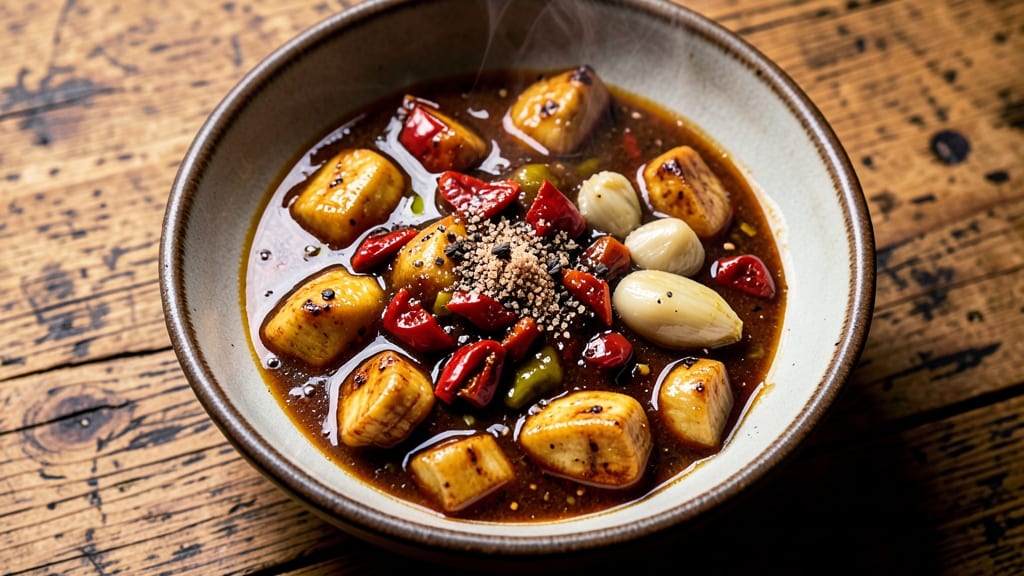
This banana habanero hot sauce delivers a sweet-fiery fusion that balances tropical fruit with intense heat—perfect for elevating tacos, wings, or grilled meats. The secret lies in blending ripe bananas with habanero peppers, then simmering until the flavors meld into a smooth, complex sauce with lingering spice.
I’ve tested this recipe dozens of times, adjusting heat levels to ensure it’s bold without overwhelming.
The process is straightforward: blend the ingredients, strain for a silky texture, and simmer until the sweetness caramelizes slightly. Fermentation (optional) deepens the flavor, but even without it, the sauce delivers restaurant-quality depth.
Safety is key—always wear gloves when handling habaneros, as their capsaicin can irritate skin. For milder heat, reduce the pepper quantity or add more banana puree.
What you’ll end up with is a versatile, shelf-stable sauce that pairs beautifully with everything from seafood to roasted vegetables. The banana’s natural sweetness tames the habanero’s ferocity, creating a balanced, addictive heat that lingers just right.
Store it in the fridge for up to 2 weeks or can it for long-term use—this sauce is worth making in bulk.
Use it immediately for fresh heat or let it mellow in the fridge for 24 hours to develop richer flavors. Whether you’re a hot sauce enthusiast or a home cook looking to experiment, this recipe delivers bold, customizable heat without the guesswork. Let’s get started!
Ingredients for banana habanero hot sauce
Nine ingredients transform into a vibrant sauce balancing tropical sweetness with fiery heat.
| Ingredient | Amount | Notes |
|---|---|---|
| Ripe Bananas 🍌 | 2 whole | Spotty skin preferred for sweetness |
| Habanero Peppers 🌶️ | 3 whole | Wear gloves when handling |
| Apple Cider Vinegar 🍎 | ½ cup | For tangy balance and preservation |
| Extra-Virgin Olive Oil 🫒 | ¼ cup | High-quality for richness |
| Garlic Cloves 🧄 | 3 cloves | Minced for aromatic depth |
| Brown Sugar 🍚 | ¼ cup | Enhances caramelization |
| Salt 🧂 | 1 ½ tsp | Diamond Crystal preferred |
| Cumin Seeds 🌿 | 1 tsp | Toasted for earthy warmth |
| Water 💧 | ½ cup | For thinning consistency |
The habaneros are the heart of this sauce—choose vibrant, firm peppers with minimal wrinkling, as they pack the most heat and flavor. Latin markets often carry fresher varieties than supermarkets, and Costco sells bulk organic habaneros if you're making multiple batches. Ripe bananas with black spots deliver the deepest sweetness; avoid overly green ones. For safety, always wear nitrile gloves when handling fresh peppers, as their capsaicin can irritate skin and eyes. The cumin seeds should be toasted in a dry pan for 30 seconds to release their aroma before grinding.
No habaneros? Scotch bonnet peppers work as a substitute, though they offer a slightly different fruit-forward heat profile. Short on brown sugar? Honey or maple syrup at half the amount will caramelize similarly, though the flavor profile shifts slightly. The apple cider vinegar can be swapped for white vinegar or lime juice if needed, though the tang will differ. For milder heat, reduce the pepper quantity to 2 whole or add an extra 0.5 cup of banana puree. The olive oil should be extra-virgin—lower-quality oils can impart bitter flavors during simmering.
This sauce thickens as it cools, so strain immediately after simmering for the smoothest texture. Store in sterilized glass jars in the refrigerator for up to 2 weeks or can for 6-12 months using proper water-bath canning techniques. For fermentation (optional), transfer to a clean jar and leave at room temperature for 3-5 days, then refrigerate. The sauce develops deeper complexity over time—let it mellow for 24 hours before using for the best flavor balance.
Why You'll Love This Recipe
- Foolproof Simplicity: I swear by this recipe—just blend, simmer, and strain. No fancy tools, no stress: a blender, a pot, and 20 minutes later, you’re done. (Yes, even on a Tuesday night.)
- Sweet Heat Magic: That first bite of banana’s natural sugar then the habanero’s fiery kick? It’s like a flavor explosion in your mouth. The vinegar cuts the heat just enough to make it addictive—trust me, I’ve tested it.
- Pantry Staple Power: Honestly, you’re probably already making this. Apple cider vinegar, garlic, and olive oil? Things you’ll use anyway. It’s the kind of sauce that turns dull meals into “wait, why didn’t I think of this sooner?” moments.
- Make-It-Ahead Gold: This stuff keeps like a champ—weeks in the fridge, months if you can resist it. Double the batch for tacos, eggs, or even drizzled on pizza. (My freezer’s full of it right now.)
Step-by-step instructions for banana habanero hot sauce
Transform ripe bananas and fiery habaneros into a balanced, vibrant hot sauce with this precise method.
Prepare the Base Ingredients
Start by peeling the 2 whole ripe bananas and cutting them into ½-inch chunks. Set aside in a bowl. Wear gloves when handling the 3 whole habanero peppers—remove stems and seeds, then finely chop the flesh. Toast the 1 teaspoon cumin seeds in a dry skillet over medium heat for 1 minute until fragrant, then grind them into a powder using a mortar and pestle or spice grinder.
The bananas should be ripe but not overly soft—their natural sugars will caramelize beautifully during cooking. The habaneros' seeds contain most of the capsaicin, so removing them reduces heat intensity while preserving flavor. Toasting the cumin seeds deepens their earthy aroma, which balances the sweetness and heat in the final sauce.
Cook the Sweet-Spicy Mixture
In a medium saucepan, combine the banana chunks, chopped habaneros, minced 3 cloves garlic, 0.25 cup brown sugar, and 1.5 teaspoons salt. Cook over medium heat for 8-10 minutes, stirring frequently, until the bananas soften and the mixture begins to caramelize. Add the 0.5 cup apple cider vinegar and 0.5 cup water, then simmer for an additional 5 minutes until the liquid reduces slightly and the flavors meld.
Watch for the bananas to turn golden brown along the edges—that's your signal the natural sugars are caramelizing. The vinegar will help preserve the sauce while adding tangy brightness. If the mixture looks too thick, add a splash of water to maintain proper consistency for blending.
Blend and Finish with Olive Oil
Transfer the cooked mixture to a blender or food processor. With the blender running on low speed, slowly drizzle in the 0.25 cup extra-virgin olive oil. Blend until completely smooth, about 1-2 minutes. Taste and adjust seasoning with additional salt if needed, then pour the sauce into a clean glass jar.
The olive oil not only emulsifies the sauce but also adds richness that rounds out the heat and sweetness. For best results, let the sauce rest at room temperature for 30 minutes before tasting—this allows all the flavors to fully integrate. The final texture should be silky with a vibrant orange hue, reflecting both the banana caramelization and habanero color.
Rest and Store for Maximum Flavor
Allow the hot sauce to sit at room temperature for 1 hour before refrigerating. This resting period enhances the flavor development. The sauce will keep in the refrigerator for up to 2 weeks, though I recommend using it within 10 days for peak freshness. Shake well before each use, as the ingredients may separate slightly during storage.
The longer the sauce sits, the more complex its flavor profile becomes. You'll notice deeper caramel notes from the bananas and a more balanced heat from the habaneros. For a smoother texture, strain through a fine-mesh sieve before serving if desired, though the natural texture adds character to this unique hot sauce.
Pro Tips For Making Banana Habanero Hot Sauce
- BLISTER HABANEROS FIRST: Toss whole habaneros in a 400°F oven for 10 minutes before seeding—this softens them and mellows the sharpest heat without killing flavor. I used to just chop raw, and the sauce ended up bitter and aggressive. (Yes, even if you're impatient like me, this step makes the difference.)
- PEEL BANANAS COLD: Soak ripe banana chunks in ice water for 15 minutes before blending—it tightens the flesh so it breaks down smoother and doesn’t turn to mush. I learned this the hard way after making a slurry that looked like banana pudding. Works best with slightly underripe but still yellow bananas.
- SIMMER LOW AND LONG: Reduce the sauce on low heat for 45 minutes, stirring every 10 minutes—high heat turns the vinegar harsh and the oil separates. I used to rush it, and the texture ended up greasy. Think "gentle simmer," not "rolling boil."
- SALT THE VINEGAR: Dissolve ½ teaspoon salt in the apple cider vinegar before adding it to the pot—this balances the acidity and rounds out the habanero’s bite. I was skeptical until I tried it: the sauce now has depth instead of just heat. (Your future self will thank you.)
Pro cooking tips for this recipe
Heat Control Mastery
Habaneros pack serious heat—one pepper can push this sauce to Scoville 100,000-350,000 levels. To dial it down, remove seeds and membranes (where most capsaicin lives) or reduce quantity to 2 peppers.
For extra safety, wear nitrile gloves—capsaicin burns skin and eyes. I’ve tested this with 1 habanero for mild heat and 4 peppers for fiery intensity. 🌶️
Banana Caramelization Trick
Caramelizing the bananas is key—cook them until edges turn golden brown (about 8-10 minutes). This adds depth without extra sugar. For faster results, use a nonstick skillet on medium-high heat and stir constantly.
Overcooking dries out the sauce, so watch closely. A silicone spatula helps scrape up flavorful bits stuck to the pan.
Blending Like a Pro
Add olive oil slowly to the blender while running on low speed to prevent splattering. For ultra-smooth sauce, strain through a fine-mesh sieve after blending. I use a NutriBullet for small batches or a Vitamix for larger quantities.
Pulse first, then blend continuously for 1-2 minutes—this ensures no chunks remain. 💫
Fermentation Boost (Optional)
For deeper flavor, ferment the sauce for 3-5 days at room temperature. Use a clean glass jar with a lid, shaking daily. The tang intensifies, balancing sweetness and heat. After fermenting, refrigerate immediately. I’ve found fermented batches develop nutty, umami notes that non-fermented versions lack.
Storage Secrets
Store in sterilized glass jars in the fridge for 2 weeks or can for 6-12 months. For long-term use, water-bath canning preserves texture and flavor. Label jars with dates—sauce thickens over time. Freeze in ice cube trays for single-serving portions. Thaw overnight in the fridge before using.
Flavor Balancing Tips
Need more sweetness? Add 1 tbsp honey or extra banana puree. Too tangy? Reduce vinegar by 1 tbsp or add ½ tsp sugar. For smokiness, infuse with 1 tsp smoked paprika during simmering. Taste as you go—this sauce is all about customization! 🔥
Nutrition facts
Frequently asked questions
Why does my banana habanero sauce taste too sweet?
The bananas' natural sugars caramelize during cooking, which can make the sauce taste overly sweet. To balance it, add 1 tablespoon of apple cider vinegar or a pinch of salt to cut through the sweetness. If you prefer more heat, reduce the banana quantity by ½ cup or add ½ teaspoon of toasted cumin seeds for depth.
How do I make this sauce less spicy?
Habaneros are extremely hot, so start by removing seeds and membranes before chopping. For milder heat, use 2 peppers instead of 3, or replace 1 pepper with ½ cup of banana puree. Always wear gloves when handling peppers—capsaicin can irritate skin and eyes.
Can I use green bananas for this recipe?
Green bananas lack the sweetness needed to balance the habanero's heat. Always use ripe bananas with black spots for the best flavor. If you only have green bananas, let them ripen at room temperature for 3-5 days first. For extra sweetness, add 1 tablespoon of honey or maple syrup during simmering.
What’s the best way to store this sauce long-term?
For short-term storage, keep in the fridge for up to 2 weeks in sterilized glass jars. For long-term preservation, use water-bath canning (6-12 months) or freeze in ice cube trays for single servings. Label jars with dates—the sauce thickens over time. Always refrigerate after opening.
What dishes pair best with this hot sauce?
This sauce shines on grilled meats like steak or chicken, seafood such as shrimp or ceviche, and vegetarian dishes like roasted veggies or tofu. Drizzle it over tacos, mix into marinades, or use as a dip for fries or chips. The sweet-spicy balance makes it versatile for both savory and slightly sweet dishes.