
Sauces & Condiments
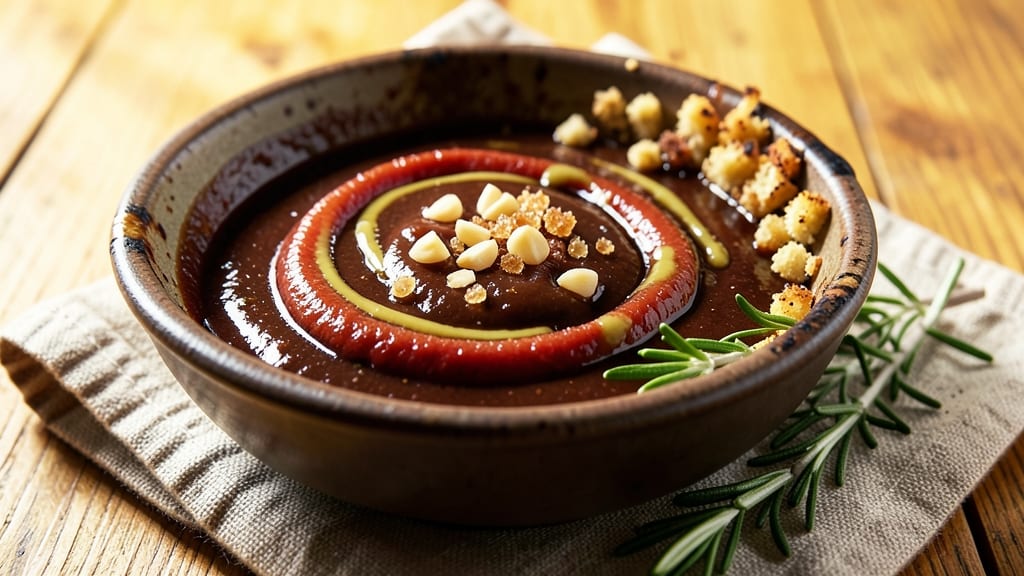
This balsamic barbecue sauce recipe transforms classic BBQ into something sophisticated yet approachable—where rich, tangy balsamic vinegar cuts through smoky heat for a balanced, restaurant-quality finish. I developed this while craving a sauce that could stand up to bold, charred meats while adding depth without overpowering them.
The secret lies in simmering balsamic vinegar with tomato paste and spices until it achieves that perfect balance of sweet, tangy, and savory notes.
The beauty of this sauce is its versatility—it works as a marinade, glaze, or dipping sauce, and the reduction process concentrates flavors so every drop delivers maximum impact.
Start with simple pantry staples like balsamic vinegar, tomato paste, and brown sugar, then build layers of flavor with garlic, mustard, and a touch of smoked paprika. The result? A sauce that’s bold enough for competition ribs but simple enough for weeknight grilling.
By the time you’re done, you’ll have a glossy, velvety sauce with a deep red hue and an aroma that’ll have everyone asking for seconds. It clings beautifully to grilled meats, roasted vegetables, or even as a dipping sauce for fries.
What’s more, it keeps well in the fridge for up to two weeks, so you can make a big batch and enjoy it all season long.
This isn’t just another BBQ sauce—it’s a game-changer that elevates every dish it touches. Whether you’re slow-cooking brisket or tossing it with grilled chicken, the balsamic twist adds a sophistication that’ll impress even the most discerning guests. Let’s get cooking!
Ingredients for balsamic barbecue sauce
Nine pantry staples turn into a sauce that transforms grilled meats and roasted veggies.
| Ingredient | Amount | Notes |
|---|---|---|
| Balsamic Vinegar 🍷 | 1 cup | High-quality aged balsamic preferred |
| Tomato Paste 🍅 | ½ cup | Squeeze tube or canned, no sugar added |
| Brown Sugar 🍚 | ½ cup | Light or dark, packed |
| Garlic Cloves 🧄 | 4 cloves | Freshly minced, not jarred |
| Dijon Mustard 🥫 | 2 tbsp | Mild or strong, not prepared |
| Smoked Paprika 🌶️ | 1 tbsp | For smoky depth, not sweet |
| Black Peppercorns 🌶️ | ½ tsp | Freshly cracked for best flavor |
| Kosher Salt 🧂 | 1 tsp | Diamond Crystal preferred |
| Apple Cider Vinegar 🍎 | ¼ cup | For extra tanginess |
| Olive Oil 🫒 | 1 tbsp | Extra-virgin for richness |
The balsamic vinegar is the star here—aged balsamic (like the thick, syrupy kind) adds complexity that regular vinegar can't match. Trader Joe's and Whole Foods carry excellent options, but any bottle labeled 'aged' or 'extra-aged' will work. If you can only find the regular kind, reduce it first to concentrate the flavor. The tomato paste? No sugar added is key—it keeps the sauce from tasting overly sweet. I always grab the squeeze tubes from Trader Joe's because they're convenient and last longer than cans.
No aged balsamic? Substitute with 1/2 cup red wine vinegar plus 1/4 cup brown sugar—it won't be identical, but it'll get you close. Fresh garlic is non-negotiable here (jarred loses flavor fast), but if you're in a pinch, double the amount of garlic powder. The smoked paprika can be swapped for regular paprika, though you'll lose that smoky depth. For extra richness, add 1 tbsp of soy sauce—it balances the sweetness perfectly. And if you're making a big batch, double the apple cider vinegar for extra tang.
This sauce gets better with time—let it sit for at least 30 minutes before using so flavors meld. Keeps in the fridge for up to 2 weeks, though I usually go through it faster than that. For longer storage, freeze in ice cube trays—perfect for glaze portions. The reduction process means it thickens as it cools, so don't worry if it seems too thin right after making. A quick simmer on the stove will bring it back to perfect consistency.
Why You'll Love This Recipe
- Pantry Magic: I swear by this one—no fancy shopping lists, just what’s already lurking in my cabinets. That rich balsamic tang and tomato paste? They’re the secret weapons that turn five cheap ingredients into something restaurant-worthy.
- Sweet-Savory Balance: The brown sugar and garlic cloves hit different—deep, caramelized sweetness that plays off the sharpness of the Dijon. Honestly, it’s the kind of sauce that makes you pause mid-bite and think, “Wait, I made this?”
- Weeknight Hero: Slather it on grilled chicken for dinner, toss it with roasted veggies for lunch, or drizzle it over pizza crusts when the kids are begging for something “fun.” Between us, it’s my go-to when I’m too tired to plan.
- Leftovers That Shine: Make a double batch—it keeps for weeks in the fridge and freezes like a dream. I’ve used it to glaze pork chops, stir-fry noodles, and even deglaze a pan for next-day breakfast. Versatile? More like magic.
Step-by-step instructions for balsamic barbecue sauce
This tangy, sweet sauce comes together in one pot with simple ingredients and careful timing.
Bloom the Spices in Olive Oil
Heat the 1 tablespoon olive oil in a medium saucepan over medium-low heat. Add the 4 cloves freshly minced garlic cloves and the 1 tablespoon smoked paprika, stirring constantly for 30 seconds until the garlic becomes fragrant but doesn't brown. This step develops the smoky foundation of your sauce.
Next, add the 1 teaspoon kosher salt and 0.5 teaspoon freshly cracked black peppercorns. Stir for another 15 seconds to toast the peppercorns lightly—their aroma will deepen as they warm. Keep the heat low here; you're not cooking, just awakening the flavors. If the spices start to darken too quickly, reduce the heat to medium-low immediately.
Add Wet Ingredients and Simmer
Pour in the 1 cup balsamic vinegar and 0.25 cup apple cider vinegar, stirring to combine with the spices. The mixture will bubble gently—let it simmer for 3-4 minutes until the vinegars reduce slightly and the aroma becomes rich and complex. You'll notice the liquid darkens and thickens just a bit, which is perfect for building flavor.
Now add the 0.5 cup tomato paste and 0.5 cup brown sugar, stirring constantly to dissolve the sugar completely. Increase the heat to medium and let the mixture bubble for 5 minutes, stirring occasionally. This is where the sauce begins to transform—watch for small bubbles forming along the edges of the pan, signaling the sauce is thickening.
Incorporate Mustard and Finish
Reduce the heat to low and stir in the 2 tablespoons Dijon mustard. The sauce should look glossy and slightly syrupy at this point. Let it simmer for another 5 minutes, stirring every minute or so to prevent sticking. You're looking for a smooth, velvety texture—if it gets too thick, add 1 tablespoon water to loosen it.
Taste the sauce and adjust the seasoning if needed. I usually add a pinch more salt or a splash of vinegar to balance the sweetness. For a smoother finish, strain the sauce through a fine-mesh sieve to remove any peppercorn bits. Let it cool to room temperature before using—this allows the flavors to meld completely.
Rest and Store for Best Results
Transfer the sauce to a clean jar and let it sit at room temperature for at least 1 hour before using. This resting period lets the flavors develop fully, making it more complex and balanced. The sauce will thicken slightly as it cools, which is ideal for dipping, glazing, or basting.
Store any leftovers in the refrigerator for up to 2 weeks or freeze for 3 months. The longer it sits, the better it tastes—this sauce improves with time as the vinegar and sugar meld together. For a restaurant-quality finish, let it sit overnight before using on your favorite grilled meats or roasted vegetables.
Pro Tips For Making Balsamic Barbecue Sauce
- Simmer Slow and Low: After burning the tomato paste in my first attempt, I learned this sauce needs a gentle simmer—not a rolling boil. Keep it at a steady bubble for at least 20 minutes to let the flavors meld without scorching. (Yes, even if you’re impatient like me.)
- Toast the Garlic: I used to just mince the garlic and toss it in raw. Now I brown it in a dry pan for 30 seconds until fragrant—it adds depth the recipe won’t tell you about. Skip this, and your sauce tastes flat.
- Reduce the Vinegar First: Don’t dump all the balsamic vinegar in at once. Start with half and simmer it down for 5 minutes to concentrate the flavor before adding the rest. This cuts the sharpness and makes the sauce richer.
- Whisk in the Mustard Last: Dijon mustard burns faster than you’d think. Stir it in only during the final 2 minutes of cooking to preserve its tang. If it gets too hot, your sauce will taste bitter—trust me, I’ve done it.
Flavor customization for this balsamic barbecue sauce
Sweet-Tangy Balance
Adjust the brown sugar to apple cider vinegar ratio for your preferred sweetness. For extra tang, add 1 extra tablespoon of apple cider vinegar per ½ cup sauce—I often do this when serving with pork to cut through the fat.
If you prefer a sweeter glaze, reduce the vinegar by ½ tablespoon and add ½ teaspoon more brown sugar. The key is tasting as you go; I always make a small batch first to test the balance. 🍯
Spicy Kick Options
Add ½ teaspoon cayenne pepper for mild heat or 1 teaspoon chipotle powder for smoky spice. For a fruity heat twist, stir in 1 tablespoon of hot honey during the final simmer—this adds a floral note that pairs beautifully with grilled chicken.
I’ve also used ½ teaspoon of gochujang (Korean chili paste) for umami depth with a slow burn. Always add spices gradually and taste between additions. 🌶️
Herb Infusions
Fresh herbs brighten the sauce without overpowering it. Add 1 tablespoon chopped rosemary or thyme during the final 5 minutes of simmering, then strain before serving.
For a coastal touch, I’ve used 1 teaspoon of lemon zest along with 1 tablespoon of fresh basil—the citrus cuts through the richness perfectly. Dried herbs like oregano work too, but fresh always tastes better. 🌿
Umami Boosters
For deeper savory notes, stir in 1 tablespoon soy sauce or 1 teaspoon fish sauce during the last 3 minutes of cooking. I’ve also added 1 teaspoon of miso paste for a rich, fermented depth—just whisk it in until fully dissolved.
These additions work especially well with beef or mushrooms. The umami enhances the balsamic’s natural complexity without overpowering it. 🍜
Fruity Twists
Add 2 tablespoons of cranberry sauce (no sugar added) for a tart-sweet contrast, or 1 tablespoon of orange marmalade for citrus brightness. I once made a batch with ½ cup of pineapple juice reduced by half—it added a tropical note that surprised my guests.
For a dessert-friendly version, swap ½ cup of the balsamic vinegar for ½ cup of reduced cranberry juice. 🍓
Smoky Variations
Swap the smoked paprika for 1 teaspoon of liquid smoke (just ½ teaspoon goes a long way!) for an intense smoky flavor. For a campfire-inspired twist, add 1 teaspoon of coffee granules during the simmer—they deepen the sauce’s richness.
I’ve also used ½ teaspoon of chipotle powder for a smoky heat that pairs perfectly with ribs. 🔥
Nutrition facts
Frequently asked questions
Can I make this sauce without balsamic vinegar?
Yes, but the flavor will be different. For a similar tangy-sweet profile, substitute with ½ cup red wine vinegar plus ¼ cup brown sugar. If you want to keep it closer to traditional BBQ sauce, use ½ cup apple cider vinegar plus 1 teaspoon balsamic glaze (the thick, syrupy kind). The balsamic's depth is what makes this sauce special, but these swaps work in a pinch.
How do I prevent the sauce from getting too thick?
If your sauce thickens too much during cooking, simply add 1 tablespoon of water or apple cider vinegar and stir until smooth. The sauce will continue to thicken as it cools, so don't worry if it seems perfect while still hot. For a smoother texture, strain it through a fine-mesh sieve after cooking. If it's too thin when cold, simmer it again for 2-3 minutes to reduce.
What's the best way to use this sauce?
This versatile sauce works as a marinade (great for chicken or pork), glaze (brush on during the last 5 minutes of grilling), or dipping sauce (serve warm with fries or veggies). For extra shine, reduce it by half before using as a glaze. It also pairs beautifully with roasted vegetables, grilled shrimp, or even as a pizza sauce base. The key is to use it when the food is hot so the sauce clings perfectly.
Can I make this sauce ahead of time?
This sauce tastes even better when made a day ahead. Store it in an airtight container in the fridge for up to 2 weeks, or freeze in ice cube trays for portion control. The flavors deepen as it sits, making it more complex. Just give it a quick stir and warm through before using. Pro tip: Let it come to room temperature before using on cold dishes like charcuterie boards.
Why did my sauce turn out too sweet?
This usually happens when the vinegars don't fully reduce or if you used too much brown sugar. Next time, simmer the sauce longer (up to 10 minutes) to concentrate flavors, and reduce the sugar by 1-2 tablespoons. Balance sweetness by adding 1 extra tablespoon of vinegar or a pinch of salt. Taste as you go—this sauce is all about finding your perfect balance!