
Sauces & Condiments
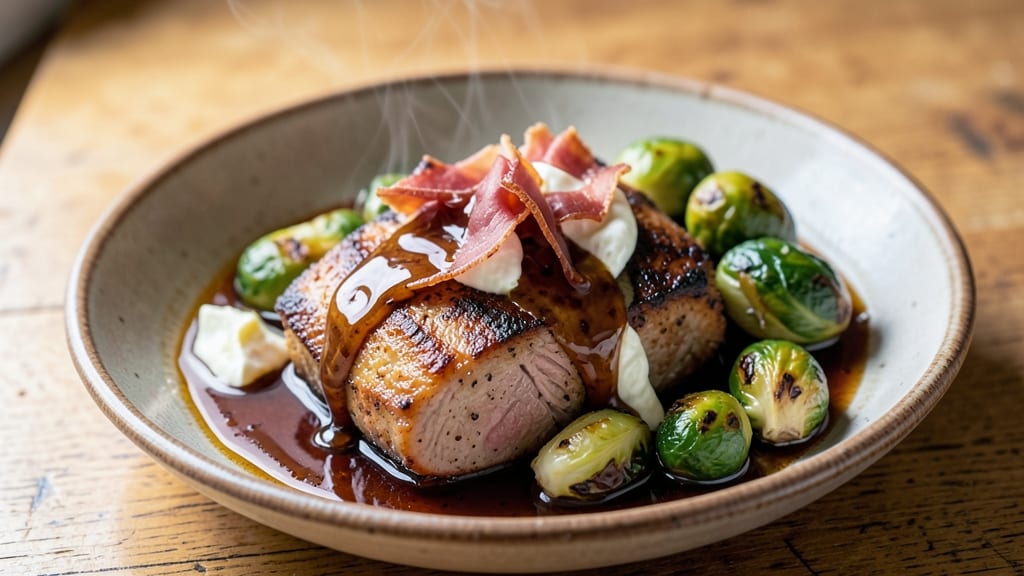
This balsamic glaze sauce recipe transforms simple pantry staples into a rich, glossy drizzle that elevates everything from grilled meats to fresh salads. The slow reduction process creates deep, caramelized flavors that balance sweet and tangy notes perfectly. I developed this version after years of testing—it's the one that finally delivers that restaurant-quality finish at home without any shortcuts.
What makes this sauce special is the two-stage reduction technique: first simmering with sugar to break down the vinegar's acidity, then reducing further until it reaches that perfect glossy consistency. The result is a sauce that's thick enough to cling but still flows beautifully when drizzled.
This version includes optional vanilla or citrus zest for added complexity, though the classic balsamic-sugar combination works beautifully on its own.
By the time you're done, you'll have a versatile sauce that adds depth to grilled chicken, enhances caprese salads, and even brightens vanilla ice cream. The best part?
It keeps well in the refrigerator for up to two weeks, so you can make a big batch and use it throughout the month. The flavor actually improves as it sits, developing even more complexity over time.
Whether you're preparing for a dinner party or just want to elevate weeknight meals, this balsamic glaze is your secret weapon. The instructions are straightforward, and the ingredients are simple—just be patient during the reduction process. Let's get started on creating this restaurant-worthy sauce that will transform your dishes.
Ingredients for balsamic glaze sauce
Seven simple ingredients transform into a luxurious drizzle that elevates every dish effortlessly.
| Ingredient | Amount | Notes |
|---|---|---|
| Balsamic Vinegar 🍷 | 1 cup | High-quality aged balsamic preferred |
| Granulated Sugar 🍚 | ½ cup | White or brown sugar works |
| Vanilla Extract 🌿 | 1 tsp | Optional for added depth |
| Lemon Zest 🍋 | 1 tsp | Optional citrus brightness |
| Water 💧 | ¼ cup | For thinning if needed |
| Diamond Crystal Kosher Salt 🧂 | ½ tsp | Adjust to taste |
| Extra-Virgin Olive Oil 🫒 | 1 tbsp | For glossy finish |
The balsamic vinegar is the heart of this sauce—aged balsamic from Italy delivers the deepest flavor, but a good-quality supermarket version works too. I always grab mine from Trader Joe's or Whole Foods for that extra richness. The sugar isn't just for sweetness; it helps break down the vinegar's acidity during the slow reduction. Brown sugar adds subtle caramel notes, but white sugar works fine if that's what you've got. For the vanilla and zest, fresh is ideal, but imitation vanilla extract or dried zest in a pinch will still add brightness.
No vanilla? Almond extract at half the amount gives a similar warmth. Skip the citrus entirely if you prefer the classic balsamic profile, but the zest adds a lovely brightness that pairs perfectly with grilled meats. If your sauce thickens too much during reduction, add a splash of water—it should coat the back of a spoon but still flow when drizzled. The olive oil at the end isn't just for richness; it creates that signature glossy finish that makes the sauce look restaurant-worthy. High-quality EVOO makes all the difference here—don't skimp on this final touch.
This sauce develops flavor over time, so it's worth making a big batch. Store it in a clean glass jar in the fridge for up to 2 weeks, though I usually use mine up within a week. The flavor actually improves as it sits, becoming more complex and balanced. For a quick drizzle, let it sit at room temperature for 10 minutes before using—it flows much better when slightly warmed. If you make extra, freeze portions in ice cube trays for easy single-use servings later.
Why You'll Love This Recipe
- Pantry Magic: I swear, this glaze comes together with stuff I always have—no fancy shopping required. Just vinegar, sugar, and a splash of water simmered until it thickens into something ridiculously good.
- Sweet-Tart Magic: That first tangy bite? Then the sugar melts it into something smooth and addictive—like dessert and savory had a baby. The vanilla and lemon zest make it taste like a hug for your taste buds.
- Dress-Up Anything: Drizzle it over grilled chicken, toss it with roasted veggies, or even slather it on toast with ricotta. It’s my go-to for turning simple meals into something that feels special—no extra effort, just flavor.
- Make-Ahead MVP: Simmer a big batch, let it cool, and it’ll keep for weeks in the fridge. Less stress on busy nights, more time for actual eating. Plus, it’s cheap—like, pennies-per-serving cheap.
Step-by-step instructions for balsamic glaze sauce
Here's how to transform simple pantry staples into a rich, velvety glaze with layers of flavor.
Combine Ingredients in a Saucepan
In a medium saucepan, pour in the 1 cup balsamic vinegar and add the 0.5 cup granulated sugar. Stir until the sugar dissolves completely, creating a smooth base. This step ensures even distribution of flavor and prevents graininess in your finished glaze.
Next, add the 1 tsp vanilla extract and 1 tsp lemon zest - these ingredients will infuse subtle depth and brightness. If using, sprinkle in the 0.5 tsp diamond crystal kosher salt and stir gently. The zest will need to steep during cooking, so don't worry about it dissolving completely yet.
Simmer Until Reduced by Half
Place the saucepan over medium heat and bring to a gentle simmer. You'll see small bubbles forming at the edges but not vigorous boiling. Let it reduce for 15-20 minutes, stirring occasionally with a wooden spoon to prevent scorching at the bottom.
Here's the thing - you want to reduce it until the mixture thickens noticeably and coats the back of a spoon. The color will deepen from amber to rich mahogany as the sugars caramelize. If it starts to bubble too vigorously, reduce the heat slightly to maintain a gentle simmer.
Add Water and Finish with Olive Oil
Once reduced by about half (you should have roughly ½ cup liquid remaining), remove from heat and stir in the 0.25 cup water. This helps balance the intensity and creates the perfect pouring consistency. If you prefer a thicker glaze, reduce the water slightly or omit it completely.
Finally, stir in the 1 tbsp extra-virgin olive oil while the mixture is still warm. This creates that signature glossy finish and adds a subtle fruity note. The oil should emulsify into the glaze, giving it that luxurious sheen that makes it perfect for drizzling.
Cool and Adjust Seasoning
Let the glaze cool for 10-15 minutes at room temperature. This resting period allows all the flavors to meld together. Taste and adjust the seasoning - you might want to add a pinch more salt or a splash of water if it's too thick for your preference.
The glaze should be smooth, syrupy, and ready to drizzle over your favorite dishes. For best results, use it immediately, but it will keep in an airtight container in the refrigerator for up to 2 weeks. The flavors actually deepen as it sits, making it perfect for gifting or batch cooking.
Pro Tips For Making Balsamic Glaze Sauce
- Simmer Low and Slow: I used to rush this and end up with a sharp, vinegary mess instead of a rich, syrupy glaze. Drop the heat to medium-low once the mixture starts bubbling—you want tiny, consistent bubbles, not a frenzied boil. If it’s splattering, you’re doing it wrong.
- Zest First, Then Add: Tossing in lemon zest at the end? You’re just flavoring the surface. Fold it in with the vanilla extract halfway through simmering—this lets the citrus oils infuse properly. (And yes, even if you’re impatient like me, resist the urge to add it last.)
- Skip the Cheap Vinegar: That $2 balsamic vinegar from the clearance aisle? It’ll taste like it came from one. Splurge on aged balsamic reduction (the thick, syrupy kind) or at least a decent-quality balsamic vinegar—it makes a real difference in depth of flavor.
- Save the Sugar for Later: Add all the sugar at once, and you’ll end up with a sticky, unmeltable mess. Instead, stir in half the sugar first, let it dissolve completely, then add the rest once the mixture is actively simmering. (This isn’t the prettiest method, but it’s the tastiest.)
Wine and beer pairings for these flavors
Classic Red Wine Pairings
For this rich, caramelized glaze, I always reach for a medium-bodied Italian red like Chianti Classico or Sangiovese. The bright acidity in these wines cuts through the sauce's sweetness while complementing its deep balsamic notes.
A Barolo from Piedmont works beautifully too—its earthy tannins stand up to the sauce's intensity. 🍷
If you prefer something lighter, a Pinot Noir from Oregon or Burgundy offers a delicate balance. The wine's subtle fruitiness enhances the glaze's vanilla and citrus undertones without overpowering them. Avoid heavy, oaky wines like Cabernet Sauvignon—they'll clash with the sauce's bright acidity.
Crisp White Wine Options
A dry Riesling from Germany or Alsace is my go-to white wine pairing. Its natural sweetness and crisp acidity mirror the glaze's flavor profile perfectly. The mineral notes in the wine also cleanse your palate between bites. 🥂
For something lighter, try a Vermentino from Sardinia or a Pinot Grigio from Alto Adige. Both wines offer bright citrus and floral notes that harmonize with the glaze's vanilla and lemon zest. Avoid heavy whites like Chardonnay—they'll make the dish taste too rich.
Beer Pairings for Balance
A Belgian witbier like Hoegaarden or Stella Artois works surprisingly well. The wine's citrus and spice notes complement the glaze's brightness, while the effervescence cuts through the richness. For a malty option, try a German Helles—its subtle sweetness and crisp finish balance the sauce's tang. 🍺
If you prefer something stronger, a light lager like Peroni or Corona provides a clean, refreshing contrast. The beer's mild bitterness helps highlight the glaze's caramelized depth without overpowering it. Avoid heavy IPAs or stouts—they'll make the dish taste too bitter.
Unexpected Cocktail Pairings
For a fun twist, serve this glaze with a Aperol Spritz—the bitter-orange and bitter herbs in the cocktail echo the glaze's citrus and herbal notes. The effervescence also cleanses your palate between bites. 🍹
Another great option is a Negroni Sbagliato (a lighter, Prosecco-based version of the classic Negroni). The citrus and herbal notes in the cocktail complement the glaze's vanilla and lemon zest beautifully. The bubbles in the Prosecco also help balance the sauce's richness.
Nutrition facts
Frequently asked questions
Can I make this balsamic glaze without sugar?
The sugar plays a crucial role in breaking down the vinegar's acidity and creating that signature caramelized depth. If you're avoiding sugar, try using 1 tablespoon honey or maple syrup instead—it'll add natural sweetness while still helping with reduction. Just note the flavor will be slightly different, with more floral honey notes.
How do I know when the glaze is done reducing?
Your glaze is ready when it coats the back of a spoon smoothly and reduces to about ½ cup total volume. The color should deepen to a rich mahogany hue. For a quick test, dip a spoon in and let it drip—if it forms a slow, steady stream rather than dripping freely, it's perfect for drizzling.
Can I use this glaze on desserts?
This glaze adds a sophisticated touch to vanilla ice cream, pound cake, or even fresh berries. For desserts, you might want to reduce it slightly longer for a thicker consistency. The vanilla in the recipe already makes it dessert-friendly, but you could also add ½ teaspoon cinnamon for extra warmth.
Why did my glaze crystallize?
Crystallization happens when the sugar doesn't fully dissolve during the initial heating. To fix it, gently reheat the glaze with 1 tablespoon water until smooth, then reduce again. For prevention, make sure the sugar is completely dissolved before starting the reduction process. If you're using brown sugar, it's even more prone to crystallization.
How can I make this glaze spicier?
Add ½ teaspoon red pepper flakes during the reduction or finish with a pinch of cayenne. For a smoky twist, stir in ¼ teaspoon smoked paprika** after removing from heat. These additions work beautifully with grilled meats or roasted vegetables, balancing the sweet-tangy profile with heat.