
Sauces & Condiments
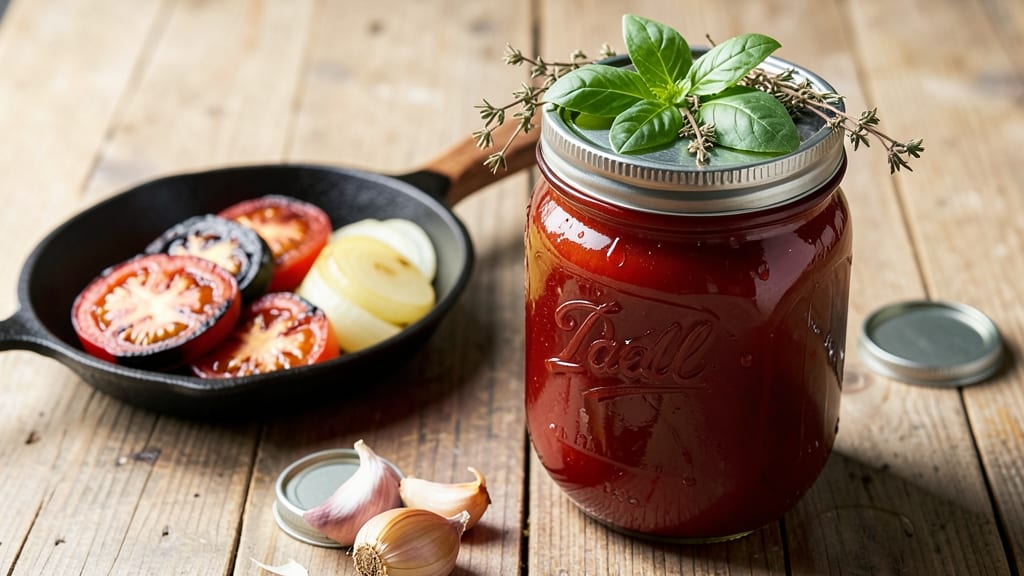
Mastering a ball tomato sauce canning recipe lets you capture summer’s bounty in glass jars for cozy winter meals. The slow simmering process concentrates natural sweetness while maintaining a smooth, velvety texture—perfect for year-round pasta nights.
I’ve perfected this method over years of canning, ensuring every batch meets USDA safety standards without sacrificing taste.
This recipe starts with ripe tomatoes, carefully peeled and crushed to remove skins while preserving juices. A touch of acid—whether from lemon juice or vinegar—ensures safe preservation, while aromatic herbs like basil and oregano infuse depth.
The sauce thickens naturally as it simmers, creating a rich, balanced consistency that’s ideal for canning.
By following precise sterilization and processing times, you’ll end up with jars of ball tomato sauce that stay fresh for months. The result? A pantry staple that rivals store-bought versions—complex, flavorful, and ready to elevate any meal. Let’s preserve that summer taste the right way.
Whether you’re a seasoned canner or trying this for the first time, this method delivers professional-quality results with simple techniques. Each jar becomes a flavorful time capsule, capturing the essence of peak tomato season. Ready to start?
Ingredients for ball tomato sauce canning
Twelve essential ingredients transform summer tomatoes into year-round pantry gold.
| Ingredient | Amount | Notes |
|---|---|---|
| Ripe Roma Tomatoes 🍅 | 10 lb | Peeled, crushed, seeds removed |
| Extra-Virgin Olive Oil 🫒 | ½ cup | High quality, fruity variety |
| Yellow Onion 🧅 | 1 whole | Finely chopped, yellow variety |
| Garlic Cloves 🧄 | 6 cloves | Peeled, minced, fresh preferred |
| Fresh Basil Leaves 🌿 | ½ cup | Packed, stems removed |
| Dried Oregano 🍃 | 1 tbsp | Mexican oregano preferred |
| Granulated Sugar 🍚 | ¼ cup | For natural sweetness balance |
| Lemon Juice 🍋 | ¼ cup | Freshly squeezed, acidity stabilizer |
| Salt 🧂 | 1 ½ tsp | Diamond Crystal preferred |
| Ball Mason Jars 🥫 | 7 jars | Pint size, sterilized |
| Lid and Ring Assemblies 🔒 | 7 pieces | New, unopened for sealing |
| Water 💧 | 1 cup | For sterilizing jars |
The quality of your tomatoes makes all the difference. Roma tomatoes are ideal for their meaty texture and low water content, but heirloom varieties work beautifully too—just ensure they're fully ripe. For best results, source from local markets or your garden during peak season. The Ball Mason jars must be sterilized properly: boil lids for 10 minutes in simmering water, then place jars in a separate pot of boiling water for 10 minutes. This ensures a perfect seal and preserves quality. Fresh basil and garlic should be purchased within 24 hours of canning to maximize flavor potency.
No fresh basil? Dried basil at one-third the amount works in a pinch, though it lacks the vibrant freshness. Substitute lemon juice with white vinegar or bottled lemon juice if needed, though fresh is preferred for optimal acidity. For those with dietary restrictions, reduce sugar to 0.25 cup or omit entirely, though it helps balance acidity during canning. The olive oil should be extra-virgin—lower quality oils can impart bitter flavors. If you're short on time, pre-minced garlic from the refrigerated section works, though fresh minced is superior. The onions can be substituted with shallots for a milder flavor profile.
Properly canned tomato sauce maintains quality for 12-18 months when stored in a cool, dark place. Label each jar with the date and contents using a permanent marker. For best results, store jars upright for the first 24 hours to allow the lids to seal completely. Once sealed, the sauce can be stored indefinitely, though flavor peaks within the first 6 months. When ready to use, simply open a jar and warm gently on the stove—no additional cooking required. The sauce thickens naturally during canning, but if you prefer a thinner consistency, add a splash of water or broth when reheating.
Why You'll Love This Recipe
- No Chopping Needed: I swear by this—just halve those Roma tomatoes and drop them in whole. The onions and garlic get softened right in the pot, so you’re not stuck dicing while dinner burns.
- Garlic-Basil Magic: That slow simmer with fresh basil and olive oil? It’s like a flavor bomb waiting to happen. The basil brightens everything, and the garlic—oh, the garlic—makes every spoonful sing.
- Pantry Staple Power: Between us, this sauce turns cheap canned beans into gourmet meals or stretches a small pot of pasta into a full feast. Honestly, I’ve used it for everything from bruschetta to soup, and it never lets me down.
- Canned for Later: Make a big batch, can it, and boom—you’ve got a year’s worth of weeknight dinners. No more last-minute grocery runs when you’re too tired to cook. Just open a jar, heat it up, and call it a win.
Step-by-step instructions for ball tomato sauce canning
Here's the precise method to transform fresh tomatoes into beautifully preserved sauce.
Prepare and Sterilize Equipment
Begin by sterilizing all 7 jars, lid and ring assemblies, and canning utensils. Place jars in a large pot and cover with 1 cup water. Bring to a boil for 10 minutes to ensure complete sterilization. Meanwhile, prepare a clean towel and keep lids and rings within reach.
While jars sterilize, thoroughly wash and dry your work surface. This prevents contamination during the hot filling process. Keep everything ready—you'll want to work efficiently once the sauce is hot. The sterilization step is non-negotiable; even small amounts of bacteria can compromise your sealed jars.
Cook the Tomato Base
In a large stockpot, combine the 10 lb ripe Roma tomatoes, 1 whole yellow onion (finely chopped), 6 cloves garlic cloves (minced), 0.25 cup granulated sugar, 1.5 tsp salt, and 0.25 cup lemon juice. Bring to a boil over medium-high heat, then reduce to a simmer. Cook uncovered for 30 minutes, stirring occasionally, until the mixture softens significantly.
After 30 minutes, use an immersion blender to purée the mixture until smooth. If you prefer texture, leave it slightly chunky. Return to a boil, then stir in the 0.5 cup extra-virgin olive oil and 1 tbsp dried oregano. Simmer for another 15 minutes until the sauce thickens slightly. The sauce should coat the back of a spoon—this ensures proper sealing in the jars.
Fill and Seal the Jars
Ladle the hot sauce into the sterilized 7 jars, filling each to within ½ inch of the rim. Use a non-metallic spoon to avoid scratching the glass. Remove air bubbles by sliding a clean chopstick or jar lifter along the inside of each jar. Wipe the jar rims with a clean, damp cloth to ensure a proper seal.
Place the lids on the jars and screw on the rings until fingertip-tight. Don't overtighten—the lids need room to seal properly. Transfer the filled jars to a canning pot or large pot filled with 2 inches of hot water. Bring to a boil and process for 45 minutes for pint-sized jars. The water must cover the jars completely during processing.
Cool and Store the Canned Sauce
After processing, remove the jars from the pot and place them on a clean towel. Let them cool undisturbed for 12 hours. You'll hear the satisfying "ping" as the lids seal. Check each lid by pressing in the center—if it doesn't pop back, the jar is properly sealed.
Once cooled, label the jars with the date and store in a cool, dark place. Properly sealed jars will keep for 12-18 months. If any jars don't seal, refrigerate and use within 1 week. The sealed sauce will develop deeper flavors over time, making it perfect for future pasta dishes, soups, or braises.
Pro Tips For Making Ball Tomato Sauce Canning
- Blister, Don’t Burn: DESCRIPTION: Roma tomatoes need to soften first—not char into oblivion. Start with a screaming-hot pot, then lower to medium-low once they’re blistered and splitting open. I learned this the hard way: blackened skins taste bitter, and you’ll be peeling for hours.
- Core the Tomatoes: DESCRIPTION: Twist out the stems with your fingers—don’t slice. A deep X cut lets water pool inside, turning your sauce watery during canning. My grandmother swore by this, and she was right: dry tomatoes = thick sauce.
- Sauté Onion Low: DESCRIPTION: Cook onions until just translucent—no color, no caramel. Overdo it, and they’ll turn bitter, clashing with the bright tomato flavor. I skip the browning step entirely; the sauce stays fresh-tasting, not smoky.
- Add Basil Late: DESCRIPTION: Tuck fresh basil into jars after processing—it wilts into mush if boiled. For a shortcut, use 1/4 cup dried basil per batch (it’s less potent but foolproof). Yes, even if you’re impatient like me.
Best sauces and condiments for this recipe
Classic Pasta Pairings
This ball tomato sauce shines with al dente spaghetti or bucatini, where its velvety texture clings perfectly to each strand. Toss with fresh basil leaves and a drizzle of extra-virgin olive oil for an authentic Italian experience.
For heartier dishes, pair with rigatoni or penne—the sauce's depth complements their ridges beautifully. 🍝
Meatballs and Meatloaf
Use this sauce as a base for homemade Italian meatballs, simmering them directly in the jarred sauce for 15-20 minutes until tender. The sauce's natural sweetness balances the richness of ground beef or turkey.
It also elevates classic meatloaf: spread a layer on the bottom of your loaf pan before adding the meat mixture, then top with another layer after baking. 🥩
Pizza and Flatbread
Spread a thin layer of warmed sauce over homemade pizza dough before adding toppings like mozzarella, pepperoni, or caramelized onions. For flatbreads, brush the sauce lightly over naan or pita and top with ricotta cheese and sun-dried tomatoes.
The sauce's acidity cuts through the richness of cheeses beautifully. 🍕
Soups and Stews
Stir a cup of this sauce into minestrone soup or beef stew for instant depth. Its concentrated flavor elevates simple broths—just heat 1-2 cups with your soup ingredients and simmer for 10 minutes.
For a quick weeknight meal, combine with cannellini beans, kale, and crispy pancetta for a rustic Italian-inspired stew. 🍲
Dipping Sauces
Thin the sauce with a splash of warm water or broth to create a vibrant dip for garlic bread, mozzarella sticks, or fried calamari.
Add a pinch of red pepper flakes for heat or grated Parmesan for extra richness. This makes a fantastic appetizer sauce that’s ready in minutes. 🍴
Braised Dishes
Use the sauce to braise chicken thighs or short ribs for a hands-off, flavor-packed meal. Brown the meat first, then add 1 cup sauce per pound of meat and simmer covered for 2-3 hours until tender.
The sauce’s natural sweetness caramelizes beautifully, creating a glossy finish. Serve with polenta or crusty bread to soak up every bit. 🍖
Nutrition facts
Frequently asked questions
Why do I need to add lemon juice or vinegar to tomato sauce for canning?
Acidification is critical for safe canning. Tomatoes alone aren't acidic enough to prevent botulism growth. The 0.25 cup lemon juice creates an environment where harmful bacteria can't thrive. Without proper acidity, even properly sealed jars could become dangerous over time. Always test your sauce's pH—it should measure below 4.6.
Can I use regular canning jars instead of Ball Mason jars?
Yes, any properly sized canning jars will work as long as they're rated for processing in a boiling water bath. Ball jars are just the most common brand. Just ensure your jars are pint-sized (16 oz) and have a two-piece lid system. The key is proper sterilization—all jars must be clean and free of cracks.
What should I do if my jars don't seal properly?
First, check for any visible cracks in the jars or lids. If the seal is compromised, refrigerate the sauce and use it within 1 week. Common causes include: not enough headspace (½ inch minimum), lids not tightened properly, or processing time too short. For future batches, verify your water covers the jars by 2 inches during processing.
How can I tell if my canned tomato sauce has gone bad?
Look for these red flags: bulging lids, foul odors, mold growth, or liquid that's discolored or cloudy. If any jar shows these signs, discard it immediately. Even if the seal looks intact, when in doubt, throw it out. Properly sealed jars should keep for 12-18 months without spoilage. Always store in a cool, dark place away from heat sources.
Can I adjust the thickness of the sauce before canning?
Yes, but with caution. For a thicker sauce, simmer uncovered for 5-10 extra minutes to evaporate more liquid. For thinner sauce, add 1-2 tablespoons water per pint jar after filling. Avoid adding too much liquid—this can prevent proper sealing. The sauce will naturally thicken slightly during the 45-minute processing time anyway.