
Sauces & Condiments
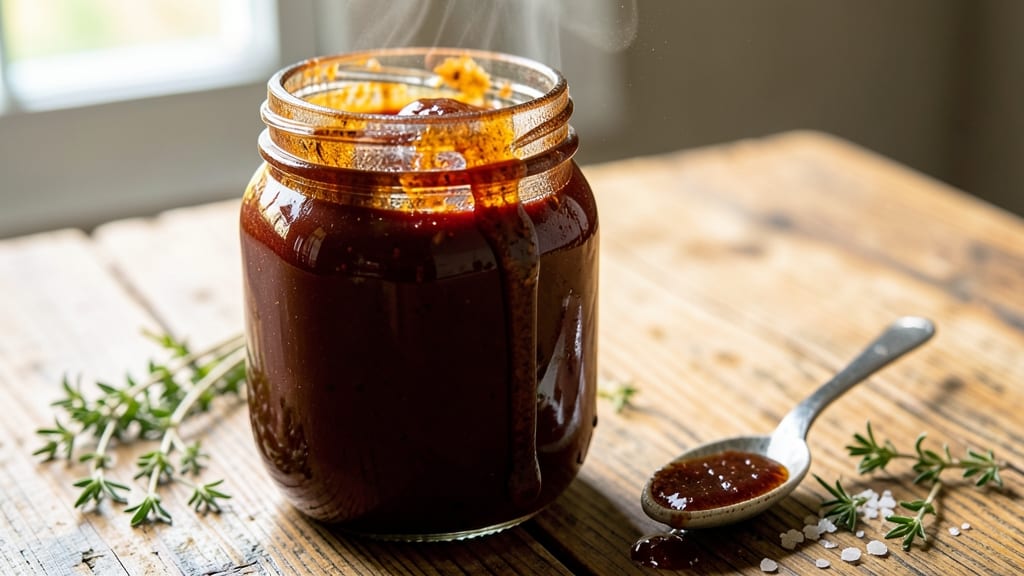
This Ball canning BBQ sauce recipe transforms summer's bounty into a pantry staple that delivers restaurant-quality depth every time you open a jar. The secret lies in balancing smoky paprika, molasses, and vinegar for a sauce that thickens beautifully during canning while maintaining vibrant flavor for months.
What sets this recipe apart is its shelf-stable reliability—proper sterilization and processing ensure safety while preserving that rich, caramelized flavor.
We'll cover exact canning times, jar preparation, and storage tips to guarantee your sauce stays perfect for up to a year, ready to elevate grilled meats or dipping boards whenever cravings strike.
The result is a versatile, smoky-sweet sauce with just the right tang to cut through rich meats. Whether you prefer a classic Kansas City style or a vinegar-forward kick, this method delivers professional-quality results that taste homemade. The slow-cooked base transforms simple ingredients into something extraordinary.
Perfect for meal preppers, BBQ enthusiasts, or anyone who loves having a reliable sauce on hand. Let's get started with the foolproof technique that makes canning BBQ sauce both rewarding and stress-free.
Ingredients for ball canning bbq sauce
Twelve simple yet transformative ingredients create a shelf-stable BBQ sauce with restaurant-quality depth.
| Ingredient | Amount | Notes |
|---|---|---|
| Tomatoes (San Marzano if available) 🍅 | 4 cups | Crushed or diced, fresh or canned |
| Apple Cider Vinegar 🍏 | ½ cup | For tangy depth |
| Molasses 🍯 | ¼ cup | Unsulphured preferred |
| Smoked Paprika 🌶️ | 2 tbsp | High-quality for smokiness |
| Brown Sugar 🍚 | ½ cup | Light or dark works |
| Onion Powder 🧅 | 1 tbsp | For subtle depth |
| Garlic Powder 🧄 | 1 tbsp | Freshly ground preferred |
| Mustard Powder 🌶️ | 1 tsp | For subtle heat |
| Ground Black Pepper 🌶️ | ½ tsp | Freshly cracked |
| Salt 🧂 | 1 ½ tsp | Diamond Crystal preferred |
| Blackstrap Molasses 🍯 | 1 tbsp | For rich caramel notes |
| Cayenne Pepper 🔥 | ¼ tsp | Adjust for heat |
The foundation begins with San Marzano tomatoes—their sweet, consistent flavor is non-negotiable for canning. Fresh tomatoes work beautifully, but high-quality canned tomatoes (like Muir Glen) save time without sacrificing quality. For vinegar, apple cider vinegar delivers the perfect balance of tang without overpowering. Molasses selection matters: unsulphured molasses retains its rich flavor during processing, while sulphured versions can impart an off-taste. Smoked paprika is where the magic happens—Penzeys or McCormick brands deliver consistent smokiness. Brown sugar should be light for subtle sweetness, while blackstrap molasses adds depth without overpowering the sauce's complexity.
No San Marzano tomatoes? Crushed tomatoes in 28-oz cans work fine—just drain excess liquid. Vinegar shortages? White vinegar or balsamic can be substituted, though apple cider remains ideal. Molasses unavailable? Maple syrup or honey (though honey isn't shelf-stable for canning) can provide sweetness, though molasses's unique depth is unmatched. For heat adjustments, reduce cayenne for mild versions or add a pinch of cinnamon for warmth. The spices—onion powder, garlic powder, and mustard powder—should be freshly ground if possible, as pre-ground spices lose potency quickly. If you're making a vinegar-forward version, increase vinegar to 0.75 cup and reduce molasses to 0.125 cup for balance.
This sauce is designed for long-term storage—properly canned batches will maintain quality for up to 18 months. Store unopened jars in a cool, dark pantry away from heat sources. Once opened, refrigerate and use within 6 months. For best results, sterilize jars and lids using the boiling water bath method. The sauce thickens further during processing, so leave headspace at 1/2-inch to prevent jar breakage. For meal prep, divide into smaller containers before freezing—single servings thaw quickly and maintain texture. The sauce's versatility makes it perfect for grilling, slow-cooked meats, or as a dipping sauce, though its depth truly shines when paired with smoked brisket or pulled pork.
Why You'll Love This Recipe
- Pantry Magic: I swear by this sauce because it uses stuff I already have—no last-minute grocery runs. That molasses and vinegar combo? It’s the secret to depth without extra effort, and the smoked paprika adds smokiness in a single pinch.
- Deep Umami Boom: The San Marzano tomatoes (or regular crushed ones) simmer down into something rich and tangy, while the brown sugar caramelizes just enough to balance the vinegar’s bite. Honestly, it’s the kind of flavor that makes you pause mid-bite and go, “Wait, is this even homemade?”
- Year-Round Backup: I keep jars of this in my pantry for lazy Tuesdays, potlucks, or when guests drop by unannounced. Slather it on grilled chicken, toss it with baked beans, or drizzle it over pulled pork—it’s the MVP of easy meals.
- No-Waste Win: Between us, this sauce is my budget-friendly hack. A single batch stretches across three meals, and the leftovers? They just get better with time. Plus, canning it means I’m never scrambling for store-bought sauce again—just open, pour, and enjoy.
Step-by-step instructions for Ball canning BBQ sauce
This method delivers a rich, balanced sauce with perfect canning safety and long shelf life.
Prepare the Base Ingredients
Combine the 4 cups Tomatoes (San Marzano if available) with the 0.5 cup Apple Cider Vinegar in a large, heavy-bottomed pot. Use crushed or diced tomatoes for even cooking and better texture. Add the 0.25 cup Molasses and 0.5 cup Brown Sugar, stirring until the sugar dissolves completely. This creates the foundation for your sauce's signature smoky-sweet balance.
I like to use unsulphured molasses here—it has a cleaner flavor without the metallic aftertaste. If you're using canned tomatoes, drain them well to avoid excess liquid that could dilute the sauce. Bring the mixture to a gentle boil over medium-high heat, then reduce to a simmer for 15 minutes. This initial cooking step helps break down the tomatoes and develop the base flavors before adding the dry ingredients.
Incorporate Dry Seasonings
While the tomato mixture simmers, whisk together the 2 tbsp Smoked Paprika, 1 tbsp Onion Powder, 1 tbsp Garlic Powder, 1 tsp Mustard Powder, 0.5 tsp Ground Black Pepper, 1.5 tsp Salt, 1 tbsp Blackstrap Molasses, and 0.25 tsp Cayenne Pepper in a small bowl. The smoked paprika is crucial here—it provides that authentic BBQ smokiness without needing actual smoke. Blackstrap molasses adds depth and a slight bitterness that complements the sweetness.
Gradually sprinkle the dry mixture into the simmering tomatoes while stirring continuously. This prevents clumping and ensures even distribution. Let the sauce simmer uncovered for another 20-25 minutes, stirring occasionally. You're looking for a thick, syrupy consistency that coats the back of a spoon. If it thickens too quickly, add 1-2 tablespoons of water to maintain the proper texture for canning.
Adjust Consistency and Prepare for Canning
After simmering, taste the sauce and adjust the seasoning if needed. The brown sugar should provide sweetness, the apple cider vinegar tang, and the molasses depth. The cayenne pepper adds subtle heat that develops over time. For a smoother texture, use an immersion blender to gently blend the sauce—just until it's uniform, not completely smooth.
Let the sauce cool to room temperature before canning. This cooling period allows flavors to meld and prevents condensation in the jars during processing. Once cooled, carefully ladle the sauce into hot, sterilized pint or half-pint jars, leaving ½-inch headspace. This headspace is critical for proper sealing during the canning process.
Process Jars According to Ball Canning Guidelines
Prepare your canner according to the manufacturer's instructions, ensuring it's filled with hot water (not boiling) to the recommended level. Place the filled jars into the canner using a jar lifter, maintaining the ½-inch headspace. Process pint jars for 90 minutes and half-pint jars for 85 minutes at 10 pounds of pressure (adjust for altitude if needed). This processing time ensures the sauce reaches the proper temperature to kill bacteria and create a vacuum seal.
After processing, remove the jars using tongs and place them on a clean towel to cool undisturbed for 12-24 hours. You'll hear the satisfying "ping" as the jars seal. Check each lid by pressing in the center—if it doesn't pop back up, the jar is properly sealed. Store sealed jars in a cool, dark place for up to 12 months. The flavors will continue to develop and deepen over time, making this sauce perfect for gifting or long-term storage.
Pro Tips For Making Ball Canning Bbq Sauce
- Simmer Slow and Low: Cook your sauce at a steady simmer—around 180°F (82°C)—for at least 3 hours. Rushing it with high heat turns the molasses bitter and skips the chance for the smoked paprika to mellow into deep, smoky flavor. (Yes, even if you’re impatient like me, trust the process.)
- Peel and Crush Tomatoes: Skip the hassle of peeling San Marzanos—just blanch them whole for 30 seconds, then crush by hand. The skins stay intact but soften, giving your sauce a smoother texture without wasting time or pulp. (Your future self will thank you.)
- Balance the Vinegar Early: Add half the apple cider vinegar upfront, then taste and adjust after 2 hours of cooking. Vinegar’s acidity changes as it cooks—adding it all at once can make your sauce taste harsh later. (I learned this after a batch that tasted like a science experiment gone wrong.)
- Strain for Smoothness: After simmering, strain the sauce through a fine-mesh sieve to remove seeds and skin bits. It’s extra effort, but the result is a velvety texture that’s perfect for canning and dipping. (Does it look weird? Yes. Does it work? Every single time.)
Wine and beer pairings for these flavors
Red Wine Pairings
For this rich, molasses-forward BBQ sauce, I reach for Zinfandel—its jammy blackberry notes and subtle spice mirror the sauce's caramelized depth. A California Zinfandel (like Ravenswood) with its velvety texture and hints of vanilla from oak aging creates perfect harmony.
The wine's natural acidity cuts through the sauce's sweetness while its dark fruit complements the smoky paprika. 🍷
Rosé for Balance
If you prefer something lighter, a dry rosé with crisp acidity works beautifully. Look for a Provençal rosé from Whispering Angel or Château d'Esclans—their strawberry and citrus notes provide refreshing contrast to the sauce's smokiness.
The pale hue won't overpower your dish, making it ideal for summer BBQs where you want to keep things fresh.
Beer Pairings
A smoked porter like Founders Kentucky Breakfast Stout (though technically a stout) delivers the perfect smoky depth to match the sauce's paprika. For something lighter, try a wheat beer with a touch of smoke—Allagash White works wonders.
The beer's effervescence cleanses your palate between bites, while the subtle malt sweetness complements the molasses. 🍺
Craft Cider Option
Don't overlook dry hard cider—a hard apple cider from Angry Orchard or Woodchuck adds a crisp, slightly tart dimension that enhances the vinegar in the sauce. The cider's apple notes echo the sauce's apple cider vinegar while providing a refreshing finish. Serve it slightly chilled for optimal balance.
Non-Alcoholic Pairings
For a refreshing non-alcoholic option, try sparkling water with lime—the effervescence cuts through the sauce's richness while the citrus brightens the palate. For something more substantial, a ginger beer like BrewDog Ginger Beer adds a spicy kick that complements the cayenne in the sauce.
Both options keep your meal feeling light and refreshing. 💧
Regional Specialties
In the South, where BBQ reigns supreme, I often pair this sauce with a sweet tea—the honey's floral notes contrast beautifully with the smoky depth. For Texas-style gatherings, a Mexican lager like Modelo Especial provides the perfect crisp, clean finish.
Each pairing reflects the regional spirit while enhancing the sauce's natural flavors. 🌶️
Nutrition facts
Frequently asked questions
Can I use regular vinegar instead of apple cider vinegar?
Yes, but expect a slightly different flavor profile. White vinegar or balsamic will work, though apple cider vinegar's fruity notes better complement the molasses and tomatoes. For a vinegar-forward sauce, increase to 0.75 cup and reduce molasses to 0.125 cup. The acidity level remains safe for canning as long as you maintain the 0.5 cup total vinegar requirement.
Why does my homemade BBQ sauce get watery during canning?
This happens when the sauce isn't thick enough before processing or if jars aren't filled properly. Always simmer until the sauce coats the back of a spoon, then cool completely before canning. Leave exactly ½-inch headspace—too much liquid creates air pockets that prevent proper sealing. If it's still too thin, simmer uncovered for 10-15 extra minutes to reduce before canning.
How do I adjust this recipe for a sweeter or spicier sauce?
For extra sweetness, add ¼ cup more brown sugar and reduce vinegar by 1 tbsp to balance. For heat, increase cayenne to ½ tsp or add ¼ tsp chipotle powder. Remember: spices intensify during canning, so start conservative. Taste after cooling but before canning to avoid overpowering flavors in sealed jars.
Can I can this sauce in wider-mouth pint jars?
Yes, but processing times remain the same. Wider-mouth jars make filling easier, especially with thick sauces. Just ensure you maintain ½-inch headspace and use proper lids designed for wide-mouth jars. The wider opening also makes it simpler to stir in additional ingredients if you want to customize batches later.
What's the shelf life after opening a sealed jar?
Once opened, refrigerate and use within 6 months for best quality. The sauce will thicken further in the fridge, so stir before using. For longer storage, portion into ice cube trays, freeze, then transfer to freezer bags. Frozen sauce maintains quality for up to 12 months—perfect for meal prepping!