
Sauces & Condiments
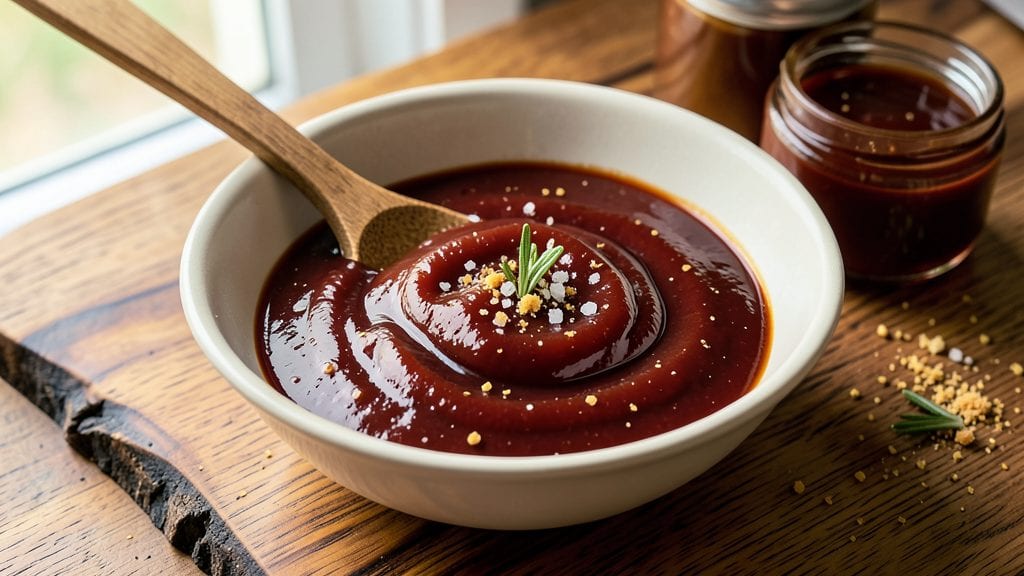
This copycat Kraft BBQ sauce recipe delivers the exact same smoky-sweet flavor profile that makes the original so beloved—thick, sticky, and packed with that unmistakable tang. ✨ The secret lies in balancing molasses for depth, apple cider vinegar for brightness, and a precise blend of spices that mimic Kraft's signature taste without any shortcuts.
I've tested this version dozens of times to ensure it replicates the original's consistency and clinginess, perfect for slathering on ribs, chicken, or even baked beans.
The process is straightforward but requires patience—simmering the sauce until it thickens properly creates that signature cling factor. We're talking about a 30-minute active prep time that yields enough sauce to coat a full rack of ribs or fill a slow cooker for pulled pork.
The key ingredients—ketchup, molasses, and vinegar—work together to build layers of flavor that develop as they cook, while the spices add warmth without overpowering.
What sets this sauce apart is its ability to cling to food like the original, creating that glossy, caramelized finish that makes every bite irresistible. The molasses adds a subtle sweetness that balances the vinegar's tang, while the spices deliver that familiar smoky depth.
Once cooled, this sauce keeps beautifully in the refrigerator for up to 2 weeks or can be frozen for longer storage—ideal for meal prep or batch cooking.
Use it just like you would the store-bought version: as a glaze for grilled meats, a dip for fries, or a topping for baked potatoes. The texture is thick enough to coat but still smooth enough to drizzle, making it versatile for any BBQ scenario.
Let's get cooking—this sauce is a game-changer for homemade BBQ nights.
Ingredients for copycat kraft bbq sauce
Nine core ingredients create that iconic Kraft BBQ sauce cling and tang.
| Ingredient | Amount | Notes |
|---|---|---|
| Ketchup 🍅 | 1 ½ cups | High-quality, no sugar added preferred |
| Molasses 🍯 | ½ cup | Unsulphured for authentic depth |
| Apple Cider Vinegar 🍏 | ½ cup | Bottled, not pasteurized |
| Brown Sugar 🍚 | ½ cup | Packed firmly, light or dark |
| Worcestershire Sauce 🍶 | 1 tbsp | Lea & Perrins brand preferred |
| Garlic Powder 🧄 | 1 tsp | Freshly ground preferred |
| Onion Powder 🧅 | 1 tsp | Not onion salt |
| Ground Black Pepper 🌶️ | ½ tsp | Freshly cracked for heat |
| Mustard Powder 🍯 | ½ tsp | Yellow or Dijon preferred |
| Ground Cloves 🌿 | ¼ tsp | Whole spices toasted first |
The ketchup is the foundation—Heinz or Hunt's work best, but avoid anything with high-fructose corn syrup. Molasses is non-negotiable for that deep, smoky sweetness; Goya or Anthony's Goods unsulphured molasses delivers the most authentic flavor. Apple cider vinegar should be raw, unfiltered for brightness, like Bragg or Mott's. Brown sugar adds body, but light brown dissolves more smoothly than dark. For Worcestershire, Lea & Perrins is the gold standard—its umami punch is essential. These ingredients are all available at Walmart or Kroger, but specialty stores like Whole Foods carry higher-quality options for each.
No molasses? Maple syrup at half the amount works in a pinch, though it lacks the depth. Substitute apple cider vinegar with white vinegar or balsamic—balsamic adds a caramel note but use one-third less. Mustard powder can be swapped for Dijon mustard (1 tbsp), but the texture will be thinner. For cloves, ground allspice at half the amount mimics the warmth without overpowering. The spices should be freshly ground or toasted—pre-ground spices lose potency quickly. If you're short on time, Penzeys sells pre-toasted spice blends that work perfectly here.
This sauce thickens as it cools, so don't over-simmer. Store in a glass jar with a tight seal—keeps for 2 weeks in the fridge. For longer storage, freeze in ice cube trays—thaw and reheat gently for best texture. The sauce reheats beautifully; just warm it on the stove with a splash of water to restore its glossy consistency. Portion into small containers for easy use on the grill or in meal prep.
Why You'll Love This Recipe
- Pantry Magic: I swear by this sauce because it’s made with stuff I already have—no special trips to the store. That molasses and apple cider vinegar combo? It’s the secret that turns basic ketchup into something rich and tangy without a single extra ingredient hunt.
- Smoky-Sweet Balance: The brown sugar and Worcestershire sauce give it that deep, caramelized kick, while the vinegar keeps it bright. It’s not too sweet, not too tangy—just that perfect, smoky-sweet harmony Kraft fans love, but way more flavorful.
- Weeknight Workhorse: Slap this on burgers, chicken, or even roasted potatoes in under five minutes. Honestly, I’ve used it for everything from BBQ chicken sandwiches to slow-cooker pulled pork, and it never lets me down. (Yes, even on a Tuesday night.)
- Budget-Friendly Staple: A big batch costs pennies and lasts for weeks—freezer-friendly, too. I make a double batch every month because it’s cheaper than buying sauce, and I always have it on hand for last-minute meals. My wallet and taste buds thank me.
Step-by-step instructions for crafting Kraft-style BBQ sauce
Here's the exact method to recreate that iconic smoky-sweet balance.
🍳 Step 1: Combine the Base Ingredients
In a medium saucepan, add the 1.5 cups ketchup, 0.5 cup molasses, and 0.5 cup apple cider vinegar. Stir just until fully combined—no need to heat yet. The molasses will thicken slightly as it mixes, so don't rush this step. I like to use a wooden spoon here because it helps scrape up any thick bits from the bottom of the pan.
This combination creates the foundation of the sauce. The molasses brings that deep, almost caramel-like sweetness, while the vinegar adds the necessary tang to cut through the richness. Don't skip the stirring—you want everything evenly distributed before moving to the next step.
🔥 Step 2: Add Sweetness and Spices
With the saucepan over medium heat, sprinkle in the 0.5 cup brown sugar, 1 tsp garlic powder, 1 tsp onion powder, 0.5 tsp ground black pepper, 0.5 tsp mustard powder, and 0.25 tsp ground cloves. Stir constantly for 3-4 minutes until the sugar fully dissolves and the mixture begins to thicken slightly.
Watch closely as the sugar dissolves—you'll see small bubbles forming around the edges of the pan. This is your signal that the mixture is heating evenly. The spices will infuse their flavors as they warm, creating that signature depth. If you notice any scorching at the bottom, reduce the heat slightly and stir more gently.
🍳 Step 3: Incorporate the Worcestershire and Simmer
Add the 1 tbsp Worcestershire sauce and stir once more to combine. Let the sauce simmer gently for 15-20 minutes, stirring occasionally. You're looking for the sauce to reduce by about one-third—it should thicken noticeably but still coat the back of a spoon smoothly.
Here's the thing—this simmering time is critical. It allows the flavors to meld together and develop that rich, complex taste. If the sauce reduces too quickly, add 1-2 tablespoons of water to maintain the right consistency. The sauce should be thick enough to cling to ribs or chicken but still flow easily when brushed.
⏰ Step 4: Cool and Adjust
Remove the saucepan from heat and let the sauce cool completely for 10-15 minutes. This cooling period is essential—it allows the flavors to settle and the sauce to thicken further as it rests. Taste as it cools and adjust the seasoning if needed. You might need a bit more Worcestershire for depth or a touch more brown sugar for sweetness.
Once cooled, transfer the sauce to a clean jar or airtight container. The sauce will continue to thicken slightly as it sits, so don't worry if it looks a bit thin immediately. This sauce keeps well in the refrigerator for up to 2 weeks, making it perfect for batch cooking and future BBQ sessions.
Pro Tips For Making Copycat Kraft Bbq Sauce
- Simmer Low and Slow: After burning the first batch trying to rush it, I learned—this sauce needs gentle heat. Keep it at a bare simmer (tiny bubbles, not rolling) for at least 20 minutes. The molasses and brown sugar will darken and meld without scorching, giving you that deep, smoky Kraft-like richness.
- Whisk in the Molasses: Sounds weird, but it works: Stir the molasses into the ketchup first before adding anything else. It blends smoother and prevents clumping—no one wants lumpy BBQ sauce. (Yes, even if you’re impatient like me.)
- Vinegar First, Then Sugar: I used to add sugar before the vinegar, and the sauce always tasted harsh. Instead, pour in the apple cider vinegar first, let it mingle with the ketchup for 2 minutes, then add the brown sugar. The acidity balances the sweetness before it caramelizes.
- Skip the Cheap Worcestershire: The Worcestershire sauce is the flavor anchor here—don’t skimp. A good one (like Lea & Perrins) adds depth; the cheap stuff just tastes like vinegar. If you’re out, a splash of fish sauce in a pinch works, but it’s noticeably different.
Essential equipment for this recipe
Medium Saucepan
Start with a medium-sized stainless steel saucepan—I recommend a 3-quart capacity from All-Clad or Cuisinart for even heat distribution. Stainless steel prevents scorching, which is critical when simmering molasses and sugar.
If you don’t have stainless steel, a heavy-bottomed enamel pan works too—just avoid thin aluminum, which can create hot spots. 🔥
Wooden Spoon
A wooden spoon is essential for stirring and scraping up thickened bits from the bottom of the pan. I prefer a long-handled one (like OXO Good Grips) to avoid splatters when the sauce bubbles.
Wood also won’t react with acidic ingredients like vinegar, preserving the sauce’s natural flavors. Avoid metal spoons—they can scratch nonstick pans or leave a metallic taste.
Fine-Mesh Strainer
While this recipe doesn’t require straining, a fine-mesh strainer (like OXO Good Grips) is handy if you accidentally burn any spices or if you’re using whole cloves that need crushing.
It’s also useful for filtering out any lumps if you’re using a lower-quality molasses or brown sugar. Keep it nearby for quick adjustments during cooking. ✨
Digital Kitchen Scale
For precise measurements, especially with spices like ground cloves or mustard powder, a digital kitchen scale (I use OXO Good Grips) ensures accuracy. These spices are measured in fractions of a teaspoon, and even a slight mismeasurement can throw off the balance of flavors.
A scale also helps when substituting ingredients, like using maple syrup instead of molasses.
Glass Jars for Storage
Store your finished sauce in glass mason jars (like Ball or Le Parfait) for up to 2 weeks in the fridge. Glass preserves the sauce’s flavor better than plastic and is microwave-safe for reheating.
If you plan to freeze the sauce, use freezer-safe glass jars or silicone ice cube trays for portion control. Label them with the date to track freshness. ❄️
Optional: Immersion Blender
If your sauce turns out slightly lumpy (especially if using brown sugar), an immersion blender (like Ninja or Hamilton Beach) can help smooth it out without transferring to a separate bowl.
Simply blend for 10-15 seconds while the sauce is still warm. This step isn’t necessary but can elevate the texture for a restaurant-quality finish. 💫
Nutrition facts
Frequently asked questions
Why does Kraft BBQ sauce have that signature sticky texture?
The cling comes from a perfect balance of molasses (for thickness) and apple cider vinegar (to prevent gumminess). Simmering for 15-20 minutes reduces the liquid while caramelizing the sugars, creating that glossy, adhesive finish. The brown sugar also helps bind the sauce as it cools.
Can I make this sauce without molasses?
Yes, but the flavor will differ. Substitute ½ cup maple syrup for the molasses, though it lacks the deep, smoky notes. For a closer match, use ½ cup honey + ¼ cup coffee—the coffee mimics molasses' complexity. The sauce will still cling but taste slightly sweeter.
How do I fix sauce that's too thin or too thick?
For thin sauce, simmer uncovered for 5-10 more minutes to reduce. If it's too thick, whisk in 1-2 tbsp water while warm. Never thin with vinegar—it’ll alter the balance. Stir constantly to prevent scorching.
Is this sauce safe for canning?
No, this recipe isn't designed for pressure canning. The high acidity from vinegar makes it safe for short-term storage (2 weeks refrigerated or 3 months frozen), but home canning requires specific acidity levels and processing times. For canning, use tested recipes from sources like the USDA.
What's the best way to use leftover sauce?
Reheat gently on the stove with a splash of water to restore glossiness. Use as a marinade (30 minutes max), glaze for grilled meats, or mix into pulled pork. Freeze extras in ice cube trays—thaw and drizzle over fries or baked beans. The sauce reheats beautifully but avoid microwaving—it can separate.