
Sauces & Condiments
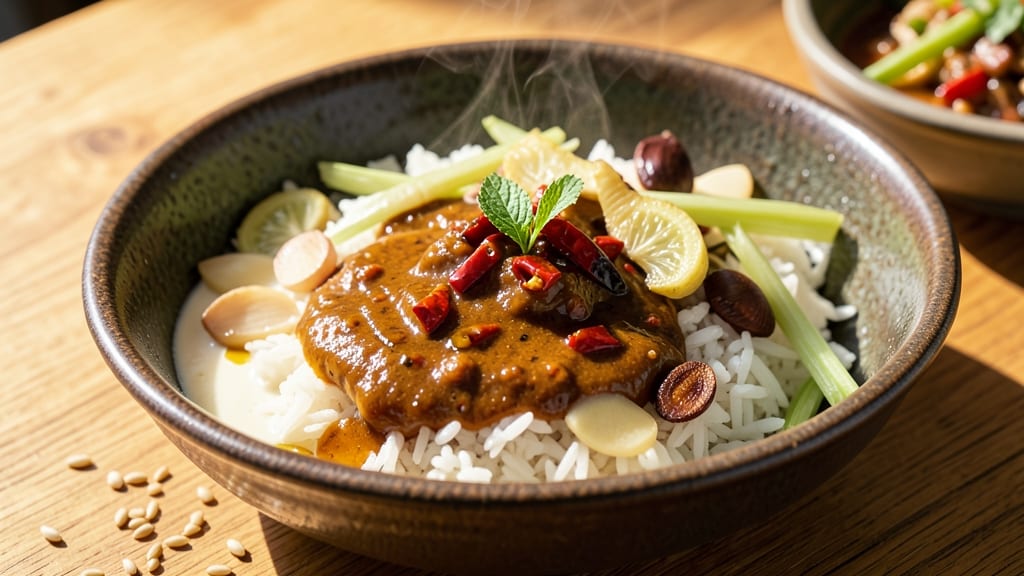
This Balinese sauce recipe transforms ordinary meals into vibrant, aromatic experiences with just a few simple ingredients. The secret lies in balancing tangy coconut milk, fiery chilis, and fragrant spices that create a harmony of flavors you won’t find in any store-bought version.
I developed this recipe after years of exploring Balinese cuisine, and it’s now my go-to for adding depth to grilled meats, noodles, or even fresh vegetables.
The sauce combines coconut milk, fresh chilis, garlic, and lemongrass to create a rich, slightly sweet, and spicy condiment that’s both complex and approachable. What makes this recipe special is its versatility—it works as a dipping sauce, marinade, or finishing touch for dishes like satay or stir-fries.
The key is toasting the spices first to unlock their full flavor potential, ensuring every bite is packed with aroma and taste.
What you’ll end up with is a velvety sauce with just the right balance of heat, tang, and sweetness—perfect for enhancing any dish. The coconut milk adds creaminess, while the chilis and garlic bring the heat and depth.
This sauce is not only delicious but also easy to make, requiring just 15 minutes of active prep time and a few pantry staples.
Once you try this, you’ll never reach for bottled sauces again. The best part? It keeps well in the fridge for up to a week, so you can make a batch and enjoy it all week long. Let’s get started on this flavor-packed adventure!
Ingredients for balinese sauce
Coconut milk, chilis, and lemongrass—just ten ingredients for a sauce that tastes like a Balinese vacation.
| Ingredient | Amount | Notes |
|---|---|---|
| Coconut Milk 🥥 | 1 cup | Full-fat for creaminess |
| Fresh Red Chilies 🌶️ | 4 whole | Seeds removed for mild heat |
| Garlic Cloves 🧄 | 6 cloves | Peeled, roughly chopped |
| Lemongrass Stalks 🌿 | 3 whole | Bruised and cut into 2-inch pieces |
| Fresh Galangal 🍃 | 2 oz | Peeled, sliced thinly |
| Shallots 🧅 | 3 whole | Peeled, thinly sliced |
| Fish Sauce 🍶 | 2 tbsp | Red Boat preferred |
| Lime Juice 🍋 | 2 tbsp | Freshly squeezed |
| Brown Sugar 🍚 | 1 tbsp | Light or dark variety |
| Salt 🧂 | ½ tsp | Adjust to taste |
The coconut milk is non-negotiable here—full-fat canned coconut milk gives that rich, velvety texture. Thai Kitchen or Goya brands are my go-tos for consistent quality. Fresh galangal can be tricky to find, but most Asian markets carry it. If you can't locate it, ginger at half the amount works in a pinch (though it won't be identical). The Red Boat fish sauce is worth the splurge—it's the real deal, not that salty imitation stuff. For the chilies, bird's eye or Thai bird's eye chilies pack the most heat, but any fresh red chili will do.
No lemongrass? Lime zest plus a splash of lime juice adds some brightness, but you'll miss that unique aroma. The galangal is the most challenging ingredient to substitute—ginger plus a pinch of turmeric gets you closest. Want it sweeter? Add another tablespoon of brown sugar. The sauce should balance sweet, sour, and spicy—taste as you go. The lime juice can be adjusted too—more for extra tang, less if you prefer mild. Store-bought coconut milk? Shake the can well first—the cream separates fast.
This sauce keeps beautifully—1 week in the fridge, 3 months frozen. I make a double batch and freeze half in ice cube trays for easy portions. The flavor actually improves after a day or two as everything mellows together. For extra richness, stir in a tablespoon of peanut butter when serving—trust me on that. Thin with a splash of water if it gets too thick, but it should be spoonable, not watery.
Why You'll Love This Recipe
- Minimal Chopping Required: I swear by this—just smash garlic, slice a few chilies, and whack lemongrass with the flat side of a knife. No julienne peeling, no fancy techniques, just honest prep that takes less time than waiting for takeout.
- Layered Heat & Cream: The first taste hits with bright galangal, then the coconut milk smooths it into something rich and addictive. Between us, that balance of spicy, tangy, and creamy? It’s the kind of sauce you’ll reach for instead of ordering in.
- Meal-Prep MVP: Make a big batch—it keeps for days in the fridge and freezes like a dream. Drizzle it over rice, toss with noodles, or use it as a marinade. Honestly, I’ve had it three ways this week and still haven’t gotten sick of it.
- Budget-Friendly Luxury: Fresh galangal and lemongrass might sound fancy, but a stalk each lasts forever, and coconut milk stretches far. I’ve fed my whole family for under $10 with this sauce—no compromises on flavor, just smart shopping.
Step-by-step instructions for Balinese sauce
This vibrant sauce comes together faster than you'd expect—just 20 minutes of active work for bold flavors.
Prepare the Aromatics
Start by bruising the 3 whole lemongrass stalks by firmly pounding them with the flat side of a knife or rolling them on a cutting board. This releases their essential oils and deepens the flavor. Cut them into 2-inch pieces and set aside. Peel and thinly slice the 2 oz fresh galangal—it should resemble pale ginger with a citrusy aroma.
Next, peel and thinly slice the 3 whole shallots and peel the 6 cloves garlic. Remove seeds from the 4 whole fresh red chilies if you prefer mild heat. Heat a large skillet over medium heat and add the aromatics. Cook for 3-4 minutes until they begin to soften and release their fragrance—this is when your kitchen will smell like a Balinese street market.
Build the Sauce Base
Pour in the 1 cup coconut milk and stir immediately to prevent scorching. Add the 1 tbsp brown sugar and bring the mixture to a gentle simmer. Let it cook uncovered for 5-6 minutes until the coconut milk slightly thickens and the aromatics are tender but not browned. The sauce should smell rich and slightly caramelized.
Here's where the magic happens: stir in the 2 tbsp fish sauce and 2 tbsp lime juice. Taste the sauce—it should balance sweet, sour, salty, and umami. If it needs more brightness, add a splash of lime; if it needs more depth, add a pinch more fish sauce. Remember, you can always adjust later, but it's harder to fix an over-salted sauce.
Finish and Simmer
Add the 0.5 tsp salt and let the sauce simmer gently for 3-4 minutes to allow all the flavors to meld. The sauce should coat the back of a spoon and have a glossy sheen. If it's too thick, whisk in 1-2 tablespoons of water to reach your desired consistency—it should be smooth enough to drizzle but still cling to proteins.
For extra depth, you can blend the sauce for 10-15 seconds with an immersion blender to create a silky texture. Return it to the heat and simmer for another 1 minute to warm through. This sauce is best used immediately, but if you need to store it, let it cool completely before transferring to an airtight container. It keeps in the refrigerator for up to 5 days or can be frozen for 3 months.
Pro Tips For Making Balinese Sauce
- TOAST YOUR SPICES: Blister the garlic and chilies in the dry pan first—just until fragrant and slightly charred. This deepens their flavor before they even hit the sauce, and it takes less than 2 minutes. (Yes, even if you’re impatient like me, don’t skip this.)
- SLICE GALANGAL THIN: Use a mandoline or sharp knife to shave galangal into paper-thin strips instead of chopping. It infuses faster and melts into the sauce without leaving stubborn chunks—like how lemongrass should behave, but better.
- LOW AND SLOW WITH COCONUT: Bring the coconut milk to a gentle simmer, not a boil, to avoid curdling. If it splits, whisk in a splash of cold water and keep heat low—this sauce is about balance, not speed.
- STRAIN THE LEMONGRASS: After simmering, remove the lemongrass stalks and give them a quick squeeze over the sauce. You’ll extract more citrusy oil than if you just tossed them out—like wringing out a lemon, but for aromatic depth.
Pro cooking tips for this recipe
Toast Spices First
Never skip toasting your aromatics—this unlocks their full flavor potential. Heat your skillet over medium heat and add the shallots, garlic, and chilis. Cook for 3-4 minutes until fragrant and just starting to soften.
This step deepens the sauce’s complexity and removes any raw, bitter notes. I swear by this technique—it’s the difference between good and restaurant-quality sauce. 🌶️
Balance Flavors Precisely
The sauce should harmonize sweet, sour, salty, and spicy—taste as you go! Start with the 2 tbsp fish sauce and 2 tbsp lime juice, then adjust. Need more tang? Add ½ tsp lime juice.
Too salty? Thin with 1 tbsp water or a splash of coconut milk. I’ve ruined a batch by over-salting, so trust your taste buds—they’re your best tool. 💡
Use Full-Fat Coconut Milk
Thai Kitchen or Goya full-fat coconut milk is non-negotiable for that creamy, velvety texture. Light versions won’t give the same richness. Shake the can well before opening—coconut cream separates fast, and you want a smooth blend. If your sauce looks too thick after simmering, whisk in 1-2 tbsp water for a silky drizzle. 🥥
Lemongrass Matters
Bruising the lemongrass is crucial—pound it firmly with a knife or rolling pin to release its oils. If you can’t find fresh lemongrass, lime zest + extra lime juice works, but it won’t be identical. The aroma is what makes this sauce uniquely Balinese, so don’t skip this step. 🌿
Adjust Heat to Taste
Remove chili seeds for mild heat or leave them in for a fiery kick. If you’re sensitive to spice, reduce to 2 chilies and add ½ tsp brown sugar to balance.
For extra depth, blend the sauce briefly with an immersion blender—it creates a silky texture that clings beautifully to grilled meats. 🔥
Store Smartly
Let the sauce cool completely before storing in an airtight container. It keeps for 5 days in the fridge or 3 months frozen. For quick portions, freeze in ice cube trays—thaw and drizzle as needed.
The flavor actually improves after 24 hours, so make a batch ahead! ❄️
Nutrition facts
Frequently asked questions
Can I make this sauce without fresh lemongrass?
Yes, but you'll miss the authentic aroma. For a substitute, use 1 tsp lime zest plus 1 extra tbsp lime juice to mimic the citrusy brightness. If you can't find galangal either, use 1 tsp ginger + ¼ tsp turmeric for a close approximation. The sauce will still taste great, just slightly different.
How spicy should this sauce be?
The recipe balances heat with sweetness and tang. For mild heat, remove chili seeds and use 3 chilies instead of 4. For extra kick, keep seeds in and add 1 extra chili. Always taste as you go—you can adjust with more brown sugar or lime juice to balance.
What's the best way to use leftover sauce?
This sauce is incredibly versatile! Use it as a marinade for grilled chicken or tofu, a dipping sauce for spring rolls, or a finishing drizzle over noodles. For extra richness, stir in 1 tbsp peanut butter when serving. It also works wonderfully with roasted vegetables or as a base for curries.
Why did my sauce separate?
Coconut milk naturally separates when cooled. To fix it, gently reheat the sauce over low heat while whisking until smooth. For prevention, stir the coconut milk can well before measuring, and avoid overcooking. If it happens again, blend briefly with an immersion blender for a silky texture.
Can I make this sauce without fish sauce?
Yes, but the umami depth will be different. Substitute with 2 tbsp soy sauce or 1 tbsp tamari plus ½ tsp sugar to mimic the savory-sweet balance. For a vegetarian version, use 2 tbsp coconut aminos instead. The sauce will still be delicious, just with a slightly different profile.