
Sauces & Condiments
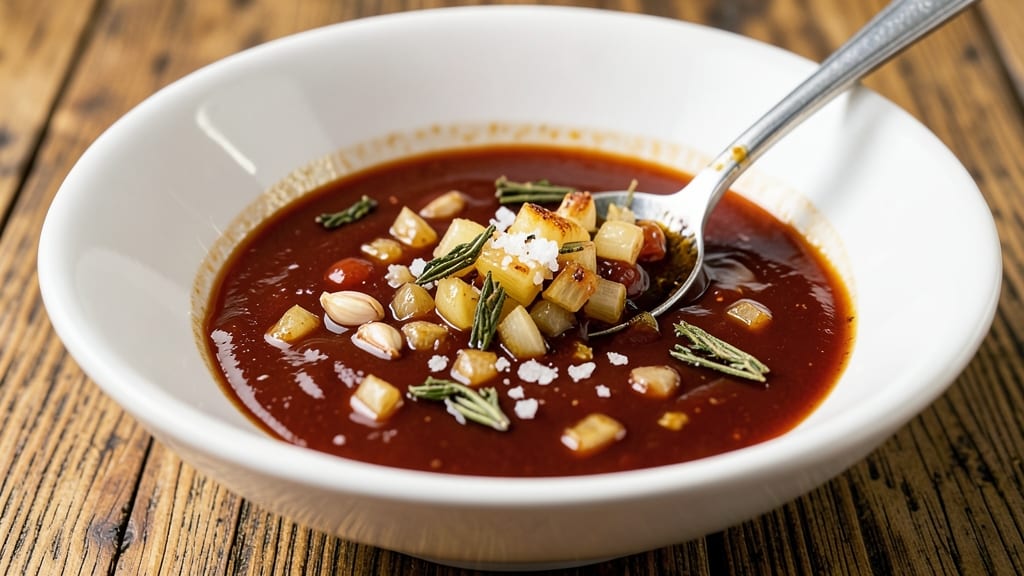
This Bald Eagle Sauce recipe delivers the perfect balance of sweet, tangy, and just a hint of vinegar kick that elevates everything from grilled meats to sandwiches.
The secret lies in simmering tomatoes, vinegar, and spices until the flavors meld into a rich, glossy glaze that clings beautifully to any surface. I developed this recipe after years of perfecting the art of balancing bold flavors without overpowering the dish—now it's time to share my foolproof method.
The foundation of this sauce is a simple yet transformative combination: ripe tomatoes, apple cider vinegar, and a touch of brown sugar to create that signature sweet-tangy profile.
What sets this apart is the slow reduction process, which intensifies the flavors and creates a sauce that's equally at home drizzled over wings, slathered on burgers, or used as a dipping sauce for fries. The result is a versatile condiment that's always in demand.
What you'll end up with is a glossy, aromatic sauce with a perfect balance of sweetness and acidity, plus a subtle depth from the spices. The sauce thickens as it cools, making it ideal for batch cooking and storing in the fridge for up to two weeks.
Its rich, complex flavor profile makes it a standout addition to any meal, transforming ordinary dishes into something extraordinary.
Whether you're grilling for a crowd or prepping for game day, this sauce will become your go-to condiment. The beauty of Bald Eagle Sauce lies in its adaptability—it works as a marinade, a glaze, or a finishing touch. Let's get started on creating this restaurant-quality sauce at home.
Ingredients for bald eagle sauce
Eight simple ingredients transform into a sauce that's perfect for grilling, dipping, or marinating.
| Ingredient | Amount | Notes |
|---|---|---|
| Canned Tomato Sauce 🍅 | 2 cups | San Marzano preferred for sweetness |
| Apple Cider Vinegar 🍏 | ½ cup | Bragg preferred for depth |
| Brown Sugar 🍚 | ¼ cup | Light or dark works |
| Yellow Onion 🧅 | 1 whole | Medium size, finely diced |
| Garlic Cloves 🧄 | 4 cloves | Freshly minced for aroma |
| Dried Oregano 🍃 | 1 tsp | Mexican oregano preferred |
| Ground Black Pepper 🌶️ | ½ tsp | Freshly cracked for heat |
| Ground Cinnamon 🌿 | ¼ tsp | Adds subtle warmth |
| Salt 🧂 | 1 tsp | Diamond Crystal preferred |
| Extra-Virgin Olive Oil 🫒 | 1 tbsp | For finishing drizzle |
The tomatoes and vinegar are your flavor anchors—San Marzano cans and Bragg vinegar make all the difference. I grab mine from Whole Foods or Trader Joe's for consistency. Onions and garlic? Fresh is non-negotiable here—they're the aromatic base. For the spices, Penzeys or the bulk bins at natural grocery stores give you the freshest ground pepper and cinnamon. Skip the pre-minced garlic from jars—it's got no flavor compared to fresh.
No San Marzano tomatoes? Any good-quality canned tomatoes work—just drain them well. Vinegar short? White wine vinegar or balsamic in a pinch, but apple cider gives that signature tang. Pre-minced onion? Freshly dice your own—it makes a huge difference in flavor. Want more heat? Add a pinch of cayenne. For a sweeter profile, bump the brown sugar to 1/3 cup. The olive oil at the end is optional but adds that silky finish—any good-quality EVOO works.
This sauce thickens as it cools, so you can make it ahead. Store in an airtight jar in the fridge for up to 2 weeks. It reheats beautifully—just warm on the stove or microwave. I like to make a big batch for game day and keep it on hand for wings or burgers. Freezes well for 3 months too, though the texture gets slightly grainier after thawing.
Why You'll Love This Recipe
- Pantry Magic: I swear by this sauce because it’s all about what’s already in my cupboard. No fancy shopping—just a can of tomato sauce, a splash of vinegar, and the brown sugar I keep for coffee. Honestly, it’s the kind of recipe that makes me feel clever for remembering it exists.
- Sweet-Savory Balance: That brown sugar and apple cider vinegar combo? It’s what turns this into something special. The vinegar cuts through the richness of the tomato and garlic, while the sugar adds this unexpected depth—like a hug for your taste buds. (Yes, even on a Tuesday night.)
- Leftovers That Shine: This sauce keeps for weeks in the fridge, and it only gets better with time. I use it to glaze chicken, drizzle over roasted veggies, or even toss with pasta—every time, it’s the star. Between us, my freezer’s always stocked with jars of it.
- Weeknight Workhorse: I make a big batch on Sundays and forget about it. The onion and garlic soften into this fragrant base that’s ready in 20 minutes, and cleanup is just a quick rinse of one pot. Not the prettiest, but the taste makes up for it every time.
Step-by-step instructions for bald eagle sauce
Here's how to build this sweet-tangy glaze with layers of flavor—simple steps for big results.
Sauté Onion and Garlic Until Fragrant
Heat the 1 tablespoon extra-virgin olive oil in a medium saucepan over medium heat. Add the 1 whole yellow onion, finely diced, and cook for 5-6 minutes until softened and just starting to turn golden at the edges. You'll see the onions release moisture, which will evaporate as they cook.
Add the 4 cloves garlic, freshly minced, and cook for another 30 seconds until the raw garlic aroma disappears and you can smell its sweet, nutty fragrance. This step builds the sauce's aromatic foundation—don't rush it or the garlic will burn. If it starts to brown too quickly, reduce the heat slightly to medium-low.
Add Spices and Cook for 30 Seconds
Stir in the 1 teaspoon dried oregano, ½ teaspoon ground black pepper, ¼ teaspoon ground cinnamon, and 1 teaspoon salt. Cook for 30 seconds while stirring constantly to bloom the spices and distribute them evenly. You'll notice the mixture darken slightly and fill your kitchen with a warm, earthy aroma.
Here's the thing—those spices need time to release their flavors. If you add them later, the sauce will taste flat and one-dimensional. This quick cooking step ensures they meld properly with the onion and garlic base.
Combine Wet Ingredients and Simmer
Pour in the 2 cups canned tomato sauce and ½ cup apple cider vinegar. Stir well to combine, scraping up any browned bits from the bottom of the pan—these contain concentrated flavor. Bring the mixture to a gentle boil over medium-high heat, then immediately reduce to low heat. Let it simmer uncovered for 15-20 minutes, stirring occasionally.
You're looking for the sauce to thicken noticeably and reduce by about ¼ of its original volume. The sauce should coat the back of a spoon and have a syrupy consistency. If it thickens too quickly, add 1-2 tablespoons water to maintain the right balance. The vinegar will add that signature tangy kick while the tomato sauce keeps it rich and sweet.
Sweeten and Finish with Brown Sugar
Once the sauce has thickened, stir in the ¼ cup brown sugar. Return to a gentle simmer and cook for another 5-7 minutes, stirring frequently. The sugar will dissolve completely and enhance the sauce's sweetness while balancing the acidity from the vinegar. Taste as you go—you want a harmonious blend of sweet, tangy, and slightly spicy notes.
If the sauce seems too thick at this point, add 1 tablespoon water at a time until it reaches your desired consistency. The final texture should be glossy yet coatable, perfect for drizzling or glazing. Let it cool slightly before serving—this allows the flavors to meld even more beautifully.
Adjust and Store for Later Use
Once the sauce has cooled to room temperature, taste and adjust seasoning if needed. You might need a pinch more salt or a splash more vinegar to perfect the balance. Transfer the sauce to a clean jar or airtight container and let it sit at room temperature for at least 1 hour before refrigerating. This resting period deepens the flavors.
The sauce will keep in the refrigerator for up to 2 weeks or can be frozen for 3 months. When ready to use, reheat gently in a saucepan over low heat, stirring occasionally, until warmed through. This versatile glaze pairs beautifully with grilled meats, roasted vegetables, or even as a dipping sauce for fries.
Pro Tips For Making Bald Eagle Sauce
- Sweat the Onion First: I learned this the hard way—skipping this step makes the sauce taste raw and sharp. Dice the onion small (1/4-inch pieces) and cook it in a dry pan over medium heat for 8-10 minutes until it’s soft, golden, and almost caramelized. The deeper flavor carries through the whole dish, and it prevents that "onion-y bite" some recipes get.
- Simmer Slow and Low: Bald eagle sauce isn’t a race. After adding the vinegar and sugar, reduce the heat to a gentle simmer—think tiny bubbles, not a rolling boil. Skimp here, and the sauce will turn bitter or cloying. Give it 20-25 minutes to meld, stirring occasionally, and you’ll get that rich, balanced sweet-tangy depth.
- Use Real Garlic, Not Powder: Minced or finely chopped fresh garlic cloves (about 4-5) make a world of difference. The heat releases their oils and aroma in a way powder can’t match. If you’re short on time, at least toast the cloves in the pan with the onions—they’ll still add way more flavor than skipping them entirely.
- Balance the Vinegar Gradually: Apple cider vinegar is the soul of this sauce, but too much upfront makes it taste harsh. Start with half the amount called for, taste, then add the rest as you simmer. You can always adjust—once it’s in, you can’t take it out. (Yes, even if you’re impatient like me.)
Troubleshooting this dish
Sauce Too Thin?
If your sauce isn't thickening enough during simmering, reduce the heat to low and let it cook uncovered for an additional 10-15 minutes. The longer it simmers, the more water evaporates.
For an instant fix, mix 1 tablespoon cornstarch with 2 tablespoons cold water, stir into the sauce, and simmer for 2-3 minutes until it thickens. This trick works wonders without altering flavor.
Vinegar Overpowering?
Too much vinegar can make your sauce taste harsh. Balance it by adding 1-2 tablespoons brown sugar or 1 teaspoon honey to sweeten the acidity. If you prefer a milder tang, reduce the vinegar to ¼ cup next time. Taste as you go—adjust gradually to avoid overcorrecting.
Burnt Onions or Garlic?
If your onions or garlic turn brown too quickly, reduce the heat to medium-low immediately. Overcooked aromatics develop bitter flavors. For next time, cook onions for 4-5 minutes and garlic for just 20-30 seconds—they should be fragrant but not colored.
If you've already burnt them, strain out the solids and proceed with the remaining sauce.
Sauce Too Sweet?
If your sauce tastes cloyingly sweet, add 1-2 tablespoons apple cider vinegar to cut through the sugar. For a more balanced flavor, increase the tomato sauce to 2.5 cups next time. A splash of lemon juice also helps brighten the profile without adding vinegar's sharpness.
Spices Not Blending?
If your spices taste separate or harsh, they weren't cooked long enough. Bloom them properly by stirring constantly for 30-60 seconds over low heat before adding wet ingredients.
For extra depth, toast the spices in a dry pan for 1 minute before adding to the sauce. This enhances their aromatic oils.
Storage Issues?
If your sauce grows mold or smells off after refrigerating, it's time to toss it. Always use a clean, sterilized jar and leave ½ inch headspace for expansion. For freezing, portion into ice cube trays—thaw as needed and reheat gently. Never refreeze thawed sauce to prevent texture changes.
Nutrition facts
Frequently asked questions
What makes Bald Eagle Sauce different from ketchup or BBQ sauce?
This sauce stands out with its perfect balance of sweet, tangy, and spicy notes—no cloying sweetness like ketchup or smoky depth like BBQ. The apple cider vinegar adds a bright acidity, while brown sugar and cinnamon create a warm, complex flavor profile that works beautifully as a glaze or dipping sauce. It's versatile enough for grilled meats but bold enough to elevate sandwiches or appetizers.
Can I make this sauce without apple cider vinegar?
Yes! If you don't have apple cider vinegar, substitute with white wine vinegar or balsamic vinegar for a similar tang. For a milder flavor, use lemon juice instead, but reduce it to ¼ cup since it's less acidic. The key is balancing the sweetness—taste as you go and adjust with extra sugar if needed.
How can I use Bald Eagle Sauce beyond grilling?
This sauce is incredibly versatile! Use it as a marinade for chicken or pork, a dipping sauce for fries or veggie sticks, or a glaze for roasted vegetables. It also adds depth to sandwiches (like burgers or hot dogs) or as a finishing drizzle over tacos. For extra richness, mix 1 tablespoon butter into the warm sauce before serving.
Why does the sauce thicken as it cools?
The natural pectin in tomatoes and the reduction process create a sauce that thickens when cooled—this is normal! The starches in the ingredients gel as they settle, giving it a glossy, coatable texture. If it thickens too much, simply add 1 tablespoon water and reheat gently. The thicker consistency makes it perfect for glazing or drizzling.
Can I make this sauce in a slow cooker?
Combine all ingredients in your slow cooker and cook on low for 3-4 hours, stirring occasionally. The slow heat will enhance the flavors without risking burning. For a quicker version, use high for 2 hours. Just