
Sauces & Condiments
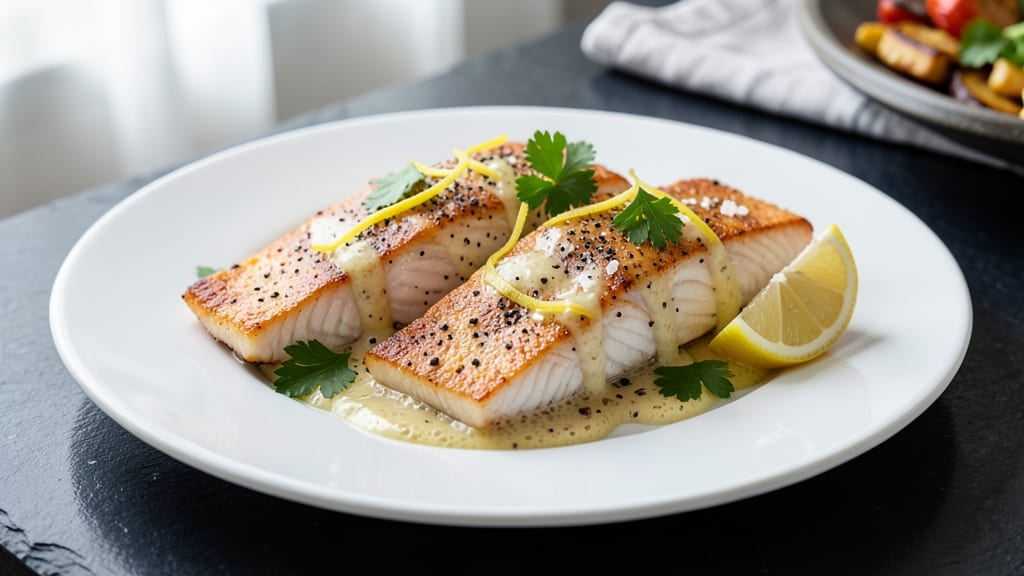
This baked fish with lemon sauce delivers crispy edges and bright, tangy flavor in a single pan—perfect for a weeknight dinner that feels special. The secret lies in the lemon sauce, which transforms simple white fish into a restaurant-worthy dish with minimal effort.
I developed this recipe after years of testing different techniques to balance crispiness with tender, flaky flesh.
The process is straightforward: season the fish, bake it until golden, then finish with a zesty lemon sauce that cuts through the richness. This method ensures crispy skin without drying out the delicate fillets, while the sauce adds a bright, citrusy finish that elevates every bite.
The best part? Everything comes together in one pan, making cleanup effortless.
What you’ll end up with is perfectly baked fish with a crispy crust and a vibrant lemon sauce that ties the dish together. The sauce isn’t just a topping—it’s the star, infusing the fish with tangy, herby notes that balance the richness of the fish.
Serve it with roasted vegetables or a simple salad for a complete, well-rounded meal.
This recipe is foolproof and adaptable—whether you’re cooking for two or feeding a crowd. The lemon sauce can be made ahead, and the fish bakes in just 20 minutes, making it ideal for busy weeknights. Let’s get started on creating a dish that’s as impressive as it is easy.
Ingredients for baked fish with lemon sauce
Simple ingredients that create restaurant-quality crispy fish with vibrant lemon sauce.
| Ingredient | Amount | Notes |
|---|---|---|
| White Fish Fillets 🐟 | 4 pieces | Skin-on for crispiness (cod, halibut, or tilapia) |
| All-Purpose Flour 🌾 | ¼ cup | For dredging, light coating |
| Salt 🧂 | 1 ½ tsp | Diamond Crystal preferred, kosher works |
| Black Pepper 🌶️ | ½ tsp | Freshly ground for best flavor |
| Garlic Cloves 🧄 | 3 cloves | Minced for sauce, fresh preferred |
| Lemon Juice 🍋 | ½ cup | Freshly squeezed, no substitutes |
| Unsalted Butter 🧈 | ½ cup | Cold for sauce, European style preferred |
| Fresh Parsley 🌿 | ¼ cup | Chopped, for garnish and sauce |
| Olive Oil 🫒 | 2 tbsp | Extra-virgin for crispiness |
| Heavy Cream 🥛 | ¼ cup | Full-fat for sauce richness |
| Lemon Zest 🍋 | 1 tbsp | From 1 large lemon for sauce |
| Dried Thyme 🌿 | ½ tsp | Or 1 tsp fresh thyme leaves |
| Red Pepper Flakes 🌶️ | ¼ tsp | Optional for subtle heat |
The fish is where it all begins—skin-on fillets are non-negotiable for that perfect crispy crust. Whole Foods or your local seafood counter usually carry the best quality, but frozen works in a pinch (thaw overnight). Look for fillets with even thickness—cod and halibut are my top picks, but tilapia delivers consistent results. The flour coating should be light and even—don't press too hard or you'll end up with a heavy, soggy crust. Olive oil is your secret weapon here—drizzle it generously over the fillets before baking for that golden, crispy finish.
No fresh parsley? Dried parsley at half the amount works, but fresh adds that bright pop of color and flavor. The lemon juice needs to be freshly squeezed—bottled just won't cut it. For the sauce, European-style butter makes all the difference in richness, but any good-quality unsalted butter will do. Want to cut costs? Swap the heavy cream for whole milk—it'll still be delicious, just slightly lighter. The thyme can be fresh or dried, but if using dried, toast it in a dry pan for 30 seconds first to deepen the flavor. And if you're feeling adventurous, add a pinch of smoked paprika to the sauce for a subtle smoky note.
The lemon sauce keeps beautifully—make it a day ahead if you can. Store it in an airtight container in the fridge for up to 5 days, or freeze for 3 months. The fish itself is best served immediately, but leftovers reheat well in a 350°F oven for 5-7 minutes. For meal prep, I like to portion the sauce separately—just reheat and drizzle over fresh fish when ready. The sauce also works wonders on pasta, grilled chicken, or even roasted potatoes. And if you make extra, freeze it in ice cube trays for easy single-serving portions.
Why You'll Love This Recipe
- No-Fuss Crispy Magic: I swear by that light flour crust—just a quick dredge, no deep-frying mess. The fish comes out golden and tender every time, even if I’m multitasking with a screaming toddler and a ringing phone.
- Garlic-Lemon Euphoria: That bright, zesty sauce cuts through the richness of the fish like a breath of fresh air. Honestly, the minced garlic and lemon juice transform simple white fillets into something that tastes like a fancy dinner.
- Lunchtime Reinvented: This is my go-to for meal prep—bake a batch on Sunday, and I’ve got lunch for three days. The sauce keeps well, and reheating it just takes a minute in the microwave (though I’ll admit, it’s best fresh).
- Budget Bright Spot: White fish is affordable, and this recipe stretches it further with the sauce. Between us, I’ve served this to guests who thought it was restaurant-quality, and they never asked for the price.
Step-by-step instructions for baked fish with lemon sauce
Here's how to achieve that perfect crispy crust and bright lemon sauce in one elegant pan.
Prepare the Fish for Crispy Perfection
Pat the 4 pieces of white fish fillets completely dry with paper towels—this is crucial for crispiness. I press down firmly to remove all moisture from the surface. Season both sides generously with all 1.5 teaspoons of salt and 0.5 teaspoon of black pepper, pressing the seasoning into the flesh so it adheres evenly.
Next, dredge each fillet lightly in the 0.25 cup of all-purpose flour, shaking off any excess. The flour creates a delicate crust that will brown beautifully in the oven. Place the seasoned fillets on a plate and let them sit at room temperature for 15 minutes while you prepare the pan.
Create the Lemon Butter Sauce Base
In a large oven-safe skillet, heat 2 tablespoons of olive oil over medium heat until shimmering. Add the 3 minced garlic cloves and sauté for 30 seconds until fragrant—don't let them brown or they'll turn bitter. Immediately remove the skillet from heat and stir in the 0.5 cup of cold unsalted butter, allowing it to melt gradually.
Return the skillet to medium-low heat and whisk in the 0.5 cup of lemon juice and 1 tablespoon of lemon zest. The mixture should bubble gently. Sprinkle in the 0.5 teaspoon of dried thyme and 0.25 teaspoon of red pepper flakes, stirring until combined. This creates the flavor foundation while keeping the sauce bright and acidic.
Bake the Fish to Golden Crispness
Carefully place the flour-dusted fish fillets in the skillet, spooning some of the lemon butter sauce over each piece. Transfer the skillet to a preheated oven at 400°F and bake for 12-15 minutes. You'll know it's done when the fish flakes easily with a fork and the edges are golden brown and crispy.
Here's the thing—I always check for doneness by gently pressing the thickest part of a fillet. It should feel firm but still slightly springy, and the internal temperature should reach 145°F. If the sauce starts to bubble vigorously, reduce the oven temperature to 375°F for the last 2 minutes to prevent scorching.
Finish with Cream and Fresh Herbs
Remove the fish from the oven and carefully transfer it to a serving platter. Increase the oven temperature to its highest setting (usually 500°F) and return the skillet to the oven for 2-3 minutes. This quickly reduces the sauce to a glossy consistency while intensifying the lemon flavor.
Off the heat, whisk in the 0.25 cup of heavy cream and stir in the 0.25 cup of chopped fresh parsley. The cream adds richness while the parsley brightens the sauce. Pour this finished sauce over the fish fillets and serve immediately with the crispy crust facing up for maximum visual appeal.
Pro Tips For Making Baked Fish With Lemon Sauce
- USE HIGHER HEAT FIRST: White fish cooks fast—start your oven at 425°F (220°C) for the first 10 minutes to get that crispy crust on the flour-dredged fillets. After that, drop to 375°F (190°C) to finish cooking without drying it out. I learned this the hard way when my fish turned rubbery because I played it too safe.
- PAT THE FILLETS DRY: Wipe your fish fillets with paper towels until they’re bone-dry before dredging in flour. Moisture is the enemy of a good crust—it’ll steam instead of crisp. Sounds tedious, but it’s the thing that matters most for that golden, crunchy coating.
- DON’T OVERCROWD THE PAN: If you’re baking multiple fillets, leave space between them—at least an inch. I used to stack them like sardines, and they’d steam instead of brown. A single layer on a parchment-lined tray guarantees even cooking and that perfect crust.
- SAUTÉ THE GARLIC LAST: Toss your minced garlic into the lemon sauce after the fish is out of the oven. Cooking it too early burns it fast, turning the sauce bitter. Add it to the warm sauce for a fragrant, fresh finish—your future self will notice the difference.
Storing and reheating this baked fish with lemon sauce
Refrigerator Storage
Store your baked fish with lemon sauce in an airtight container for up to 2 days in the refrigerator. I always let it cool completely before transferring to avoid condensation, which can make the crust soggy.
Place a paper towel on top of the fish to absorb any excess moisture—this keeps the crispy texture intact. The sauce stays vibrant and flavorful when stored separately in a small sealed jar. 🥗
Freezer-Friendly Tips
For longer storage, freeze the fish and sauce components separately. Wrap the fish tightly in plastic wrap and aluminum foil, then place it in a freezer bag with the sauce portioned in a separate container.
Label everything with the date—this lemon butter sauce keeps well for up to 3 months without losing its bright flavor. When ready to eat, thaw overnight in the fridge for best results.
Reheating Perfection
To revive the crispy crust, reheat the fish in a 400°F oven for 5-7 minutes on a baking sheet lined with parchment paper. I like to add a splash of water or lemon juice to the reheating dish to prevent drying.
The sauce should be warmed separately over low heat with a splash of water or cream to loosen it up. Stir in a pat of cold butter at the end for that glossy finish. 🔥
Microwave Shortcut
For a quick fix, cover the fish loosely with a damp paper towel and microwave on medium power for 45-60 seconds. The sauce reheats best in a small bowl with 10-15 seconds of microwave time.
Give everything a quick stir and let it sit for 30 seconds before serving. This method works best for leftovers, but the texture won't be as crispy as oven-reheated.
Sauce Make-Ahead
Make the lemon sauce 1-2 days ahead—it actually tastes better after the flavors meld! Store it in the fridge in an airtight container and reheat gently on the stovetop. For extra richness, whisk in 1 tablespoon of cold butter just before serving.
I often double the batch because this sauce is amazing on pasta, grilled chicken, or even roasted potatoes. 💫
Portion Control
When prepping for meal prep, divide the sauce into single-serving portions in ice cube trays. Freeze solid, then transfer to a freezer bag for easy use. Thaw overnight in the fridge and reheat with a splash of water or lemon juice to restore its glossy texture.
This method ensures you always have fresh-tasting sauce ready to elevate your fish or other proteins. 💡
Nutrition facts
Frequently asked questions
Can I use this recipe with frozen fish?
Yes, but thaw it properly first! Place frozen fish fillets in a sealed bag and submerge in cold water for 30-45 minutes or thaw overnight in the fridge. Never use hot water—it creates dangerous bacteria zones. Pat completely dry before seasoning to ensure that crispy crust.
What if my fish isn't crispy enough?
Try these fixes:
- Pat the fillets extra dry before baking,
- Increase oven temp to 425°F for the last 2 minutes, or
- Broil for 1-2 minutes at the end (watch closely!). The flour coating should be light but even—don't skip this step.
Can I make this sauce ahead of time?
The sauce actually improves overnight. Store it in an airtight container in the fridge for up to 5 days. When reheating, warm gently on low heat with a splash of water or lemon juice to restore its glossy texture. For extra richness, whisk in 1 tablespoon cold butter before serving.
What's the best fish for this recipe?
Skin-on fillets work best—cod, halibut, or tilapia are ideal. Avoid delicate fish like flounder (they fall apart). For budget-friendly options, try swai or mahi-mahi. The key is 1-inch thick fillets that hold their shape during baking.
How do I adjust the sauce for dietary needs?
For dairy-free, replace butter with olive oil or coconut oil and use coconut cream instead of heavy cream. For lower fat, reduce butter to 0.25 cup and use whole milk instead of cream. The sauce will still taste bright and tangy!