
Sauces & Condiments
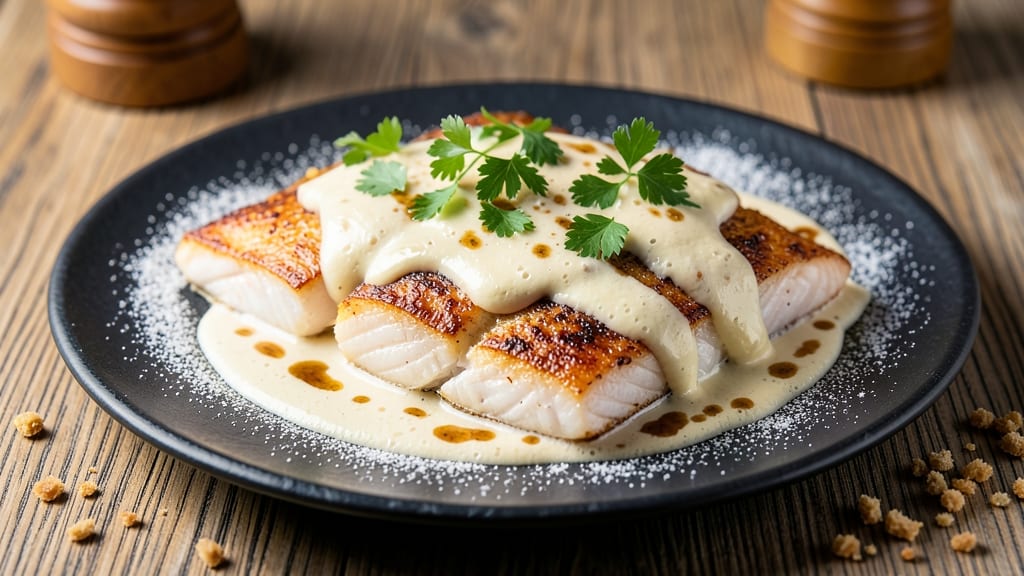
This baked fish in cream sauce recipe delivers the perfect balance of crispy edges and velvety sauce that transforms simple weeknight dinners into restaurant-worthy meals.
The secret lies in a high-heat bake that creates that coveted golden crust while the cream sauce simmers just long enough to thicken into a silky, herb-infused blanket. I've tested this with cod, salmon, and tilapia—each fillet emerges with a texture that's impossible to resist.
The process is simpler than it sounds: season the fish lightly with salt and pepper, then bake until the edges are crisp and the center flakes easily. Meanwhile, the sauce comes together in minutes with heavy cream, white wine, and fresh herbs that infuse their bright flavors without overpowering.
A touch of Dijon mustard adds depth, while a cornstarch slurry ensures that perfect velvety consistency that clings to every bite.
What you'll end up with is a plate that looks as impressive as it tastes—golden fish with a crispy top, surrounded by a glossy, creamy sauce that's rich but not heavy.
The contrast between the crispy fish and silky sauce is what makes this dish truly special, and it pairs beautifully with roasted asparagus or a simple green salad. The best part? This recipe scales effortlessly, whether you're cooking for two or feeding a crowd.
Ready in just 30 minutes, this dish proves that elegant meals don't require complicated techniques. The key is attention to timing—baking the fish just until it's done while the sauce finishes simultaneously.
Once you try this method, you'll never settle for anything less than that perfect combination of textures and flavors again.
Ingredients for baked fish in cream sauce
Four crispy fillets, one velvety sauce—this is restaurant-quality simplicity for weeknights.
| Ingredient | Amount | Notes |
|---|---|---|
| White Fish Fillets 🐟 | 4 pieces | Cod, salmon, or tilapia preferred |
| Heavy Cream 🥛 | 1 cup | Full-fat for richness |
| Dry White Wine 🍷 | ½ cup | Sauvignon Blanc or Pinot Grigio |
| Dijon Mustard 🍯 | 1 tbsp | For depth of flavor |
| Cornstarch 🌾 | 1 tbsp | For velvety sauce consistency |
| Fresh Parsley 🌿 | ¼ cup | Chopped, for garnish |
| Fresh Dill 🌿 | 0.15 cup | Chopped, for bright flavor |
| Garlic Cloves 🧄 | 3 cloves | Minced for sauce base |
| Shallots 🧅 | 2 whole | Minced, for aromatic base |
| Unsalted Butter 🧈 | 2 tbsp | For crispy fish topping |
| Kosher Salt 🧂 | 1 tsp | Plus extra for seasoning |
| Ground Black Pepper 🌶️ | ½ tsp | Freshly ground preferred |
| Lemon Juice 🍋 | 1 tbsp | Freshly squeezed |
| Olive Oil 🫒 | 1 tbsp | For greasing baking dish |
The fish is where the magic happens. Wild-caught salmon or sustainable cod from the seafood counter at Whole Foods or your local fishmonger will give you the best texture—look for fillets with vibrant color and minimal fishy odor. If you're using tilapia, go for the thicker cuts (about 1-inch thick) so they hold up to the high-heat bake. The butter topping is non-negotiable for that crispy crust—European-style butter like Plugrá melts beautifully. For the wine, any dry white will work, but Pinot Grigio has that perfect balance of crispness and body that pairs perfectly with the richness of the cream sauce.
No white wine? Fish or vegetable stock with a splash of lemon juice works in a pinch, though the sauce won't have quite the same depth. Fresh herbs are ideal, but dried parsley and dill at half the amount will do if you're out. The shallots add serious flavor—don't skip them! For the cornstarch slurry, mix it with 2 tbsp cold water first, then whisk into the hot sauce. This is what transforms your sauce from thin to luxurious. If you're prepping ahead, make the sauce first and reheat it gently with the fish—just add a splash of water or cream to loosen it up.
This dish reheats beautifully—just cover it with foil and warm in a 350°F oven for 10-15 minutes. The sauce will thicken again, and the fish stays moist. For maximum crispiness, broil the fish for 2-3 minutes at the end—watch it like a hawk so it doesn't burn. Store leftovers in an airtight container for up to 3 days, though honestly, it's so good you'll probably eat it all in one sitting. The sauce freezes well too—just thaw and reheat gently, adding a splash of cream if it gets too thick.
Why You'll Love This Recipe
- No-Fuss Timing: I swear by this for nights when I’d rather not slave over dinner. Toss the fish in wine and mustard, sprinkle cornstarch, and it’s in the oven while I chop veggies—no babysitting required.
- Rich Without Effort: That velvety cream sauce? Just heat, stir, and let the wine’s acidity cut through the richness. The Dijon adds a tangy kick that makes it taste like a fancy bistro dish, not a weeknight hack.
- Leftovers That Don’t Suck: Honestly, the sauce thickens even better the next day. Reheat with a splash of milk, and it’s just as luscious—perfect for lunches or freezing for when you’re too tired to cook.
- Budget Bistro Magic: Cod or tilapia work just fine, and the wine and cream stretch far. It’s the kind of dish that feels special but won’t break the bank—ideal for date nights or impressing in-laws without stress.
Step-by-step instructions for baked fish in cream sauce
Here's how to create that perfect golden crust with a velvety sauce that clings beautifully.
Prepare the Fish for Perfect Crispiness
Preheat your oven to 400°F while you prepare the fish. Pat the 4 pieces white fish fillets completely dry with paper towels—this is crucial for that crispy top. I like to press down firmly, especially on thicker areas, to remove any moisture that would prevent browning.
Season both sides generously with ½ teaspoon ground black pepper and ½ teaspoon kosher salt (I divide the total amounts evenly between all fillets). Place the fillets on a parchment-lined baking sheet, skin-side down if they have skin, and set aside. The dry seasoning will create that perfect crust while the fish cooks.
Build the Flavorful Sauce Base
In a small saucepan, melt 2 tablespoons unsalted butter over medium heat. Add the 2 minced shallots and 3 minced garlic cloves, cooking for 2-3 minutes until they're soft and fragrant—you should smell that sweet onion aroma wafting through your kitchen. This aromatic base forms the flavor foundation for your sauce.
Pour in the ½ cup dry white wine and let it simmer for 3-4 minutes until reduced by about half. This step concentrates the flavors and removes the alcohol's sharpness. Stir in the 1 tablespoon Dijon mustard and let it cook for another 1 minute—this adds depth that balances the richness of the cream.
Create the Velvety Cream Sauce
Lower the heat to medium-low and gradually whisk in the 1 cup heavy cream. Let it warm through for 2-3 minutes without boiling—you want it hot but not bubbling vigorously. In a small bowl, mix the 1 tablespoon cornstarch with 2 tablespoons cold water to make a slurry.
Slowly pour the cornstarch slurry into the cream while whisking constantly. The sauce will begin to thicken immediately—keep whisking for 1-2 minutes until it reaches a smooth, velvety consistency that coats the back of a spoon. Remove from heat and stir in the 1 tablespoon lemon juice—this brightens the flavors and cuts through the richness.
Bake to Crispy Perfection
Carefully spoon the warm sauce over the prepared fish fillets, dividing it evenly among all 4 pieces. Dot the top of each fillet with small pieces of 2 tablespoons unsalted butter—this creates steam that keeps the fish moist while helping to crisp the top. Bake for 12-15 minutes until the fish is just opaque in the center and the top is golden brown and crispy.
Here's the thing—don't overbake! The fish will continue cooking slightly from residual heat. You want it to flake easily with a fork but still hold its shape. The sauce should be bubbling gently around the edges by the end. Remove from the oven and let rest for 2 minutes before serving.
Garnish and Serve Immediately
Sprinkle the baked fish with ¼ cup chopped fresh parsley and ⅛ cup chopped fresh dill just before serving. These herbs add a fresh, bright contrast to the rich cream sauce. The fish should be perfectly crisp on top with tender, flaky flesh underneath, all blanketed in that silky sauce.
Serve immediately with crusty bread or over a bed of steamed vegetables. The contrast of textures and temperatures makes this dish truly special—hot, crispy fish with cool, creamy sauce. And trust me, the first bite is worth every step of the process.
Pro Tips For Making Baked Fish In Cream Sauce
- Pat the fillets dry: Wet fish steams instead of browning—this sauce needs a golden crust, not a sad, watery mess. Grab paper towels and press hard on both sides; the extra 30 seconds saves you from a bland, soggy result.
- Deglaze with wine first: After searing the fish, pour in that white wine immediately—don’t wait. The alcohol burns off faster on hot pan residue, and you’ll get deeper flavor. Let it simmer for 2 minutes before adding cream, or you’ll just be masking the sauce’s potential.
- Thicken with cornstarch slurry: Mix your cornstarch with cold water first (1 tbsp cornstarch + 2 tbsp water), then whisk it into the simmering sauce. Stirring constantly for 30 seconds guarantees a glossy, stable finish—no lumps, no last-minute scrambling.
- Season the cream last: Salt and pepper the heavy cream after it’s warmed through, just before combining with the wine reduction. Cold cream cools the sauce too fast, and you’ll end up chasing seasoning instead of letting the flavors meld. A pinch of Dijon in the cream at this stage also brightens the whole dish.
Troubleshooting this dish
Sauce Too Thin?
If your cream sauce is too thin, don't panic—this is an easy fix! The cornstarch slurry is your secret weapon. Simply mix 1 additional tablespoon cornstarch with 2 tablespoons cold water and whisk it into the sauce while it's still warm.
Let it simmer for 1-2 minutes until it thickens to your desired consistency. For extra richness, add 1 tablespoon heavy cream while whisking. 💫
Fish Not Crispy Enough
The key to crispy fish is proper drying and butter placement.
Sauce Too Thick?
If your sauce thickens too much, simply whisk in 1-2 tablespoons warm heavy cream or water to loosen it up. For a smoother texture, strain the sauce through a fine-mesh sieve to remove any lumps. Remember, the sauce should coat the back of a spoon but still be pourable. If you've already served it, you can reheat with a splash of cream to restore that perfect consistency.
Fish Overcooked
Fish cooks quickly, and it's easy to overdo it. The moment your fish reaches 145°F internal temperature (about 12-15 minutes at 400°F), it's done. Use an instant-read thermometer for precision—insert it horizontally into the thickest part of the fillet.
If it's overcooked, the flesh will be dry and opaque throughout. To salvage it, place the fish in a warm oven (200°F) while you finish the sauce, then reheat the sauce separately and serve together.
Fish Breaking Apart
Delicate fish like cod or tilapia can fall apart if handled too roughly. For thicker fillets (1-inch thick), bake them skin-side down for the first 8 minutes to help them hold their shape.
If your fillets are thin, consider using a baking dish with slightly higher sides to contain the sauce. Also, avoid overmixing the sauce after adding the cornstarch—gentle whisking prevents breaking the fish.
Sauce Separating
Sauce separation happens when fat and liquid separate during cooling. To prevent this, whisk in 1 tablespoon cold butter at the end while the sauce is still hot. For a separated sauce, gently reheat it over low heat and whisk continuously until smooth.
You can also add 1 teaspoon cornstarch mixed with 1 tablespoon water to help re-emulsify it. The goal is to restore that silky texture without making it grainy. ✨
Nutrition facts
Frequently asked questions
What's the best fish for this cream sauce recipe?
Cod, salmon, or tilapia work perfectly—they're mild enough to let the cream sauce shine while holding their shape during baking. For extra richness, try wild-caught salmon. Avoid delicate fish like flounder, as they tend to break apart when baked with sauce.
Can I make this sauce ahead of time?
Prepare the sauce up to 2 days ahead and store it in an airtight container in the fridge. Reheat gently over low heat with a splash of cream or water to restore its silky texture. For the fish, bake it fresh to maintain that perfect crispy crust.
How do I prevent the sauce from curdling?
Never let the cream boil vigorously—keep heat at medium-low while thickening. For extra insurance, whisk in 1 tablespoon cold butter at the end to stabilize the fat. If it starts to separate, gently reheat while whisking continuously to re-emulsify.
What if I don't have white wine?
Use ½ cup fish or vegetable stock with 1 tablespoon lemon juice instead. For depth, add ½ teaspoon dried thyme while reducing. The sauce will be lighter but still delicious—just add an extra ½ tablespoon cornstarch if needed for thickness.
Can I use heavy whipping cream instead of heavy cream?
Yes, but expect slightly lighter results. Heavy whipping cream has more fat but less thickness than heavy cream. For best texture, use 1 cup heavy cream as written, or substitute with ¾ cup heavy whipping cream + ¼ cup whole milk for similar richness.