
Sauces & Condiments
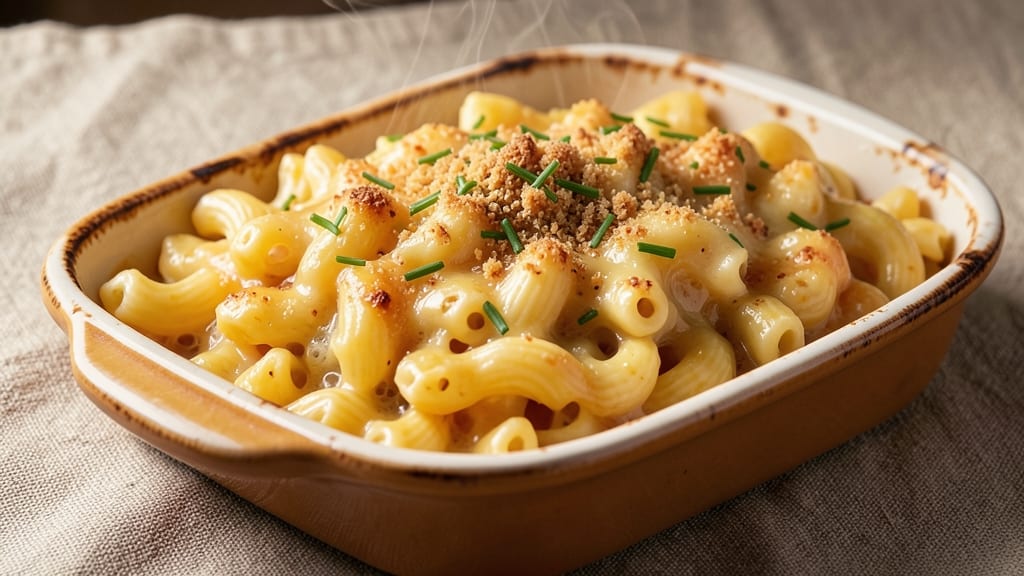
This bake macaroni sauce recipe delivers restaurant-quality comfort food with ultra-creamy layers and tender pasta—all without boiling water or messy stovetop sauce. The secret lies in baking the pasta and sauce together, where the cheese melts into a velvety blanket that coats every noodle perfectly.
I developed this method after years of perfecting mac and cheese, eliminating the risk of grainy texture or separated sauce.
What sets this recipe apart is the foolproof technique that transforms simple ingredients into a dish with melty, cheesy perfection. You'll start with elbow macaroni baked in a rich, creamy sauce made from sharp cheddar, Gruyère, and cream cheese—three cheeses that create depth and prevent clumping.
The sauce thickens beautifully during baking, creating those coveted, stretchy strands that make every bite irresistible.
The result is a one-dish wonder with crispy, golden edges and a creamy center that's impossible to resist. This method also eliminates the need for constant stirring, making it perfect for busy weeknights or when you want to avoid the kitchen while dinner cooks.
The aroma alone will have everyone gathered at the table, and the first bite delivers on that nostalgic, comforting flavor you crave.
Pair it with steamed broccoli, a simple green salad, or even garlic bread to round out the meal. The leftovers reheat beautifully, making this an ideal recipe for meal prep or feeding a crowd. Ready to master this restaurant-quality bake macaroni that's easier than you think?
Ingredients for bake macaroni sauce
Twelve ingredients transform into velvety, restaurant-style macaroni sauce without boiling pasta or stirring sauce.
| Ingredient | Amount | Notes |
|---|---|---|
| Elbow Macaroni 🍝 | 12 oz | Uncooked, standard elbow shape |
| Sharp White Cheddar Cheese 🧀 | 2 cups | Shredded, 2-year aged preferred |
| Gruyère Cheese 🧀 | 1 cup | Shredded, nutty flavor profile |
| Cream Cheese 🧈 | 8 oz | Full-fat, room temperature |
| Whole Milk 🥛 | 1 cup | Room temperature preferred |
| Unsalted Butter 🧈 | ½ cup | Cold, cubed for even melting |
| All-Purpose Flour 🌾 | ¼ cup | For thickening sauce |
| Diamond Crystal Kosher Salt 🧂 | 1 ½ tsp | Adjust to taste |
| Ground Black Pepper 🌶️ | ½ tsp | Freshly ground preferred |
| Garlic Powder 🧄 | ½ tsp | For subtle depth |
| Mustard Powder 🌶️ | ¼ tsp | Enhances cheesy flavor |
| Heavy Cream 🥛 | ½ cup | For ultra-creamy texture |
| Panko Breadcrumbs 🍞 | ¼ cup | For crispy topping |
| Extra-Virgin Olive Oil 🫒 | 1 tbsp | For greasing baking dish |
The cheese trio—sharp cheddar, Gruyère, and cream cheese—creates the signature depth and prevents clumping. Whole Foods and specialty cheese shops carry aged cheddar with the right sharpness, while Kraft or Cabot work well for everyday cooking. Gruyère should have visible holes and a rich, nutty aroma. Cream cheese should be full-fat and room temperature for smooth blending. For the macaroni, Barilla or De Cecco brands hold up best during baking. The elbow shape ensures perfect sauce absorption without turning mushy.
No sharp cheddar? Extra-sharp white cheddar at half the amount works in a pinch. Gruyère unavailable? Parmesan plus a pinch of nutmeg mimics the nutty profile. Substituting cream cheese for vegan cream cheese makes this vegetarian-friendly. For the milk component, half-and-half reduces richness slightly but keeps the creamy texture. Mustard powder can be swapped for Dijon mustard at half the amount. The panko topping can be replaced with crushed cornflakes for a gluten-free option. Always shred cheese yourself—pre-shredded contains anti-caking agents that prevent proper melting.
Pre-shredded cheese and pre-cooked pasta are forbidden here—they ruin texture. Store uncooked macaroni in an airtight container for 1 year, while shredded cheese keeps for 6 months when vacuum-sealed. The baked dish reheats beautifully—simply cover with foil and warm at 350°F for 15 minutes. For meal prep, assemble the dish but bake only 80% of the time before refrigerating, then finish baking after reheating. Leftovers keep for 5 days in the fridge or 3 months frozen, though texture may slightly degrade after freezing.
Why You'll Love This Recipe
- One-Pot Magic: I swear by this recipe for lazy nights—just toss the macaroni, shredded cheeses, and cream cheese into one dish, add milk, and bake. No boiling pasta separately, no extra pots to wash.
- Cheese Love Bomb: That combo of sharp white cheddar, nutty Gruyère, and cream cheese? It’s like a hug in sauce form—rich, gooey, and just salty enough to make you reach for seconds.
- Lunchbox Hero: Between us, this reheats beautifully for school lunches or office meals. Pack it warm in a thermos, and your kids (or coworkers) will think you’re a culinary genius.
- Budget Baked Bliss: A whole box of elbow macaroni and a block of cheddar stretch this into three meals for my family. Frugal? Absolutely. Delicious? Even more so.
Step-by-step instructions for baked macaroni and cheese
This method delivers restaurant-quality texture without boiling pasta—just bake and melt.
Prepare the Cheese Sauce Base
In a medium saucepan over medium-low heat, melt the 0.5 cup unsalted butter until completely liquid. Add the 0.25 cup all-purpose flour and whisk vigorously for 2-3 minutes until the mixture forms a smooth, pale roux. This step is critical—it removes the raw flour taste and creates the velvety texture.
Gradually whisk in the 1 cup whole milk and continue cooking for 3-4 minutes until the sauce thickens enough to coat the back of a spoon. Remove from heat and stir in the 8 oz cream cheese until fully melted and smooth. The sauce should be completely homogeneous with no lumps.
Incorporate the Cheese Blend
In a separate large bowl, combine the 2 cups sharp white cheddar cheese and 1 cup gruyère cheese. Add the 0.5 tsp garlic powder, 0.25 tsp mustard powder, 0.5 tsp ground black pepper, and 1.5 tsp kosher salt. Mix well to distribute the spices evenly throughout the cheese.
With the sauce still warm, gradually fold in the cheese mixture using a rubber spatula. Work quickly to maintain heat—you want the cheese to melt smoothly into the sauce. Once fully incorporated, stir in the 0.5 cup heavy cream until the sauce reaches a luxurious, creamy consistency. The final sauce should be thick but still pourable, with no visible cheese chunks.
Assemble and Bake the Macaroni
Preheat your oven to 375°F. Lightly grease a 9x9-inch baking dish with 1 tablespoon extra-virgin olive oil. Cook the 12 oz elbow macaroni according to package directions until al dente, then drain and rinse briefly under cold water to stop the cooking process. This prevents overcooking during baking.
Spread the cooked macaroni evenly in the prepared baking dish. Pour the cheese sauce over the macaroni, pressing down gently to ensure even distribution. The sauce should completely coat the pasta without pooling at the bottom. Sprinkle the 0.25 cup panko breadcrumbs evenly over the top for a crispy finish.
Bake to Golden Perfection
Transfer the baking dish to the preheated oven and bake for 25-30 minutes until the top is golden brown and the edges are bubbling. The center should be hot but not boiling—it will continue cooking slightly after removal. For best results, I recommend using an oven thermometer to verify your oven's accuracy, as temperatures can vary.
Remove from the oven and let rest for 5-10 minutes before serving. This resting period allows the layers to set properly, preventing a runny texture when sliced. The internal temperature should reach 165°F at the center. Serve immediately with a crisp green salad or steamed vegetables to balance the richness.
Pro Tips For Making Bake Macaroni Sauce
- Boil Pasta Just Short: DESCRIPTION: Pull the macaroni when it’s still slightly firm—about 1-2 minutes before package time. It’ll finish cooking in the oven and won’t turn mushy. I learned this the hard way after serving a pot of sad, overcooked noodles that dissolved into glue.
- Grate Cheese Coarse: DESCRIPTION: Skip the food processor for sharp white cheddar and Gruyère—hand-grate it into chunks. The texture stays melty and chewy, not pasty. (Yes, it’s tedious, but your sauce will thank you.)
- Mix Sauce Early: DESCRIPTION: Toss the cheese sauce with the hot pasta before baking. The residual heat melts the cream cheese instantly, and you won’t end up with clumpy bits in the oven. Trust me, stirring 10 minutes out of your way now saves 20 minutes of scrubbing later.
- Cover Tightly: DESCRIPTION: Press foil directly onto the sauce’s surface—no gaps—to trap steam and prevent a skin from forming. I used to think it was fine, but now I know: a sealed lid = creamy, not dried-out, top layer. (Pro move: Crimp the edges for extra insurance.)
Essential equipment for great bake macaroni sauce
Baking Dish Essentials
A 9x9-inch baking dish is non-negotiable for even heat distribution and proper browning. I recommend Ceramic Core or All-Clad stainless steel—they retain heat consistently and prevent hot spots. For budget-friendly options, Calphalon nonstick works well, but avoid cheap aluminum pans that can cause uneven cooking.
Grease the dish thoroughly with 1 tablespoon extra-virgin olive oil before adding pasta to prevent sticking. 🧊
Cheese Shredding Tools
Never use pre-shredded cheese—it contains anti-caking agents that prevent proper melting. Invest in a box grater or mandoline with a cheese attachment for uniform shreds. I prefer the Microplane for quick, fine shreds that melt seamlessly.
For large batches, a food processor with a shredding blade (like the Cuisinart DLC-10BC) saves time without compromising texture.
Precision Measuring Tools
Cheese sauce relies on exact ratios for the perfect consistency. Use a digital kitchen scale for cheeses—1 cup shredded cheddar weighs about 4 oz, but Gruyère is denser. For dry ingredients like flour, a stainless steel measuring cup ensures accuracy.
My go-to is the OXO Good Grips set—they’re durable and easy to read. Avoid scooping flour directly from the bag; spoon it in first, then level off for consistent results.
Temperature Control Gear
An oven thermometer is a game-changer—most home ovens run 25°F hotter or colder than set. The Thermoworks Oven Thermometer is my top pick for its accuracy and durability. For the roux step, a candy thermometer helps monitor the 160°F threshold where flour fully cooks.
If you’re baking for a crowd, a meat thermometer ensures the center reaches 165°F for food safety.
Mixing and Assembly Tools
A heatproof rubber spatula (like the OXO Good Grips) is essential for folding cheese into the sauce without scrambling it. For the panko topping, a fine-mesh sieve ensures even distribution. I also keep a wire whisk handy to smooth out the roux and a pasta server for portioning leftovers.
A silicon baking mat under the dish makes cleanup effortless—just slide it out after baking.
Nutrition facts
Frequently asked questions
Why does your recipe bake the macaroni instead of boiling it first?
Baking the macaroni directly eliminates the need for boiling water and prevents the sauce from becoming watery. The pasta absorbs the sauce during baking, creating a perfectly creamy texture with no mushy noodles. This method also saves time and reduces cleanup—no stovetop stirring required!
Can I use this recipe with other pasta shapes?
While elbow macaroni works best due to its shape, you can adapt this recipe for penne, farfalle, or shells. For small shapes like orzo, reduce the baking time by 5-7 minutes to prevent overcooking. Larger shapes may need an extra 2-3 minutes to achieve the same creamy texture.
What's the secret to preventing a grainy cheese sauce?
Shred your own cheese using a Microplane or box grater—pre-shredded contains anti-caking agents that create graininess. Also, keep the sauce warm while folding in cheese and avoid overheating the milk. The roux step (butter + flour) is critical for creating a smooth, velvety base that binds everything together.
How do I make this vegetarian or vegan?
For vegetarian, use vegan cream cheese and swap Gruyère for vegan Parmesan. For fully vegan, replace all dairy with nutritional yeast, cashew cream, and vegan butter. The roux can be made with vegan butter, but add 1 tbsp cornstarch to help thicken the sauce.
My baked macaroni turned out too dry—what went wrong?
This usually happens from overbaking or using too much cheese. Check your oven temperature with a thermometer—most home ovens run hot. For future attempts, reduce baking time by 2-3 minutes and cover with foil halfway through. Also ensure your sauce is thick enough before baking (it should coat the back of a spoon).