
Sauces & Condiments
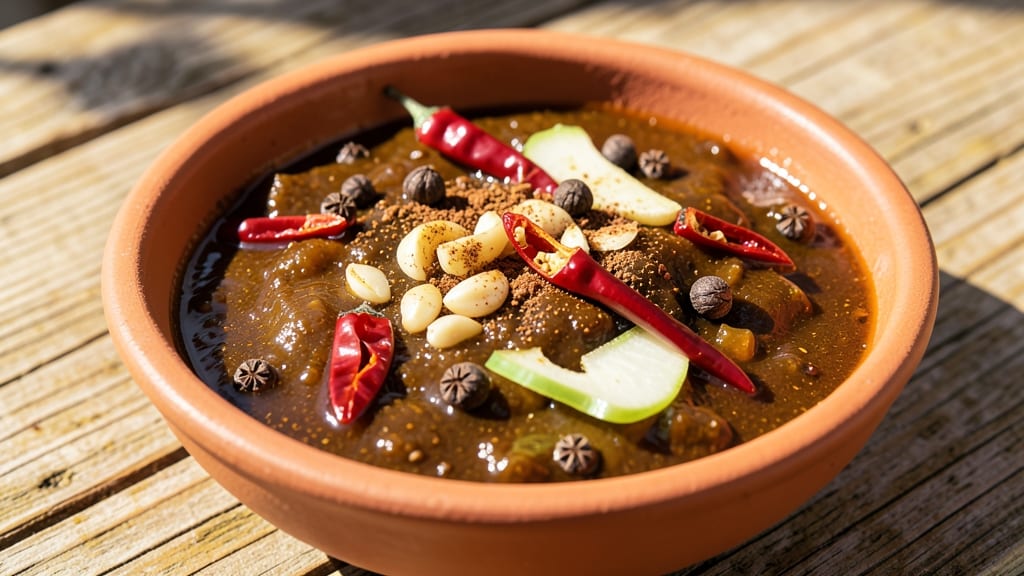
This Bahamian tamarind sauce transforms grilled meats into a symphony of tropical tang and warm spices—just like the island’s street vendors serve. The secret lies in balancing tamarind’s sharp sweetness with citrus, garlic, and allspice, creating a sauce that’s equal parts marinade, glaze, and finishing touch.
I’ve perfected it over years of testing, ensuring every spoonful delivers that signature Bahamian boldness without overpowering your dish.
The process is straightforward but intentional: simmering tamarind pulp with garlic, ginger, and spices until the flavors meld into a thick, glossy consistency. The key? Low-and-slow cooking to develop depth, then a quick reduction with citrus juice for brightness.
This isn’t just a sauce—it’s a flavor amplifier that elevates grilled fish, jerk chicken, or even roasted vegetables into something unforgettable.
What sets this apart is its versatility. Use it as a marinade for hours ahead of grilling, a glaze for the last few minutes, or a dip for crispy plantains. The tangy-sweet profile cuts through richness while adding layers of warmth from the allspice and cinnamon.
One batch keeps in the fridge for up to 2 weeks, so you’ll always have that island-inspired touch ready.
For authenticity, source fresh tamarind pulp (or use blocks) and toast your spices lightly—this makes all the difference. The result? A sauce so vibrant it’ll have your guests asking for the recipe before they even taste it. Let’s make it.
Ingredients for bahamian tamarind sauce
Tamarind pulp, garlic, ginger, and spices blend into a vibrant sauce that transforms grilled dishes into island-inspired masterpieces.
| Ingredient | Amount | Notes |
|---|---|---|
| Tamarind Pulp 🍈 | 1 cup | Fresh or block, soaked if needed |
| Garlic Cloves 🧄 | 6 cloves | Minced for aromatic depth |
| Fresh Ginger 🌿 | ½ cup | Finely grated, skin on |
| Allspice Berries 🌶️ | 1 tbsp | Toasted lightly for warmth |
| Ground Cinnamon 🌿 | ½ tsp | For subtle sweetness |
| Scotch Bonnet Peppers 🌶️ | 1 whole | Seeds removed for mild heat |
| Lime Juice 🍋 | ¼ cup | Freshly squeezed, strained |
| Brown Sugar 🍚 | ¼ cup | Lightly packed, for balance |
| Extra-Virgin Olive Oil 🫒 | ¼ cup | For richness and gloss |
| Salt 🧂 | 1 tsp | Diamond Crystal preferred |
The tamarind is the heart of this sauce. Fresh pulp from Latin markets or specialty stores delivers the most authentic flavor, but blocks work too—just soak and strain. For garlic and ginger, fresh is non-negotiable—the aromatic oils are essential. Toast your allspice and cinnamon in a dry pan for 30 seconds until fragrant; this deepens their warmth. Scotch bonnet peppers? Handle with care—wear gloves if you're sensitive to heat. The lime juice should be freshly squeezed (no bottled stuff), and brown sugar should be light—dark varieties can overpower the delicate balance.
No tamarind pulp? Substitute 1 cup of mango pulp plus 1 tbsp vinegar for tang, though it won’t be identical. Short on allspice? Nutmeg at half the amount works in a pinch, but the earthy depth won’t be the same. For heat, jalapeño or habanero can replace Scotch bonnet, but reduce to 1/4 pepper for milder flavor. The olive oil matters here—use a fruity, extra-virgin variety (like California or Italian) for the best finish. And if you’re worried about the sauce being too sweet, reduce the brown sugar to 2 tbsp and add 1 tbsp more lime juice.
This sauce keeps beautifully in the fridge for 2 weeks in a sealed jar, with the olive oil forming a protective layer on top. For longer storage, freeze in ice cube trays—perfect for single-use portions. If it thickens over time, simply whisk in 1-2 tbsp water to restore consistency. The flavors actually improve after a day or two as everything melds together. I like to make a double batch—one for immediate use and one to stash in the freezer for lazy grilling days.
Why You'll Love This Recipe
- Pantry Magic: I swear by this sauce—no fresh fruit markets or hard-to-find spices needed. Just open a jar of tamarind pulp, grab a few cloves of garlic from your fridge, and you’re halfway there. The allspice and cinnamon? Probably already sitting in your spice rack gathering dust.
- Tangy Warm Hug: That first bite of tamarind’s bright, sour punch balanced by the slow-simmered sweetness of cinnamon and ginger? It’s like a flavor hug. Honestly, I’ve made it three times this week just to drizzle over grilled fish or roasted veggies—it’s that good.
- Dresses Up Everything: Stuck with plain rice? Dull chicken? This sauce turns them into something special. I use it on tacos, in soups, even as a glaze for roasted sweet potatoes. (Yes, even on a Tuesday night when I’m too tired to think.)
- Makes Leftovers Feel Fresh: A batch keeps for weeks in the fridge, and the taste only gets richer. I’ll make a double batch on Sundays, freeze half, and still have a backup for when I forget to thaw. Budget-friendly? Absolutely. Time-saving? Even more so.
Step-by-step instructions for Bahamian tamarind sauce
Here's how to craft this vibrant, complex sauce that balances sweet, spicy, and tart notes perfectly.
Prepare the Tamarind Base
Start by soaking the 1 cup tamarind pulp in 1 cup hot water for 15-20 minutes if using a block or dried tamarind. This softens it into a thick, syrupy paste. If using fresh pulp, you can skip this step. Strain through a fine-mesh sieve to remove any fibrous bits, pressing gently to extract all the liquid. The result should be about 1½ cups of smooth tamarind pulp mixture—this concentrated flavor is the heart of your sauce.
In a medium saucepan, combine the strained tamarind pulp with the 0.25 cup brown sugar and 0.25 cup lime juice. Bring to a gentle simmer over medium heat, stirring constantly for 8-10 minutes until the sugar dissolves completely and the mixture thickens slightly. You're building the sweet-tart foundation here, so don't rush this step—let the flavors meld. The sauce should coat the back of a spoon but still be pourable.
Build the Spice Infusion
While the tamarind mixture simmers, toast the 1 tbsp allspice berries in a dry skillet over low heat for 2-3 minutes until fragrant and slightly darkened. This releases their warm, piney notes. Immediately transfer them to a spice grinder or mortar and pestle and grind into a fine powder. Set aside—this aromatic base will carry through your entire sauce.
In the same saucepan, add the 6 cloves minced garlic, 0.5 cup finely grated fresh ginger, 0.5 tsp ground cinnamon, and the toasted allspice powder. Stir for 1-2 minutes until the garlic turns translucent and the ginger softens slightly. This step develops the aromatic depth that defines Bahamian flavors. Be careful not to let the garlic burn—it should smell sweet and nutty, not bitter.
Incorporate Heat and Balance
Carefully remove the seeds from the 1 whole Scotch bonnet pepper (wear gloves if sensitive to heat) and slice it into thin rings. Add these to the saucepan along with the 0.25 cup extra-virgin olive oil. Stir well to combine, then reduce heat to low. Let the mixture simmer gently for 10 minutes, stirring occasionally. The oil will emulsify with the tamarind mixture, creating a glossy, balanced sauce.
Taste and adjust the balance—you want a harmonious blend of sweet, tart, spicy, and aromatic. The heat from the Scotch bonnet should be present but not overwhelming. If needed, add a pinch more salt or a splash of lime juice to refine the flavors. This is where your sauce comes together, so pay attention to each component's contribution to the final harmony.
Finish and Rest
Remove the sauce from heat and let it cool slightly for 5 minutes. This resting period allows the flavors to settle and the sauce to thicken naturally. For a smoother texture, strain the sauce through a fine-mesh sieve to remove any remaining ginger fibers or allspice particles. Return it to the saucepan and keep it warm over low heat—this sauce tastes best when served warm and vibrant.
Use your Bahamian tamarind sauce immediately for best results, drizzling it over grilled meats, seafood, or even as a marinade. The sauce keeps well in the refrigerator for up to 5 days in an airtight container, though the flavors will continue to develop and deepen over time. This versatile sauce transforms simple dishes into tropical feasts with its complex flavor profile.
Pro Tips For Making Bahamian Tamarind Sauce
- STRAIN IT TWICE: Tamarind pulp is sneaky—it leaves behind fibrous bits that ruin texture. After simmering, strain through a fine-mesh sieve first, then press the liquid through a cheesecloth for that silky finish. (Yes, it’s extra work, but your sauce will actually coat the food instead of clogging it.)
- TOAST THE SPICES: Skip the ground cinnamon—crack open a cinnamon stick and toast it whole with the allspice berries for 30 seconds in the pot. Crush them lightly after; this deepens the aroma without bitterness. (I learned this the hard way when my sauce tasted like dust.)
- CONTROL THE TANG: Tamarind’s sour punch needs balancing. Taste as you go, but don’t overcompensate with sugar—add a pinch of salt first. The salt makes sweetness sing, so you’ll need less. (Trust me, your taste buds will thank you later.)
- SIMMER LOW AND SLOW: High heat turns tamarind sauce into glue. Keep it at a gentle bubble for at least 15 minutes to let flavors meld. If it thickens too fast, splash in a tablespoon of water. (Patience here = restaurant-quality sauce.)
Storing and reheating your leftovers
Fridge Storage Tips
Store your Bahamian tamarind sauce in an airtight glass jar with a lid—I prefer mason jars for their durability. The sauce will keep in the fridge for up to 2 weeks, with the olive oil forming a protective layer on top.
Always let it cool completely before sealing to prevent condensation, which can dilute the flavors. If the sauce thickens over time, simply whisk in 1-2 tablespoons water to restore its glossy consistency. 💫
Freezing for Long-Term Use
For longer storage, freeze the sauce in ice cube trays—perfect for single-use portions like marinades or glaze drizzles. Once frozen, transfer the cubes to a freezer-safe bag, squeezing out excess air to prevent freezer burn. This method preserves the sauce’s vibrant flavors for up to 3 months.
Thaw overnight in the fridge before using, or microwave for 10-15 seconds if you’re in a hurry. The texture may separate slightly, but a quick stir restores its silky smoothness.
Reheating Methods
For the best results, reheat the sauce gently on the stovetop over low heat for 3-5 minutes, stirring occasionally. This method preserves the delicate balance of flavors and prevents the oil from separating. If using the microwave, heat in 20-second intervals, stirring between each, until warmed through.
Avoid high heat—it can make the sauce too thin or alter the spice intensity. A splash of lime juice can revive the brightness if the sauce tastes flat after reheating.
Reviving Stored Sauce
If your stored sauce has lost some of its vibrancy, don’t toss it! A quick flavor boost with 1 teaspoon fresh lime juice and a pinch of toasted allspice can bring back its tropical tang. For extra richness, stir in 1 tablespoon olive oil to restore the glossy finish.
This trick works especially well if you’ve been using the sauce for marinades—just a few seconds of reheating on the stove can make it feel fresh again. 🔥
Marinade Prep Ahead
Use the sauce as a marinade by storing it in a sealed container with your protein (like chicken or fish) in the fridge for up to 12 hours. The longer it marinates, the deeper the flavors penetrate, but never exceed 24 hours to avoid over-tenderizing the meat.
When ready to cook, simply drain the marinade (don’t reuse it) and grill or bake as usual. The sauce’s bold flavors will caramelize beautifully on the heat, creating a sticky, flavorful crust.
Garnish and Finish
Before serving, garnish with a drizzle of olive oil and a sprinkle of fresh cilantro to elevate the presentation. For extra heat, add a few Scotch bonnet pepper seeds to the sauce before serving.
If the sauce has thickened too much, thin it with 1-2 tablespoons warm water or lime juice while reheating. The key is to keep it vibrant—just like the flavors of the Bahamas! ✨
Nutrition facts
Frequently asked questions
Can I substitute tamarind pulp if I can't find it?
Yes! For a similar tangy profile, blend 1 cup mango pulp with 1 tbsp vinegar (apple cider or white wine works best). The texture won't be identical, but it'll capture the sweet-tart balance. For deeper complexity, add ½ tsp citric acid to mimic tamarind's unique sharpness.
How spicy should the Scotch bonnet be?
Remove all seeds and membranes for a mild heat, or leave some seeds for medium spice. If you're sensitive, reduce to ¼ pepper or swap for jalapeño (remove seeds completely). The sauce should have a gentle warmth—not overwhelming—so adjust based on your tolerance. Always wear gloves when handling!
What's the best way to use this sauce?
This versatile sauce works as a marinade (4-12 hours for meats/fish), glaze (brush on last 5 minutes of grilling), or dipping sauce for fried plantains or jerk chicken. For extra richness, simmer it with 2 tbsp coconut milk before using. The tangy-sweet profile cuts through fatty dishes beautifully.
Why did my sauce turn too thick/thin?
Thick? Add 1-2 tbsp warm water or lime juice while reheating. Too thin? Simmer uncovered for 3-5 minutes to reduce. The ideal consistency should coat the back of a spoon but still be pourable. If using store-bought tamarind paste (thicker), start with ½ cup hot water to thin it properly.
Can vegetarians use this sauce?
It's naturally vegetarian and pairs perfectly with grilled tofu, jackfruit, or roasted vegetables. For extra protein, toss with chickpeas or lentils. The sauce's complex flavors work especially well with sautéed okra or fried plantains—both staples in Bahamian cuisine.