
Sauces & Condiments
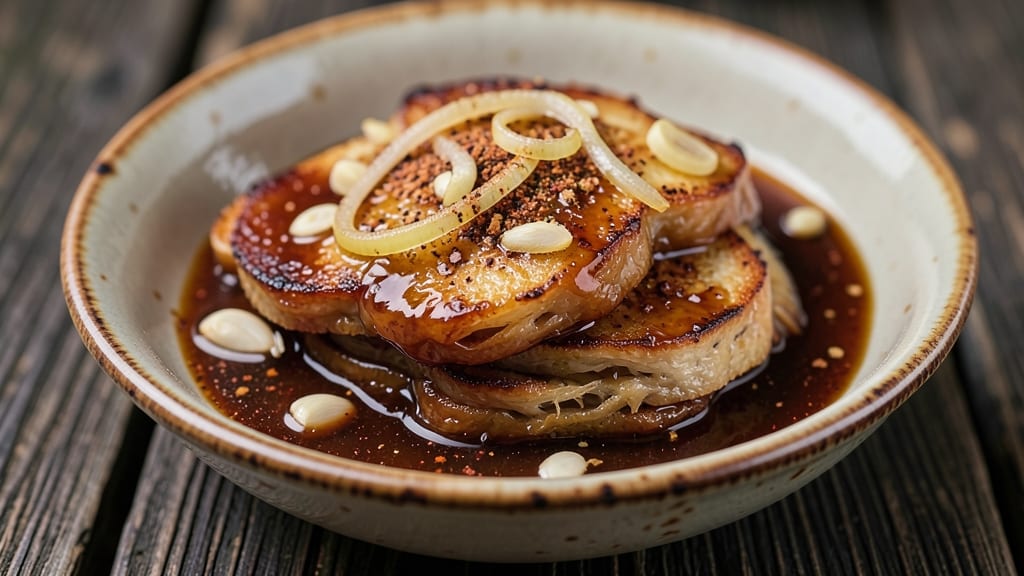
This bagnet sauce recipe transforms crispy pork into a smoky-sweet masterpiece that pairs perfectly with wings or fries. The secret lies in balancing vinegar's tang with caramelized onions and garlic for depth, creating a glaze that clings beautifully to crispy edges.
I've perfected this sauce over years of testing, ensuring every batch delivers restaurant-quality flavor without the fuss.
The foundation starts with a simple simmer of vinegar, brown sugar, and spices, which reduces into a thick, glossy sauce. Onions and garlic caramelize slowly, adding layers of sweetness that complement the smoky paprika and cayenne.
This sauce isn't just for bagnet—it elevates any crispy protein or vegetable with its bold, balanced profile.
What makes this sauce exceptional is its versatility. Use it immediately for that perfect glaze on fresh bagnet, or store it in the fridge for up to two weeks. The flavors deepen over time, making it even more flavorful for future meals.
Whether you're hosting a game day gathering or craving a quick weeknight treat, this sauce delivers consistent, crave-worthy results.
The process is straightforward: combine ingredients, simmer until thickened, and adjust seasoning to taste. No special equipment is needed—just patience and attention to balance. Once you try homemade bagnet sauce, store-bought versions will never compare. Let's get started on creating this flavorful essential for your cooking repertoire.
Ingredients for bagnet sauce
Nine simple ingredients transform into a restaurant-quality glaze that elevates crispy pork to new heights.
| Ingredient | Amount | Notes |
|---|---|---|
| White Vinegar 🍶 | 1 cup | Distilled preferred for clarity |
| Light Brown Sugar 🍬 | ¾ cup | Packed, not aerated |
| Yellow Onions 🧅 | 1 whole | Medium size, thinly sliced |
| Garlic Cloves 🧄 | 4 cloves | Peeled, thinly sliced |
| Smoked Paprika 🌶️ | 2 tsp | High quality for smokiness |
| Ground Cayenne Pepper 🔥 | ½ tsp | Adjust for heat preference |
| Ground Black Pepper 🌶️ | ½ tsp | Freshly ground preferred |
| Salt 🧂 | 1 tsp | Diamond Crystal preferred |
| Extra-Virgin Olive Oil 🫒 | 1 tbsp | For finishing, fruity variety |
The onions and garlic are the flavor anchors here—yellow onions caramelize beautifully, while the garlic adds depth. Grab the sweetest onions you can find (like Vidalia or Maui), but yellow works fine in a pinch. For garlic, fresh is non-negotiable—jarred minced has a metallic aftertaste. Smoked paprika is key for that authentic bagnet flavor, so don't skimp. Penzeys or Trader Joe's carry excellent quality if you're not near a Latin market. The vinegar should be white, not apple cider—distilled gives the cleanest tang.
No smoked paprika? Regular paprika plus a pinch of liquid smoke works in a bind, though it's not identical. Running low on cayenne? Red pepper flakes at half the amount gives heat without the same smoky punch. The brown sugar can be swapped for turbinado or muscovado for deeper caramel notes. Olive oil is just for finishing—if you're avoiding it, a drizzle of avocado oil works too. For a sweeter sauce, add another tablespoon of sugar; for more tang, splash in extra vinegar. Balance is everything here.
This sauce keeps beautifully—up to 2 weeks in the fridge in an airtight jar. The flavors actually improve over time, so make a double batch if you can. For storage, let it cool completely before sealing. If it thickens too much, stir in a teaspoon of water or vinegar. Freezes for 6 months if you want to prep ahead. I always make extra for game day—it disappears fast when crispy wings are on the table.
Why You'll Love This Recipe
- Five-Ingredient Magic: I swear, this sauce is one of those rare recipes where the ingredient list reads like a grocery store scavenger hunt—vinegar, sugar, onions, garlic, and smoked paprika—and somehow everything clicks. No fancy techniques, no hidden pantry staples, just pure, smoky-sweet tang that comes together while you’re still debating what to eat for dinner.
- Smoky-Sweet Obsession: That first bite? It’s like a hug from a campfire and a candy store had a baby. The brown sugar caramelizes into the onions, the garlic hits just as it’s about to turn golden, and the smoked paprika adds this deep, woodsy warmth that lingers. Honestly, I’ve made it three times this week because I can’t stop dipping.
- Game for Any Meal: Need a quick weeknight dinner? Slather it on grilled sausages. Craving something hearty for a crowd? Toss it with roasted potatoes or toss it into a skillet with crispy pork. Even my picky teen asks for it on tacos—(yes, even on a Tuesday night). It’s the kind of sauce that turns “what’s for dinner?” into “let’s eat.”
- Leftovers That Don’t Suck: Between us, most homemade sauces turn into sad, watery leftovers. Not this one. The vinegar and sugar create a thick, glossy finish that actually improves overnight—like a better version of itself. I make a double batch every time because it’s my go-to for meal prep, and it costs me less than half of what store-bought would. Plus, it keeps for weeks in the fridge.
Step-by-step instructions for bagnet sauce
Here's how to craft this smoky-sweet glaze that transforms ordinary wings and fries into irresistible bites.
Sweat the Onions and Garlic
Heat the 1 tablespoon extra-virgin olive oil in a medium saucepan over medium-low heat. Add the 1 whole yellow onion, sliced into thin half-moons, and cook for 5-6 minutes until they become translucent and just beginning to soften. This slow cooking prevents burning while developing sweetness.
Add the 4 cloves garlic cloves, sliced thinly, and cook for another 1-2 minutes until fragrant but not browned. The garlic should smell pungent and inviting—this is your flavor foundation. Keep the heat gentle to avoid burning, as garlic can turn bitter quickly. Remove from heat and set aside temporarily.
Build the Spice Base
Return the pan to medium heat and add the 2 teaspoons smoked paprika, stirring constantly for 30 seconds to toast the spices and release their aromatic oils. This step deepens the smoky flavor that defines bagnet sauce. Immediately add the ½ teaspoon ground cayenne pepper, ½ teaspoon ground black pepper, and 1 teaspoon salt, stirring for another 10 seconds until fully incorporated.
I like to press the spices into the onions and garlic with a wooden spoon to ensure even distribution. The spices should look like they've been coated in a fine dust—this guarantees balanced heat and flavor in every bite. Keep the pan on heat for just a moment longer to let the spices bloom fully.
Combine Wet Ingredients
Pour in the 1 cup white vinegar and ¾ cup light brown sugar, stirring vigorously to dissolve the sugar completely. The mixture will bubble slightly as it heats up. Increase the heat to medium-high and bring the sauce to a gentle boil, then reduce to medium-low to maintain a steady simmer.
Here's where it gets interesting—the sugar will begin to caramelize, creating that signature glossy sheen. Let it simmer for 10-12 minutes, stirring occasionally, until the sauce thickens noticeably. You're looking for a consistency somewhere between syrup and honey—it should coat the back of a spoon but still flow freely. If it thickens too quickly, add 1-2 tablespoons water to maintain balance.
Simmer to Perfection
Once the sauce reaches the desired consistency, return the sautéed onions and garlic to the pan. Stir well and let the sauce simmer for another 5-7 minutes to fully infuse the flavors. The onions should be tender but still hold their shape, and the garlic should be completely integrated into the sauce.
Taste and adjust seasoning if needed—this is where you can fine-tune the balance between smoky, sweet, and tangy. I often add a pinch more salt or a dash of cayenne for extra depth. The sauce should be vibrant with a deep caramel color and a glossy finish that promises to cling beautifully to crispy foods.
Finish and Store
Remove the sauce from heat and let it cool slightly. The sauce will continue to thicken as it cools, so don't worry if it looks a bit runny when hot. Transfer to a clean jar or airtight container and let it come to room temperature before sealing. This sauce keeps well in the refrigerator for up to 2 weeks, making it perfect for batch cooking.
For best results, use this sauce immediately on freshly fried wings or fries while they're still crispy. The contrast between the smoky-sweet glaze and the crunchy exterior creates a flavor explosion that's impossible to resist. If the sauce thickens too much after refrigeration, simply reheat it gently and add a splash of water to restore the ideal consistency.
Pro Tips For Making Bagnet Sauce
- Bloom the Paprika: Heat the smoked paprika in the pan for 30 seconds before adding other ingredients—this wakes up its flavor and keeps it from clumping like a sad, flavorless lump. (Yes, even if you’re impatient like me, don’t skip this.)
- Sweat, Don’t Burn: Cook the onions low and slow until they’re translucent and just starting to caramelize—about 8-10 minutes. Rushing this turns them bitter, and bitter onions ruin the whole sauce. (I learned this the hard way after one disastrous batch.)
- Vinegar First: Add the white vinegar to the pan before the sugar, then let it bubble for 2-3 minutes to mellow its sharpness. Dumping it in at the end just makes the sauce taste like you’re pickling your food.
- Grate the Garlic: Skip mincing—grate the garlic cloves directly into the pan for a smoother, more even distribution. No knife skills? No problem. (And yes, your future self will thank you for not burning it.)
Best sauces and condiments for this recipe
Sweet-Smoky Balance
This sauce thrives on its three core flavors: tangy vinegar, caramelized sweetness, and smoky heat. The white vinegar provides the bright acidity that cuts through the richness of fried foods, while the brown sugar creates a deep caramelization that makes the sauce cling beautifully.
The smoked paprika and cayenne add layers of complexity—think of it as the soul of the sauce. I always adjust the sugar first if I want it sweeter, then balance with vinegar for tang. 🌶️
Onion and Garlic Foundation
The yellow onion and garlic are non-negotiable—they build the sauce's aromatic base. Cook them low and slow until translucent but not browned; this prevents bitterness and lets their natural sweetness shine. I like to use Vidalia onions when available, but yellow onions work perfectly fine.
The garlic should be thinly sliced to infuse quickly without overpowering. Pro tip: Toast the spices in the same pan after removing the onions to maximize flavor extraction. 🧅
Thickness Control
Achieving the perfect consistency is all about patience. Simmer the sauce until it coats the back of a spoon but remains pourable—this takes about 10-12 minutes on medium-low heat. If it thickens too fast, add 1-2 tablespoons water to maintain balance.
The sauce will thicken further as it cools, so don't over-reduce it. For extra gloss, stir in 1 tablespoon olive oil at the end—it enhances the sauce's silky texture and adds a fruity note. ⏰
Storage and Shelf Life
This sauce keeps beautifully in an airtight jar in the fridge for up to 2 weeks, with flavors deepening over time. For long-term storage, freeze it in ice cube trays—just thaw and reheat gently before using.
If the sauce thickens after refrigeration, stir in a splash of vinegar or water to restore its ideal consistency. I always make a double batch because it disappears fast during game day gatherings. 💫
Versatile Uses Beyond Bagnet
While this sauce was designed for crispy pork, it elevates fried chicken, fries, or even roasted vegetables. The smoky-sweet profile works surprisingly well with grilled shrimp or as a marinade for tofu.
For extra richness, drizzle with avocado oil before serving. The sauce also makes a fantastic dipping sauce for spring rolls or dumplings. Don't limit it to one dish—experiment and let your creativity shine! 🍗
Nutrition facts
Frequently asked questions
What makes this bagnet sauce different from regular vinegar-based sauces?
The secret lies in the smoked paprika and cayenne, which create that signature smoky depth, plus the caramelized onions and garlic that add natural sweetness. Unlike basic vinegar sauces, this one has a balanced sweet-tangy-spicy profile that clings beautifully to crispy foods.
Can I make this sauce without smoked paprika?
Yes! Use 1 teaspoon regular paprika plus ¼ teaspoon liquid smoke for a similar effect. For heat, swap cayenne with ½ teaspoon red pepper flakes—just know the smoky flavor will be slightly different. The sauce will still taste delicious, just with a more traditional vinegar-forward profile.
How do I prevent the sauce from getting too thick or too thin?
Simmer until it coats the back of a spoon but remains pourable (10-12 minutes). If it thickens too fast, add 1-2 tablespoons water to maintain balance. If it's too thin, simmer longer or reduce heat slightly. The sauce will thicken more as it cools, so don't over-reduce it. For extra gloss, finish with 1 tablespoon olive oil.
What are the best foods to pair with this sauce besides bagnet?
This versatile sauce works perfectly with fried chicken, fries, grilled shrimp, or even roasted vegetables. It's also great as a marinade for tofu or pork ribs or as a dipping sauce for spring rolls. The smoky-sweet balance elevates almost any crispy or savory dish.
Can I make this sauce spicier or sweeter?
For more heat, add ¼ teaspoon extra cayenne (or red pepper flakes). For extra sweetness, increase brown sugar to 1 cup and adjust vinegar to balance. Taste as you go—this sauce is all about finding your perfect balance. The key is to adjust one ingredient at a time to avoid overpowering flavors.