
Sauces & Condiments
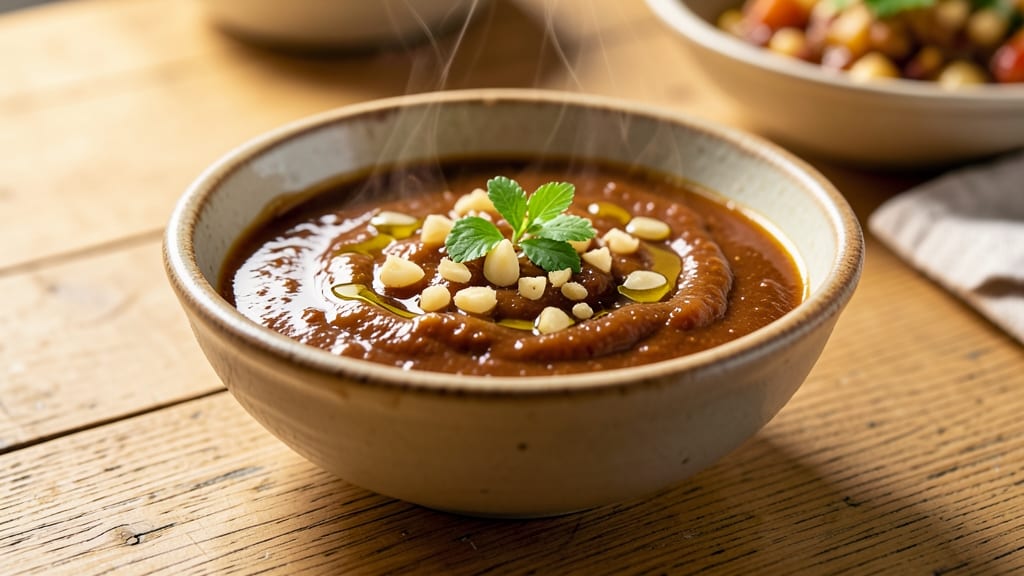
This bacsilog sauce recipe transforms grilled meats into something unforgettable with its perfect balance of smoky garlic, tangy vinegar, and sweet-savory depth. 🔥 The secret lies in slow-cooking garlic until it caramelizes, then blending it with vinegar, soy sauce, and sugar to create a glossy, aromatic glaze that elevates every bite.
I developed this version after years of perfecting the sauce for Filipino-style grilled pork, but it works just as beautifully with chicken, beef, or even rice dishes.
The sauce’s magic comes from its simplicity—just five key ingredients that work together to create layers of flavor. Garlic provides that signature smoky aroma, while cane vinegar adds bright acidity that cuts through richness. A touch of sugar balances the tang, and soy sauce deepens the umami.
The best part? It takes just 15 minutes to make, with most of that time spent simmering the garlic until fragrant and golden.
What you’ll end up with is a glossy, sticky sauce that clings to grilled meats like a second skin, infusing them with smoky-sweet goodness in every bite. The aroma alone will have everyone gathering around the table, and the taste?
Pure comfort food at its finest. This isn’t just a sauce—it’s the star of the meal.
Use it to glaze grilled pork chops, chicken thighs, or even beef skewers for an authentic Filipino touch. It also pairs perfectly with rice dishes or as a dipping sauce for spring rolls.
The versatility makes it a must-have in your cooking arsenal, ready to transform simple proteins into restaurant-quality meals.
Ingredients for bacsilog sauce
Five ingredients. Fifteen minutes. The secret to restaurant-style grilled meats at home.
| Ingredient | Amount | Notes |
|---|---|---|
| Garlic Cloves 🧄 | 12 whole | Peeled, slow-cooked until golden |
| Cane Vinegar 🍶 | ½ cup | White or apple cider vinegar |
| Soy Sauce 🍶 | ¼ cup | Light or dark preferred |
| Granulated Sugar 🍚 | 2 tbsp | White or brown sugar works |
| Olive Oil 🫒 | 1 tbsp | For deglazing pan |
The garlic is everything here—12 cloves means you’re getting that deep, caramelized flavor. Trader Joe’s sells garlic in those big bulbs that work perfectly, but any fresh garlic will do. Slow-cook it until it’s golden and fragrant—don’t rush this part. The vinegar should be cane vinegar if you can find it (that’s the traditional choice), but white or apple cider vinegar works in a pinch. Just make sure it’s good quality—Bragg or Heinz are solid options. The soy sauce? Light or dark, but avoid the low-sodium kind unless you’re doubling up.
No cane vinegar? White vinegar or apple cider vinegar are fine, but you might want to add a tiny pinch of sugar to balance the flavor. Running low on soy sauce? Coconut aminos work in a bind, though they’ll give a slightly different taste. The sugar is just there to balance the tang—brown sugar adds a caramel note, but white sugar keeps it clean. If you’re making this for a crowd, double the recipe—it keeps beautifully in the fridge for up to 2 weeks. Just stir it before using, since the garlic might settle.
This sauce reheats like a dream—just warm it gently on the stove. Keeps 2 weeks in the fridge once opened, and 3 months frozen if you want to prep ahead. I like to make a big batch and freeze it in ice cube trays—just pop out what I need for the week. The sauce gets even better after a day or two in the fridge as the flavors meld together. Perfect for glaze, dip, or drizzle—whatever makes your grilled meats shine.
Why You'll Love This Recipe
- Five-Ingredient Magic: I swear by this—just garlic, vinegar, soy, sugar, and oil. That’s it. No fancy pantry trips, no last-minute grocery runs. Honestly, I keep a jar of this in my fridge because it’s the kind of sauce that turns anything into a standout.
- Umami Bomb: The garlic sizzles in olive oil until it’s golden—not burnt, just perfect—then the vinegar cuts through the richness while the soy and sugar balance it into something dangerously addictive. It’s the kind of flavor that makes you pause mid-bite.
- Weeknight Workhorse: Slather it on grilled pork, toss it with rice and eggs, or drizzle it over noodles. I’ve used it for everything from quick breakfasts to lazy dinners, and it never lets me down. Even my picky-eating partner asks for seconds.
- Budget Stretch: A little goes a long way, and the ingredients? Cheap. Like, real cheap. I’ve made this for years, and it’s the only sauce I buy in bulk because it’s always worth it—no splurges, just solid flavor for next to nothing.
Step-by-step instructions for bacsilog sauce
Here's how to make this smoky, tangy sauce that'll take your grilled meats to the next level.
🔥 Step 1: Slow-Cook the Garlic Until Golden
Heat a small saucepan over low heat and add the 12 whole peeled garlic cloves. Let them cook undisturbed for 10-12 minutes until they turn deep golden brown and smell intensely sweet and nutty. This slow cooking process caramelizes the garlic without burning it, creating the sauce's signature depth of flavor.
Real talk: Don't rush this step. If you see the garlic turning dark brown too quickly, reduce the heat immediately. You want golden, not burnt. The garlic should be soft enough to crush easily between your fingers when done.
🍳 Step 2: Deglaze with Olive Oil and Vinegar
Remove the pan from heat and let the garlic cool for 2 minutes. Add the 1 tablespoon olive oil and use a wooden spoon to gently crush the garlic cloves, releasing all their flavorful oils. Return the pan to medium heat and add the 0.5 cup cane vinegar.
Here's the thing—let the vinegar simmer for 3-4 minutes until it reduces by about half and the garlic-vinegar mixture starts to thicken slightly. You'll see the liquid darken and develop a glossy appearance. This reduction intensifies the tangy flavor that balances the sauce's richness.
🥘 Step 3: Build the Sauce with Soy and Sugar
Add the 0.25 cup soy sauce and 2 tablespoons granulated sugar to the pan. Stir well to combine, then increase heat to medium-high and let the mixture simmer for 5-6 minutes until it thickens to a glossy, syrupy consistency. You're looking for a sauce that coats the back of a spoon and has a smooth, velvety texture.
I know it seems like too much sugar at first, but trust me—it balances the acidity of the vinegar and enhances the umami from the soy sauce. Taste as you go and adjust with a pinch more sugar if needed, but don't add more vinegar at this point—it'll thin out the sauce.
⏰ Step 4: Strain and Cool for Best Results
Once the sauce reaches your desired consistency, remove it from heat and let it cool for 5 minutes. Then strain it through a fine-mesh sieve into a clean bowl to remove any garlic bits. This gives you a silky-smooth sauce perfect for drizzling.
The sauce will thicken even more as it cools, so don't strain it too early. For best results, let it sit at room temperature for 30 minutes before using. This resting time allows all the flavors to meld together perfectly, creating that authentic bacsilog taste you're after.
Pro Tips For Making Bacsilog Sauce
- MINCE THE GARLIC FINE: I learned this the hard way—chunky garlic cloves won’t dissolve properly and leave you with a sauce that tastes like you forgot to cook them. Use a sharp knife (or pulse in a food processor) until it’s almost paste-like. This isn’t about pretty mincing; it’s about flavor distribution.
- LOW AND SLOW SIMMER: Bacsilog sauce needs patience—don’t rush the simmer. Keep it at a gentle bubble (not a rolling boil) for at least 10 minutes after adding vinegar and sugar. Rushing turns the sauce bitter; slow cooking lets the flavors meld like they’re supposed to.
- MEASURE THE VINEGAR FIRST: Skip the guessing game—use a liquid measuring cup for cane vinegar. Too much and your sauce will taste harsh; too little and it’ll lack that signature tang. Start with ¼ cup and adjust to taste, but don’t wing it.
- STIR IN THE SUGAR LAST: Adding sugar too early can make the garlic burn before it softens. Wait until the garlic’s golden and fragrant, then toss in the sugar with the vinegar. This keeps the sauce balanced—no caramelized bits, just smooth sweetness.
Creative variations of this bacsilog sauce
Filipino-Style Grilled Meat Glaze
This sauce isn't just for bacsilog—it's the ultimate glaze for any grilled meat. Brush it on pork chops or chicken thighs during the last 5 minutes of grilling for a caramelized crust.
I love using it on lechon kawali (Filipino fried pork) too—drizzle it on after cooking and broil for 2-3 minutes to create a sticky, flavorful glaze. 🔥
Spicy Bacsilog Sauce
For a kick, add 1 teaspoon sriracha or ½ teaspoon chili flakes when combining the soy sauce and sugar. If you want heat without spice, try 1 teaspoon sambal oelek—it adds depth and a subtle burn.
I recommend starting with ½ teaspoon and adjusting to taste, as sambal can be potent. This version works perfectly with spicy grilled sausages or jalapeno-popper chicken.
Sweet and Tangy Dipping Sauce
Reduce the sugar to 1 tablespoon and add 1 tablespoon honey or maple syrup for a sweeter, fruitier profile. This version is amazing as a dip for spring rolls or egg rolls, and it pairs beautifully with grilled shrimp skewers.
The extra sweetness balances the vinegar perfectly, making it great for kids or anyone who prefers a milder flavor. 💫
Umami Boost with Mushrooms
For a deeper umami flavor, sauté 2 finely chopped shiitake mushrooms in the same pan after crushing the garlic. Add them to the vinegar along with the other ingredients. The mushrooms add a meaty, earthy note that pairs exceptionally well with beef skewers or grilled tofu.
This variation is a game-changer for vegetarian dishes, giving them that rich, savory depth.
Herb-Infused Variation
Add 1 tablespoon chopped fresh cilantro or thai basil at the very end, just before removing from heat. The herbs add a bright, fresh contrast to the smoky-sweet base. This works wonderfully with grilled fish like mahi-mahi or salmon, or as a drizzle over stir-fried noodles.
The herbs keep the sauce vibrant and prevent it from feeling too heavy.
Long-Shelf-Life Freezer Version
For a sauce that lasts even longer, reduce the vinegar to ¼ cup and add 1 teaspoon cornstarch mixed with 1 tablespoon water at the end. Simmer for 1 more minute until thickened.
This version keeps for up to 6 months in the freezer and reheats beautifully. Perfect for meal prep—just thaw and use as needed. ✨
Nutrition facts
Frequently asked questions
What makes this sauce different from regular soy-vinegar dipping sauces?
The key difference is the slow-cooked garlic that develops deep caramelized notes. While many sauces use minced garlic, this recipe calls for whole cloves cooked until golden brown—creating a smoky, nutty depth that regular sauces miss. The sugar also balances the tang differently, giving it that signature Filipino sweet-sour profile.
Can I make this sauce without cane vinegar?
Yes! Use white vinegar or apple cider vinegar instead, but you may need to add an extra ½ teaspoon sugar to balance the flavor. The acidity level will be slightly different, but the sauce will still taste delicious. For best results, choose a high-quality vinegar like Bragg or Heinz.
How do I know when the garlic is cooked enough?
The garlic is ready when it turns deep golden brown and smells intensely sweet and nutty (about 10-12 minutes on low heat). It should be soft enough to crush easily with a spoon but not burnt. If it darkens too quickly, reduce the heat immediately—burnt garlic will make the sauce bitter.
Can I use this sauce for non-Filipino dishes?
This versatile sauce works beautifully on grilled chicken, beef skewers, or even rice dishes. Try drizzling it over stir-fried noodles or using it as a marinade for tofu or shrimp. The smoky-sweet flavor pairs well with many cuisines, not just Filipino.
Why does my sauce turn out too thin or too thick?
If it's too thin, simmer it 2-3 minutes longer to reduce the liquid. For thickness, add ½ teaspoon cornstarch mixed with 1 tsp water and stir until glossy. The sauce naturally thickens as it cools, so don't strain it too early. Always taste as you go—adjustments are easy with this recipe!