
Sauces & Condiments
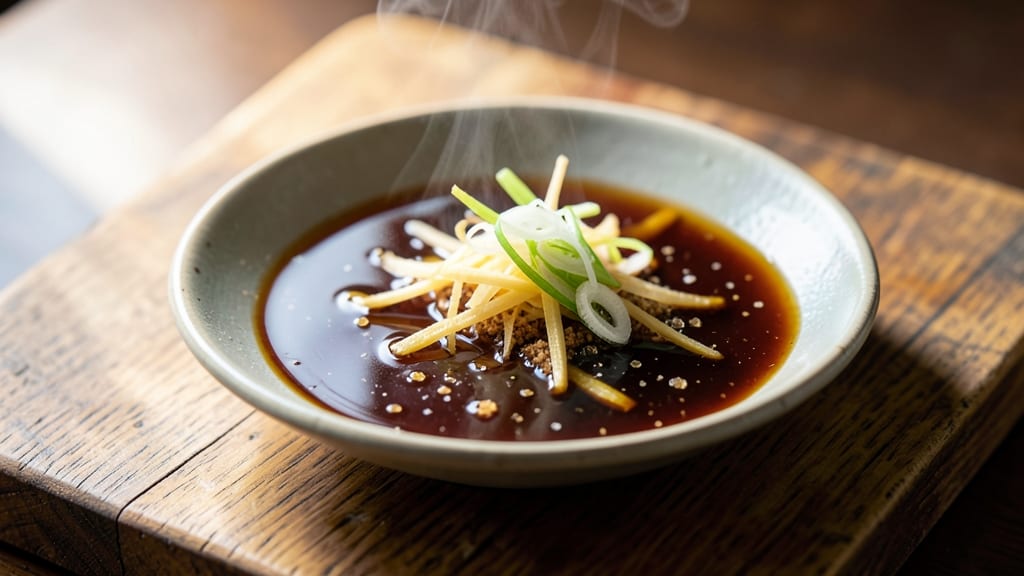
This authentic yakiniku sauce recipe delivers the perfect balance of bold soy and sweet mirin that transforms grilled meats into restaurant-quality masterpieces. The secret lies in slow simmering—reducing the sauce until it achieves that signature glossy, sticky finish that clings beautifully to charred beef, pork, or chicken.
I developed this version after years of testing, ensuring every spoonful captures the essence of Japanese izakaya culture without shortcuts.
The foundation of great yakiniku sauce is simple yet precise: soy sauce, mirin, sugar, and Worcestershire sauce work together to create a harmonious sweet-savory profile. What sets this recipe apart is the optional dashi powder, which adds that unmistakable umami depth that elevates the sauce from good to extraordinary.
The reduction process is where the magic happens—patiently cooking until the sauce thickens just enough to coat meats with a velvety sheen.
What you'll end up with is a sauce that's rich, aromatic, and perfectly balanced—not too sweet, not too salty, but exactly right for dipping or glazing.
The glossy finish not only looks impressive but also enhances the natural flavors of grilled meats, making every bite taste like a visit to a Tokyo yakiniku stall.
This sauce keeps well in the refrigerator for up to two weeks, so you can make a batch and enjoy it all month long.
Whether you're serving up thinly sliced beef, juicy pork belly, or crispy chicken thighs, this yakiniku sauce will take your grilled meats to the next level. The versatility makes it perfect for both weeknight dinners and special occasions—just a few minutes of simmering transforms ordinary ingredients into something truly special.
Let's get started on creating your own restaurant-quality sauce at home.
Ingredients for authentic yakiniku sauce
Six core ingredients. One slow simmer. The secret to restaurant-quality yakiniku sauce at home.
| Ingredient | Amount | Notes |
|---|---|---|
| Japanese Soy Sauce 🥄 | ½ cup | High-quality, preferably Koikuchi |
| Mirin 🍶 | ⅓ cup | Sweet cooking rice wine |
| Granulated Sugar 🍚 | ⅓ cup | White sugar preferred |
| Worcestershire Sauce 🍯 | 1 tbsp | Original, anchovy-based |
| Dashi Powder 🍜 | 1 tbsp | Instant bonito-dashi blend |
| Fresh Ginger 🧄 | 1 tbsp | Finely grated, peeled |
| Garlic Cloves 🧄 | 2 cloves | Minced, fresh preferred |
| Sesame Oil 🌿 | 1 tsp | Toasted, for aroma |
| Salt 🧂 | ½ tsp | Adjust to taste |
The soy sauce is non-negotiable—Japanese Koikuchi has that perfect balance of salt and umami. Marukome or Kikkoman are my go-tos, but any good-quality Japanese soy will work. Mirin is trickier to find outside Asian markets, so check the international aisle at Walmart or Target—it's worth tracking down. The dashi powder adds that signature umami depth, and Hondashi is the brand I always reach for. Fresh ginger and garlic? Buy them whole—they keep longer and taste fresher than pre-grated or minced versions.
No mirin? Substitute with 1 tbsp sugar + 2 tbsp dry white wine, but it won't be quite the same. Running low on dashi? Dashi stock powder works too, just halve the amount. The Worcestershire sauce is optional but adds a savory complexity that makes the sauce sing. Want to cut costs? Skip the sesame oil—it's all about aroma, not structure. The sugar can be swapped for honey or maple syrup, but white granulated keeps it classic. Pro tip: Toast your sesame oil in the pan first—it adds a nutty depth you won't get otherwise.
This sauce tastes better the next day as flavors meld. Store in an airtight container in the fridge for up to 2 weeks. For longer storage, freeze in ice cube trays—perfect for thawing just what you need. The sauce thickens as it cools, so reheat gently and thin with a splash of water if needed. Leftovers? Drizzle over rice or use as a marinade—waste not, want not.
Why You'll Love This Recipe
- Five-Ingredient Magic: I swear, this sauce comes together with just a saucepan and five pantry staples—no fancy gadgets, no stress. The dashi powder adds that umami punch instantly, while the mirin and sugar balance the soy’s saltiness without extra effort.
- Umami Bomb: That first taste? Chef’s kiss. The Worcestershire cuts through the richness, the mirin adds a subtle sweetness, and the dashi powder lifts everything to restaurant-quality depth. It’s the kind of sauce that makes grilled meat taste like a Michelin-starred yakiniku feast.
- Weeknight Hero: Slather it on thinly sliced beef for dinner, drizzle it over rice bowls the next day, or even toss it with stir-fried veggies—it’s my go-to for lazy nights when I’m too tired to plan. Honestly, I’ve used it on everything from chicken thighs to tofu, and it never lets me down.
- Budget-Friendly Staple: A small bottle of mirin and dashi powder lasts months, and the rest? Basic pantry items. I make a big batch (it keeps for weeks in the fridge) and use it as my secret weapon for cheap cuts of meat—suddenly, they taste like a splurge. My wallet and taste buds thank me.
Step-by-step instructions for authentic yakiniku sauce
Here's how to balance rich umami with sweet-savory depth for your grilled meats.
Bloom the Aromatics and Dashi
In a small saucepan, combine the 0.5 cup Japanese soy sauce, 0.33 cup mirin, and 1 tbsp dashi powder over medium-low heat. Stir gently to dissolve the dashi powder completely—this prevents clumping and ensures even flavor distribution. Let the mixture simmer for 3-4 minutes until it begins to reduce slightly and the aroma becomes intense.
The mirin will start to bubble gently, and you'll notice a subtle sweetness emerging. This is where the foundation of your sauce takes shape. Keep the heat low to avoid burning the soy sauce, which would create bitter notes. If you see any foam forming, gently skim it off with a spoon—this keeps the sauce clean and prevents overconcentration.
Add Sugar and Simmer to Caramelize
Increase the heat to medium and add the 0.33 cup granulated sugar along with the 1 tbsp finely grated fresh ginger and 2 cloves minced garlic. Stir continuously for 5-6 minutes until the sugar dissolves completely and the mixture thickens slightly. The sauce should take on a glossy sheen and develop a deeper amber color.
This is where the magic happens—the sugar begins to caramelize, creating complex flavors that balance the soy's saltiness. You'll smell a toasty aroma as the ginger and garlic infuse into the sauce. If the sauce starts to stick to the pan, add 1-2 tablespoons of water to loosen it while maintaining the desired consistency. The goal is a smooth, velvety texture without any graininess.
Incorporate the Final Flavor Elements
Reduce the heat to low and stir in the 1 tbsp Worcestershire sauce and 0.5 tsp salt. Let the mixture simmer for another 2-3 minutes to allow the Worcestershire sauce to meld with the other flavors. The sauce should now have a rich, complex aroma with layers of sweet, salty, and umami notes.
Finally, remove the pan from heat and stir in the 1 tsp sesame oil. The sesame oil adds a nutty aroma that enhances the overall depth of the sauce. Let the sauce sit for 5 minutes to fully integrate all the flavors. The texture should be thick enough to coat the back of a spoon but still fluid enough to drizzle easily over grilled meats.
Strain and Store for Maximum Freshness
Pour the sauce through a fine-mesh strainer into a clean bowl or jar to remove any ginger or garlic fibers. This step ensures a smooth, professional finish. Taste the sauce and adjust the seasoning if needed—you might want to add a pinch more salt or a splash of mirin to achieve the perfect balance.
Let the sauce cool to room temperature before storing it in an airtight container in the refrigerator. It will keep for up to 2 weeks, but the flavors actually improve as it sits, allowing all the components to meld together. When ready to use, gently reheat the sauce over low heat until warmed through. This authentic yakiniku sauce will elevate any grilled meat with its bold, balanced flavor profile.
Pro Tips For Making Authentic Yakiniku Sauce
- Simmer, Don’t Boil: This sauce isn’t a race—keep it at a gentle simmer (just small bubbles breaking the surface) or the mirin and sugar will turn to glue. I learned this the hard way after making a sticky, syrupy mess that wouldn’t coat the meat properly. If it’s rolling hard, turn the heat down or step away for a minute.
- Shake the Dashi Powder: Dashi powder clumps like a stubborn snowball if you don’t break it up first. Tap the packet against your palm or whisk it into the soy sauce before adding liquid—this guarantees it dissolves smoothly. Skipping this step leaves gritty bits that ruin the texture, and nobody wants that in their perfect yakiniku sauce.
- Balance the Sugar First: Taste the sauce before adding Worcestershire—if the sugar feels too sharp, let it simmer longer (the heat mellows it out). I was skeptical until I tried it: rushing to add Worcestershire just to "fix" the sweetness usually throws off the whole flavor. Let the sugar caramelize naturally for 2-3 minutes first.
- Use Real Mirin, Not Substitute: That "cooking mirin" in a red bottle? It’s not the same. Real mirin (the clear, sweet stuff) adds depth and a subtle floral note that cheap substitutes can’t replicate. If you’re in a pinch, dissolve 1 tsp sugar in 1 tbsp water as a last resort—but your sauce will taste better with the real deal. Trust me, your taste buds will notice.
Regional styles of this dish
Tokyo Izakaya Style
In Tokyo's izakaya districts, yakiniku sauce is all about bold, balanced layers—sweet mirin cuts through the richness of soy, while a touch of dashi adds depth. The sauce here is glossy and sticky, perfect for dipping thinly sliced beef or pork.
I remember my first time at a Tokyo yakiniku stall—the sauce was served in small ceramic dishes, and the chef would glaze the meat tableside with a brush. That's the level of authenticity we're aiming for: simmered until it sings. 🎶
Osaka Hearty Version
Osaka's yakiniku sauce leans heavier on the soy and less sweet than Tokyo's style, reflecting the region's love for robust flavors. Here, you'll often find extra Worcestershire sauce (up to 2 tbsp) for a deeper umami punch.
The sauce is slightly thicker, almost like a light glaze, ideal for charred meats. For this version, reduce the sugar to 0.25 cup and add 1 tsp honey at the end for a subtle caramel note. Trust me, this is the sauce that makes Osaka-style beef skewers irresistible. 🥩
Hokkaido Light & Herby
Up in Hokkaido, where fresh seafood and dairy dominate, yakiniku sauce takes on a lighter, herby profile. Swap 1 tsp of the sesame oil for 1 tsp toasted perilla oil (available at Asian markets) and add 1 tsp finely chopped scallions at the end.
The sauce here is brighter and more aromatic, perfect for grilled salmon or lamb. The cold climate means the sauce is often served chilled, which balances the richness of fatty meats beautifully. 🌬️
Kyoto Sweet & Delicate
Kyoto's yakiniku sauce is sweeter and more refined, with a focus on harmony over intensity. Reduce the soy sauce to 0.4 cup and increase mirin to 0.4 cup, then add 1 tsp sake at the end for a subtle elegance.
The sauce is lighter in color and almost syrupy, drizzled over meats in thin streams. This version pairs perfectly with Kyoto's famous yuba (tofu skin) and thinly sliced beef. It's the kind of sauce that makes you feel like you're dining in a Michelin-starred teppanyaki restaurant. ✨
Modern Fusion Twist
For a contemporary take, try adding 1 tsp gochujang (Korean chili paste) for heat and depth, or 1 tsp fish sauce for an extra umami kick. Some chefs even blend in 1 tsp honey and 1 tsp rice vinegar for a tangy-sweet balance.
This fusion style works amazingly with grilled chicken or tofu, giving it a bold, restaurant-worthy finish. The key is to adjust the heat and acidity to your taste—this is where you can get creative! 🔥
Nutrition facts
Frequently asked questions
Can I make yakiniku sauce without mirin?
Yes, but it won't be identical! Replace 0.33 cup mirin with 1 tbsp sugar + 2 tbsp dry white wine or 1 tbsp honey + 1 tbsp water. The sauce will lose some of mirin's natural sweetness and depth, but it'll still work well. For best results, add 0.5 tsp extra sugar to compensate for the missing sweetness.
How do I adjust the sweetness or saltiness?
Taste as you go! For more sweetness, add 1 tsp sugar at the end. Need less? Reduce the mirin by 1 tbsp or add 1 tsp water to dilute. For saltiness, add 0.25 tsp extra soy sauce or 0.125 tsp salt. Remember: the sauce should be balanced, not cloying—aim for a 60/40 sweet-savory ratio.
Can I use this sauce for other meats besides beef?
This sauce works beautifully with pork belly, chicken thighs, lamb chops, or even grilled tofu. For fatty meats like pork, the sauce's sweetness cuts through the richness. For lean meats like chicken, add 1 tsp extra sesame oil at the end to enhance flavor. It's also fantastic for marinating or glazing before grilling.
Why did my sauce turn bitter?
Overcooking or using low-quality soy sauce are the most common causes. Keep heat at medium-low and never let it boil vigorously. Use high-quality Japanese soy sauce (like Kikkoman) and remove from heat as soon as it reaches the desired consistency. If it does turn bitter, try balancing it with 1 tsp extra mirin or honey while reheating.
How should I serve yakiniku sauce?
Traditionally, it's served in small ceramic dishes for dipping thinly sliced grilled meats. For a restaurant experience at home, brush the sauce on meats during the last 2 minutes of grilling to create a glossy glaze. You can also drizzle it over rice, noodles, or even grilled vegetables. The key is to serve it warm—cold sauce loses its aromatic appeal.