
Sauces & Condiments
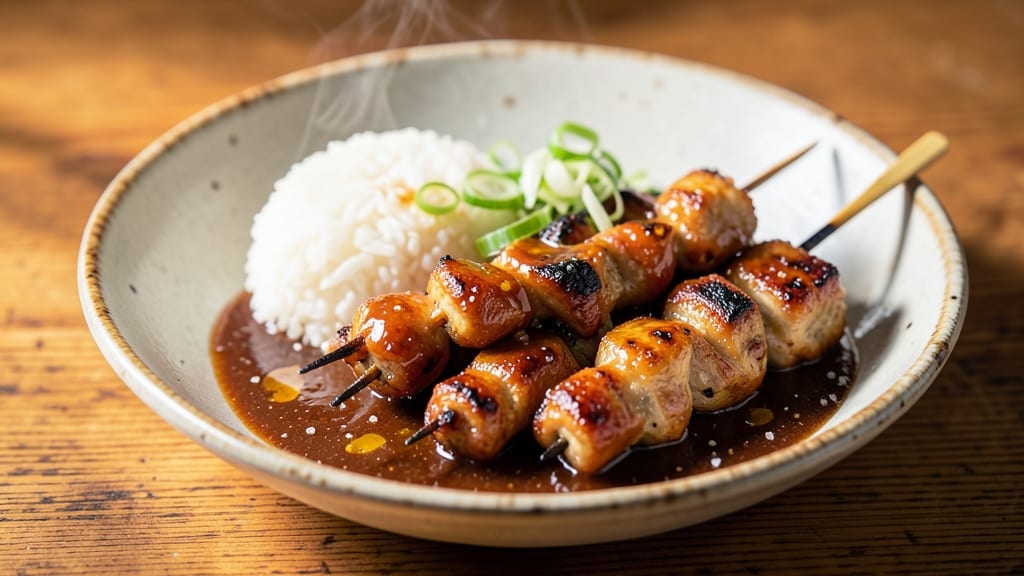
This Bachan's Japanese BBQ sauce copycat recipe delivers the same velvety-thick, umami-rich depth that makes the original legendary. 🔥 The secret lies in balancing soy sauce, mirin, and a touch of miso—simmered until it reaches that signature glossy consistency.
I've been perfecting this recipe for years, and it's now my go-to for glazing meats, marinating tofu, or drizzling over rice bowls.
The magic happens during the slow reduction, where the sauce transforms from a simple mixture into a complex, caramelized glaze with layers of sweetness and savory depth. Unlike many copycat recipes, this version includes a precise blend of spices and a hint of miso for that authentic umami punch.
The result is a sauce that's rich, slightly tangy, and perfectly balanced—just like the original.
What sets this recipe apart is its versatility. Use it as a glaze for grilled meats, a marinade for tofu or chicken, or even a dipping sauce for dumplings.
The sauce thickens beautifully when reduced, creating a glossy finish that clings to everything it touches. It's the kind of condiment that elevates any dish with minimal effort.
Once you taste the difference, you'll never go back to store-bought versions. The process is straightforward, but the payoff is undeniable—deep, complex flavor in every bite. Let's get started on making this sauce that tastes like a piece of Japan in your kitchen.
Ingredients for bachan's japanese bbq sauce copycat
Nine simple ingredients transform into a sauce that rivals the original—rich, glossy, and packed with umami.
| Ingredient | Amount | Notes |
|---|---|---|
| Kosher Soy Sauce 🥫 | ½ cup | Low-sodium preferred for balance |
| Mirin 🍶 | ¼ cup | Sweet cooking wine, not substitute |
| White Miso Paste 🧈 | 2 tbsp | High-quality, smooth texture |
| White Rice Vinegar 🍶 | 1 tbsp | Mild acidity, not apple cider |
| Sesame Oil 🫒 | 1 tbsp | Toasted, not flavored |
| Granulated Sugar 🍚 | 2 tbsp | White sugar for smooth finish |
| Garlic Cloves 🧄 | 3 cloves | Minced, not powdered |
| Ginger 🌿 | 1 tbsp | Fresh, grated, not powdered |
| Ground White Pepper 🌶️ | ¼ tsp | Freshly ground preferred |
| Water 💧 | ½ cup | Room temperature preferred |
The miso is non-negotiable here—look for white miso at Asian markets or the international aisle of Whole Foods. The real game-changer is the mirin, which adds that signature sweetness without overpowering. I always grab Kikkoman soy sauce for consistency, but any good-quality brand works. Fresh ginger and garlic are worth the extra minute to grate/mince—they make all the difference in flavor depth. If you're short on time, Trader Joe's sells pre-minced garlic and ginger in tubes that save prep work.
No mirin? Substitute 1 tbsp sugar + 1 tbsp dry white wine, but you'll lose some authenticity. White miso unavailable? Red miso at half the amount adds color but deeper flavor. The sesame oil can be swapped for neutral oil + pinch of toasted sesame seeds if you're avoiding strong flavors. For a smoother sauce, blend everything until silky—immersion blender works best. The sugar helps balance the saltiness, but if you prefer less sweetness, reduce it to 1 tbsp.
This sauce keeps beautifully—1 week refrigerated in an airtight jar with a thin layer of oil on top. For longer storage, freeze in ice cube trays and transfer to a bag—perfect for single-use portions. The flavor actually improves after simmering, so don't rush the reduction. I always double the batch—one for immediate use, one to stash in the freezer for lazy weeknights. Thickens further when chilled, so stir before using.
Why You'll Love This Recipe
- Pantry Magic: I swear by this sauce because it uses things I already have—no special shopping trips. That miso paste? It’s the secret weapon turning basic soy into something rich and layered, while the mirin adds that sweet, glossy finish without extra effort.
- Ugly Glaze, Big Flavor: It’s not the prettiest sauce—more like a deep amber than glossy—but one taste and you’ll forget about looks. The sesame oil cuts through the saltiness, and the vinegar gives it this bright, almost tangy lift that makes it way more interesting than store-bought.
- Weeknight to Party Fix: Slap this on grilled chicken for a Tuesday dinner, or drizzle it over pork belly for a weekend feast. It’s the same simple sauce, just dressed up by what you’re serving. My daughter even pours it on fries now—no judgment here.
- Lasts Like a Dream: Seriously, this stuff keeps for weeks in the fridge. I make a big batch and use it for everything—marinades, stir-fries, even as a dipping sauce. And since it’s mostly pantry staples, it’s cheaper than buying bottles of Japanese BBQ sauce that’ll sit half-empty anyway.
Step-by-step instructions for Japanese BBQ sauce
Here's how to make this legendary sauce that's richer than store-bought.
🍳 Step 1: Bloom the Miso and Aromatics
In a medium saucepan over medium-low heat, add the 2 tbsp white miso paste, 3 cloves minced garlic, and 1 tbsp grated ginger. Stir constantly for 2-3 minutes until the miso melts completely and the aromatics become fragrant but don't brown.
This is where the magic happens—the miso needs to bloom fully to release its deep umami flavor. If you see any unincorporated miso paste at the bottom, keep stirring until it disappears. The sauce should smell rich and slightly sweet with a hint of funkiness from the miso.
🍳 Step 2: Add Liquids and Simmer
Pour in the 0.5 cup kosher soy sauce, 0.25 cup mirin, and 0.5 cup water. Stir well to combine, then add the 2 tbsp granulated sugar and 1 tbsp white rice vinegar. Bring the mixture to a gentle simmer over medium heat.
Let it simmer uncovered for 8-10 minutes until it reduces by about 25%—you'll see the sauce thicken noticeably and the volume decrease. This reduction concentrates the flavors and creates that signature velvety texture. Stir occasionally to prevent sticking, but don't let it boil vigorously.
🍳 Step 3: Finish with Sesame Oil and Pepper
Remove the pan from heat and let it cool slightly for 2 minutes. Then stir in the 1 tbsp sesame oil and 0.25 tsp ground white pepper. The sesame oil adds that nutty aroma while the pepper provides a subtle, clean finish that balances the rich flavors.
Here's the thing—don't over-stir after adding the sesame oil. Just give it a couple of gentle swirls to distribute it evenly. Over-stirring can create unwanted bubbles in your final sauce. The texture should be thick and glossy, almost like a glossy glaze that clings beautifully to meat or vegetables.
⏰ Step 4: Rest and Adjust Consistency
Let the sauce sit at room temperature for 10 minutes. This resting period allows all the flavors to meld together perfectly. After resting, taste and adjust the seasoning if needed—you might want to add a touch more sugar for sweetness or a splash of water if it's too thick.
The sauce should coat the back of a spoon but still be pourable enough to glaze. If it's too thick, thin it with 1-2 teaspoons of water at a time. For best results, use the sauce immediately or store it in an airtight container in the refrigerator for up to 2 weeks. When ready to use, reheat gently over low heat, stirring constantly until warmed through.
Pro Tips For Making Bachan'S Japanese Bbq Sauce Copycat
- STRAIN THE MISO FIRST: White miso paste is thick—like, thick—and if you stir it in whole, you’ll end up with a gloppy, uneven sauce. Whisk it into a little warm water (about 2 tablespoons) first to dissolve it completely before adding to the rest. I learned this the hard way after tasting lumps in my first batch.
- SIMMER LOW AND SLOW: This sauce isn’t about fast reduction—it’s about gentle caramelization. After combining everything, keep the heat at a barely there simmer (think tiny bubbles, not rolling). Rush it, and the vinegar will turn harsh instead of bright. I used to walk away mid-simmer, and the sauce would turn bitter. Now I babysit it.
- USE COLD SESAME OIL: Add the sesame oil last, right off the fridge, and stir it in gently. Hot oil burns fast, and you’ll lose that nutty aroma in seconds. Plus, cold oil emulsifies better with the miso-soy base. I was skeptical—"who cares about a few seconds?"—until I tasted the difference.
- SWEETEN WITH MIRIN, NOT SUGAR: Mirin isn’t just sweetener—it’s the acidity and depth balancer in this sauce. Substituting sugar (even brown sugar) flattens the flavor. Use the full amount called for, and if your mirin is cheap, add a splash of honey or a pinch of sugar on top of the mirin, not the whole sauce. Trust me, your taste buds will notice.
Wine and beer pairings for bachan's japanese bbq sauce copycat
Japanese Whiskey Pairing
This sauce's deep umami and caramelized sweetness pairs beautifully with a smooth Japanese whiskey like Suntory Toki or Nikka Coffey Grain. The whiskey's delicate notes of vanilla and citrus complement the sauce's richness without overpowering it.
I like to sip a small glass chilled—just enough to cleanse the palate between bites of glazed tofu or grilled chicken. 🍶
Crisp Sake Cocktail
For a lighter option, try a sake-based cocktail like a Sake Sour made with Dassai Premium Junmai, lemon juice, and a touch of honey. The acidity cuts through the sauce's richness, while the sake's clean finish enhances its umami depth.
Garnish with a lemon twist for brightness—perfect for balancing the bold flavors of this sauce.
Light Japanese Lager
A crisp, Japanese lager like Asahi Super Dry or Yebisu works wonders as a pairing. The lager's subtle malt sweetness and crisp finish mirror the sauce's caramelized notes, while its light body prevents it from feeling heavy.
I often serve this with grilled skewers—each bite of sauce pairs perfectly with the refreshing beer. 🍺
Dry Riesling Contrast
If you prefer wine, a dry Riesling from Germany or Japan—like Dr. Loosen Blue Slate—adds a refreshing contrast. The wine's bright acidity and citrus notes balance the sauce's umami and sweetness, creating a harmonious pairing. Serve it slightly chilled for the best experience with glazed meats or rice bowls.
Umeshu for Sweet Heat
For a unique twist, try pairing with umeshu, a Japanese plum wine. The fruity sweetness of Hakkaisan Umeshu complements the sauce's caramelized depth, while its slight tartness cuts through the richness. Serve it chilled on the side for a refreshing sip that enhances the sauce's complex flavors. 🍒
Nutrition facts
Frequently asked questions
Can I substitute mirin in this Japanese BBQ sauce?
Yes, but expect a slightly different flavor profile. Use 1 tbsp sugar + 1 tbsp dry white wine as a substitute, but you'll lose some of mirin's natural sweetness and depth. For the closest match, try hon mirin (sweet cooking wine) from Asian markets—it's the authentic version without added sugar.
Why does my homemade sauce taste saltier than store-bought?
This happens when the miso or soy sauce isn't fully incorporated during simmering. Stir constantly during the 2-3 minute blooming stage and reduce the soy sauce to ¼ cup if needed. The miso already adds significant saltiness—taste before adding extra soy sauce.
How can I make this sauce thicker for glazing?
Simmer uncovered for an extra 5-10 minutes to reduce further, or add 1 tsp cornstarch mixed with 1 tbsp water at the end. For best results, refrigerate overnight—the sauce thickens naturally when chilled. Always reheat gently to maintain glossy texture.
Is this sauce gluten-free?
No, this recipe contains traditional soy sauce and miso—both made with wheat. For a gluten-free version, substitute with tamari (gluten-free soy sauce) and gluten-free miso. The flavor will be slightly different but still delicious. Always check labels as some brands vary in gluten content.
Can I use this sauce as a marinade?
It works wonderfully for chicken, tofu, or pork. For best results, marinate for 4-6 hours (or overnight for deeper flavor). The sauce's acidity (from vinegar) helps tenderize meat while the umami penetrates beautifully. Just reserve 2 tbsp sauce for basting during cooking.