
Sauces & Condiments
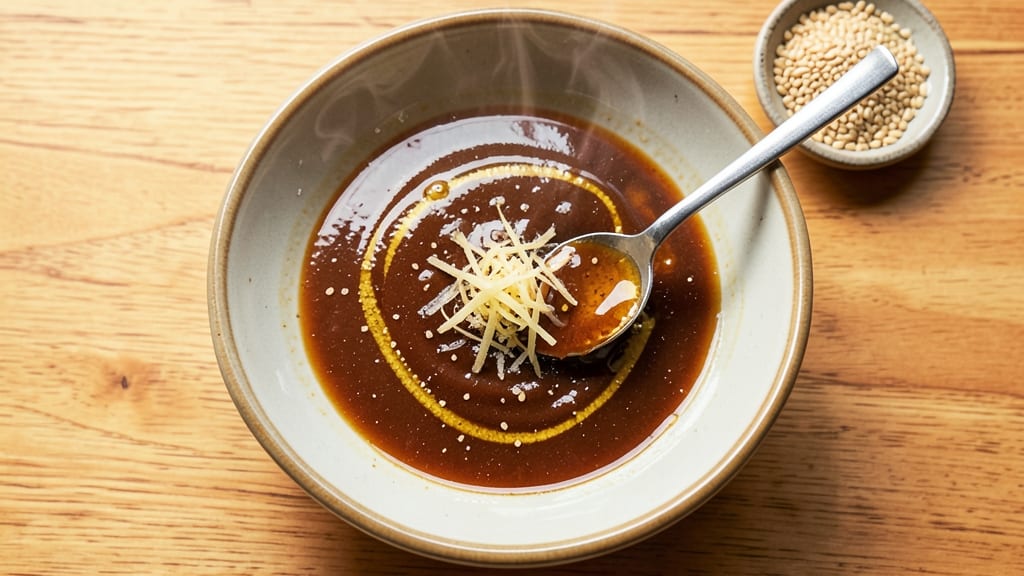
Bachan's Japanese sauce transforms simple dishes into umami-rich masterpieces with its fermented soy-ginger fusion. This recipe delivers a balanced blend of sweet, salty, and aromatic depth—perfect for glazes, marinades, or dipping sauces. The secret lies in simmering soy sauce, mirin, and ginger until perfectly reduced, creating a concentrated flavor that elevates everything it touches.
What sets this sauce apart is its fermented complexity, achieved through a precise ratio of soy sauce, mirin, and sugar. Fresh ginger adds a bright, zesty kick that cuts through richness, while a touch of vinegar ensures tangy balance.
The sauce thickens as it reduces, developing a glossy sheen that clings beautifully to proteins or vegetables. Professional chefs rely on this technique for restaurant-quality results at home.
Ready in just 30 minutes, this sauce keeps well in the refrigerator for up to 2 weeks, making it ideal for meal prep. Use it to glaze salmon, marinate chicken, or drizzle over steamed rice.
The versatility ensures it becomes a staple in your kitchen—once you taste the difference, store-bought versions won’t compare. Here’s how to make it.
For best results, simmer the sauce gently to avoid burning the delicate flavors. Adjust sweetness or saltiness to taste, and consider adding a splash of sesame oil for extra depth. This sauce is the foundation for countless Japanese-inspired dishes, from teriyaki bowls to crispy fried rice. Let’s get started!
Ingredients for bachans japanese sauce
Nine essential ingredients create this restaurant-quality Japanese sauce with fermented depth.
| Ingredient | Amount | Notes |
|---|---|---|
| Japanese Soy Sauce (Shoyu) 🥫 | ½ cup | High-quality, fermented preferred |
| Mirin 🍶 | ¼ cup | Sweet cooking wine, not substitute |
| Fresh Ginger 🧄 | ¼ cup | Finely grated, organic preferred |
| Rice Vinegar 🍶 | 1 tbsp | Seasoned preferred for depth |
| Granulated Sugar 🍚 | 2 tbsp | White or raw cane preferred |
| Sesame Oil 🫒 | 1 tbsp | Toasted sesame preferred |
| Garlic Cloves 🧄 | 2 cloves | Minced for aromatic depth |
| Red Pepper Flakes 🌶️ | ½ tsp | Optional for subtle heat |
| Water 💧 | ¼ cup | Filtered preferred for clarity |
The foundation begins with Japanese soy sauce (shoyu)—Kikkoman or Yamasa brands deliver authentic umami. Mirin must be genuine (not sweetened soy sauce substitutes) for proper balance. Fresh organic ginger ensures bright, zesty notes without bitterness. For rice vinegar, Murozushi or Sushi Rice Vinegar provides the right tangy depth. Granulated sugar (or raw cane) should dissolve completely during reduction. Toasted sesame oil from Trader Joe's or Whole Foods adds nutty richness, while garlic cloves should be minced finely for even distribution. Red pepper flakes are optional but enhance complexity if you prefer subtle heat. Filtered water prevents cloudiness in the finished sauce.
No mirin? Substitute with 1 tbsp sugar + 1 tbsp dry sherry—though authentic mirin's acidity is irreplaceable. Fresh ginger unavailable? Dried ginger powder at half the amount works, but fresh is ideal. Sesame oil can be omitted if nutty flavors aren't desired, but toasted sesame paste makes a great alternative. Garlic powder (1 tsp) replaces minced garlic, though fresh is preferred. For extra depth, 1 tsp fish sauce (vegan-friendly alternative: 1 tsp coconut aminos) can be added. Red pepper flakes can be swapped for a pinch of cayenne if preferred. Brown sugar may crystallize during reduction, so white granulated is recommended for smooth texture.
Store in a glass jar with tight lid in the refrigerator for up to 2 weeks. The sauce thickens as it cools—stir before each use. For long-term storage, freeze in ice cube trays for up to 6 months. Sesame oil should be added just before serving to preserve its delicate flavor. This sauce enhances grilled proteins, steamed vegetables, and noodle dishes—its versatility makes it a pantry staple. Double the batch for meal prep; it's even better the next day as flavors meld.
Why You'll Love This Recipe
- Five-Ingredient Magic: I swear by this—just soy sauce, mirin, ginger, vinegar, and sugar. That’s it. No fancy gadgets, no last-minute grocery runs. The mirin alone adds that sweet, tangy depth without extra work.
- Umami Bomb: The combo of shoyu and fresh ginger? Chef’s kiss. That bright, slightly spicy kick cuts through anything—grilled meats, stir-fries, even plain rice. It’s the kind of flavor that makes you pause mid-bite.
- Weeknight Wonder: I make a double batch on Sundays and stash it in the fridge. Drizzle it over noodles, toss it with tofu, or glaze chicken thighs—it’s my secret weapon for boring weeknights. No stress, just flavor.
- Budget-Friendly Staple: Honestly, this sauce costs pennies per serving. A little goes a long way, and the ingredients last for months. Plus, it’s way cheaper than store-bought sauces that taste like chemicals. Win-win.
Step-by-step instructions for fermented soy-ginger sauce
This method delivers a balanced fusion of umami, sweetness, and aromatic depth through precise technique.
Prepare the Ginger and Garlic Base
Using a microplane or fine grater, finely grate the 0.25 cup fresh ginger—you want a texture that resembles wet sand, not coarse chunks. The finer the grating, the more evenly the ginger's flavor will disperse throughout the sauce. Transfer the grated ginger to a small mixing bowl.
In a separate small bowl, mince the 2 cloves garlic using a sharp knife. Aim for a paste-like consistency rather than visible pieces, as this ensures the garlic's flavor integrates completely. I press the minced garlic against the side of the bowl with the flat of my knife to break down any remaining clumps.
Combine Wet Ingredients for Initial Reduction
In a medium saucepan, combine the 0.5 cup Japanese soy sauce (shoyu), 0.25 cup mirin, 1 tablespoon rice vinegar, and 2 tablespoons granulated sugar. Bring the mixture to a gentle simmer over medium-low heat, stirring occasionally to dissolve the sugar completely. You'll notice the sugar dissolving within 2-3 minutes—this is your signal to proceed.
Once the mixture reaches a simmer, reduce the heat to low and let it cook uncovered for 5 minutes, stirring once halfway through. This initial reduction concentrates the flavors and prepares the sauce for the aromatic components. The liquid should reduce by about 20%—you'll see it thicken slightly and develop a glossy sheen.
Incorporate Aromatics and Reduce Further
Add the grated ginger and minced garlic to the simmering liquid. Stir well to combine, then return the heat to medium-low. Let the mixture cook uncovered for an additional 8-10 minutes, stirring occasionally. You'll notice the ginger begins to soften and the garlic infuses its pungent aroma—this is when the sauce starts developing its signature complexity.
After 8-10 minutes, taste the mixture. The ginger should be tender but still retain some bite, and the garlic should be fully integrated without any raw flavor. If the sauce appears too thick at this stage, add 1 tablespoon of the 0.25 cup water to loosen it slightly. The goal is a balance between concentration and fluidity for even coating.
Finish with Sesame Oil and Heat
Remove the saucepan from heat and let it cool for 2 minutes—this prevents the sesame oil from burning when added. Stir in the 1 tablespoon sesame oil and 0.5 teaspoon red pepper flakes, if using. The sesame oil will create a delicate aroma and nutty depth, while the red pepper flakes add a subtle, lingering heat that enhances the sauce's complexity.
Return the sauce to low heat and let it simmer gently for 3-4 minutes to fully integrate the sesame oil. The sauce should now have a rich, glossy appearance with a balanced flavor profile—umami from the soy sauce, sweetness from the mirin and sugar, and aromatic warmth from the ginger, garlic, and sesame oil. Taste and adjust the seasoning if needed, adding a pinch more sugar or a splash of rice vinegar to fine-tune the balance.
Cool and Rest for Optimal Flavor Development
Transfer the sauce to a clean glass jar or bowl and let it cool to room temperature. This resting period, ideally 1-2 hours, allows the flavors to meld and deepen. The sauce will thicken slightly as it cools, which is ideal for drizzling or glazing.
Once cooled, the sauce should have a velvety texture with a glossy finish. Store it in an airtight container in the refrigerator for up to 2 weeks, or freeze for up to 3 months. The longer it rests, the more nuanced the flavors become—this is where the true depth of the bachan sauce emerges.
Pro Tips For Making Bachans Japanese Sauce
- Simmer Low and Slow: This isn’t a race—keep the heat at a gentle simmer (just bubbles breaking occasionally) once all ingredients are in. I learned this the hard way when I rushed it and ended up with a bitter, alcohol-heavy sauce instead of the smooth, balanced flavor you want. Let it work for 10-15 minutes, stirring occasionally, so the sugar fully dissolves and the ginger mellows out.
- Grate Ginger Fine: Skip the mincer or rough chop—use a microplane or the finest grater for the ginger. You want it nearly paste-like, not chunky. I used to slice it thin and wonder why the sauce had a sharp, raw bite. Fresh ginger releases its flavor better when it’s finely dispersed, so take the extra 30 seconds to do it right.
- Balance the Mirin: Don’t eyeball the mirin—measure it precisely (usually 1:1 with soy sauce in this recipe). Too much and your sauce turns cloyingly sweet; too little and it lacks depth. If you’re out of mirin, substitute with equal parts dry white wine and ½ teaspoon sugar, but know it won’t be identical. The alcohol in mirin also helps preserve the sauce, so don’t skimp.
- Strain the Ginger: After simmering, strain out the ginger fibers with a fine-mesh sieve or cheesecloth. Yes, it’s an extra step, but it guarantees a silky texture—no matter how well you grated it, some strings always remain. I used to leave it in, and the sauce would feel gritty, even if it tasted fine. Trust me, the smoothness makes a real difference.
Troubleshooting perfect results
Sauce Too Thin?
If your sauce isn’t thickening enough during reduction, simmer uncovered for an additional 5-10 minutes on low heat. Stir frequently to prevent burning. For a quicker fix, mix 1 teaspoon cornstarch with 1 tablespoon cold water, then whisk into the sauce.
Simmer for 2-3 minutes until it reaches your desired consistency. 🌡️
Ginger Too Bitter?
Fresh ginger can turn bitter if overcooked. Remove the sauce from heat as soon as the ginger softens (after 8-10 minutes). If it’s already too strong, balance it by adding ½ teaspoon more sugar or 1 extra tablespoon mirin to counteract the bitterness.
Freshly grated ginger is key—avoid dried substitutes if you dislike harsh flavors.
Burnt or Scorched Flavor?
This happens when heat is too high or sauce sticks to the pan. Always use medium-low heat and stir occasionally. If scorching occurs, immediately remove the pan from heat and stir in 1 tablespoon water to deglaze.
For future batches, use a heavy-bottomed saucepan (like All-Clad) to distribute heat evenly. 🔥
Sauce Too Salty?
If the soy sauce overpowers, dilute with 1-2 tablespoons water and simmer for 2-3 minutes to rebalance. Alternatively, add ½ teaspoon sugar or 1 teaspoon mirin to mellow the saltiness. Taste frequently—adjust gradually to avoid overcorrecting. Store-bought soy sauce can vary in saltiness, so Kikkoman is the most consistent choice.
Sesame Oil Separating?
Sesame oil may separate if added too early or if the sauce isn’t hot enough. Always stir it in off heat and return to low heat for 3-4 minutes to fully emulsify.
For extra stability, whisk in ½ teaspoon xanthan gum (optional) before adding sesame oil. This trick ensures a smooth, cohesive finish every time. 💫
Flavor Not Developing?
For deeper flavor, let the sauce rest for 24 hours before using—this allows the ginger and garlic to infuse fully. If you’re short on time, simmer the sauce uncovered for 15 minutes total (instead of 10) to concentrate flavors. Avoid rushing; patience is key to that restaurant-quality depth. 💡
Nutrition facts
Frequently asked questions about bachan's Japanese sauce
Can I substitute mirin in this recipe?
The best substitute is 1 tbsp sugar + 1 tbsp dry sherry, but mirin's acidity is irreplaceable for authentic balance. If you must substitute, use 1 tbsp honey + 1 tbsp white wine vinegar for a close approximation. The sauce will be slightly sweeter but still delicious.
How do I adjust the heat level in this sauce?
For milder heat, omit the red pepper flakes entirely. For extra spice, add ½ teaspoon cayenne pepper or 1 teaspoon gochujang (Korean chili paste) during the final 3-4 minutes of simmering. Always taste before finishing—adjust gradually to avoid overpowering the sauce.
What's the best way to store leftover sauce?
Transfer to a glass jar with tight lid and refrigerate for up to 2 weeks. For longer storage, freeze in ice cube trays for up to 6 months. Always add sesame oil fresh when reheating to preserve its delicate flavor. Stir before each use—the sauce thickens as it cools.
Can I use this sauce in non-Japanese dishes?
This versatile sauce works beautifully in Thai curries, Korean BBQ marinades, or even as a glaze for pork chops. The ginger-sesame base bridges cuisines perfectly. For Thai dishes, add 1 tsp fish sauce and ½ tsp lemongrass paste during the final simmer.
Why does my sauce look cloudy?
Cloudiness often means the sauce wasn't reduced enough or used tap water instead of filtered. For a clear finish, simmer uncovered for 5 extra minutes on low heat. If already made, strain through a fine-mesh sieve to remove any particles. Cloudiness doesn't affect flavor—it's purely aesthetic.