
Sauces & Condiments
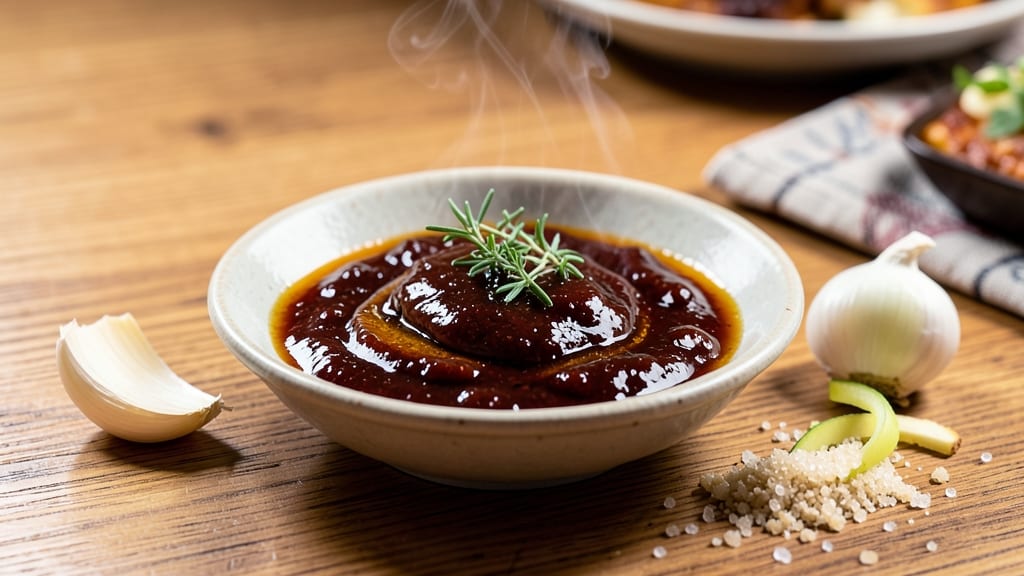
This Bachan Japanese BBQ sauce recipe delivers that signature smoky-sweet gloss with layers of umami that elevate everything from grilled skewers to roasted meats. 🌟 The secret lies in balancing mirin's brightness with soy's depth, then simmering until it thickens into a sticky, caramelized perfection.
Unlike store-bought versions, this homemade sauce builds flavor through slow reduction—no shortcuts, just pure depth.
The magic happens with just six core ingredients: soy sauce, mirin, sugar, garlic, ginger, and a touch of dashi for that unmistakable Japanese umami. No fermentation required—simmering concentrates the flavors into a glossy, clinging sauce that caramelizes beautifully when brushed on hot meat.
The result? A glossy, sticky finish that's perfectly balanced between sweet, salty, and smoky.
What makes this sauce special is its versatility—use it as a marinade for chicken or pork, a glaze for grilled vegetables, or a dipping sauce for dumplings.
The caramelized edges on grilled meats? That's the sauce working its magic. Each batch develops richer flavor the longer it sits, making it perfect for meal prep.
For restaurant-quality results at home, let the sauce reduce until it coats the back of a spoon. The longer you simmer, the deeper the flavor. Trust the process—this isn't just a sauce, it's the foundation of Japanese BBQ flavor. Ready to make it?
Ingredients for bachan japanese bbq sauce
Six essential ingredients transform into a restaurant-quality Japanese BBQ sauce with smoky-sweet depth.
| Ingredient | Amount | Notes |
|---|---|---|
| Japanese Soy Sauce 🥢 | ½ cup | High-quality, reduced soy sauce preferred |
| Mirin 🍶 | ½ cup | Sweet cooking mirin, not dry mirin |
| Granulated Sugar 🍚 | ½ cup | White or brown sugar works |
| Garlic Cloves 🧄 | 6 cloves | Freshly minced for optimal flavor |
| Fresh Ginger 🌿 | 2 tbsp | Finely grated, peel removed |
| Dashi Powder 🍲 | 1 tsp | Instant dashi for umami depth |
| Sesame Oil 🫒 | 1 tsp | Toasted sesame oil for aroma |
The Japanese soy sauce and mirin form the sauce's backbone—Kikkoman soy sauce and Hirata mirin are industry standards, but any high-quality brands work. Sugar isn't just sweetness; it caramelizes during reduction, creating that signature gloss. Fresh ginger and garlic should be peeled and minced just before use—their aromatic oils degrade quickly once exposed. For dashi, Marukome instant dashi powder dissolves seamlessly, delivering authentic umami without fermentation. The sesame oil adds that final aromatic layer, but add it last to preserve its delicate flavor.
No mirin? Substitute 2 tbsp sugar plus 2 tbsp dry white wine—the acidity helps balance the soy's saltiness. Fresh ginger too fibrous? Ground ginger at half the amount works in a pinch, though texture differs. Running low on dashi powder? 1 tsp fish-free dashi granules or even 1 tsp miso paste (for a funkier profile) can stand in. For a smokier version, add ½ tsp smoked paprika at the end. The sauce's versatility means it adapts well to substitutions, though the caramelization process remains key to its signature sheen.
This sauce develops richer flavor over time—reheat gently with 1 tbsp water to restore gloss if stored. Keeps 3 weeks refrigerated in an airtight jar, or 6 months frozen in ice cube trays. For restaurant-quality results, let it reduce until it coats the back of a spoon—10-15 minutes of simmering is typical, but don't rush. The longer you simmer, the deeper the caramelized notes. Portion into small jars for easy use as a marinade, glaze, or dipping sauce.
Why You'll Love This Recipe
- Five-Ingredient Magic: I swear, this sauce comes together with just a pot, a spoon, and zero stress. The mirin and sugar caramelize fast—no babysitting the stove—while the garlic and ginger melt into something rich and aromatic. Honestly, it’s the kind of recipe that makes me feel like a pro without trying.
- Umami Bomb: That first glug of Japanese soy sauce into the simmering pot? Instant flavor explosion. The mirin sweetens it just enough to balance the deep, savory punch, and the fresh ginger adds a bright snap that keeps it from being too heavy. It’s the kind of taste that lingers—like a good memory.
- Weeknight Workhorse: Slap this on grilled chicken, toss it with noodles, or drizzle it over rice—it’s my go-to for lazy nights when I’m too tired to think. Between us, it’s also the star of my potlucks because it turns basic proteins into something people actually ask for seconds of. (Yes, even on a Tuesday night.)
- Leftovers That Shine: This sauce doesn’t just taste better the second day—it improves. The flavors meld even more, and it’s perfect for batching. I make a big pot, freeze half, and pull it out whenever I need a quick flavor boost. Not the prettiest in a jar, but every drop disappears faster than I can say “more.”
Step-by-step instructions for crafting Bachan Japanese BBQ sauce
This sauce delivers authentic Japanese depth with a perfect balance of sweetness and umami.
🍳 Step 1: Build the Umami Base
In a medium saucepan, combine the 0.5 cup Japanese Soy Sauce and 0.5 cup Mirin. Bring to a gentle simmer over medium heat, then reduce heat to low and let it cook uncovered for 5 minutes. You'll notice the mixture reduce slightly and develop a deeper aroma—this is where the foundational umami begins to concentrate.
I always use a medium saucepan here because it gives enough surface area for the liquid to reduce properly without boiling over. The key is patience—rushing this step will result in a flat, one-dimensional sauce. Watch for the mixture to become slightly syrupy in consistency, with a rich, caramelized scent.
👨🍳 Step 2: Incorporate Aromatics and Sweetener
Add the 6 minced garlic cloves, 2 tablespoons finely grated fresh ginger, and 0.5 cup granulated sugar to the simmering mixture. Stir well to dissolve the sugar completely, then increase heat to medium-low and let it cook for another 8-10 minutes until the sugar fully integrates and the aromatics soften.
Here's where the magic happens—the sugar will caramelize slightly, creating beautiful color and depth. You'll see the mixture turn from clear to a rich amber color with tiny bubbles forming at the edges. Stir occasionally to prevent sticking, and watch for the garlic to turn translucent—this indicates it's properly cooked without burning.
🔥 Step 3: Develop the Sauce's Signature Gloss
Once the aromatics are fully incorporated, sprinkle in the 1 teaspoon dashi powder and stir until completely dissolved. This is the moment that transforms your sauce from good to exceptional—the dashi adds that unmistakable Japanese umami depth that sets this sauce apart from standard BBQ glazes.
Continue cooking for another 5 minutes until the sauce thickens to a glossy consistency that coats the back of a spoon. You're aiming for a balance between smooth and slightly viscous—thick enough to cling to meats but still pourable. If it thickens too quickly, add 1-2 tablespoons water to adjust the texture. The sauce should smell complex, with notes of caramel, soy, and subtle ginger heat.
⏰ Step 4: Finish with Sesame Oil and Rest
Remove the pan from heat and stir in the 1 teaspoon sesame oil. This final addition is crucial—it adds aromatic complexity and prevents the sauce from tasting flat. The oil will create a beautiful sheen on the surface and carry the other flavors to new dimensions.
Let the sauce rest for 10 minutes at room temperature. This resting period allows the flavors to fully meld and the sauce to reach its ideal consistency. I know it's tempting to use it immediately, but this step ensures each application delivers maximum flavor impact. The sauce will develop a rich, glossy finish that's perfect for brushing or glazing.
Pro Tips For Making Bachan Japanese Bbq Sauce
- Simmer Low and Slow: I learned this the hard way—when I rushed the sauce on high heat, it turned bitter and alcohol-heavy. Keep it at a gentle simmer (just small bubbles) for 15-20 minutes. The mirin needs time to mellow, and the sugar will caramelize properly without burning.
- Peel and Mince Ginger Like a Pro: Skip the pre-grated jar—it’s waterlogged and dull. Use a microplane or knife to finely mince fresh ginger (no need to peel the skin if it’s organic). This adds texture and prevents the sauce from tasting like mush. Trust me, your taste buds will notice.
- Balance the Sugar Gradually: After burning three batches, I finally figured out: don’t dump all the sugar at once. Start with half, let it dissolve completely, then add the rest. This prevents graininess and ensures the sauce thickens smoothly. (Yes, even if you’re impatient like me.)
- Infuse Garlic for Depth: Sounds weird, but it works: crush the garlic cloves with the flat side of your knife before adding them to the pot. This releases more flavor and prevents them from sitting at the bottom like forgotten rocks. A quick 30-second massage does the trick.
Creative variations of this recipe
Yakitori Glazing
This sauce transforms into a yakitori glaze when reduced even further. After simmering the base, continue cooking uncovered over low heat for an additional 15-20 minutes, stirring occasionally, until it reaches a thick, syrupy consistency.
Brush this concentrated sauce onto skewers of chicken thighs or pork belly just before grilling for a sticky, caramelized crust. 🔥
Spicy Kimchi Fusion
For a Korean-Japanese fusion twist, stir in 2 tablespoons finely chopped kimchi and ½ teaspoon gochujang during the final 5 minutes of simmering. The tangy, spicy notes complement the sauce’s sweetness beautifully. Use this version as a dipping sauce for grilled meats or as a marinade for bulgogi-style beef. 🌶️
Sweet & Tangy Marinade
Double the batch and use half as a marinade for 6-8 hours (or overnight) for pork chops or tofu. The mirin and soy sauce tenderize the meat while infusing it with flavor.
Reserve the other half for glazing after cooking. For extra richness, add 1 tablespoon honey to the marinade. ✨
Vegetarian Adaptation
Skip the dashi powder and replace it with 1 teaspoon miso paste for umami depth. This version works perfectly as a glaze for grilled eggplant, mushrooms, or tofu skewers.
The miso adds a subtle funk that pairs well with the sauce’s sweetness. Store in an airtight container for up to 2 weeks in the fridge. 🌱
Smoky Grilled Corn
Brush this sauce onto grilled corn on the cob after charring the husks. The caramelized sugar in the sauce will create a glossy, sticky coating that balances the corn’s natural sweetness. Finish with a sprinkle of flaky sea salt and chili powder for a smoky-sweet kick. 🌽
Dumpling Dipping Sauce
Thin the sauce slightly with 1-2 tablespoons water for a dipping sauce that’s perfect with gyoza or potstickers. The glossy texture clings to dumplings, and the balance of sweet, salty, and umami makes every bite irresistible. Serve warm for the best experience. 🥟
Nutrition facts
Frequently asked questions
Why does this Japanese BBQ sauce need to simmer so long?
The extended simmering is key to developing the sauce's signature caramelized depth. The sugar breaks down into complex caramelized compounds, creating that glossy sheen and rich flavor. This process also allows the soy and mirin to meld together, reducing their individual acidity and saltiness into a harmonious balance. Skipping this step results in a flat, one-dimensional sauce.
Can I make this sauce without mirin?
Yes! Substitute 2 tablespoons sugar plus 2 tablespoons dry white wine—the acidity helps balance the soy's saltiness. For extra depth, add ½ teaspoon rice vinegar to mimic mirin's tang. The sauce will still develop that signature gloss, though the flavor profile will be slightly less complex. Adjust sweetness to taste after simmering.
How long will this sauce keep, and how should I store it?
Store in an airtight container in the fridge for up to 3 weeks—the flavors actually improve over time! For longer storage, freeze in ice cube trays and transfer to a bag for up to 6 months. To use frozen sauce, thaw overnight in the fridge and reheat gently with 1 tablespoon water to restore its glossy texture.
What's the best way to use this sauce on grilled meats?
Brush it on during the last 2-3 minutes of grilling for maximum caramelization. For extra shine, reheat the sauce briefly before applying. The sauce works best on fatty cuts like pork belly or chicken thighs—its sticky texture clings beautifully. For vegetables, use it as a marinade for 30-60 minutes before grilling.
Can I adjust the sweetness level?
Start with the full ½ cup sugar, then taste after simmering. For less sweetness, reduce to ⅓ cup and add 1 tablespoon honey for depth. For more sweetness, increase to ⅔ cup sugar—just be prepared for deeper caramelization. Remember, the sauce will concentrate further during simmering, so start conservatively.