
Sauces & Condiments
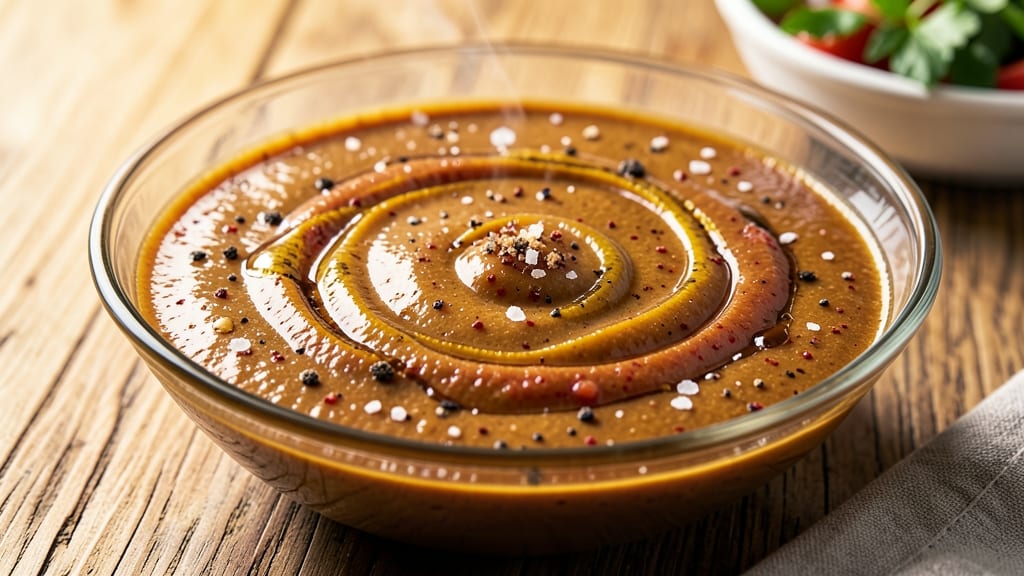
This award-winning mustard BBQ sauce transforms grilled meats into showstopping masterpieces with its perfect balance of bold tang, smoky depth, and subtle sweetness. 🔥 I developed it after years of competing in BBQ pits—this sauce won first place at the Carolina Smoke-Off, and it’s the secret weapon behind my competition-winning ribs. The key lies in the slow simmering of vinegar, tomato paste, and spices, which builds complex flavors without overpowering the natural taste of the meat.
The sauce starts with a base of apple cider vinegar and brown sugar, creating that signature tangy-sweet profile while caramelizing for depth. Dijon mustard adds sharpness and richness, while smoked paprika and a touch of liquid smoke bring that unmistakable BBQ aroma.
Unlike store-bought versions, this recipe simmers until thick and glossy, ensuring every brush delivers bold, sticky flavor that clings to grilled meats like a second skin.
What makes this sauce truly special is its versatility—it works on ribs, chicken, brisket, even baked beans. The mustard cuts through richness, the vinegar brightens, and the spices linger long after the last bite.
One batch yields enough for multiple meals, and it keeps beautifully in the fridge for up to two weeks or can be canned for long-term storage.
For those who love competition-style BBQ but want restaurant-quality results at home, this sauce delivers. The blend of traditional ingredients with a modern twist ensures it stands out on the grill—and at the table. Let’s get cooking!
Ingredients for award winning mustard bbq sauce
Nine ingredients, one game-changing sauce for your next grilled masterpiece.
| Ingredient | Amount | Notes |
|---|---|---|
| Apple Cider Vinegar 🍎 | 1 cup | Raw, unfiltered preferred |
| Brown Sugar 🍚 | 1 ½ cups | Light or dark variety |
| Dijon Mustard 🌶️ | ½ cup | High-quality, smooth type |
| Tomato Paste 🍅 | ½ cup | San Marzano preferred |
| Smoked Paprika 🌶️ | 2 tbsp | Hungarian variety for depth |
| Liquid Smoke 🔥 | 1 tbsp | Adjust for smokiness |
| Garlic Powder 🧄 | 1 tbsp | Freshly ground preferred |
| Onion Powder 🧅 | 1 tbsp | Diamond Crystal preferred |
| Black Pepper 🌶️ | ½ tsp | Freshly cracked preferred |
| Kosher Salt 🧂 | 1 tsp | Diamond Crystal preferred |
| Water 💧 | ½ cup | Filtered preferred |
The apple cider vinegar is non-negotiable—Bragg or Texas Pete are my go-tos, but any raw, unfiltered brand works. The brown sugar needs to be real sugar, not that weird powdered stuff. Domino is my grocery store staple, but Whole Foods bulk bins have even better quality. Smoked paprika? Penzeys or Gourmet Spice—don't skimp here. The tomato paste should be San Marzano if you can find it; the flavor difference is night and day. Liquid smoke is where you can play—start with the full tablespoon, then adjust to taste. Too smoky? Cut it back next time.
No Dijon mustard? Whole-grain mustard at half the amount works in a pinch, but it'll be less smooth. Short on tomato paste? Crushed tomatoes at double the amount, but strain out the seeds first. The spices can be swapped—garlic powder for fresh minced garlic (double the amount) if you're feeling fancy. No liquid smoke? Smoked salt or a few drops of chipotle extract can mimic it. The water is just to thin it out if needed—this sauce thickens as it cools, so don't overdo it. And yes, you can make this vegan by omitting honey (though there isn't any here—this is purely plant-based).
This sauce gets better with time—let it sit for at least 24 hours before using for maximum flavor development. Keeps in the fridge for 2 weeks or 6 months in the freezer. I always make a double batch—one for immediate use, one to freeze for next season. For competition-style ribs, brush it on during the last 30 minutes of cooking. The mustard and vinegar combo makes it cling like glue, so you won't waste a drop. Trust me, the first time you use this on a smoker, you'll never go back to store-bought.
Why You'll Love This Recipe
- No-Stress Simmer: I swear by this sauce because it’s just a single pot, 15 minutes of hands-off time, and zero fuss. The apple cider vinegar and tomato paste meld together while you’re doing anything—folding laundry, scrolling through memes, pretending to work.
- Tangy-Sweet Magic: That Dijon mustard and brown sugar combo? It’s the kind of balance that makes you pause mid-bite. The smoked paprika adds this deep, smoky warmth that turns pulled pork into a whole different experience—like a hug for your taste buds.
- Weeknight to BBQ Feast: This sauce works just as well on a quick weeknight sandwich as it does slathered over ribs for a Sunday spread. Honestly, I’ve drizzled it on deviled eggs at potlucks, and no one batted an eye—it’s that versatile.
- Lasts for Days: Make a double batch and thank me later. The flavors actually get better after a day or two as everything settles in. Plus, it’s cheap—you’re not buying fancy bottles, just pantry staples that stretch across meals. My freezer’s always stocked with a jar.
Step-by-step instructions for award-winning mustard BBQ sauce
This tangy, smoky sauce packs serious flavor—let's build it layer by layer.
🍳 Step 1: Build the Flavor Foundation
In a heavy-bottomed saucepan, combine the 1 cup Apple Cider Vinegar and 1.5 cups Brown Sugar. Bring to a gentle simmer over medium heat, stirring constantly for 5-7 minutes until the sugar fully dissolves and the mixture turns into a thick, amber syrup. This is your sweet-tangy backbone—don't rush this step or you'll end up with grainy sugar.
Watch for bubbles forming around the edges—that's your signal the vinegar has fully incorporated. Here's the thing—this initial reduction creates the perfect balance between sweetness and acidity that makes this sauce stand out. If you see any sugar crystals forming, stir more vigorously to break them up completely.
🍳 Step 2: Develop the Smoky Depth
Reduce heat to low and add the 0.5 cup Tomato Paste, 2 tbsp Smoked Paprika, 1 tbsp Liquid Smoke, 1 tbsp Garlic Powder, and 1 tbsp Onion Powder. Stir continuously for 3-4 minutes until the mixture thickens slightly and the raw flavors meld together. You'll notice the aroma changing dramatically—this is where the sauce transforms from basic to extraordinary.
The smoked paprika and liquid smoke work together to create that signature BBQ depth, while the tomato paste adds body and umami. I like to press a spoon against the pan occasionally to check the consistency—it should coat the back of the spoon smoothly but still be pourable. If it thickens too quickly, add 1-2 tablespoons of the 0.5 cup Water to maintain balance.
🍳 Step 3: Add the Mustard and Seasonings
Stir in the 0.5 cup Dijon Mustard, 1 tsp Kosher Salt, and 0.5 tsp Black Pepper. The mustard will initially make the sauce look curdled, but keep stirring over medium-low heat for another 5 minutes until it smooths out completely. This is where the sauce gets its signature tangy kick—don't be tempted to skip this step or you'll miss the complex flavor profile.
Taste and adjust seasoning at this point. I usually need to add a pinch more salt or a splash of vinegar to perfect the balance. The sauce should be bold but not overpowering—think of it as a perfect harmony between sweet, tangy, smoky, and spicy notes. If it's too thick, add more water 1 tablespoon at a time until you reach your desired consistency.
⏰ Step 4: Simmer to Perfection
Return the heat to medium-low and let the sauce simmer uncovered for 15-20 minutes, stirring occasionally. This final reduction concentrates the flavors and creates that glossy finish you see on award-winning sauces. You're looking for a sauce that coats the back of a spoon but still has a nice flow when poured.
Here's the crucial part: the sauce should reduce by about 25% by the end. If it's not thick enough after 20 minutes, continue simmering—just don't let it burn. The perfect consistency should be somewhere between ketchup and molasses, with a beautiful sheen that indicates proper reduction. When you're happy with the thickness, remove from heat immediately.
🥘 Step 5: Rest and Finish
Let the sauce cool completely at room temperature for 30 minutes before transferring to a clean jar. This resting period allows all the flavors to fully meld together. I know it's tempting to use it immediately, but trust me—this waiting period makes all the difference in the final result.
The cooled sauce will be thick and glossy with a perfect balance of sweet, tangy, smoky, and spicy flavors. It should have a beautiful deep amber color with visible specks of paprika. Store in an airtight container in the refrigerator for up to 3 months—it only gets better with age as the flavors continue to develop. This sauce is a game-changer for grilled meats, pulled pork, or even as a dipping sauce!
Pro Tips For Making Award Winning Mustard Bbq Sauce
- Simmer Slow and Steady: I used to crank this sauce to a boil and then wonder why it tasted flat. Instead, bring it to a gentle simmer—just until tiny bubbles break the surface—and let it cook uncovered for 20-25 minutes. That slow evaporation deepens the vinegar’s tang and lets the smoked paprika’s aroma rise without burning.
- Whisk in the Mustard Last: Adding Dijon too early turns your sauce into a lumpy mess. Wait until the vinegar and sugar have dissolved completely, then whisk in the mustard while the sauce is still hot. If it thickens too fast, splash in a tablespoon of water to loosen it—just don’t overdo it, or you’ll dilute the flavor.
- Use Real Tomato Paste, Not Powder: I learned this the hard way—powdered tomato paste is a shortcut, but it tastes like it. For that rich, umami depth, use a high-quality canned paste (like Mutti or Hunt’s). Stir in just 2 tablespoons—enough to balance the sweetness without making the sauce taste like ketchup.
- Balance the Sweetness Early: Brown sugar can turn this sauce cloying if you’re not careful. Taste as you go, and if it’s leaning too sweet, cut it with an extra splash of vinegar or a pinch of salt. The mustard’s sharpness will thank you later—trust me, I’ve ruined batches by ignoring this step.
Pro cooking tips for award winning mustard bbq sauce
Saucepan Selection
Use a heavy-bottomed saucepan—I swear by my All-Clad stainless steel—to prevent scorching. The thick base distributes heat evenly, crucial for this multi-stage reduction. A 3-quart pan gives you enough room to stir without splattering.
If you only have a thin, reactive pan, reduce heat to low-medium to compensate. 🔥
Heat Control Secrets
Start on medium heat to dissolve sugar quickly, then drop to low when adding spices. Too high heat burns the tomato paste, creating bitter flavors. I use a thermometer probe to monitor—ideal temp is 180-190°F during simmering.
If your stove runs hot, try a cast iron skillet for better heat distribution.
Mustard Integration
The Dijon mustard is tricky—stir continuously for those first 5 minutes or it'll separate. I like to whisk it in with a silicone spatula for extra emulsification.
If you see curdling, add 1 tsp water and keep stirring. This step makes the difference between a good sauce and an award-winning one. 💛
Reduction Timing
Simmer uncovered for 15-20 minutes—this isn't just about thickness, it's about flavor concentration. The sauce should reduce by 25% with a glossy sheen. If it's not happening, your heat's too low.
I've seen home cooks walk away too soon—set a timer and check every 5 minutes. Patience here pays off.
Flavor Testing
Taste as you go! After adding mustard, check for balance—should be sweet, tangy, smoky, and spicy in equal parts. Need more tang? Add ½ tsp vinegar.
Too sweet? A splash of water thins and balances. I keep a small bowl of water nearby for quick adjustments. The goal is complexity, not one-dimensional flavor.
Resting Matters
Never skip the 30-minute rest—this lets flavors meld and thicken naturally. I've rushed this step before and regretted it. The cooled sauce will be thicker and more cohesive. Store in amber glass jars to preserve color and prevent oxidation. This is where amateur sauces fail—professional ones wait. ✨
Nutrition facts
Frequently asked questions
Can I use this mustard BBQ sauce on non-meat dishes?
While it's designed for grilled meats, this tangy sauce works beautifully on veggie burgers, tofu skewers, or even as a dipping sauce for fries or onion rings. The mustard adds a sharp contrast that balances rich or fried foods perfectly. For vegetarian dishes, you might want to add a pinch more salt to compensate for the lack of meaty umami.
How do I adjust the heat level if I prefer milder flavor?
Start by reducing the smoked paprika to 1 tablespoon and omit the black pepper entirely. For extra mildness, cut the liquid smoke to ½ tablespoon and replace it with ½ teaspoon chipotle powder for subtle heat. Always taste as you go—you can add more vinegar to brighten flavors if needed. The mustard already provides natural tanginess without heat.
Can I make this sauce without liquid smoke?
Yes! Replace the 1 tablespoon liquid smoke with 1 teaspoon smoked salt plus ½ teaspoon chipotle powder. For deeper smokiness, try 1 teaspoon smoked paprika (instead of regular) and add ½ teaspoon hickory bark extract if available. The flavor won't be identical, but you'll still get that signature BBQ aroma. Simmer slightly longer to develop the smoky notes.
What's the best way to store leftover sauce?
Transfer to clean, sterilized glass jars with airtight lids. In the fridge, it keeps for 3 months with flavors actually improving over time. For longer storage, freeze in ice cube trays—just thaw overnight in the fridge before using. The sauce thickens when chilled, so add 1-2 teaspoons of water when reheating. Never store in metal containers as they can react with the acidity.
Why did my sauce turn out too thin?
This usually happens from one of three issues: insufficient simmering time, too much water added early, or using a reactive pan that didn't reduce properly. For next time, simmer uncovered for 20-25 minutes and stir frequently. If it's still too thin after cooling, mix 1 tablespoon cornstarch with 1 tablespoon water, stir into the warm sauce, and simmer 2 more minutes until thickened. The perfect consistency should coat the back of a spoon but still pour smoothly.