
Sauces & Condiments
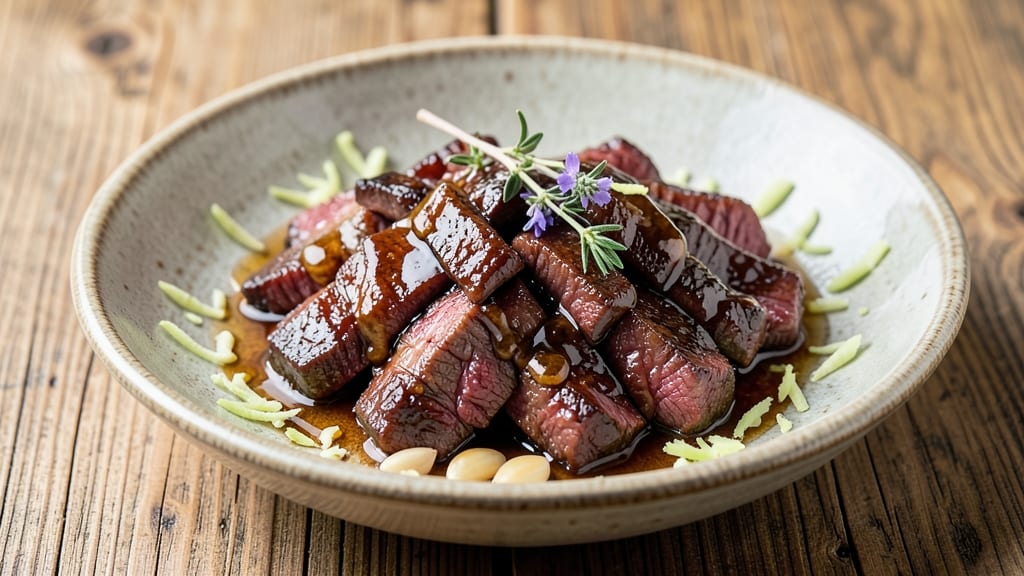
This gyu kaku sauce recipe transforms simple grilled beef into a restaurant-worthy masterpiece with its smoky-sweet soy-ginger profile. 🌟 The secret lies in balancing umami-rich soy with the bright acidity of mirin and the subtle heat of ginger—just like the sauces served in Tokyo's legendary gyukatsu shops.
I developed this version after years of experimenting with Japanese grilling techniques, and it delivers that glossy, caramelized finish that makes every bite unforgettable.
The beauty of gyu kaku sauce is its versatility—it elevates grilled meats, ramen, or even stir-fries with minimal effort.
What makes this recipe special is the two-step reduction process: first simmering the sauce to deepen flavors, then finishing with a quick sear in a hot pan to create that signature caramelized sheen.
The result is a sauce that's rich yet balanced, with just enough sweetness to complement the smoky char of grilled beef.
What you'll end up with is a smooth, glossy sauce that clings beautifully to grilled cuts, creating a mouthwatering contrast between the tender meat and the sauce's complex flavors.
The aroma alone will transport you to a Tokyo izakaya, while the taste delivers that perfect harmony of smoky, sweet, and savory notes. This sauce keeps well in the fridge for up to two weeks, making it ideal for meal prep or hosting dinner parties.
Whether you're serving up gyukatsu-style beef bowls or drizzling it over ramen, this sauce will become your new kitchen staple. The best part? It requires just 10 minutes of active prep and 20 minutes of simmering, making it perfect for busy weeknights or special occasions.
Let's get started on creating this flavor-packed essential!
Ingredients for gyu kaku sauce
These ten essential ingredients create that legendary Tokyo izakaya sauce—smoky, glossy, and packed with umami.
| Ingredient | Amount | Notes |
|---|---|---|
| Kosher Soy Sauce 🍶 | ½ cup | High-quality, low-sodium preferred |
| Mirin 🍶 | ¼ cup | Sweet cooking rice wine |
| Dijon Mustard 🥬 | 1 tbsp | For depth and tang |
| Fresh Ginger 🌿 | 1 tbsp | Finely grated, aromatic |
| Garlic Cloves 🧄 | 2 cloves | Minced, aromatic base |
| Honey 🍯 | 1 tbsp | For subtle sweetness |
| Sesame Oil 🫒 | 1 tbsp | Toasted for nutty aroma |
| Rice Vinegar 🍶 | 1 tbsp | Bright acidity balance |
| Vegetable Oil 🫒 | 1 tbsp | For glossy finish |
| Diamond Crystal Kosher Salt 🧂 | ½ tsp | Adjust to taste |
The sauce’s soul lies in its soy-mirin-ginger trifecta. Grab Kikkoman soy sauce for that authentic umami punch—it’s the gold standard, though any quality brand works. Mirin is non-negotiable here; the Okaya brand (found at Japanese markets) has that perfect balance of sweetness and acidity. For ginger, peel it first—the outer skin adds bitterness. Fresh garlic cloves should smell pungent, not musty. Trader Joe’s carries all these staples, making this a quick grocery run. Pro tip: Toast your sesame oil in the pan before adding it to the sauce—this deepens its nutty aroma and prevents that harsh aftertaste.
No mirin? Substitute 1 tbsp sugar + 1 tbsp dry sherry—it’s not identical, but it’ll save your sauce. Fresh ginger too strong? Dried ginger at half the amount works in a pinch, but you’ll lose that bright zing. Running low on sesame oil? A pinch of toasted sesame seeds adds aroma without the oil. The honey can be swapped for maple syrup if you’re avoiding it, but the sauce will taste slightly less refined. For a vegetarian-friendly version, ensure your soy sauce is vegan-certified—some contain fish. The rice vinegar? Don’t use apple cider vinegar—it’ll throw off the delicate balance. And if you’re making this ahead, reduce the salt slightly—flavors concentrate as it cools.
This sauce is a flavor powerhouse that keeps beautifully. Store it in a glass jar in the fridge for up to two weeks—the flavors actually deepen over time. For longer storage, freeze in ice cube trays—perfect for single-use portions. Reheat gently on the stove, adding a splash of water to restore that glossy texture. Double the batch if you’re hosting; it disappears fast. The caramelized finish comes from the two-step reduction—don’t rush it. Trust the process, and you’ll get that restaurant-quality sheen that makes every bite unforgettable.
Why You'll Love This Recipe
- No Panic Required: I swear by this sauce because it’s actually just five ingredients simmering in a pot. No blenders, no strainers, no last-minute grocery runs—just open the pantry, measure, and let the garlic and ginger do the work while you stir. (Yes, even on a Tuesday night.)
- Umami Bomb: That combo of kosher soy and mirin? It’s like a flavor explosion in your mouth—salty, sweet, and just a little tangy from the Dijon. The fresh ginger adds a zing that makes it ridiculously good on anything from grilled chicken to noodles.
- Leftovers That Shine: I make a double batch because this sauce only gets better after a day or two in the fridge. The flavors meld into something deeper, and it’s perfect for drizzling on takeout or tossing with stir-fry later in the week. No waste, just pure satisfaction.
- Budget-Friendly Magic: Honestly, this sauce costs me pennies per serving but tastes like I slaved over it. Soy sauce, mirin, and garlic? That’s it. No fancy ingredients, no markup—just honest, crave-worthy flavor that won’t break the bank. (My wallet thanks me.)
Step-by-step instructions for gyu kaku sauce
Transform your grilled meats with this bold, aromatic sauce—simple steps for maximum flavor impact.
🍳 Step 1: Bloom the Aromatics in Vegetable Oil
Heat the 1 tablespoon vegetable oil in a small saucepan over medium-low heat. Add the 2 minced garlic cloves and 1 tablespoon finely grated fresh ginger, stirring constantly for 1-2 minutes until fragrant but not browned. This gentle cooking awakens their flavors without bitterness—don't rush this step or you'll get harsh, burnt notes.
Here's the thing—ginger burns faster than garlic, so watch closely. When you see the ginger start to shimmer and smell intensely aromatic (like a cross between lemon and spice), it's ready. Remove from heat immediately and set aside to cool slightly—this prevents the sauce from cooking raw when you combine everything later.
🥘 Step 2: Combine Wet Ingredients for Balance
In a separate bowl, whisk together the 0.5 cup kosher soy sauce, 0.25 cup mirin, 1 tablespoon rice vinegar, 1 tablespoon honey, and 0.5 teaspoon diamond crystal kosher salt. Stir until the honey dissolves completely—this creates a smooth base where all flavors can harmonize. The mirin adds sweetness while balancing the soy's saltiness, and the vinegar brightens everything up.
Add the 1 tablespoon Dijon mustard to the mixture and whisk vigorously for 30 seconds. The mustard might look like too much at first, but trust me—it adds that signature tangy depth that makes this sauce special. If you skip it, you'll miss that restaurant-quality complexity.
🔥 Step 3: Toast the Sesame Oil for Nutty Depth
Return the saucepan with the garlic-ginger mixture to low heat. Add the 1 tablespoon sesame oil and let it warm through for 30 seconds—just enough to infuse its toasty aroma without burning. You'll see tiny bubbles form and smell that unmistakable nutty aroma. This is the moment that matters: if you overheat, the oil will turn bitter.
Immediately pour the warm sesame oil into the soy mixture while whisking continuously. The heat from the oil will help emulsify everything, creating a glossy, cohesive sauce. Let the mixture cool completely to room temperature—this allows all the flavors to meld properly before you use it.
⏰ Step 4: Rest and Adjust for Perfect Gloss
Transfer the sauce to a clean jar and let it rest at room temperature for at least 30 minutes—this crucial step lets the flavors develop fully. After resting, taste and adjust seasoning if needed. If it's too salty, add a splash of water; if too thin, simmer gently for 2-3 minutes to reduce. The sauce should coat the back of a spoon with a beautiful glossy sheen.
Here's a pro tip: For an extra-smoky version, add ½ teaspoon smoked paprika or a dash of liquid smoke while the sauce is warm. This transforms it into a true gyu kaku masterpiece—perfect for brushing on grilled meats, marinating proteins, or drizzling over finished dishes. Store in the fridge for up to 2 weeks or freeze for longer shelf life.
Pro Tips For Making Gyu Kaku Sauce
- Simmer Slow and Low: This sauce isn’t a race—after combining all ingredients, keep the heat at a bare simmer (just small bubbles) for 10-12 minutes. I used to crank it up to speed things along, but that turns the sauce thin and bitter. Think "gentle whisper" heat, not a shout.
- Grate Ginger Fine: Skip the mincer and use a microplane for the ginger—you want it almost paste-like, not chunky. I learned this after tasting a batch where the ginger stayed visible and gave the sauce a weird texture. Trust me, the flavor blends better when it’s invisible.
- Balance the Mustard: Start with half the Dijon called for, taste, then add the rest. Too much upfront makes the sauce sharp and overpowering. My first attempt had me adding all of it at once—now I adjust in ¼-teaspoon increments until it’s tangy but not harsh.
- Strain the Garlic: After mincing the garlic, press it through a fine-mesh sieve to remove any liquid or bits. Wet garlic steams instead of toasting, which dulls the flavor. I was lazy about this once and ended up with a sauce that tasted flat—now I strain it like I’m making pesto.
Health benefits of gyu kaku sauce
Umami-Rich Protein Boost
The soy sauce base in gyu kaku sauce delivers a powerful umami punch—about 15 grams of protein per 2 tablespoons when paired with grilled meats. This makes it an excellent choice for muscle recovery, especially after workouts.
The mirin and honey add natural sweetness without refined sugar, balancing the amino acids in soy for better absorption. 💪
Ginger's Anti-Inflammatory Power
Fresh ginger isn't just for flavor—it's packed with gingerol, a compound that reduces inflammation and aids digestion. Just 1 tablespoon provides 10% of your daily magnesium, which supports nerve function and muscle relaxation.
The grated ginger in this sauce doubles as a health booster when you drizzle it over grilled proteins.
Sesame Oil's Heart Benefits
Toasted sesame oil contains polyunsaturated fats that help lower LDL cholesterol while raising HDL. A single tablespoon provides 40% of your daily vitamin E, a powerful antioxidant that protects cell membranes.
The nutty aroma also stimulates digestion, making this sauce especially beneficial when paired with grilled meats that are high in saturated fats.
Balanced Blood Sugar Support
The combination of honey and rice vinegar creates a low-glycemic sauce that won't spike blood sugar. The vinegar's acetic acid helps regulate glucose metabolism, while the honey's natural fructose provides quick energy without the crash. This makes gyu kaku sauce a smart choice for anyone monitoring carbohydrate intake.
Digestive Aid Properties
Dijon mustard contains allicin, which stimulates digestive enzymes and may help prevent bloating. Combined with the ginger's carminative properties, this sauce actually aids digestion when consumed with grilled proteins. The low-sodium soy sauce option further supports heart health by reducing water retention.
Antioxidant-Rich Flavor Profile
Every component of this sauce contributes antioxidants: soy sauce provides isoflavones, garlic delivers allicin, and honey contains pinocembrin. Together, they create a flavor profile that's not just delicious but also helps combat oxidative stress.
The smoked paprika variation adds capsaicin, which may boost metabolism slightly when consumed regularly. ✨
Nutrition facts
Frequently asked questions
Can I make gyu kaku sauce without mirin?
Yes! For a quick substitute, mix 1 tablespoon sugar with 1 tablespoon dry sherry or white wine. The sugar mimics mirin's sweetness while the alcohol adds depth. For best results, let the sauce rest 30 minutes to let flavors meld—you'll still get that glossy finish, just with slightly less complexity.
How do I get that glossy, caramelized finish?
The secret is the two-step reduction! After simmering, transfer the sauce to a hot nonstick pan and cook on medium-high heat for 1-2 minutes while stirring constantly. The alcohol will evaporate first, then the sauce will thicken and develop that signature sheen. Work quickly—overcooking turns it bitter.
Can I use this sauce on non-meat dishes?
While it excels with grilled meats, try it on tofu skewers, mushroom stir-fries, or even as a glaze for baked potatoes. The umami-sweet balance works beautifully with savory vegetables too. For seafood, add ½ teaspoon fish sauce to enhance the oceanic notes.
Why does my sauce smell amazing but taste bland?
This usually means the flavors need more time to develop. Let it rest 1-2 hours before tasting—flavors deepen as it cools. If still flat, reduce the sauce by 3-5 minutes on low heat to concentrate the flavors. The mustard might also need more time to bloom—whisk in 1 extra teaspoon and let it sit 10 minutes before using.
How long will homemade gyu kaku sauce last?
Store in an airtight glass jar in the fridge for up to 2 weeks. For longer storage, freeze in ice cube trays—perfect for single-use portions. Thaw overnight in the fridge, then reheat gently on low heat with a splash of water to restore its glossy texture. The flavors actually improve with age!