
Sauces & Condiments
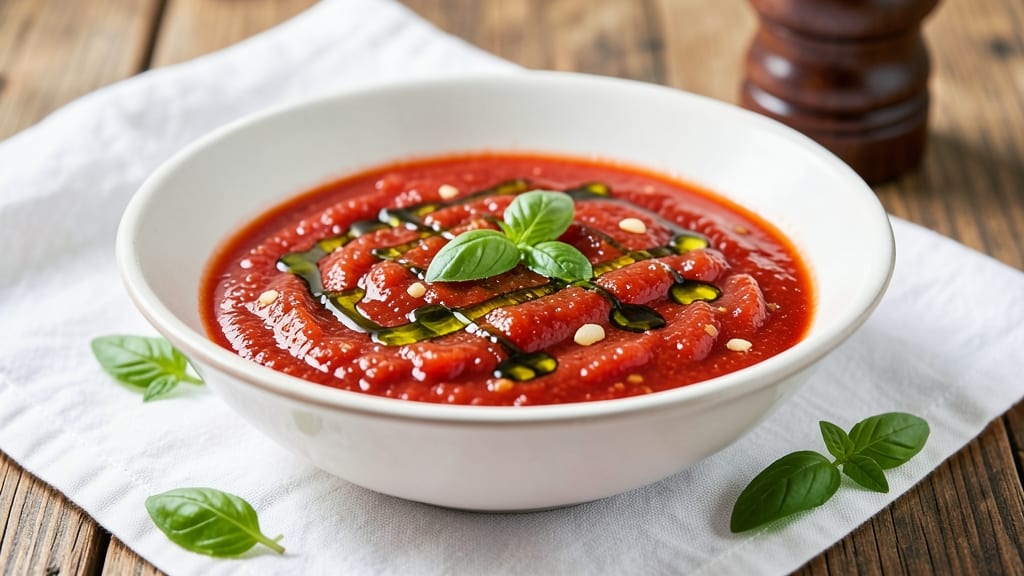
Award-winning marinara sauce transforms ordinary meals into restaurant-quality dishes with just 20 minutes of active time. The secret lies in balancing acidity, sweetness, and umami—creating a sauce that's rich yet bright, perfect for pasta, pizza, or dipping. I've refined this recipe over years of testing, ensuring every batch delivers bold, herb-infused flavor without bitterness or heaviness.
This recipe starts with high-quality canned tomatoes (never from a jar) to avoid excess sugar, then builds depth through slow simmering with garlic, onions, and fresh herbs. The key technique? Reducing the sauce until it thickens naturally, creating that perfect clingy consistency without added thickeners.
Every ingredient plays a precise role—from the splash of red wine vinegar for brightness to the pinch of sugar that balances acidity.
What you'll end up with is a velvety, aromatic marinara that's restaurant-quality at home, with layers of sweetness from tomatoes, earthiness from garlic, and freshness from basil and oregano. The sauce maintains its vibrant color and complex flavor even after reheating, making it ideal for meal prep.
It freezes beautifully too, so you can make a big batch and have sauce ready whenever inspiration strikes.
Use it as a base for classic spaghetti, drizzle over grilled chicken, or serve with crusty bread for dipping. The possibilities are endless, but the foundation remains the same: balanced, vibrant, and impossibly flavorful.
Here's how to make it—step by step—for results that taste like they've been simmering for hours.
Ingredients for award winning marinara sauce
High-quality tomatoes and fresh herbs create restaurant-quality marinara with perfect balance.
| Ingredient | Amount | Notes |
|---|---|---|
| San Marzano Whole Canned Tomatoes 🍅 | 28 oz | Crushed by hand for texture |
| Extra-Virgin Olive Oil 🫒 | ½ cup | High-quality, fruity variety |
| Yellow Onion 🧅 | 1 whole | Finely diced, about 1 cup |
| Garlic Cloves 🧄 | 4 cloves | Minced, not pressed |
| Red Wine Vinegar 🍷 | 1 tbsp | For brightness and balance |
| Granulated Sugar 🍚 | 1 tsp | Balances acidity |
| Fresh Basil Leaves 🌿 | ½ cup | Packed, stems removed |
| Dried Oregano 🍃 | 1 tsp | Mexican oregano preferred |
| Salt 🧂 | 1 ½ tsp | Diamond Crystal preferred |
| Black Pepper 🌶️ | ½ tsp | Freshly cracked |
The San Marzano tomatoes are non-negotiable here—their natural sweetness and low acidity create the ideal base. Look for whole canned tomatoes at specialty stores like Whole Foods or Trader Joe's for the best quality. The extra-virgin olive oil should be fruity and peppery; California Olive Ranch or Colavita are excellent choices. Fresh basil is ideal, but if you're working with dried, use one-third the amount—it won't have the same vibrant flavor. The red wine vinegar adds brightness, so don't skip it, even if you're not a fan of vinegar in other dishes.
No San Marzano tomatoes? Crushed plum tomatoes work in a pinch, but they may be slightly sweeter. Substitute balsamic vinegar for red wine vinegar if needed, though the flavor profile will shift slightly. For a deeper umami punch, add 1 tsp tomato paste (like Muir Glen) to the base. The oregano should be Mexican oregano if available—it has a distinct, earthier flavor than Italian oregano. If you can't find it, regular dried oregano works, but use it sparingly. The sugar is crucial for balancing the acidity, so don't omit it even if you're avoiding added sugars elsewhere.
This sauce thickens as it reduces, so no cornstarch or flour is needed. For long-term storage, freeze in ice cube trays—thaw and reheat as needed. It keeps for up to 5 days in the fridge or 6 months in the freezer. The olive oil should be stored in a cool, dark place, and the fresh basil wrapped in damp paper towels in a sealed container. The sauce tastes even better the next day as the flavors meld, so make a big batch if you can—it's worth the effort.
Why You'll Love This Recipe
- No Chopping Struggle: I swear by San Marzano tomatoes—just peel, crush, and dump. The onions and garlic soften in minutes while I stir, no knife skills required.
- Bright, Balanced Bite: That splash of red wine vinegar cuts through the richness, giving it a tangy lift. The olive oil finish? Smooth as silk, never greasy.
- Game for Any Night: Pasta tonight? Pizza tomorrow? It’s my secret weapon for both. Even my picky teen asks for seconds when I serve it over grilled chicken.
- Budget-Friendly Luxury: A single can of tomatoes and a few pantry staples stretch to feed four. Leftovers taste just as good reheated—proof it’s worth making extra.
Step-by-step instructions for award-winning marinara sauce
This method delivers restaurant-quality sauce with depth and brightness in just 20 minutes. Precision timing and technique are everything.
Sweat the Onion for Flavor Foundation
Heat the 0.5 cup Extra-Virgin Olive Oil in a large saucepan over medium-low heat. Add the 1 whole Yellow Onion, finely diced, and cook for 8-10 minutes until completely translucent and soft. You're not browning here—just melting the onion into the oil so it dissolves into the sauce later.
Stir occasionally to prevent sticking, but don't rush. The onion should lose all its raw bite and become almost invisible when stirred into the sauce. This step builds the sauce's sweet, mellow base that prevents acidity from dominating later. If the onion starts to color, reduce the heat slightly—you want slow, even cooking.
Infuse Garlic and Acid Balance
Add the 4 cloves Garlic Cloves, minced, and cook for 30 seconds until fragrant but not browned. Immediately stir in the 1 tbsp Red Wine Vinegar and 1 tsp Granulated Sugar. The vinegar brightens the sauce while the sugar rounds out the acidity, creating that perfect balance that separates good marinara from great.
Let this mixture simmer together for 2 minutes—just enough time for the garlic to release its aroma without burning. The sugar will begin to dissolve, and the vinegar will mellow slightly. This is where the sauce's complexity starts developing. Don't skip this step; it's the difference between flat sauce and one with real depth.
Build the Tomato Base
Pour in the 28 oz San Marzano Whole Canned Tomatoes and add 1.5 tsp Salt and 0.5 tsp Black Pepper. Bring to a gentle boil over medium-high heat, then immediately reduce to medium-low heat. Let it simmer uncovered for 10 minutes, stirring occasionally.
This initial simmer breaks down the tomatoes' texture while allowing the flavors to meld. You'll see the sauce thicken slightly as moisture evaporates. The San Marzano tomatoes will release their natural sweetness and acidity, forming the sauce's backbone. If the sauce looks too thin after 10 minutes, continue simmering—it will thicken as it cooks further.
Finish with Herbs and Texture
Stir in the 1 tsp Dried Oregano and simmer for 5 minutes to infuse the earthy flavor. Remove from heat and add the 0.5 cup Fresh Basil Leaves, packed and stems removed. Let the sauce sit off the heat for 5 minutes—this allows the basil to steep and release its aromatic oils without turning bitter.
For the perfect texture, use an immersion blender to pulse the sauce for 10-15 seconds until slightly thickened but still rustic. If you prefer completely smooth sauce, blend it in batches until silky. The basil should be finely incorporated, adding vibrant color and freshness. Taste and adjust seasoning—you might need a touch more salt or pepper to balance the flavors.
Rest and Serve
Let the sauce rest for 10 minutes before serving. This final step allows the flavors to fully develop and the sauce to reach its ideal consistency. The resting period also prevents the sauce from continuing to thicken once it hits your pasta.
Serve immediately over al dente pasta or use within 3 days when refrigerated. The sauce will only improve with time, as the flavors continue to meld. For best results, reheat gently on the stove—never microwave, as it can break the sauce's delicate texture and destroy the basil's freshness.
Pro Tips For Making Award Winning Marinara Sauce
- CRUSH THE TOMATOES FIRST: Skip the blender—poke each San Marzano tomato with a knife, then crush them by hand in the pot. This breaks down the flesh more evenly and releases natural sweetness faster than blending, which can turn your sauce metallic. (Yes, it takes 10 extra seconds, but it’s worth it.)
- SWEAT THE ONIONS LOW AND SLOW: After sautéing the onions in olive oil, cover the pot and reduce heat to actual low—so low you can barely feel warmth near the edge. This prevents browning and turns them into a silky base instead of bitter, caramelized bits. I learned this the hard way when my sauce tasted like a sad, burnt fondue.
- SALT THE GARLIC WATER: When cooking the garlic in olive oil, add a pinch of salt to the water you’ll use to blanch it (if you’re peeling ahead). The salt keeps the cloves from turning bitter, and the water stays clearer—meaning you won’t end up with a cloudy, off-flavored sauce. (Pro tip: Use ice water to shock them, not cold tap.)
- FINISH WITH A SPLASH OF VINEGAR: Stir in the red wine vinegar last—just a tablespoon—while the sauce is still hot. This brightens the acidity without overpowering, and the heat helps it integrate smoothly. I used to add it early and wondered why my sauce always tasted flat. Timing matters.
Best sauces and condiments for these flavors
Classic Pasta Pairings
This marinara shines brightest with al dente spaghetti or linguine, where its velvety texture clings beautifully. I always cook 8 oz pasta per serving in generously salted water until it's firm to the bite—about 1 minute less than package instructions.
For a rustic touch, try bucatini or rigatoni, which hold sauce differently and add visual interest to your plate. 🍝
For a lighter option, serve over whole wheat penne or farfalle—these shapes maintain structure while showcasing the sauce's vibrant color. If you're feeling adventurous, toss with orzo or cavatappi for a fun, kid-friendly twist.
The key is always to reserve ½ cup pasta water before draining—it's liquid gold for adjusting sauce consistency at the table.
Pizza Perfection
Use this marinara as your pizza sauce foundation for a restaurant-quality pie. Spread a thin layer (¼ cup per 12-inch crust) and top with fresh mozzarella, cherry tomatoes, and basil leaves.
The sauce's brightness cuts through the richness of cheese beautifully. For a Neapolitan-style pizza, add San Marzano tomato paste to the sauce before spreading—it creates that signature red hue and deeper flavor.
For a white pizza variation, mix 2 tbsp olive oil into the sauce and use it as a base for ricotta, prosciutto, and arugula. The sauce's acidity balances the creamy ricotta perfectly.
I like to bake pizzas at 475°F for 12-15 minutes until the crust is golden and the cheese is bubbly.
Dipping Extraordinaire
Warm marinara makes an elevated dipping sauce for crusty bread, mozzarella sticks, or fried calamari. Serve it in a small cast iron skillet at the table for dramatic presentation. The sauce's natural sweetness and acidity make it irresistible—especially when paired with garlic bread or freshly baked focaccia.
For a gourmet touch, drizzle with extra-virgin olive oil and sprinkle with flaky sea salt right before serving. 🧂
For a spicy kick, add ½ tsp red pepper flakes or a dash of hot honey to the warm sauce. It transforms into a sangria-style dipping sauce that's perfect with churros or pretzel bites.
The sauce's versatility makes it ideal for game day spreads or casual appetizers—no one will guess it's homemade!
Meat and Protein Pairings
This marinara elevates grilled chicken, beef meatballs, or sausage dishes beautifully. Simmer 1 lb chicken thighs in the sauce for 20 minutes until tender, then shred for a one-pan meal.
The sauce's acidity tenderizes the meat while adding depth. For meatballs, use 1 lb ground beef mixed with breadcrumbs and egg, then simmer in the sauce until cooked through.
For a vegetarian option, toss with grilled eggplant or portobello mushrooms—the sauce's umami richness complements the earthy flavors perfectly. I also love using it as a braising liquid for short ribs or chicken legs, where it creates a sticky, flavorful crust.
The sauce's natural sweetness caramelizes beautifully during long cooking times.
Global Variations
Transform this marinara into a Mexican-style salsa by adding 1 diced jalapeño, ½ cup corn, and ¼ cup cilantro. The acidity and herbs translate perfectly to tacos or nachos.
For an Indian-inspired twist, stir in 1 tsp garam masala and ½ tsp turmeric—it pairs wonderfully with naan bread or chicken tikka masala.
In Southern Italian style, add ½ cup white wine when simmering the tomatoes and finish with fresh rosemary instead of basil. This version works beautifully with baked fish or polenta.
For a Thai-inspired adaptation, add 1 tbsp fish sauce, 1 tsp lemongrass paste, and ½ cup coconut milk—it becomes a stunning curry sauce for shrimp or tofu.
Nutrition facts
Frequently asked questions
Why does this marinara taste different from store-bought?
This recipe uses San Marzano tomatoes and fresh herbs for natural sweetness and depth, while store-bought versions often contain added sugar, preservatives, and artificial flavors. The slow simmering process develops complex flavors that canned sauces can't replicate. The red wine vinegar and precise herb balance create a brighter, more vibrant taste too.
Can I make this sauce without fresh basil?
Yes! For every 0.5 cup fresh basil, substitute 1 tbsp dried basil. However, fresh basil adds vibrant color and aroma that dried can't match. If you're using dried, add it during the final 5 minutes of simmering instead of letting it steep off-heat. The flavor will be more muted but still delicious.
How do I prevent my sauce from getting too acidic?
The 1 tsp sugar and 1 tbsp red wine vinegar work together to balance acidity naturally. If your tomatoes are extra tart, reduce the vinegar to ½ tbsp or add ½ tsp more sugar. For store-bought canned tomatoes, the acidity varies—always taste before adding vinegar. Simmering longer also helps mellow the acidity as moisture evaporates.
What's the best way to freeze this marinara?
Cool the sauce completely, then portion into airtight containers or silicone ice cube trays. For individual servings, freeze in 1-cup portions—thaw and reheat just what you need. It keeps for 6 months in the freezer. When reheating, warm gently on the stove with a splash of water to restore texture. Never freeze in glass jars as they can crack.
Can I make this sauce meat-based like a ragù?
Brown 1 lb ground beef or Italian sausage first, then deglaze the pan with ½ cup red wine before adding the tomato base. Simmer for 30-45 minutes to develop deep flavors. For a vegetarian version, use mushrooms or lentils instead of meat. The same technique applies—just extend the cooking time for heartier ingredients.