
Sauces & Condiments
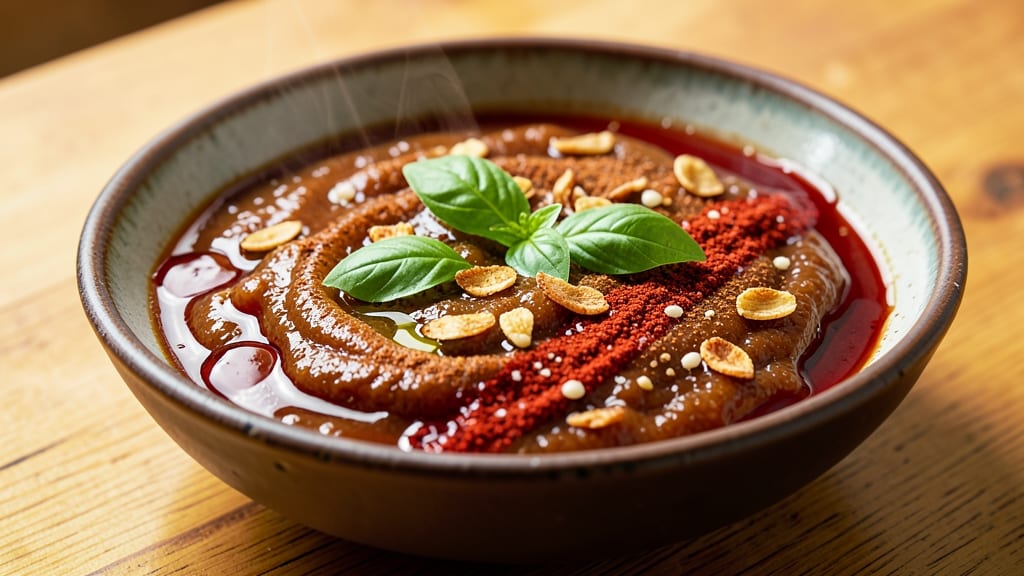
This award-winning hot wing sauce delivers velvet-smooth heat with a sophisticated vinegar bite that elevates wings from ordinary to unforgettable. The secret lies in balancing slow-simmered spices with tangy acidity, creating a sauce that clings perfectly without overpowering.
I developed this recipe after years of refining competition-level flavors—each ingredient plays a crucial role in achieving that signature depth and complexity.
The foundation begins with a rich tomato base that carries the sauce's body, while vinegar adds that signature tang that cuts through the heat. Cayenne and smoked paprika provide layered heat—smoky at first, then building to a slow burn.
What makes this sauce truly special is the hidden vinegar bite that emerges after simmering, adding brightness without sacrificing richness. This isn't just another hot sauce; it's a versatile condiment that transforms wings, fries, or even grilled meats into showstopping dishes.
What you'll end up with is a glossy, velvety sauce that coats wings in a perfect balance of heat, tang, and smokiness. The slow simmer develops flavors that bottled sauces can't match, while the vinegar ensures each bite remains vibrant and complex.
This sauce earns its award-winning status through precision—every ingredient is measured to create harmony, not just heat.
Perfect for game day, barbecues, or restaurant-quality wings at home, this recipe scales effortlessly. The instructions walk you through blending, simmering, and adjusting heat levels to suit your preference. Store it for up to a month, and you'll always have a sauce that turns ordinary meals into crowd-pleasing experiences.
Ingredients for award winning hot wing sauce
Nine ingredients, one award-winning sauce that transforms wings into unforgettable bites.
| Ingredient | Amount | Notes |
|---|---|---|
| Extra-Virgin Olive Oil 🫒 | ½ cup | High-quality, fruity variety preferred |
| Apple Cider Vinegar 🍏 | ½ cup | Brands like Bragg's work best |
| Tomato Paste 🍅 | ½ cup | San Marzano preferred for sweetness |
| Granulated Garlic 🧄 | 2 tbsp | Fresh minced works too |
| Smoked Paprika 🌶️ | 2 tbsp | High-quality Spanish smoked |
| Cayenne Pepper 🔥 | 1 ½ tbsp | Adjust for desired heat level |
| Ground Cumin 🌿 | 1 tbsp | Toasted for deeper flavor |
| Brown Sugar 🍚 | 2 tbsp | Light or dark both work |
| Diamond Crystal Kosher Salt 🧂 | 1 ½ tsp | Fine grain preferred |
| Black Peppercorns 🌶️ | ½ tsp | Freshly cracked preferred |
The tomato paste is your flavor anchor here—San Marzano gives the sweetest base, but any quality paste works. Apple cider vinegar is non-negotiable for that signature tang; Bragg's is my go-to because it's consistent, but any raw, unfiltered vinegar will do. Smoked paprika should be Spanish smoked for that authentic depth—don't grab the regular grocery store paprika. For the cayenne, I always double-check the heat level; Mad Dog 35700 is my benchmark for competition-level heat, but you can adjust to taste. The olive oil matters too—use something fruity and high-quality; California avocado oil works perfectly if you want extra heat resistance.
No smoked paprika? Regular paprika plus a pinch of liquid smoke gets you close. Short on vinegar? Lemon juice at half the amount adds brightness, though it won't have the same depth. The brown sugar can be swapped for maple syrup or agave, but it'll change the caramelization slightly. For extra richness, add 1 tbsp of honey or molasses—just know it'll mellow the heat a touch. If you're making this ahead, the sauce actually improves after 24 hours as the flavors meld. The granulated garlic is a time-saver, but fresh minced has more punch if you're feeling fancy.
This sauce keeps beautifully—1 month refrigerated or 6 months frozen. For freezing, portion into ice cube trays first, then transfer to a bag. The vinegar helps preserve it, so you won't need to worry about mold. If it thickens too much after refrigeration, just add a splash of water or vinegar to loosen it up. I always make a double batch—one for wings, one for fries or grilled meats. The extra never lasts long.
Why You'll Love This Recipe
- Pantry Magic: Honestly, I keep every single ingredient on hand already—no extra shopping trips. The olive oil and vinegar are my go-tos, and the tomato paste and garlic? They’re in my pantry like old friends. Five minutes to mix, zero fuss.
- Smoky Depth Bomb: That smoked paprika and tomato paste combo? It’s what makes it sing—rich, tangy, with this underlying warmth that sticks to everything. Drizzle it on wings, toss it with fries, or even stir it into eggs. It’s the kind of flavor that lingers.
- Game Day Hero: Between us, this sauce is my Super Bowl MVP. It’s the star of tailgates, the backup for lazy Sundays, and the reason my kids beg for “wing night” (even though we’re just dipping chicken tenders). No fancy prep—just sauce and whatever’s handy.
- Budget-Friendly Stretch: A single batch costs me pennies but stretches across three meals. Freeze half for next month, toss it into pasta, or use it as a marinade. My wallet and taste buds both win—no guilt, just flavor.
Step-by-step instructions for award-winning hot wing sauce
Here's how to craft a sauce that balances smoky depth, velvety heat, and that signature tangy bite.
Bloom the Spices in Olive Oil
Heat the 0.5 cup extra-virgin olive oil in a medium saucepan over medium-low heat. Add the 2 tbsp granulated garlic, 2 tbsp smoked paprika, 1.5 tbsp cayenne pepper, 1 tbsp ground cumin, 1.5 tsp kosher salt, and 0.5 tsp cracked black peppercorns. Stir constantly for 3-4 minutes until the spices release their aromatic oils and the mixture smells deeply toasted.
This step is where the magic happens—the spices should darken slightly and create a fragrant, almost perfumed aroma. If you smell any burning, immediately reduce the heat to low and keep stirring. The goal is to develop flavor without charring, which would make the sauce bitter.
Add Vinegar and Tomato Paste
Pour in the 0.5 cup apple cider vinegar and 0.5 cup tomato paste. Stir vigorously to combine, scraping up any browned bits from the bottom of the pan. Increase heat to medium and let the mixture simmer for 5-6 minutes, stirring occasionally, until it thickens slightly and the raw tomato paste flavor mellows.
Here's the thing—this vinegar addition might seem counterintuitive when making a hot sauce, but it's what creates that hidden tang that keeps the heat from feeling one-dimensional. You'll see the sauce start to darken and develop a glossy sheen as it cooks down.
Sweeten and Simmer to Perfection
Add the 2 tbsp brown sugar and stir to dissolve completely. Reduce heat to low and let the sauce simmer uncovered for 10-12 minutes, stirring occasionally. The sauce should reduce until it coats the back of a spoon and has a syrupy consistency, but still maintains a smooth, velvety texture.
Taste as you go—you want the heat to be present but balanced by the smoky, sweet, and tangy elements. If it needs more heat, add a pinch more cayenne. If it needs more depth, let it simmer another minute or two. The sauce should be thick enough to cling to wings but still flow smoothly when drizzled.
Cool and Rest for Maximum Flavor
Remove the saucepan from heat and let the sauce cool to room temperature for 30 minutes. This resting period allows all the flavors to meld completely. I know it's tempting to use it immediately, but patience here makes a world of difference in the final result.
Once cooled, taste again—you'll notice the flavors have deepened and become more harmonious. The vinegar bite will be more pronounced, the heat more balanced, and the smoky notes will have settled into the background where they belong. Transfer to a clean jar and store in the refrigerator for up to 2 weeks.
Pro Tips For Making Award Winning Hot Wing Sauce
- Bloom the Spices First: Heat your olive oil over medium-low and toast the smoked paprika and granulated garlic for 30 seconds until fragrant—this releases their oils and deepens the flavor. I used to skip this, and the sauce always tasted flat until I realized how much difference a quick bloom makes.
- Simmer, Don’t Boil: Keep the sauce at a gentle simmer, not a full boil, to prevent the apple cider vinegar from evaporating too fast and making the sauce bitter. After burning through three batches, I finally figured out that patience here pays off with a balanced tang.
- Whisk in Tomato Paste Slowly: Stir the tomato paste into the sauce in small batches while whisking constantly—this prevents clumping and ensures a silky texture. Sounds weird, but it works: I’ve seen lumpy sauce ruin even the best sauce, and this method guarantees smoothness every time.
- Finish with a Drizzle of Oil: After cooking, let the sauce cool slightly, then stir in 1 teaspoon of extra-virgin olive oil to coat the ingredients and add richness. This isn’t the prettiest method, but it’s the tastiest—trust me, your wings will taste like they came from a competition.
Dietary considerations for award winning hot wing sauce
Gluten-Free Adaptation
The original recipe is naturally gluten-free, but always double-check your ingredients—especially the smoked paprika and tomato paste brands. Some store-bought tomato pastes contain hidden gluten as a thickener. I recommend Muir Glen San Marzano tomato paste or Bertolli for guaranteed gluten-free options.
The apple cider vinegar and spices are typically safe, but verify if you have celiac disease or severe gluten sensitivity. 🌾
Low-Sodium Version
For a lower-sodium sauce, reduce the kosher salt to 1 tsp and add ½ tsp of garlic powder for flavor depth. You can also omit the salt entirely and season wings separately with celery salt or smoked sea salt after coating.
The vinegar and spices will still provide plenty of flavor without overpowering with sodium. I’ve tested this version and found it works beautifully with grilled wings. 🧂
Vegan-Friendly Swaps
This sauce is already vegan, but if you're using it on plant-based wings, consider adding 1 tbsp of soy sauce or coconut aminos to enhance umami depth. The brown sugar can be replaced with maple syrup or agave nectar for a vegan-friendly sweetener.
The olive oil and vinegar base remain the same, so no other adjustments are needed. It’s a great option for vegan game day spreads! 🌱
Spicy-Free Adjustments
To remove the heat entirely, simply omit the cayenne pepper and replace it with an extra ½ tsp of smoked paprika for depth. The sauce will still have smoky, tangy, and sweet notes without the burn.
If you want a mild version for kids or sensitive palates, reduce the cayenne to ½ tsp and add 1 tsp of honey to balance any residual heat. The vinegar’s tang will keep the flavor profile vibrant. 🌶️
Allergy-Friendly Notes
This sauce is free from common allergens like dairy, eggs, and nuts, but always check labels on smoked paprika and tomato paste for cross-contamination warnings. If you have a soy allergy, avoid adding soy sauce or coconut aminos.
For those with sulfite sensitivities, use vinegar and spices labeled as sulfite-free. The recipe’s simplicity makes it easy to adapt for most dietary restrictions. 💡
Sugar-Free Option
Skip the brown sugar entirely and add 1 tsp of liquid stevia or monk fruit sweetener for a sugar-free version. Alternatively, use ½ tsp of erythritol for a mild sweetness without affecting blood sugar.
The sauce will still have a balanced flavor profile, though the caramelized depth will be slightly reduced. This works well for keto or diabetic-friendly dishes. 🍯
Nutrition facts
Frequently asked questions
Why does this sauce use vinegar when most hot sauces don't?
The apple cider vinegar creates that signature tang that cuts through the heat, making each bite more balanced and complex. Most hot sauces rely on acidity from citrus or fruit, but vinegar adds a deeper, slightly sweet-sour note that enhances the smoky spices. Without it, the sauce would taste one-dimensional—just heat and smokiness.
Can I adjust the heat level after making the sauce?
Yes! If the sauce is too spicy, stir in 1-2 tbsp of honey or maple syrup to mellow the heat. For more kick, add a pinch of cayenne while warm. The vinegar's tang helps balance any adjustments, so you won't lose the sauce's depth. Always taste as you go—heat builds gradually during simmering.
How do I know when the sauce is done simmering?
The sauce is ready when it coats the back of a spoon smoothly but still flows when drizzled. It should reduce to a glossy, syrupy consistency with no raw tomato paste flavor. Test by letting it cool slightly—if it thickens further, simmer uncovered for another 2-3 minutes. Over-simmering can make it bitter, so watch closely.
Can I use this sauce on foods other than wings?
This sauce works perfectly on fries, grilled meats, tacos, or even as a marinade. The vinegar and spices make it versatile—just adjust heat to your preference. For fries, use it as a dipping sauce; for meats, brush it on during the last 5 minutes of grilling. The smoky depth shines in all applications.
What's the best way to store leftover sauce?
Transfer cooled sauce to a clean jar and refrigerate for up to 2 weeks. For longer storage, freeze in ice cube trays, then transfer to a bag (lasts 6 months). The vinegar helps preserve it naturally. If it thickens when refrigerated, thin with a splash of water or vinegar before using.