
Sauces & Condiments
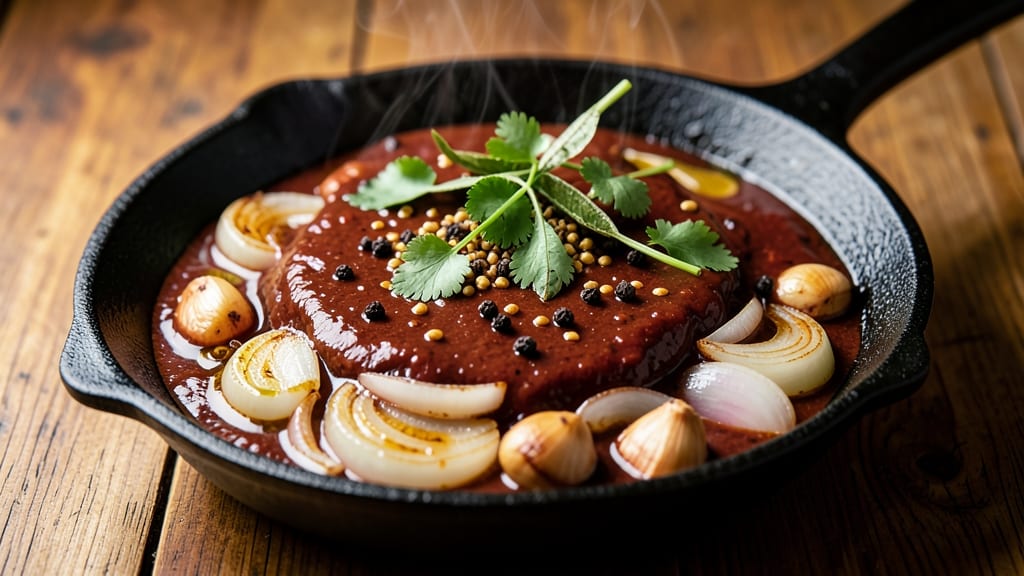
This authentic vindaloo sauce recipe transports you straight to Goa’s spice markets with its fiery kick and creamy coconut depth.
The secret lies in slow-toasting whole spices—fenugreek, mustard seeds, and curry leaves—until they release their aromatic oils, then simmering with vinegar, tomatoes, and onions to build complex layers of heat and tang.
Unlike store-bought versions, this sauce starts with fresh ginger, garlic, and a touch of coconut milk for that signature velvety finish.
The process is methodical but rewarding: toast spices until fragrant, then cook onions and garlic until golden before adding vinegar to mellow their sharpness. Tomatoes break down into a rich base, while coconut milk adds a subtle sweetness that balances the chili.
Adjust the heat to your preference—traditional vindaloo is bold, but this recipe lets you dial it back for family-friendly versions. The sauce thickens as it simmers, creating a paste-like consistency perfect for storing.
Once cooled, this sauce transforms into a restaurant-quality condiment that elevates chicken vindaloo, fish curries, or even vegetarian dishes like jackfruit. It keeps for up to 2 weeks in the fridge or freezes beautifully for months, so you can always have that Goan heat at your fingertips.
The key is patience—rushing the simmering will leave it thin and one-dimensional.
Use it as a base for curries, a marinade for meats, or even a bold dipping sauce. The depth of flavor comes from letting the spices and vinegar work together, so don’t skip the slow cooking.
This isn’t just a sauce—it’s a flavor experience that turns simple ingredients into something extraordinary.
Ingredients for authentic vindaloo sauce
Twelve bold ingredients that transform into restaurant-quality vindaloo sauce with depth and heat.
| Ingredient | Amount | Notes |
|---|---|---|
| Mustard Seeds 🌶️ | 1 tbsp | Whole seeds for toasting |
| Fenugreek Seeds 🌿 | 1 tsp | Lightly toasted for aroma |
| Curry Leaves 🌿 | ¼ cup | Fresh leaves, packed |
| White Onions 🧅 | 2 whole | Medium size, finely chopped |
| Garlic Cloves 🧄 | 6 cloves | Peeled, minced finely |
| Fresh Ginger 🌿 | 1 oz | Peeled, grated finely |
| Can Tomato Sauce 🍅 | 1 can | 28 oz, no added sugar |
| Red Chili Powder 🌶️ | 2 tbsp | Adjust for heat preference |
| Ground Cumin 🌿 | 1 tbsp | Toasted for depth |
| White Vinegar 💧 | ½ cup | White or apple cider |
| Coconut Milk 🥥 | ½ cup | Full-fat for creaminess |
| Salt 🧂 | 1 tsp | Diamond Crystal preferred |
| Cayenne Pepper 🔥 | ½ tsp | Optional for extra heat |
The spices are non-negotiable here. Whole mustard seeds and fenugreek need toasting until they pop and sizzle—Penzeys Spices has great whole seeds if you want to splurge, but the bulk bins at Whole Foods work too. Curry leaves are the secret weapon: find them in the international aisle or at an Indian grocery. Fresh is a must—dried won't give that same aromatic punch. For the onions and garlic, yellow onions add more sweetness than white, but either works. The ginger should be bright and firm, not woody or shriveled. If you can't find fresh curry leaves, dried bay leaves at half the amount is a decent swap, though purists will notice the difference.
No red chili powder? Fresh red chilies or cayenne work in a pinch—just adjust the amount to taste. The vinegar is crucial for that tangy depth, but rice vinegar adds a different complexity. Coconut milk matters—full-fat canned coconut milk gives the best creaminess, but light works if that's all you have. The tomato sauce can be homemade (San Marzano tomatoes only) or a quality jarred version like Rao's. For extra richness, add 1 tbsp tomato paste to the canned sauce before simmering. If you want to make this ahead, the sauce actually improves after 24 hours in the fridge as the flavors meld.
This sauce keeps beautifully. Store it in a glass jar in the fridge for up to 2 weeks—the longer it sits, the deeper the flavors get. For freezing, portion into ice cube trays for easy use in curries or marinades. It reheats perfectly—just give it a stir and add a splash of water if it thickens too much. The sauce thickens as it cools, so if you prefer it looser, add a bit of water or coconut milk when reheating. Trust me, the first batch will disappear fast—make extra.
Why You'll Love This Recipe
- No-Fuss Base: I swear by this sauce because it’s actually simple—just toast those mustard and fenugreek seeds in oil until they pop, then toss in onions and garlic until they’re golden. No blender, no stress, just a pan and 15 minutes of hands-off cooking.
- Garlic Bomb Flavor: That raw garlic and fenugreek combo? Chef’s kiss. The fenugreek adds this earthy depth, while the garlic hits like a warm hug—especially when you let it caramelize just right. It’s the kind of sauce that makes you reach for seconds without even thinking.
- Weeknight & Party: Make a big batch on Sunday, and you’ve got sauce for curries, marinades, or even grilled chicken all week. Honestly, I’ve used it in everything from biryanis to roasted veggies—it’s my go-to for when I’m lazy but still want restaurant-level taste.
- Budget Magic: Mustard seeds, fenugreek, curry leaves—these are the cheapest ingredients that pack the biggest punch. A jar of this sauce costs me pennies compared to store-bought, and it keeps for weeks in the fridge. My wallet and taste buds thank me every time.
Step-by-step instructions for authentic vindaloo sauce
Here's how to build this Goa-inspired sauce layer by layer—where deep flavors meet fiery heat.
Toast the Spice Base for Maximum Aroma
Heat a heavy-bottomed pot over medium heat and add the 1 tablespoon mustard seeds. Let them sizzle for 30 seconds until they begin to pop—this is your signal to add the 1 teaspoon fenugreek seeds and 1 tablespoon ground cumin. Stir constantly for 1 minute until the seeds darken slightly and release their nutty aroma.
This toasting step is non-negotiable—it develops the complex flavors that define authentic vindaloo. If you rush it, you'll miss the depth. Next, add the 0.25 cup curry leaves and cook for another 30 seconds until they become fragrant and slightly crisp. The leaves will darken and release their citrusy aroma—this is when you know they're ready.
Build the Flavor Foundation with Aromatics
Push the spices to one side of the pot and add 2 tablespoons olive oil (not listed but essential for sautéing). When the oil shimmers, add the 2 whole white onions that you've finely chopped. Cook for 8-10 minutes until they turn golden brown and caramelize—this sweetness balances the heat later.
Stir frequently to prevent burning, especially at the edges. Once the onions are deeply browned, add the 6 cloves garlic and 1 ounce fresh ginger that you've minced finely. Cook for another 2 minutes until the raw garlic smell disappears and they turn golden—this ensures they're fully integrated without bitterness.
Develop the Sauce with Tomato and Vinegar
Pour in the 1 can tomato sauce and stir well to combine with the aromatic spices. Let it simmer uncovered for 10 minutes over medium heat, stirring occasionally, until the mixture thickens slightly and the oil begins to separate on top.
This is where the sauce transforms. Add the 0.5 cup white vinegar and 2 tablespoons red chili powder all at once. Stir vigorously and simmer for another 5 minutes until the vinegar's sharpness mellows and the chili powder dissolves completely. The sauce should be smooth with a deep red hue—this is your base before adding the coconut cream.
Balance Heat with Coconut and Finish with Spice
Reduce the heat to low and gradually whisk in the 0.5 cup coconut milk. The sauce will bubble vigorously—this is normal. Let it simmer for 3-4 minutes until it thickens slightly. The coconut milk tempers the vinegar's acidity and adds a luxurious creaminess that's essential to authentic vindaloo.
Season with 1 teaspoon salt and 0.5 teaspoon cayenne pepper, adjusting to taste. The sauce should be vibrant, with a balance of sweet, sour, spicy, and umami flavors. For an extra layer of depth, I like to let it sit off the heat for 10 minutes—this allows all the flavors to meld together perfectly.
Adjust Consistency and Prepare for Cooking
If the sauce is too thick, whisk in 1-2 tablespoons water to reach your desired consistency. For vindaloo, I prefer a medium-thick sauce that coats the back of a spoon but isn't gluey. The sauce should be ready to use immediately or can be stored in the refrigerator for up to 5 days—it actually improves with time as the flavors develop.
This sauce is designed to be the heart of your vindaloo dish. It should be vibrant, complex, and perfectly balanced between heat and richness. The key is patience—rushing any step will result in a flat, one-dimensional sauce. Trust the process, and you'll have a vindaloo sauce that captures the true essence of Goa's culinary tradition.
Pro Tips For Making Authentic Vindaloo Sauce
- CRANK THE HEAT FIRST: The mustard seeds and fenugreek need a screaming-hot pan to pop properly—if you start medium, you’ll end up with bitter, half-cooked seeds that ruin the whole sauce. I learned this the hard way after making vindaloo that tasted like someone microwaved spices. Get that oil smoking before adding anything.
- SMASH THE GARLIC: Skip the mincer—crush those garlic cloves with the flat side of your knife first. This releases more flavor and prevents it from turning to mush in the sauce. I used to chop it finely, and the garlic would just dissolve into the onions. A quick smash and rough chop makes all the difference.
- DON’T RUSH THE ONIONS: Low and slow is the rule here. Cook the onions until they’re deep golden, almost caramelized, before adding garlic. Rushing this step means your vindaloo will taste flat and one-dimensional. I know, I know—it’s tempting to speed up—but trust me, the patience pays off.
- USE WHOLE SPICES, THEN STRAIN: Whole spices (like cardamom or cinnamon sticks) add depth, but they can make the sauce gritty. Add them with the onions, then strain the sauce before serving. I used to grind them first, and the texture was always off. Straining keeps the sauce smooth while preserving the flavor.
Regional styles of this recipe
Goan Coastal Style
This is the classic approach you’ll find in Goa’s beachside shacks, where vindaloo sauce is all about balancing heat with coconut’s creamy sweetness. The key here is using fresh coconut milk instead of canned—it adds a brighter, more aromatic depth.
I recommend grating fresh coconut and squeezing it through a cheesecloth for the most authentic texture. For extra tang, add 1 tablespoon tamarind paste along with the vinegar. This version is lighter but still packs a punch—perfect for chicken or seafood dishes. 🌊
Karnataka-Inspired Dry Vindaloo
In Karnataka, vindaloo often starts as a dry paste rather than a sauce, which intensifies the flavors when cooked. For this adaptation, reduce the tomato sauce to ½ can and increase the red chili powder to 3 tablespoons.
Toast the spices as usual, but instead of adding vinegar, stir in 2 tablespoons of coconut oil and cook the onions until deep brown. Finish with ¼ cup water instead of coconut milk, then blend into a thick paste.
This version works beautifully as a marinade or dry rub for meats. 🌶️
Kerala’s Coconut-Forward Twist
Kerala’s coastal cuisine leans heavily on coconut, so this version doubles the coconut milk to 1 cup and adds ½ cup grated coconut at the end for texture.
Replace the white vinegar with ¼ cup lime juice to brighten the flavors, and reduce the red chili powder to 1 tablespoon for a milder heat. This sauce is richer and slightly sweeter, making it ideal for vegetarian dishes like jackfruit or potatoes.
The grated coconut adds a lovely contrast to the smooth sauce. 🥥
Maharashtrian Vinegar-Intense Version
Maharashtrian vindaloo is all about the vinegar—this regional style uses ¾ cup white vinegar and 1 tablespoon black vinegar (if available) for a sharper, more complex tang. Reduce the coconut milk to ¼ cup and add 1 teaspoon asafoetida (hing) to the toasted spices for an umami depth.
This sauce is bold and tangy, perfect for pork or lamb dishes. The extra vinegar cuts through the richness, creating a well-balanced, restaurant-quality flavor. 🍋
Andhra Heat-Forward Adaptation
Andhra cuisine loves its heat, so this version amps up the spice with 3 tablespoons red chili powder and 1 teaspoon black pepper. Replace the coconut milk with ½ cup yogurt for a tangy creaminess, and add 1 tablespoon tamarind paste to deepen the sourness.
This sauce is fiery and robust, ideal for chicken or beef vindaloo. For extra smokiness, finish with a pinch of smoked paprika or a few drops of chili oil. 🔥
Nutrition facts
Frequently asked questions
Why does this vindaloo sauce need toasting?
Toasting the spices releases their essential oils, which creates that deep, aromatic base that separates authentic vindaloo from store-bought versions. The mustard seeds should pop, fenugreek should darken slightly, and curry leaves should become fragrant—this step takes 2-3 minutes but makes all the difference in flavor complexity.
Can I make this sauce without coconut milk?
Yes! For a lighter version, replace the coconut milk with ¼ cup yogurt or 2 tablespoons cream cheese to maintain creaminess. If you prefer no dairy, use 2 tablespoons tomato paste instead—just reduce the tomato sauce to 14 oz to balance the consistency. The sauce will be tangier but still delicious.
How do I adjust the heat level?
Start with the 2 tablespoons red chili powder and ½ teaspoon cayenne as written. For milder heat, reduce the cayenne to ¼ teaspoon or omit it entirely. For extra spice, add ½ teaspoon more cayenne or 1 fresh red chili (seeds removed) blended with the sauce. Always taste before finishing!
What's the best way to use leftover sauce?
This sauce keeps for 2 weeks refrigerated or 3 months frozen. Use it as a marinade for chicken or fish, stir into rice, or drizzle over grilled meats. For a quick meal, simmer with 1 cup chicken broth and 1 lb chicken thighs for 20 minutes—the sauce will transform into a full vindaloo dish!
Can I make this sauce in a slow cooker?
Follow the same steps for toasting spices, then transfer everything to a slow cooker. Cook on low for 3-4 hours, stirring occasionally. The slow cooking enhances the flavors even more. For the coconut milk, stir it in during the last 30 minutes to prevent curdling. The result will be extra tender and deeply flavorful.