
Sauces & Condiments
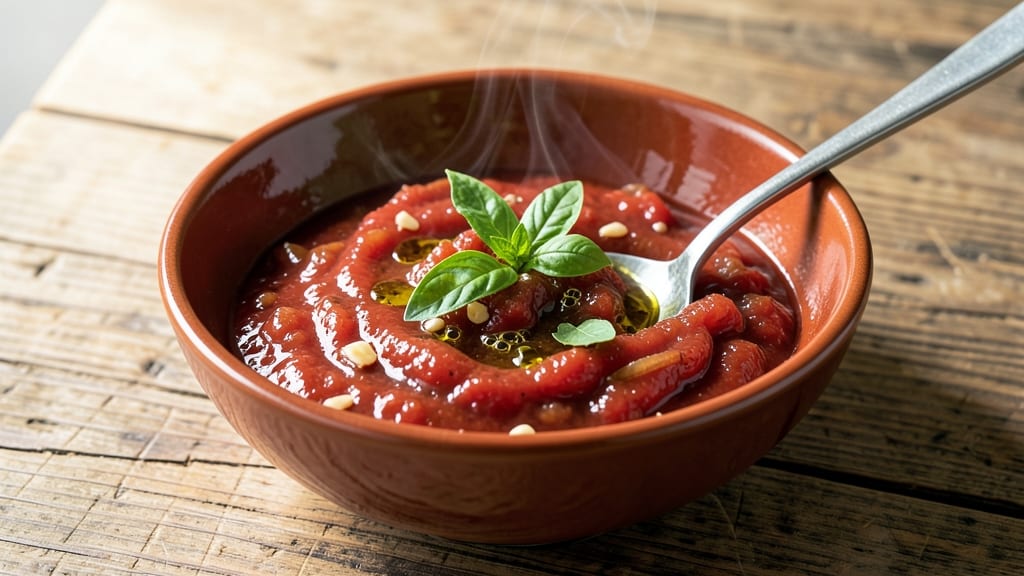
This alkaline tomato sauce recipe transforms ordinary canned tomatoes into a balanced, gut-friendly condiment with a simple baking soda trick. The process reduces acidity while preserving rich tomato flavor, making it perfect for health-conscious cooks who still crave bold, versatile sauce.
Unlike traditional recipes, this version maintains a stable pH without sacrificing depth or texture.
The secret lies in carefully measured baking soda—just a pinch—to neutralize acidity while simmering. You’ll still get that classic tomato taste, but with reduced acidity that’s gentler on digestion.
This sauce works equally well as a pasta base, pizza topping, or dipping sauce for grilled meats. The texture remains silky-smooth, with no chalky aftertaste.
What makes this recipe stand out is its adaptability—use it as a neutral canvas for herbs, garlic, or spices, or keep it simple with just salt and pepper. The alkaline process doesn’t alter the sauce’s vibrant color or robust flavor, so you get all the benefits without compromise.
Store it in the fridge for up to a week or freeze for months.
For those tracking acid levels, this sauce offers a practical solution without sacrificing taste. Whether you’re cooking for sensitive stomachs or simply exploring healthier alternatives, this recipe delivers restaurant-quality results with a nutritional edge. Let’s get started on creating your balanced, versatile sauce.
Ingredients for alkaline tomato sauce
Pantry staples meet a clever baking soda trick for a sauce that’s balanced, vibrant, and gut-friendly.
| Ingredient | Amount | Notes |
|---|---|---|
| San Marzano Tomato Paste 🍅 | ½ cup | High-quality, no sugar added |
| Canned Crushed Tomatoes 🍅 | 2 cups | San Marzano preferred, no salt added |
| Extra-Virgin Olive Oil 🫒 | ¼ cup | For richness and balance |
| Baking Soda 🧂 | ⅛ tsp | Key for acidity reduction |
| Garlic Cloves 🧄 | 3 cloves | Freshly minced for depth |
| Onion 🧅 | ½ whole | Yellow or red, finely chopped |
| Fresh Basil Leaves 🌿 | ¼ cup | Packed, stems removed |
| Sea Salt 🧂 | ½ tsp | Diamond Crystal preferred |
| Black Pepper 🌶️ | ¼ tsp | Freshly cracked |
| Red Wine Vinegar 🍷 | 1 tbsp | For subtle acid balance |
The tomatoes make or break this sauce. San Marzano is worth the splurge—sweeter, less acidic, and packed with flavor. Grab the 28-ounce cans from Trader Joe’s or Whole Foods for the best quality. If you’re using regular crushed tomatoes, opt for no-salt-added to keep control over seasoning. The paste? Rao’s or Bertolli are solid choices, but avoid the ones with added sugar. For the garlic and onion, fresh is non-negotiable—they’re the flavor foundation here.
No San Marzano tomatoes? Any high-quality canned tomatoes work, but rinse them well if they’re salted. Short on basil? Dried basil at one-third the amount gives you close, though fresh is ideal. The baking soda is the magic ingredient—measure carefully, it’s a pinch, not a handful. Want more depth? Add a dash of smoked paprika or a sprinkle of oregano. The red wine vinegar might seem odd, but it’s just a balancing act—apple cider vinegar works too if that’s what you’ve got.
This sauce keeps like a dream. Let it cool completely, then store in an airtight container in the fridge for up to 1 week. For longer storage, portion into ice cube trays and freeze—thaw as needed for quick meals. The texture actually improves after a day or two, so make extra if you can. If you’re worried about the baking soda taste, don’t be—it disappears completely during cooking. Leftovers? Perfect for freezing or gifting—everyone will ask for your secret.
Why You'll Love This Recipe
- No-Chop Required: I swear, this sauce comes together with just a knife for the garlic—no dicing, no peeling fuss. The crushed tomatoes and paste do all the work while you stir, and that pinch of baking soda? It’s the secret that keeps it silky smooth without the babysitting.
- Umami Bomb: That first taste of the San Marzano paste caramelizing in the olive oil? Chef’s kiss. The baking soda balances the acidity so the garlic shines bright and the tomatoes sing—deep, rich, and just a little tangy. It’s the kind of sauce that makes you pause mid-bite to savor it.
- Pantry Powerhouse: I keep a jar of this in the fridge for lazy nights—dump it on pasta, swirl it into eggs, or slather it on toasted bread. It’s my go-to for quick weeknight dinners, potlucks, or even as a marinade. Honestly, I’ve lost track of how many ways I’ve used it.
- Budget Magic: A single can of crushed tomatoes and a small tube of paste stretch into meals for days. The baking soda’s a game-changer for cost—it cuts down on expensive vinegars or wine while keeping the flavor pro-level. Plus, it freezes like a dream, so I make a big batch and forget about grocery runs for weeks.
Step-by-step instructions for alkaline tomato sauce
Here's how to make a perfectly balanced, health-conscious sauce that's gentle on digestion.
Sauté Onion and Garlic for Flavor Foundation
Heat the 0.25 cup extra-virgin olive oil in a medium saucepan over medium heat. Add the 0.5 whole onion, finely chopped, and cook for 5-6 minutes until soft and translucent. You'll know it's ready when the onion releases its sweet aroma and the edges start to turn golden.
Add the 3 cloves garlic cloves, freshly minced, and cook for another 30 seconds until fragrant. Don't let the garlic brown—it should just perfume the oil. This step builds the flavor base without letting anything burn, which would make the sauce bitter. Keep the heat at medium to maintain even cooking throughout.
Add Tomato Paste and Baking Soda for pH Balance
Stir in the 0.5 cup San Marzano tomato paste and cook for 2 minutes to toast it slightly. This deepens the tomato flavor and helps develop a richer sauce. Then add the 0.125 tsp baking soda—this is what makes this sauce alkaline, reducing acidity while preserving the natural tomato taste.
Let the mixture bubble gently for 1 minute until the baking soda dissolves completely. You'll notice the sauce becomes slightly thicker and smoother. This step is crucial for achieving that balanced pH while keeping the sauce's integrity intact. Don't walk away—stir occasionally to prevent sticking.
Incorporate Crushed Tomatoes and Simmer
Pour in the 2 cups canned crushed tomatoes and stir well to combine. Bring the mixture to a gentle simmer over medium-low heat. Let it cook uncovered for 15-20 minutes, stirring occasionally, until the sauce thickens slightly and the flavors meld together.
You'll see the sauce reduce and develop a glossy sheen. This simmering process allows the baking soda to work its magic, balancing the acidity while concentrating the tomato flavor. The sauce should coat the back of a spoon but still be smooth—not gluey. If it thickens too much, you can add a splash of water later.
Finish with Vinegar and Seasonings
Stir in the 1 tbsp red wine vinegar and season with 0.5 tsp sea salt and 0.25 tsp black pepper. The vinegar adds a subtle tang that brightens the sauce without overpowering it. Taste and adjust the seasoning—you might need a pinch more salt depending on your tomatoes.
Add the 0.25 cup fresh basil leaves, packed and stems removed, and let them wilt into the sauce for 2-3 minutes. Remove from heat and let it sit for 5 minutes to allow the flavors to fully integrate. The basil should infuse the sauce with its aromatic essence, leaving you with a vibrant, herbaceous finish.
Blend for Silky Smooth Texture (Optional)
For an ultra-smooth sauce, transfer the mixture to a blender or use an immersion blender directly in the pan. Blend until completely smooth, about 30 seconds. This step isn't necessary but creates a velvety texture perfect for dipping, drizzling, or pairing with creamy dishes.
Return the sauce to the pan if blending and heat gently for 1-2 minutes to warm through. The sauce should be at a temperature where it's hot but not boiling—ideal for immediate use or storing. This alkaline tomato sauce keeps well in the refrigerator for up to 5 days, making it perfect for meal prep.
Pro Tips For Making Alkaline Tomato Sauce
- Bloom the Paste: Heat your San Marzano tomato paste in the pot for 5-7 minutes before adding anything else—this caramelizes the sugars and deepens the flavor. I used to skip this step, and the sauce always tasted flat until I realized how much difference those few minutes make.
- Measure the Baking Soda: Use just a pinch—about ¼ teaspoon—of baking soda per quart of tomatoes. Too much will turn your sauce soapy, and you’ll taste it. I learned this the hard way when my first batch had a weird metallic aftertaste.
- Simmer, Don’t Boil: Keep the heat low enough that the sauce barely bubbles at the edges, or you’ll break down the tomatoes into mush. A gentle simmer for 45-60 minutes concentrates the flavor without turning it into a watery glaze.
- Toast the Garlic: Sauté the minced garlic in olive oil until it’s golden, not just fragrant—this adds nutty depth. I was skeptical until I tried it, and now I can’t imagine skipping it. Just watch it like a hawk; it burns faster than you think.
Wine and beer pairings for this recipe
Red Wine Pairings
This alkaline tomato sauce pairs beautifully with a crisp, medium-bodied Italian red wine like Chianti or Sangiovese. The acidity in the wine complements the sauce’s balanced pH while the earthy notes of Chianti enhance the tomato’s depth.
I love opening a bottle of Castello di Volpaia Chianti Classico—its bright acidity and cherry undertones make every bite of pasta or pizza sing. 🍷
White Wine Balance
For a lighter option, try a dry Vermentino from Sardinia. This white wine’s citrusy brightness contrasts perfectly with the sauce’s richness, cleansing your palate between bites. Vermentino di Sardegna is my go-to—its mineral finish and subtle almond notes elevate the dish without overpowering it.
Serve it slightly chilled for an elegant touch.
Craft Beer Options
A Belgian-style witbier like Hoegaarden adds a refreshing twist. The coriander and orange peel notes in the beer mirror the sauce’s herbal brightness, while the effervescence cuts through the sauce’s depth.
For a bolder choice, a German Helles Lager offers a malty contrast that pairs surprisingly well with the sauce’s umami richness. 🍺
Non-Alcoholic Pairings
Skip the alcohol? No problem. A sparkling blood orange soda like San Pellegrino Aranciata Rossa mirrors the sauce’s acidity with its citrusy fizz. For something warmer, try hibiscus tea—its tart, floral notes complement the tomato’s earthiness. Both options keep the meal vibrant and refreshing without alcohol.
Regional Wine Twists
In Southern Italy, this sauce is often paired with Primitivo, a bold red from Puglia. Its dark fruit and velvety texture stand up to the sauce’s balanced acidity.
For a Northern Italian touch, a Valpolicella Ripasso adds complexity with its dried cherry and vanilla notes. Each region’s wine reflects the sauce’s versatility—adjust based on your dish’s intensity.
Nutrition facts
Frequently asked questions
Why does this alkaline tomato sauce taste different from regular tomato sauce?
The baking soda reduces acidity while preserving tomato flavor, creating a smoother, less tangy profile. The vinegar at the end adds subtle brightness, balancing the sauce without overpowering it. You'll notice a more mellow sweetness compared to traditional sauces.
Can I use this sauce for cooking or just as a condiment?
This versatile sauce works perfectly for both! Use it as a pasta base, pizza topping, or dipping sauce for grilled meats. The balanced pH makes it gentle on digestion while maintaining rich flavor. For cooking, simmer it with proteins or grains to infuse flavor.
What happens if I use too much baking soda?
Too much baking soda (over 0.125 tsp) can leave a soapy aftertaste and alter the texture. Always measure carefully and dissolve it completely during cooking. If you accidentally add extra, simmer the sauce longer to cook off any harsh flavors.
How do I adjust the thickness of this sauce?
For thicker sauce, simmer uncovered for 5-10 extra minutes or add 1 tbsp tomato paste. For thinner sauce, stir in 1-2 tbsp water or broth. The sauce should coat the back of a spoon but remain smooth—not gluey.
Can I make this sauce without vinegar?
Yes, but the vinegar balances the baking soda's effect. Skip it if you prefer, but add 1 extra pinch of salt to compensate for the missing acidity. The sauce will still be delicious—just slightly less complex in flavor.