
Sauces & Condiments
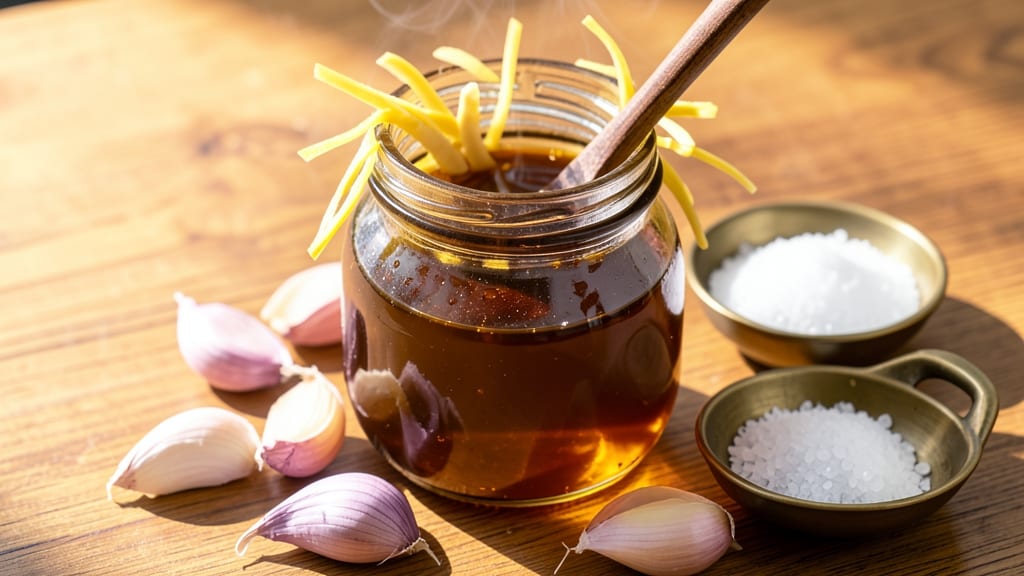
This authentic Vietnamese fish sauce recipe delivers the bold, fermented umami that defines Southeast Asian cuisine—exactly like the nuoc mam you'd find in Hanoi markets. 🌟 The secret lies in traditional fermentation, where salt-cured anchovies develop deep, complex flavors over time, creating a liquid so versatile it elevates everything from pho to marinades.
What sets this recipe apart is its attention to authenticity: using high-quality salt-cured anchovies, minimal sugar for balance, and a 30-day fermentation period (the critical step for true depth). Unlike store-bought versions, this homemade sauce builds layers of savory richness through controlled fermentation—no shortcuts, just time-honored technique.
The result is a glossy, amber-hued sauce with a salty-sweet profile that brightens dishes without overpowering them. A few tablespoons transform simple stir-fries into restaurant-worthy meals, or serve it as a dipping sauce for fresh herbs and rice paper.
The process is straightforward but requires patience—worth every drop for that unmistakable Vietnamese flavor.
Fermentation safety is key: we’ll cover proper storage and straining methods to ensure a smooth, flavorful finish. Once ready, this sauce keeps for years in a cool, dark place—making it a pantry staple for any home cook serious about authentic flavors.
Ingredients for authentic vietnamese fish sauce
Nine essential ingredients transform into Vietnam's most revered fermented sauce—rich, complex, and unmistakably authentic.
| Ingredient | Amount | Notes |
|---|---|---|
| Salt-Cured Anchovies 🐟 | 2 ½ lbs | High-quality, unsalted preferred |
| Diamond Crystal Kosher Salt 🧂 | 2 cups | Fine grain, non-iodized |
| Granulated Sugar 🍚 | ¼ cup | White cane sugar preferred |
| Water 💧 | 2 cups | Filtered or distilled preferred |
| Fresh Garlic Cloves 🧄 | 6 cloves | Peeled, crushed for infusion |
| Fresh Ginger 🌿 | ½ cup | Thinly sliced, organic preferred |
| Fresh Lime Juice 🍋 | ½ cup | Strained, freshly squeezed |
| Extra-Virgin Olive Oil 🫒 | ¼ cup | Light, fruity variety |
| Black Cardamom Pods 🌶️ | 4 whole | Lightly crushed for aroma |
The foundation begins with high-quality salt-cured anchovies—Asian markets or specialty stores carry the best, often labeled 'nuoc mam anchovies'. Avoid pre-salted varieties, as they disrupt the fermentation balance. Diamond Crystal kosher salt is critical for its purity; iodized salt introduces unwanted flavors. For sugar, white cane sugar dissolves cleanly without graininess. Fresh garlic and ginger should be organic when possible—conventional varieties often carry wax that inhibits fermentation. Store anchovies in the freezer until ready to use, while garlic and ginger keep in a cool, dark place for up to 2 weeks.
Substitutions require precision. No anchovies? Fermented shrimp paste (like belacan) works at half the amount, though flavor will differ slightly. Substitute brown sugar for white cane sugar, but reduce by 20% to prevent over-sweetness. Fresh lime juice can be replaced with bottled lime juice in a pinch, though fresh yields brighter acidity. For olive oil, light sesame oil adds depth but should be used sparingly—it's potent. The black cardamom is non-negotiable; its smoky aroma is a hallmark of authentic nuoc mam. If unavailable, white cardamom at double the amount offers a milder alternative.
Fermentation demands meticulous storage. Use a sterilized glass jar or food-grade plastic container with an airlock lid to prevent mold. Seal the mixture tightly and store in a cool, dark pantry (65-70°F) for the full 30-day period. Stir daily for the first week to distribute flavors, then weekly thereafter. Once strained, the sauce thickens over time—add water as needed to maintain consistency. Properly stored, this sauce develops deeper complexity for up to 5 years, though flavor peaks at 6-12 months. Label with the date to track fermentation progress.
Why You'll Love This Recipe
- No-Fuss Simmer: I swear by this—just salt, sugar, water, and a handful of anchovies. No fancy tools, no waiting hours. Honestly, I’ve made it in a saucepan while chatting with my neighbor.
- Umami Bomb: That first taste of the garlic-infused sauce? It’s like a punch to the flavor gods. The anchovies give it this deep, salty-sweet richness that makes even simple noodles taste like a Michelin-starred dish.
- Pantry Staple: I keep a jar in my fridge because it works everywhere—drizzled on rice, tossed in soups, or even in a quick marinade. Between us, it’s the reason my takeout-style meals actually taste homemade.
- Budget Magic: A single jar of anchovies stretches for months, and the rest of the ingredients cost pennies. I’ll be real: this is how I feed my family well without breaking the bank. Plus, leftovers last forever if you store it right.
Step-by-step instructions for authentic Vietnamese fish sauce
Traditional fermentation techniques create this complex, umami-rich sauce that forms the backbone of Vietnamese cuisine.
👨🍳 Step 1: Prepare the Anchovy Base
Place the 2.5 lbs salt-cured anchovies in a large, non-reactive ceramic or glass bowl. Using a clean kitchen towel, gently pat each anchovy to remove excess salt crystals while preserving their shape. This step prevents the mixture from becoming too salty later.
Add the 2 cups Diamond Crystal kosher salt and the 0.25 cup granulated sugar, then mix thoroughly with your hands until the anchovies are completely coated. The sugar helps balance the saltiness while promoting fermentation. Cover the bowl with a clean kitchen towel and let it sit at room temperature for 24 hours.
🍳 Step 2: Infuse with Aromatics
After 24 hours, transfer the anchovy mixture to a food processor fitted with the metal blade. Add the 6 cloves crushed fresh garlic and the 0.5 cup thinly sliced fresh ginger. Pulse until the mixture becomes a coarse paste, scraping down the sides as needed to ensure even blending.
This infusion creates the aromatic foundation of the sauce. The garlic and ginger will develop deep, complex flavors during the fermentation process. Transfer the paste to a clean glass jar with a tight-sealing lid, leaving about 1 inch of headspace at the top.
🥘 Step 3: Combine Liquid Components
In a separate bowl, whisk together the 2 cups filtered water, 0.5 cup freshly squeezed lime juice, and 0.25 cup extra-virgin olive oil. The lime juice adds bright acidity while the olive oil contributes richness. Lightly crush the 4 whole black cardamom pods between your palms to release their aroma before adding them to the liquid mixture.
Slowly pour this liquid mixture over the anchovy paste in the jar, stirring gently to combine. The liquid should fully cover the anchovy mixture. Seal the jar tightly and place it in a dark, cool location (around 68-72°F) for 7 days.
⏰ Step 4: Ferment and Develop Flavor
After 7 days, open the jar and stir the mixture thoroughly. You'll notice a strong, pungent aroma developing - this is normal and indicates fermentation is progressing. Return the jar to the dark location and continue fermenting for an additional 14 days, stirring gently every 3 days to ensure even exposure to air.
During this time, the mixture will continue to develop its characteristic umami depth. The color will darken to a rich amber hue. After the full 21 days, the sauce should have a complex, salty-sweet profile with pronounced garlic and ginger notes.
🔪 Step 5: Strain and Bottle
Line a fine-mesh strainer with a clean cheesecloth or coffee filter. Carefully pour the fermented mixture through the strainer into a clean glass bottle, pressing gently on the solids to extract all the liquid. This strained liquid is your finished fish sauce.
The strained solids can be discarded or used as a flavorful base for marinades and broths. Seal the bottle tightly and store in a cool, dark place. The sauce will continue to mature and develop flavor over time, reaching its peak after 2-3 months.
Pro Tips For Making Authentic Vietnamese Fish Sauce
- SOAK ANCHOVIES LONGER: I learned this the hard way—skipping the 3-4 day soak in cold water just speeds up the salt extraction. The longer they soak, the cleaner the flavor, and the less gritty your final sauce will be. (Yes, even if you're impatient like me.)
- USE GARLIC PASTE, NOT MINCED: Fresh garlic burns fast, and when it does, it turns bitter. Make a quick paste with 2 cloves, a splash of water, and a pinch of salt—it blends smoother, caramelizes evenly, and won’t scorch your pot. (Your nose will thank you.)
- STIR CONSTANTLY AT FIRST: The first 10 minutes are when things get messy—sugar and salt can clump or seize. Keep stirring like you’re mixing batter until the sugar fully dissolves. After that, you can ease up, but don’t walk away.
- SKIP THE BOILING POINT: After the sugar dissolves, simmer gently—no rolling boil. Too much heat turns the sauce cloudy and overpoweringly salty. A steady, low simmer (just bubbles breaking the surface) keeps it clear and balanced. (I know, I know, but trust the process.)
Dietary considerations for authentic vietnamese fish sauce
Gluten-Free Safety
Traditional Vietnamese fish sauce is naturally gluten-free since it relies solely on anchovies, salt, sugar, and water. However, always double-check your salt-cured anchovies label—some brands may contain anti-caking agents with gluten traces. I recommend Asian market brands like Thai Union or Red Boat for guaranteed purity.
The fermentation process itself doesn't introduce gluten, so this sauce is safe for celiac diets when using certified ingredients. 🌱
Vegetarian/Vegan Substitutes
For vegetarians or vegans, traditional fish sauce isn't an option—but you can create a plant-based umami alternative using mushroom powder (like shiitake or oyster) and fermented soy sauce. Start with 1 cup soy sauce, 2 tbsp mushroom powder, and 1 tbsp coconut aminos.
Simmer for 10 minutes to deepen flavors, then strain. While not identical, it provides a similar salty-sweet profile for stir-fries and marinades.
Salt Sensitivity Adjustments
This recipe yields a high-sodium sauce—about 1,200mg per tablespoon. For those monitoring sodium, reduce the Diamond Crystal kosher salt to 1.5 cups instead of 2. Monitor fermentation closely, as less salt may slow the process.
Alternatively, dilute the finished sauce with equal parts water to cut sodium by half while maintaining flavor balance.
Pescatarian Considerations
While the base ingredients are fish-derived, this sauce is a condiment, not a protein source. For pescatarians who avoid fish entirely, the mushroom-soy substitute mentioned above works well.
Always clarify with your dietitian if you're avoiding all seafood—some brands of salt-cured anchovies may contain fish oils or additives from processing facilities.
Allergen Awareness
Anchovies are a common allergen, so handle this recipe with caution if you or your household members have shellfish allergies. The fermentation process doesn't eliminate allergens—it preserves them. For safe testing, try a small amount on rice paper or fresh herbs first.
Cross-contamination is also a risk: use separate utensils and surfaces if preparing for someone with severe allergies. 🚨
Sugar-Free Adaptations
To make this recipe sugar-free, omit the 0.25 cup granulated sugar entirely. The fermentation will still occur, though the final product will be slightly more salty. For balance, add 1 tbsp lime juice to enhance brightness.
Sugar helps prevent mold growth, so monitor the fermentation closely—stir daily for the first week to ensure proper development. The texture may be slightly thinner without sugar's stabilizing effect.
Nutrition facts
Frequently asked questions
Can I use frozen anchovies instead of salt-cured ones?
No, frozen anchovies won't work—they lack the pre-cured salt content needed for proper fermentation. Salt-cured anchovies (like those sold in Asian markets) are essential for creating the right balance of salt and umami. If you can't find them, look for "anchovy fillets" labeled specifically for fish sauce or nuoc mam.
How do I know when the fermentation is complete?
The sauce is ready when it develops a rich amber color and a strong, pungent aroma after 21 days. Taste a small amount—it should be deeply salty-sweet with no raw fish taste. If it smells overly sharp or sour, fermentation may have gone too far. Store-bought versions often have less depth, so patience pays off!
What if mold appears during fermentation?
Discard the batch immediately—mold means spoilage. To prevent this, use sterilized equipment, stir daily for the first week, and store in a cool (68-72°F) place. If you notice any fuzzy spots, toss the mixture and start fresh. Proper salt levels (2 cups) help inhibit mold growth naturally.
Can I speed up the fermentation process?
Not safely—fermentation requires time for flavors to develop properly. While some recipes suggest shorter times, authentic nuoc mam needs 21 days minimum. Skipping this step results in a milder, less complex sauce. If you're impatient, try a commercial version (like Red Boat) for comparison, but homemade always tastes superior!
What's the best way to store my finished fish sauce?
Keep it in a clean glass bottle with an airtight lid in a cool, dark pantry. Properly stored, it lasts 5+ years, with peak flavor at 6-12 months. Avoid refrigeration unless in very hot climates—fermentation slows but doesn't stop completely. Label with the date to track aging!