
Sauces & Condiments
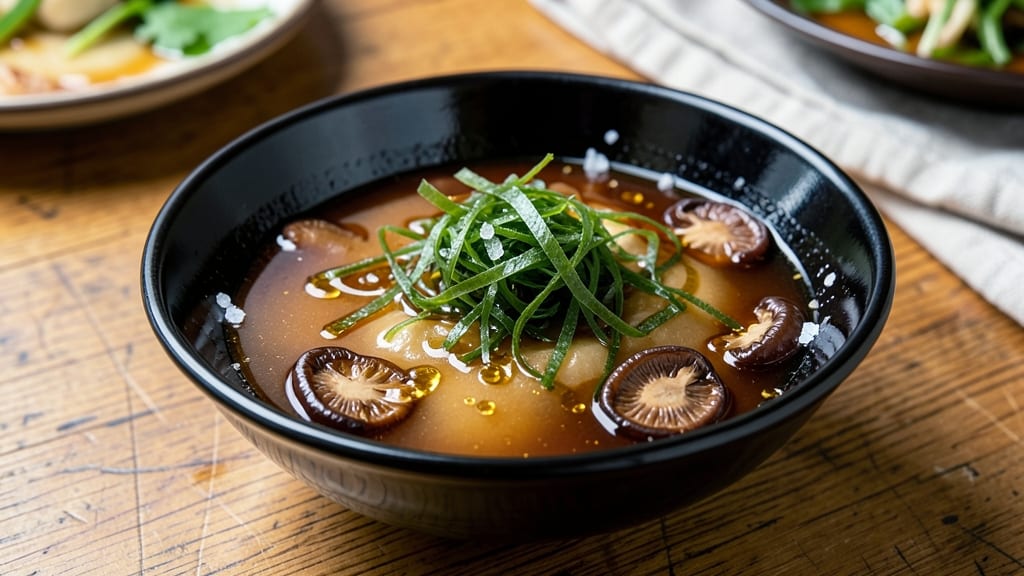
This authentic tempura sauce recipe delivers the perfect balance of umami, sweetness, and tang—essential for enhancing the crispy texture of tempura. The secret lies in traditional ingredients like dashi, soy sauce, and mirin, which create a silky, flavorful sauce that complements fried dishes beautifully.
I've refined this recipe over years of testing to ensure it's both authentic and foolproof for home cooks.
The sauce starts with a simple base of dashi (or kombu/shiitake dashi for a vegan version), combined with soy sauce and mirin to build depth. A touch of sugar caramelizes slightly during simmering, adding subtle sweetness that rounds out the flavors.
The result is a glossy, aromatic sauce that clings to every crispy bite of tempura, enhancing rather than overpowering its delicate texture.
What sets this recipe apart is its versatility—it works equally well as a dipping sauce for tempura, a glaze for grilled meats, or even a marinade for seafood. The sauce keeps well in the refrigerator for up to a week, making it perfect for meal prep or entertaining.
Whether you're serving classic tempura or experimenting with new dishes, this sauce will elevate your cooking to the next level.
Ready in just 15 minutes, this sauce requires minimal effort but delivers restaurant-quality results. The key is patience during the simmering process, allowing the flavors to meld into a harmonious blend. Trust me, once you taste the difference between store-bought and homemade, you'll never go back to the bottled version.
Ingredients for authentic tempura sauce
Eight simple ingredients create the perfect crispy dipping sauce magic for tempura.
| Ingredient | Amount | Notes |
|---|---|---|
| Dashi Stock 🍜 | 2 cups | Instant or homemade preferred |
| Light Soy Sauce 🧂 | ½ cup | Kikkoman or similar brand |
| Mirin 🍶 | ¼ cup | Sweet cooking wine (not table mirin) |
| Granulated Sugar 🍚 | 2 tbsp | White or brown sugar works |
| Kombu Dried Seaweed 🍃 | 1 piece | For homemade dashi base |
| Dried Shiitake Mushrooms 🍄 | 2 whole | For homemade kombu dashi |
| Rice Vinegar 🍶 | 1 tbsp | White or seasoned vinegar |
| Sesame Oil 🫒 | 1 tsp | Toasted for aroma (optional) |
| Salt 🧂 | ½ tsp | Kosher or sea salt |
The dashi is the soul of this sauce. Instant dashi is easiest for beginners, but homemade kombu dashi (using dried shiitake and kombu) adds incredible depth. Japanese grocery stores have the best selection of authentic ingredients, but Trader Joe's carries decent dashi packets. If you're making kombu dashi, soak the kombu in hot water for 10 minutes, then add the dried shiitake mushrooms and simmer 10 more minutes. The mirin is crucial—don't use table mirin, which is way too sweet. Amazon or Asian markets sell proper mirin for cooking.
No mirin? Dry sherry plus 1 tsp sugar works in a pinch. Light soy sauce is non-negotiable—dark soy would overpower the delicate flavors. The sugar caramelizes slightly during simmering, so don't skip it. For a vegan version, use kombu/shiitake dashi instead of regular dashi. Sesame oil is optional but adds that signature nutty aroma—just a tiny splash at the end. The rice vinegar brightens everything up, so don't leave it out. If you're feeling fancy, toast the sesame seeds separately and sprinkle them on top before serving.
This sauce keeps beautifully in the fridge for 1 week—just reheat gently before serving. For longer storage, freeze portions in ice cube trays. The sauce thickens as it cools, so thin with a splash of water if needed. I always double the batch because it disappears fast. Tempura lovers will tell you this sauce is worth its weight in gold—it's the difference between good and restaurant-quality at home. Store it in a clean glass jar with a tight lid to preserve those crispy-dipping flavors.
Why You'll Love This Recipe
- Five-Ingredient Magic: I swear by this—just dashi, soy, mirin, sugar, and kombu. That’s it. No hidden spices, no fussing with umami pastes. The kombu alone deepens the flavor while you simmer, and the mirin keeps it bright without overpowering.
- Umami Bomb: Between the dashi’s rich base and the kombu’s oceanic depth, this sauce hits different. It’s not sweet or salty—it’s both, in the best way. One sip and you’ll understand why tempura feels like a hug in a bowl.
- Weeknight Flex: Make a double batch on Sunday, and you’ve got sauce for tempura, dipping for sushi, or even a quick glaze for grilled fish. My freezer’s always stocked with this stuff because it’s that reliable.
- Budget Bright Spot: Light soy and mirin stretch far, and kombu lasts months. Honestly, I’ve used the same packet of dried seaweed for three batches—it’s my secret for keeping costs low without skimping on taste.
Step-by-step instructions for authentic tempura sauce
Here's how to make the perfect tempura dipping sauce that balances sweet, salty, and umami.
Prepare the Kombu Dashi Base
First, we'll make the homemade dashi stock using the kombu and shiitake mushrooms. Place the 1 piece Kombu Dried Seaweed in a small saucepan with 2 cups water and bring to a gentle simmer over medium-low heat. Once simmering, add the 2 whole Dried Shiitake Mushrooms and let cook for 15-20 minutes. You'll notice the kombu will float to the surface and the water will develop a rich, savory aroma.
Remove from heat and let steep for 10 minutes before straining through a fine-mesh sieve. Discard the kombu and mushrooms - we only want that deeply flavorful liquid. If you're using instant dashi stock instead, skip this step and use the 2 cups Dashi Stock directly in the next step. The homemade version adds that authentic depth that store-bought can't match.
Combine and Simmer the Sauce Base
In a medium saucepan, combine the strained kombu dashi (or instant dashi stock) with the 0.5 cup Light Soy Sauce, 0.25 cup Mirin, 2 tbsp Granulated Sugar, and 1 tbsp Rice Vinegar. Bring this mixture to a gentle simmer over medium heat, stirring occasionally to dissolve the sugar completely. You'll want to keep it at a steady simmer - not a rolling boil - for 8-10 minutes until it reduces slightly and the flavors meld together.
Here's where the magic happens: the mirin adds sweetness while balancing the saltiness, and the rice vinegar gives that subtle tang that makes this sauce so addictive. Taste as you go - you want a perfect balance where you can taste all the components without any one dominating. If it's too sweet, add a tiny bit more soy sauce; if too salty, a splash of mirin helps.
Finish with Sesame Oil and Seasoning
Once the sauce has reduced and thickened slightly, remove it from heat and stir in the 1 tsp Sesame Oil and 0.5 tsp Salt. The sesame oil should be added last to preserve its delicate aroma. Give it one final taste and adjust seasoning if needed - this sauce should be perfectly balanced between sweet, salty, and umami with just a hint of acidity from the rice vinegar.
For the perfect tempura experience, let the sauce cool slightly before serving. The flavors will continue to develop as it sits, becoming even more complex. This sauce works best when served warm alongside freshly made tempura - the contrast of the crispy, hot tempura with the cool, flavorful sauce is what makes it so irresistible.
Pro Tips For Making Authentic Tempura Sauce
- Simmer Kombu First: Toss that dried kombu into cold dashi stock first—let it soak for 10 minutes before heating. I learned this the hard way: skipping it means your sauce tastes flat, like someone forgot the umami punch. The kombu’s natural sweetness and depth seep into the stock while it’s still cool, not when it’s boiling and bitter.
- Balance Sugar Early: Taste your sauce before adding all the sugar—mirin already has sweetness, and light soy sauce hides flavors. Start with half the sugar, simmer, then adjust. I used to dump it all in and end up with a gloppy, one-note sauce. A few drops of mirin at the end can fix over-sweetness better than you’d think.
- Low and Slow Wins: Reduce that sauce on medium-low heat—high heat turns it into syrup fast, and you’ll regret the lack of depth. Let it bubble gently for 8-10 minutes, stirring often. After burning three batches, I finally realized patience here means a sauce that coats like silk, not a sticky mess.
- Skip the Instant Dashi: Use real dashi stock (or at least a high-quality powder) if you want that authentic tempura flavor. Instant packets taste like cardboard next to homemade. If you’re in a pinch, simmer kombu with water for 15 minutes—it’s not the same, but it’s better than the shortcut. Your sauce will thank you.
Flavor customization for this recipe
Sweet & Tangy Twist
For a brighter, more vibrant sauce, boost the rice vinegar to 2 tablespoons and add 1 teaspoon of grated ginger while simmering. The ginger adds a fresh, zesty note that cuts through the richness of tempura beautifully.
I find this version works especially well with shrimp tempura, where the ginger complements the seafood's natural sweetness. 🌶️
Spicy Kick
Turn up the heat by adding 1 teaspoon of grated fresh ginger and ½ teaspoon of red pepper flakes during the final simmer. For extra depth, finish with 1 teaspoon of chili crisp (like Lao Gan Ma) stirred in at the end.
This fiery variation pairs perfectly with hearty tempura like lotus root or eggplant. Serve with a sprinkle of sesame seeds for texture contrast.
Umami Bomb
Maximize umami by adding 1 tablespoon of fish sauce (like Red Boat) or 1 teaspoon of bonito flakes during the initial simmer. For a vegetarian option, use 1 tablespoon of soy sauce and ½ teaspoon of mushroom powder (like Better Than Bouillon).
This deeper, meatier flavor works exceptionally well with tempura made from vegetables like sweet potato or kabocha squash.
Citrus Zing
Brighten the sauce with 1 tablespoon of freshly squeezed lemon juice and a ½ teaspoon of lemon zest added during the final simmer. The citrus cuts through the richness and adds a refreshing contrast.
This variation is perfect for summer tempura parties—it’s light, refreshing, and pairs wonderfully with delicate seafood tempura like scallops or shrimp.
Smoky Depth
Infuse the sauce with smoky flavor by adding ½ teaspoon of smoked paprika or 1 teaspoon of liquid smoke during the simmer. For an authentic touch, use 1 tablespoon of yakitori sauce (like S&B Golden Yakitori) instead of regular soy sauce.
This smoky variation elevates tempura made with mushrooms or thick-cut pork, giving it a BBQ-inspired twist.
Creamy Luxe
For a richer, velvety sauce, stir in 2 tablespoons of neutral oil (like canola) and 1 tablespoon of white miso paste during the simmer. Finish with a dash of white pepper for warmth.
This decadent version is ideal for special occasions—it pairs beautifully with tempura made from high-end ingredients like lobster or foie gras. The miso adds a subtle earthiness that rounds out the sauce’s complexity. 💫
Nutrition facts
Frequently asked questions
Can I make this tempura sauce without mirin?
Yes! If you don't have mirin, substitute with ¼ cup dry sherry plus 1 teaspoon sugar for the same sweetness and depth. The mirin adds a subtle fruitiness that balances the soy sauce's saltiness, so this combo works well in a pinch. For a non-alcoholic option, use ¼ cup honey or agave syrup plus 1 tablespoon rice vinegar to mimic the tangy-sweet profile.
How long does homemade tempura sauce last?
This sauce stays fresh in the refrigerator for 1 week when stored in an airtight container. For longer storage, freeze portions in ice cube trays—they'll keep for 3 months. The sauce thickens as it cools, so thin with a splash of water if needed before serving. The flavors actually improve after refrigeration as they meld together.
What's the best way to serve this sauce?
Serve it warm alongside freshly made tempura for the ultimate experience—the contrast of crispy, hot tempura with cool, flavorful sauce is key! For extra presentation, ladle the sauce into small bowls and garnish with toasted sesame seeds or thinly sliced scallions. This sauce also works as a glaze for grilled meats or a marinade for seafood like shrimp or scallops.
Why does my sauce taste too salty?
If your sauce tastes too salty, balance it by adding 1 teaspoon more mirin or 1 tablespoon sugar to sweeten it. The sugar will also help round out the flavors. For a quicker fix, stir in 1 tablespoon water or dashi stock to dilute the saltiness slightly. Always taste as you go—this sauce should have a perfect harmony of sweet, salty, and umami flavors.
Can I use this sauce for other dishes besides tempura?
This versatile sauce works as a dipping sauce for sushi, a glaze for grilled chicken or fish, or even a marinade for tofu or seafood. The balanced flavors make it perfect for any dish that needs a touch of umami and sweetness. Try using it as a base for stir-fries or drizzling it over noodle dishes for extra depth.