
Sauces & Condiments
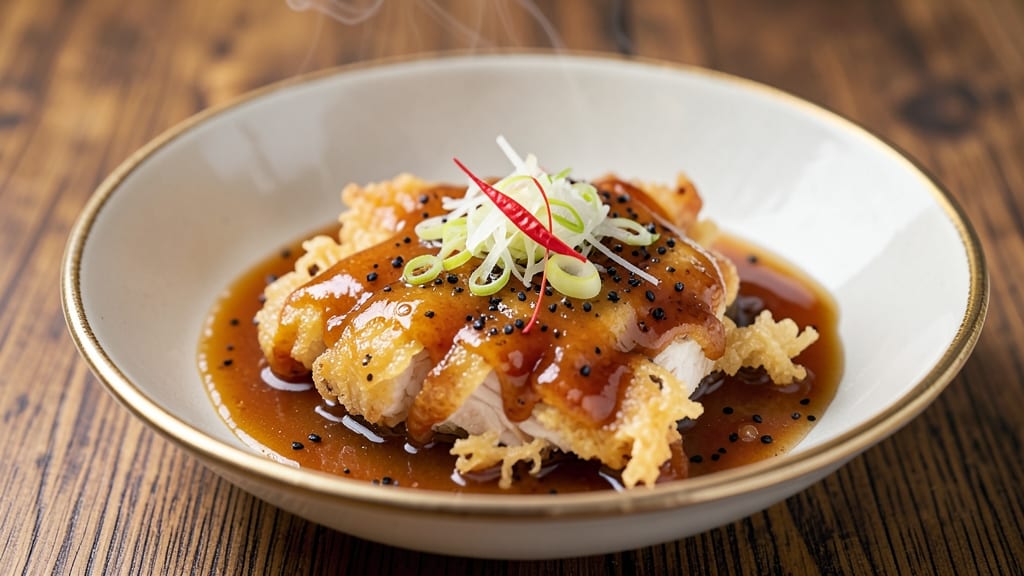
This chicken tempura sauce recipe transforms ordinary fried dishes into a restaurant-worthy experience with its delicate balance of umami and sweetness.
The secret lies in simmering dashi, soy sauce, mirin, and sugar until it reaches that perfect light, glossy consistency—just thick enough to cling to crispy tempura without overwhelming its delicate texture.
I developed this sauce after years of experimenting with Japanese techniques, and it never fails to elevate any fried dish it touches.
The magic happens in the simmering process, where the ingredients meld into a harmonious sauce that's both bright and savory. Unlike heavy gravies, this sauce remains light and airy, allowing the natural flavors of the tempura to shine through.
The combination of dashi for depth, mirin for sweetness, and soy sauce for richness creates a flavor profile that's both complex and approachable—ideal for both beginners and seasoned cooks.
What makes this sauce truly special is its versatility. Whether you're serving crispy chicken tempura, delicate shrimp, or even vegetables, this sauce clings beautifully, adding a glossy finish and layers of flavor with every bite.
The simmering technique ensures it's never too thick or too thin, striking that perfect balance that makes it irresistible.
Perfect for dipping, drizzling, or even as a light glaze, this sauce is a game-changer for any fried dish. Once you try it, you'll never go back to store-bought versions. Let's get started on creating this light and airy dipping magic that will impress everyone at your table.
Ingredients for chicken tempura sauce
Eight essential ingredients for that perfect light, glossy tempura sauce everyone craves.
| Ingredient | Amount | Notes |
|---|---|---|
| Dashi Stock 🍜 | 2 cups | Instant or homemade preferred |
| Japanese Soy Sauce 🍶 | ½ cup | Kikkoman or similar brand |
| Mirin 🍶 | ¼ cup | Sweet cooking wine, not dry |
| Granulated Sugar 🍬 | ¼ cup | Fine grain for smooth texture |
| Water 💧 | ½ cup | Room temperature preferred |
| Kuzu Powder 🌾 | 1 tsp | Japanese arrowroot for thickening |
| Sesame Oil 🫒 | 1 tbsp | Toasted sesame oil for aroma |
| Fresh Ginger 🧡 | 1 tsp | Finely grated, aromatic |
| Cornstarch 🌾 | 1 tsp | As backup thickener |
The dashi stock is the heart of this sauce—instant dashi works in a pinch, but homemade (from kombu and bonito flakes) delivers that restaurant-quality depth. Kikkoman soy sauce is my go-to for its perfect balance of saltiness and umami, though any Japanese soy sauce will do. Mirin isn't just sweetener here; it's the secret to that signature glossy finish. Look for the sweet, cloudy variety—the dry kind won't cut it. I always grab mine from Asian markets where they keep it properly refrigerated. If you're using granulated sugar, make sure it's fine grain (like Domino) to avoid graininess in your sauce.
No mirin? Substitute 2 tbsp honey plus 1 tbsp rice vinegar—it won't be identical, but it'll get you close. Running short on kuzu powder? Cornstarch works at double the amount, though the texture won't be quite as silky. The sesame oil is non-negotiable for that nutty aroma, but if you're avoiding it, toasted sesame seeds at the end add a similar punch. Fresh ginger is ideal, but ground ginger at half the amount works in a bind. Pro tip: Bloom the kuzu powder in cold water first to prevent clumping when you add it to the hot sauce.
This sauce is all about timing—make it fresh for the best results, but it keeps beautifully in the fridge for up to 5 days sealed in an airtight container. For freezing, portion into ice cube trays (the perfect single-use amount) and transfer to a bag. Reheat gently over low heat, stirring constantly to maintain that silky texture. The sauce thickens as it cools, so if it seems too thick when cold, just add a splash of water and reheat. Trust me, the first time you serve this to guests who think they know tempura sauce, you'll be their hero forever.
Why You'll Love This Recipe
- Five-Ingredient Magic: The moment you taste the umami punch from dashi and soy sauce balanced by mirin’s sweetness—well, it’s that good. No fancy techniques, just a quick simmer that transforms basic pantry staples into something restaurant-worthy.
- Simmer in Minutes: Honestly, this sauce takes less time than boiling water for pasta. Five ingredients, one pot, and a 10-minute simmer while you fry your tempura. That’s it. Zero fuss, maximum flavor.
- Dresses Up Anything: I use it over tempura, sure, but it’s also my secret weapon for grilled chicken, noodles, or even rice bowls. The salty-sweet depth cuts through richer dishes like a knife—no one suspects how simple it is.
- Budget-Friendly Staple: Dashi stock and mirin might sound fancy, but they last forever. A little goes a long way, and I’ve made this sauce for weeks with the same batch of ingredients. Cheap, reliable, and always delicious.
Step-by-step instructions for chicken tempura sauce
Here's how to craft that signature light, velvety sauce that makes tempura unforgettable.
Bloom the Aromatics in Dashi
In a medium saucepan, combine the 2 cups dashi stock with the 1 tsp finely grated fresh ginger and 1 tbsp toasted sesame oil. Bring to a gentle simmer over medium heat, then immediately reduce to low heat. You want just enough heat to maintain a bare simmer—no vigorous boiling. Let it steep for 5 minutes to extract the ginger's aromatic oils without bitterness.
This initial step builds the sauce's foundation. The ginger infuses the dashi with warmth, while the sesame oil adds that unmistakable nutty depth. Keep the lid slightly ajar to prevent condensation from diluting the flavors prematurely.
Sweeten and Season the Base
Add the 0.5 cup Japanese soy sauce and 0.25 cup mirin to the simmering dashi. Stir gently to combine, then increase heat to medium-low. Let it reduce by half—this takes about 8-10 minutes—until the mixture thickens slightly and coats the back of a spoon. You'll notice the aroma become richer as the alcohol in the mirin evaporates.
Next, whisk in the 0.25 cup granulated sugar and 0.5 cup water. The sugar will dissolve quickly, creating a balanced sweet-savory profile. Taste the mixture now—it should be pleasantly tangy with a touch of sweetness. If it tastes too sharp, add a pinch more sugar; if it's too sweet, a splash of soy sauce will correct it.
Thicken with Kuzu Powder
Reduce heat to low and sprinkle the 1 tsp kuzu powder over the sauce. Using a whisk, stir vigorously in a figure-eight motion for 1-2 minutes until the mixture becomes glossy and thickens noticeably. The kuzu powder acts as a natural thickener, creating that signature tempura sauce consistency without the heaviness of cornstarch.
If the sauce isn't thick enough after 3-4 minutes, you can add the 1 tsp cornstarch mixed with 1 tablespoon cold water as a backup. Whisk this in slowly until the desired viscosity is reached. The sauce should coat a spoon but still be light enough to drip elegantly.
Finish and Rest for Perfection
Remove the sauce from heat and let it rest for 10 minutes. This resting period allows the flavors to meld and the sauce to reach its ideal texture. The kuzu will continue to set slightly, giving you that perfect balance of silkiness and body.
Before serving, give the sauce one final taste and adjust seasoning if needed. The sauce should be glossy, with a delicate balance of umami from the dashi and soy sauce, sweetness from the mirin and sugar, and a subtle ginger warmth. Serve immediately with your tempura—this sauce is best enjoyed fresh and warm.
Pro Tips For Making Chicken Tempura Sauce
- Simmer Slow and Steady: This sauce isn’t a race—bring it to a gentle boil, then reduce to the lowest heat you can tolerate. I used to rush it, and the mirin would evaporate too fast, leaving a sharp, alcohol-heavy taste instead of that sweet, umami-rich finish. Let it bubble softly for 10-12 minutes, stirring occasionally, until it thickens just enough to coat the back of a spoon.
- Use Real Dashi, Not Substitute: If you’re using instant dashi granules, you’re missing the depth. The real stuff—made from kombu and bonito flakes—adds a complexity that powder can’t replicate. No time? At least simmer the granules in hot water for 5 minutes before adding to the sauce. The extra effort makes the difference between "meh" and "worth the hype."
- Balance Sugar First, Then Salt: Taste the sauce before adding soy sauce—adjust the sugar to your liking, then add the soy gradually. I learned this after making a batch that tasted flat because I drowned the sweetness in salt. The ideal ratio is about 1:1:1:1 (dashi:soy:mirin:sugar), but your taste might want more mirin or less sugar. Trust your palate.
- Strain for Smoothness: Skip the straining if you’re lazy, but your sauce will taste richer if you remove any sediment from the dashi or sugar crystals. After simmering, pour through a fine-mesh sieve into a clean pot. It’s a small step, but it guarantees a velvety texture—no gritty surprises when you drizzle it over tempura.
Pro cooking tips for this recipe
Simmering Technique
Keep the heat low and steady—this sauce demands patience. A gentle simmer prevents scorching while allowing flavors to meld beautifully. I use a medium-low flame and watch closely; if bubbles form too vigorously, reduce heat immediately.
The goal is a bare simmer, not a rolling boil, which would destroy the delicate balance of flavors. 🌡️
Use a heavy-bottomed saucepan (like All-Clad Stainless Steel) to prevent hot spots that can burn the sauce. If you don’t have one, a stainless steel pan works better than nonstick—it distributes heat evenly. Stir frequently to prevent sticking, especially when adding the kuzu powder.
Kuzu Powder Magic
The kuzu powder is your secret weapon—it thickens without adding starchiness. Bloom it first in 1 tablespoon cold water for 2-3 minutes before adding to the hot sauce.
This prevents clumping and ensures a silky, glossy finish. If you don’t have kuzu, cornstarch mixed with water works, but the texture won’t be as refined.
Whisk vigorously in a figure-eight motion for 1-2 minutes after adding kuzu. The sauce will transform from thin to thick right before your eyes. If it’s not thick enough, add a slurry of 1 tsp cornstarch + 1 tbsp water—but only as a last resort.
Over-thickening ruins the delicate balance.
Flavor Balancing
Taste the sauce before and after thickening—this is where adjustments happen. If it’s too sharp, add a pinch of sugar. Too sweet? A splash of soy sauce fixes it.
The mirin should contribute brightness, not cloying sweetness. I often add a tiny pinch of salt at the end to enhance umami depth.
For extra complexity, finish with a dash of toasted sesame oil or a few drops of yuzu juice (if available). These tweaks elevate the sauce from good to restaurant-quality. Trust your palate—this is where the magic happens! ✨
Heat Control
Never let the sauce boil after adding kuzu—it’ll turn gummy and unappetizing. If it starts to thicken too quickly, remove it from heat and let it cool slightly before continuing. The resting period (10 minutes off heat) is crucial—it lets the sauce set properly and flavors meld.
For reheating later, warm gently over low heat, stirring constantly. If it thickens too much, thin with 1 tsp water at a time. Microwaving is a no-go—it ruins the texture. A double boiler works best for even reheating.
Nutrition facts
Frequently asked questions
Can I make this sauce without kuzu powder?
Yes, you can substitute 1 tsp cornstarch mixed with 1 tablespoon cold water for every 1 tsp kuzu powder. However, the texture won't be quite as silky—kuzu creates that signature glossy finish. For best results, bloom the cornstarch first by whisking it with cold water before adding it to the hot sauce.
How do I adjust the thickness of the sauce?
If the sauce is too thick, thin it with 1 teaspoon of water at a time while whisking gently. If it's too thin, simmer for an additional 1-2 minutes on low heat. Remember, the sauce will thicken further as it cools, so adjust while it's still warm. For reheating, always warm over low heat and thin with water if needed.
What's the best way to store leftover sauce?
Store the sauce in an airtight container in the refrigerator for up to 5 days. For longer storage, freeze it in ice cube trays (perfect for single servings) and transfer to a freezer bag. Thaw overnight in the fridge and reheat gently over low heat, stirring constantly to restore its silky texture.
Can I use this sauce for other fried foods besides tempura?
This versatile sauce works beautifully with shrimp tempura, vegetable tempura, or even crispy fried chicken. The light, glossy consistency clings perfectly to any fried dish, enhancing its natural flavors. Just ensure your fried food is fully cooked and drained before dipping.
Why does my sauce taste too sweet?
If your sauce tastes too sweet, balance it with an extra 1/2 teaspoon of soy sauce or a pinch of salt. The mirin and sugar should complement, not overpower, the umami flavors from the dashi and soy sauce. Taste as you go—this sauce is all about finding that perfect harmony of sweet, savory, and umami.