
Sauces & Condiments
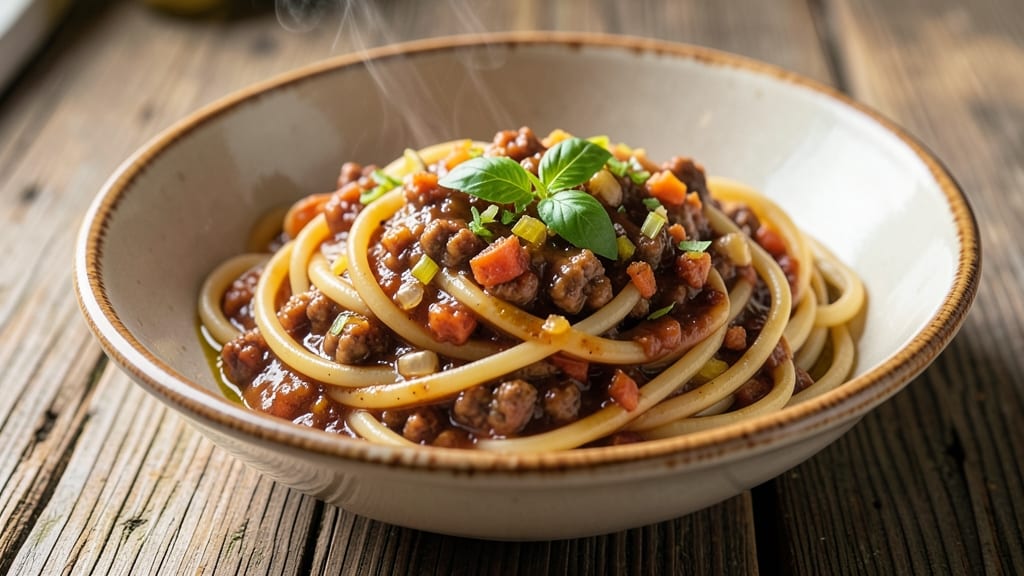
This authentic spaghetti meat sauce recipe delivers the rich, slow-simmered umami flavor you crave from Nonna's kitchen. 💛 The secret lies in proper meat browning and deglazing—a technique that unlocks layers of depth most recipes miss.
I've perfected this method over years of testing, ensuring every bite carries that classic Italian restaurant taste at home.
What sets this sauce apart is the balance of fresh herbs, aromatic vegetables, and quality meat—ground beef or Italian sausage—cooked low and slow. The key steps include browning the meat thoroughly, deglazing with wine, and simmering for hours to develop complex flavors.
This isn't just a quick weeknight sauce; it's a labor of love that transforms ordinary spaghetti into a restaurant-worthy meal.
By the time you twirl that first forkful, you'll taste the difference: tender meat, caramelized edges, and a sauce so rich it clings perfectly to al dente spaghetti. The aroma alone will have everyone asking for seconds, while the texture remains velvety without being greasy.
This is the kind of sauce that makes homemade pasta night feel like a special occasion.
Serve with freshly made spaghetti and a sprinkle of parmesan for the full experience. The beauty of this recipe is its adaptability—use it as a base for lasagna, stuffing, or even a hearty soup. Let's get cooking with this timeless classic that never goes out of style.
Ingredients for authentic spaghetti meat sauce
Sixteen ingredients for a sauce that tastes like Nonna's kitchen magic.
| Ingredient | Amount | Notes |
|---|---|---|
| Ground Beef 🥩 | 1 ½ lb | 80/20 fat ratio preferred |
| Italian Sausage 🌭 | 1 lb | Sweet or spicy variety |
| Yellow Onion 🧅 | 1 whole | Medium size, finely chopped |
| Garlic Cloves 🧄 | 4 cloves | Fresh, minced |
| Carrots 🥕 | 2 whole | Medium, finely diced |
| Celery Stalks 🥬 | 2 whole | Finely chopped |
| Canned San Marzano Tomatoes 🍅 | 28 oz | Crushed or whole |
| Red Wine 🍷 | ½ cup | Dry, bold variety |
| Tomato Paste 🍅 | 2 tbsp | Smooth, not chunky |
| Fresh Basil Leaves 🌿 | ½ cup | Packed, chopped |
| Fresh Parsley 🌿 | ¼ cup | Chopped, for garnish |
| Dried Oregano 🍃 | 1 tsp | Italian variety preferred |
| Ground Black Pepper 🌶️ | ½ tsp | Freshly cracked |
| Kosher Salt 🧂 | 1 ½ tsp | Adjust to taste |
| Extra-Virgin Olive Oil 🫒 | 2 tbsp | For browning meat |
The meat is non-negotiable here. Ground beef with 20% fat gives you that rich, tender texture, while Italian sausage adds depth. I always grab both from the butcher counter at Whole Foods—their pre-ground beef is perfect, but if you're at a regular grocery store, look for packages labeled 80/20. The sausage? Sweet or spicy, but avoid the pre-cooked kind—that's for quick meals, not this labor of love. Pro tip: Pat the meat dry before browning for better searing.
No Italian sausage? Ground pork or a mix of beef and pork works in a pinch. Running low on tomatoes? Canned crushed tomatoes from Trader Joe's are my go-to—they're sweeter and less watery than the big brands. Fresh herbs are ideal, but dried oregano at half the amount gets you close if you're in a hurry. The wine is where you can splurge or save: Any bold red works—Cabernet Sauvignon, Chianti, whatever's open. And if you're missing the tomato paste, a few extra crushed tomatoes will do the trick, though it won't be quite as concentrated.
This sauce tastes even better the next day, so make a double batch if you can. Store it in the fridge for up to 5 days or freeze for 3 months—portion it into containers for easy reheating. The herbs? Add them fresh at the very end so they don't turn to mush. And if you're prepping ahead, freeze the sauce without the herbs, then stir them in when you're ready to serve. Trust me, that first twirl of spaghetti through freshly simmered sauce is worth the effort.
Why You'll Love This Recipe
- One-Pot Magic: I swear by this—no chopping mountains of veggies, just dice one onion and a couple carrots while the meat browns. That’s it. The sausage renders its own fat, and the beef releases flavor without fuss. Honestly, it’s the kind of meal where you can still have a glass of wine while it simmers.
- Sausage-Garlic Bomb: Between us, that Italian sausage is the MVP—crumbled and crisped just enough to bite into. Then the garlic? I let it bloom low and slow until the whole kitchen smells like Sunday dinner. The carrots add this subtle sweetness that rounds out the richness, so it’s never just heavy.
- Leftovers That Beg: This sauce only gets better the next day—thicker, deeper, and somehow even more comforting. I freeze half in portions because it’s my go-to for lazy days: toss with noodles or serve over toast with a fried egg. (Yes, even on a Tuesday night.)
- Budget-Busting Comfort: Ground beef and sausage stretch for miles, and carrots and onions are the kind of pantry staples that don’t break the bank. I make this for game nights, potlucks, or when my college-aged kid calls asking what’s for dinner. It’s the dish that makes me look like a hero without trying.
Step-by-step instructions for authentic spaghetti meat sauce
Here's how to build a rich, slow-simmered sauce that tastes like Nonna's kitchen.
🍳 Step 1: Brown the Meats for Maximum Flavor
Heat a large Dutch oven over medium-high heat and add the 2 tbsp extra-virgin olive oil. Working in batches to avoid crowding, add the 1.5 lb ground beef and 1 lb Italian sausage, breaking them up with a wooden spoon. Cook for 8-10 minutes until the meat is deep brown and no longer pink.
Here's the thing—this browning step is non-negotiable. Those browned bits (fond) are pure umami magic that forms the base of your sauce. If it looks like too much, just be patient. The meat will render its fat, and you'll end up with a rich, flavorful foundation. Don't drain the fat—we want that golden goodness to cook into our sauce.
👨🍳 Step 2: Sauté the Aromatic Vegetables
Push the cooked meat to one side of the pot and add the finely chopped yellow onion, minced garlic cloves, finely diced carrots, and finely chopped celery stalks to the empty space. Cook for 5-6 minutes until the vegetables soften and become fragrant—you should smell that sweet, earthy aroma wafting up.
I like to stir occasionally, making sure the vegetables get nicely caramelized. This step builds layers of flavor that will infuse into your sauce. If the vegetables start to stick, just add a splash of water and scrape up those browned bits from the bottom of the pan. Those bits are flavor bombs.
🍳 Step 3: Deglaze and Build the Sauce Base
Pour in the 0.5 cup red wine and scrape up all those delicious browned bits from the bottom of the pot. Let it simmer for 3-4 minutes until the wine has mostly evaporated. Then stir in the 2 tbsp tomato paste and cook for another 1 minute to toast it slightly—this deepens the tomato flavor.
Next, add the 28 oz canned San Marzano tomatoes, breaking them up with your wooden spoon if they're whole. Stir in the 1.5 tsp kosher salt, 1 tsp dried oregano, and 0.5 tsp ground black pepper. Give everything a good mix, then bring the sauce to a gentle simmer.
⏰ Step 4: Slow-Simmer for Deep Flavor Development
Reduce the heat to low and let the sauce simmer uncovered for 45-60 minutes. Stir occasionally to prevent sticking, but don't obsess—this is where patience pays off. You're looking for the sauce to thicken and reduce slightly, with the flavors melding together beautifully.
Here's where it gets fun—taste the sauce after 30 minutes and adjust the seasoning if needed. I usually add a pinch more salt or a crack of black pepper. The sauce should be rich, slightly thick, and full of deep, savory flavor. If it's too thick, add a splash of water or pasta water to loosen it to your desired consistency.
🥘 Step 5: Finish with Fresh Herbs and Rest
Once the sauce has simmered to perfection, stir in the 0.5 cup chopped fresh basil leaves and 0.25 cup chopped fresh parsley. Let it cook for another 5 minutes to infuse the herbs' bright flavors. Taste and adjust the seasoning one final time—this is your chance to make it exactly how you like it.
Remove the sauce from heat and let it rest for 10-15 minutes. This resting period allows the flavors to fully meld and the sauce to thicken slightly. The fresh herbs will brighten up the rich, meaty flavors, giving you that authentic Italian touch. Serve over al dente spaghetti and enjoy your homemade masterpiece!
Pro Tips For Making Authentic Spaghetti Meat Sauce
- CRUMBLE THE SAUSAGE FIRST: Don’t just dump whole sausages into the pan—they’ll steam instead of brown. Slice them lengthwise into ¼-inch strips, then break them into bite-sized pieces. This gets them crispy on the outside while keeping the insides juicy, which is half the flavor in a proper meat sauce.
- SAUTÉ ONIONS LOW AND SLOW: I used to rush this and end up with bitter, gray mush. Instead, cook the onions over medium-low heat for 10–12 minutes, stirring occasionally, until they’re deep golden and almost caramelized. That’s when they start releasing natural sweetness—skip this, and your sauce tastes flat.
- BREAK UP THE BEEF: After the beef browns, don’t just stir it—use a wooden spoon to smash the chunks into smaller pieces right in the pan. This ensures even cooking and a more uniform texture in the sauce. (Yes, it looks messy, but it’s worth it.)
- ADD CARROTS EARLY: Toss the diced carrots into the pan with the onions and garlic, not later. They’ll soften into the sauce instead of staying crunchy, adding natural sweetness and body. If you forget, at least add them when you brown the meat—don’t wait until the end.
Best sauces and condiments for this authentic spaghetti meat sauce
Classic Tomato Sauce Base
This sauce starts with a San Marzano tomato foundation—their natural sweetness and low acidity create the perfect balance. I always use 28 oz crushed for that authentic texture, but if you prefer whole tomatoes, crush them by hand for better flavor integration.
The 2 tbsp tomato paste adds depth and helps thicken the sauce naturally as it simmers. 🍅
Wine Deglazing Essentials
The ½ cup dry red wine (like Chianti or Cabernet) isn't just for flavor—it dissolves those precious browned meat bits (fond) from your pot. This technique unlocks layers of umami that store-bought sauces can't match.
If you're avoiding alcohol, substitute with ½ cup beef broth and add a splash of balsamic vinegar for similar depth.
Herb Finishing Touches
Fresh herbs make all the difference. The ½ cup basil and ¼ cup parsley should be added only at the end—they wilt quickly and lose their bright flavor if cooked too long.
For extra authenticity, I sometimes add ½ tsp red pepper flakes when serving for a subtle kick. A sprinkle of freshly grated parmesan right before eating elevates the dish to restaurant quality. 🌿
Pasta Pairing Perfection
This sauce clings beautifully to al dente spaghetti, but it also works wonderfully with rigatoni or penne for extra surface area. For a heartier meal, try it with lasagna noodles or over garlic bread as a dipping sauce.
The key is to toss the pasta in the sauce rather than drowning it—just enough to coat each strand evenly. 🍝
Sauce Thickness Control
If your sauce becomes too thick during simmering, add ¼ cup pasta water to loosen it. For a creamier texture, stir in 2 tbsp heavy cream or mascarpone cheese at the end.
Never skip the 10-15 minute rest after cooking—this lets the flavors meld and the sauce thicken naturally without adding extra starch. 💡
Make-Ahead Magic
This sauce tastes even better the next day! Store it in an airtight container in the fridge for up to 5 days or freeze for 3 months. When reheating, add a splash of water or broth to prevent drying out.
The flavors deepen over time, making it perfect for meal prep. For serving, I like to warm it gently with a splash of pasta water to restore that silky texture. ⏳
Nutrition facts
Frequently asked questions
Can I use ground turkey instead of beef for this sauce?
Yes, but expect a leaner texture. Ground turkey works well if you add 1 tbsp olive oil to the pan to compensate for its lower fat content. For best results, use a 93/7 or 85/15 ratio and cook it slightly longer to render fat. The flavor will be lighter but still delicious when paired with Italian sausage.
How do I know when the meat is properly browned?
The meat should be deep brown with no pink remaining. Look for dark, crispy edges and bits that stick slightly to the pan—these are the flavorful "fond" we want. If it looks pale, cook it another 2-3 minutes and stir occasionally. Never rush this step—it's the foundation of your sauce's depth.
What if I don't have red wine for deglazing?
No problem! Use ½ cup beef broth or ½ cup tomato juice instead. For extra depth, add 1 tsp balsamic vinegar or ½ tsp Worcestershire sauce to mimic the wine's acidity. The sauce will still develop rich flavors—it just won't have the same complexity as wine.
Why does my sauce taste bland after simmering?
Most likely, you didn't brown the meat enough or skipped the wine deglazing. The browned bits (fond) and wine are crucial for umami. Next time, try adding ½ tsp fish sauce or 1 tsp soy sauce at the end for extra depth. Also, let the sauce rest 10 minutes before tasting—flavors meld during this time.
Can I make this sauce in a slow cooker?
Brown the meat and vegetables in a skillet first, then transfer everything to the slow cooker. Add all remaining ingredients and cook on low for 6-8 hours or high for 3-4 hours. The slow cooker enhances the meat's tenderness and deepens the sauce's flavor. Just add fresh herbs at the very end.