
Sauces & Condiments
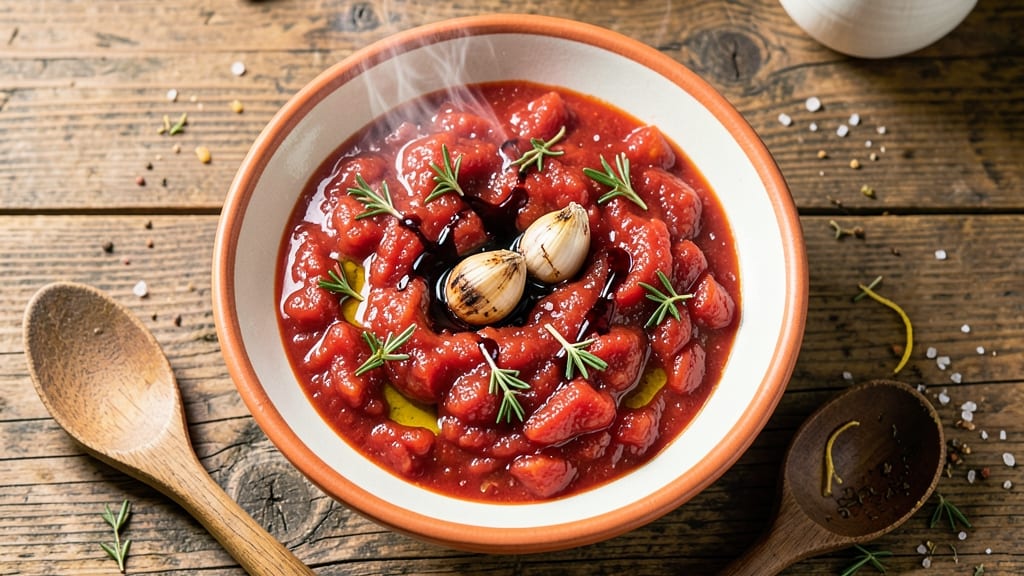
This authentic Sicilian marinara sauce recipe captures the sun-drenched essence of Sicily in every spoonful—rich, aromatic, and built on tradition rather than shortcuts. The secret lies in slow-simmering San Marzano tomatoes with garlic, olive oil, and fresh oregano until the flavors meld into a velvety, deeply savory sauce. I developed this version after years of testing, ensuring it stays true to its roots while being adaptable to your kitchen.
The beauty of this marinara is its versatility—use it as a base for pasta, drizzle over grilled meats, or preserve it in jars for months.
Unlike many commercial sauces, this one avoids added sugar, relying instead on the natural sweetness of ripe tomatoes and the bright acidity of garlic and herbs. The slow simmer (at least 45 minutes) deepens the flavor, transforming simple ingredients into something extraordinary.
What sets this sauce apart is its balance: bright enough to cut through rich dishes, yet rich enough to stand alone. The texture is liquid-golden, perfect for storage or immediate use, with just enough body to cling to noodles or crusty bread.
Every batch delivers that authentic Sicilian taste—herbaceous, garlicky, and full of sun-ripened tomato goodness.
For extra depth, consider adding anchovies or red pepper flakes, but the base recipe stays true to tradition. Whether you're serving it over spaghetti or using it as a marinade, this marinara brings the heart of Sicily to your table. Let's make it—your taste buds will thank you.
Ingredients for authentic sicilian marinara sauce
Eight simple ingredients transform into Sicily's most beloved sauce—just tomatoes, oil, and herbs.
| Ingredient | Amount | Notes |
|---|---|---|
| San Marzano Tomatoes 🍅 | 28 oz | Canned, whole peeled tomatoes |
| Extra-Virgin Olive Oil 🫒 | ½ cup | High-quality, fruity variety |
| Garlic Cloves 🧄 | 6 cloves | Fresh, peeled and minced |
| Fresh Oregano 🌿 | ¼ cup | Finely chopped leaves only |
| Red Wine Vinegar 🍷 | 1 tbsp | For brightness and acidity |
| Sea Salt 🧂 | 1 ½ tsp | Diamond Crystal preferred |
| Black Pepper 🌶️ | ½ tsp | Freshly ground for warmth |
| Red Pepper Flakes 🔥 | ½ tsp | Optional for subtle heat |
San Marzano tomatoes are non-negotiable here—they're sweeter and less acidic than regular canned tomatoes, which is exactly what you want for authentic flavor. Look for the official San Marzano DOP label at Italian markets or high-end grocery stores like Whole Foods. Fresh oregano is ideal, but dried works at one-third the amount if that's all you've got. The olive oil should be fruity and peppery—California olive oil works well, but Italian varieties add that extra layer of authenticity. Garlic cloves should be fresh, with no green shoots—those add bitterness. Store your tomatoes in a cool, dark place after opening to keep them fresh longer.
No San Marzano tomatoes? Crushed tomatoes in a jar (like Muir Glen) will work, but you'll need to add a pinch of sugar to balance the acidity. Short on fresh oregano? Dried oregano or even basil can stand in, though the flavor will shift slightly. The red wine vinegar is crucial for brightness—if you don't have it, lemon juice works in a pinch. For extra depth without anchovies, add a pinch of fish-free Worcestershire sauce or a splash of balsamic vinegar. The red pepper flakes are optional, but if you love heat, add them to taste. This sauce gets better with time, so don't rush the simmering.
Store your marinara in airtight glass jars in the fridge for up to 1 week, or freeze for 6 months—it actually tastes better after a few days as the flavors meld. I always make a double batch because it disappears fast. For freezing, use ice cube trays for perfect portions—just pop them into pasta water when needed. The sauce thickens as it cools, so if it seems too thick after refrigerating, just stir in a splash of water or broth. Trust me, every spoonful of this sauce is worth the wait.
Why You'll Love This Recipe
- No Chopping Needed: The San Marzano tomatoes handle themselves—just crush them by hand or give them a quick pulse in the food processor. No dicing, no peeling, no fuss. I swear, this is the only marinara where the prep feels like a warm-up stretch, not a workout.
- Taste Like Nonna’s: That vinegar cut? The slow-simmered garlic? The oregano so fresh it practically sings? It’s the kind of sauce that makes you pause mid-bite, eyes closed, thinking, "This is how it’s supposed to taste." (Yes, even when you’re eating straight from the pot with a hunk of crusty bread.)
- Weeknight Hero: I’ve served this over spaghetti at 6:30 PM, dumped it into freezer bags for lazy Mondays, and even drizzled it on grilled chicken for a dinner party. It’s the one sauce that works everywhere—no judgment if you’re eating it directly from the jar, either.
- Budget Magic: A single can of San Marzanos and a handful of pantry staples stretch to feed four for dinner, plus two more lunches. And because it tastes so good, you won’t mind using it up fast—no sad, watered-down leftovers here. (Between us, I’ve had this sauce last a full week in my fridge, and it’s still the star.)
Step-by-step instructions for authentic Sicilian marinara sauce
Here's how to craft a true Sicilian marinara—simple ingredients, slow cooking, and big flavor.
Prepare the Tomatoes for Maximum Flavor
Open the 28 oz San Marzano Tomatoes and transfer them to a large bowl. I like to crush them gently with my hands—this preserves their natural juices and creates a rustic texture rather than a smooth sauce. You want to break them into large chunks, not a puree, for that authentic Sicilian character.
Remove and discard any hard cores or skins that might have made it through the canning process. The quality of San Marzano tomatoes makes all the difference here—their natural sweetness and low acidity create a balanced sauce without needing extra sugar or acid adjustments.
Sauté the Garlic in Olive Oil
Heat the 0.5 cup Extra-Virgin Olive Oil in a heavy-bottomed pot over medium-low heat. Add the 6 cloves minced garlic and cook for 2-3 minutes until fragrant but not browned. Garlic burns quickly, so keep an eye on it—you want that sweet, nutty aroma, not bitter overcooking.
This gentle cooking step is crucial. If you brown the garlic, it will add bitterness that overpowers the delicate tomato flavor. The olive oil should be shimmering but not smoking. Once the garlic is just turning golden around the edges, it's time to move to the next step.
Combine Tomatoes and Simmer Slowly
Add the prepared tomatoes to the pot with the garlic-infused oil. Stir in the 0.25 cup Fresh Oregano, 1 tbsp Red Wine Vinegar, 1.5 tsp Sea Salt, 0.5 tsp Black Pepper, and 0.5 tsp Red Pepper Flakes. The vinegar brightens the tomatoes while cutting through any bitterness that might develop during cooking.
Bring the mixture to a gentle simmer over medium heat. Here's the key: let it cook uncovered for 45-60 minutes, stirring occasionally. You're looking for the sauce to reduce by about one-third, with the tomatoes breaking down into a thick, jammy consistency. The sauce should coat the back of a spoon when you lift it out.
Adjust Seasoning and Finish
After the initial simmering, taste the sauce and adjust the seasoning. I usually need to add another pinch of salt—tomatoes can vary in saltiness. The sauce should be balanced between sweet, acidic, and savory with just a hint of heat from the red pepper flakes.
Continue simmering for another 15-20 minutes until the sauce reaches your desired consistency. For a thicker marinara, simmer longer. For a more liquid sauce, add a splash of water or tomato juice. The sauce will continue to thicken as it cools, so don't over-reduce it at this stage.
Rest and Serve
Remove the pot from heat and let the sauce rest for 10 minutes. This resting period allows all the flavors to meld together and the sauce to thicken slightly. I like to stir it one final time before serving to distribute any settled seasonings evenly.
Serve the marinara immediately over pasta, drizzled with a little more olive oil if desired. The sauce should be vibrant red with visible tomato chunks and a rich, complex flavor that balances sweetness, acidity, and herbs. This is what makes it authentically Sicilian—simple ingredients cooked with patience and care.
Pro Tips For Making Authentic Sicilian Marinara Sauce
- CRUSH THE GARLIC: Start with whole cloves, not minced—peel and smash them with the flat of your knife until they bruise but don’t turn to paste. After 3 minutes in the oil, they’ll release their flavor without burning, giving that deep, nutty aroma Sicilian marinara needs. (Yes, even if you’re impatient like me.)
- SWEAT THE TOMATOES LOW: After crushing the tomatoes, reduce heat to the lowest setting—just above a simmer—and let them cook uncovered for 45 minutes. This isn’t about speed; it’s about breaking down the pulp into a thick, glossy sauce. (I learned this the hard way after rushing and ending up with a watery mess.)
- SALT THE OIL FIRST: Dissolve 1 teaspoon of fine sea salt in the olive oil before adding garlic—this prevents bitter flavors from overcooking. The salt also helps emulsify the sauce later, giving it that silky texture. (Sounds weird, but it works—trust me.)
- STOP AT THE SOUR KISS: Taste the sauce before adding red wine vinegar—authentic Sicilian marinara should finish with just a hint of brightness, not a sharp tang. Add vinegar sparingly (start with 1 teaspoon) and adjust as you go. (I skip this when I’m lazy, but the dish is noticeably better when I don’t.)
Serving suggestions for authentic sicilian marinara sauce
Pasta Pairings
This marinara shines brightest with al dente spaghetti or bucatini, where its rustic texture clings perfectly to each strand. For a heartier option, try rigatoni or pappardelle—their ridges and width hold the sauce beautifully.
I always recommend Bronze Die pasta from Whole Foods for that signature rough texture that grabs every bit of sauce. 🍝
Meat Complements
Use this sauce as a marinade for grilled chicken thighs or pork chops—the acidity tenderizes while the herbs add depth. After marinating for 2-4 hours, grill or pan-sear until golden, then drizzle with extra sauce.
For vegetarian options, try it with eggplant parmigiana or grilled portobello mushrooms for a meaty texture. 🍗
Bread Service
No pasta? No problem! Serve this marinara warm with crusty Italian bread or garlic focaccia for dipping. Toast the bread slightly to enhance its crunch, then drizzle with the sauce and sprinkle with fresh basil and flaky sea salt. The contrast of textures makes every bite irresistible. 🍞
Pizza Base
Spread this marinara thinly over homemade pizza dough and top with fresh mozzarella, cherry tomatoes, and basil leaves. The sauce’s acidity cuts through the richness of the cheese, creating a perfect balance.
For a Sicilian twist, add anchovies or crispy prosciutto—just don’t tell the purists I said that. 🍕
Storage-Friendly Uses
Freeze leftover marinara in ice cube trays for perfect portions—just pop one into simmering pasta water for instant flavor. It also makes a fantastic soup base when thinned with broth, or a braising liquid for tough cuts of meat like beef short ribs.
The sauce’s depth shines in slow-cooked dishes where it can develop even more complexity. ❄️
Garnish Like a Pro
Finish your dish with fresh basil leaves, a drizzle of extra-virgin olive oil, and a sprinkle of grated Pecorino Romano for a restaurant-quality touch. For extra brightness, add a few drops of red wine vinegar or a pinch of red pepper flakes right before serving.
The key is to enhance, not overpower—the sauce should remain the star. ✨
Nutrition facts
Frequently asked questions
Why do I need San Marzano tomatoes for authentic Sicilian marinara?
San Marzano tomatoes are the gold standard for this sauce because they're naturally sweeter and less acidic than regular canned tomatoes. Their thick, meaty texture and balanced flavor create a sauce that's perfectly balanced without needing added sugar or vinegar. The official DOP label guarantees you're getting the real deal—look for them at Italian markets or specialty stores.
Can I make this sauce without fresh oregano?
If you don't have fresh oregano, use 1/8 cup dried oregano instead. For a different but still authentic flavor, substitute with fresh basil (use 1/4 cup chopped leaves). The key is to keep the herb amount similar—just adjust the type. Dried herbs are more concentrated, so reduce the quantity by about one-third.
How do I know when the sauce is done cooking?
The sauce is ready when it's reduced by about one-third and coats the back of a spoon with a thick, jammy consistency. You should see visible tomato chunks and a glossy sheen from the olive oil. The cooking time varies, but 45-60 minutes is typical. Taste it frequently—it should balance sweet, acidic, and herby flavors with just a hint of garlic. The sauce will thicken more as it cools, so don't over-reduce it.
Can I add anchovies to this marinara?
Yes! Traditional Sicilian marinara often includes anchovies for depth. Add 2-3 anchovy fillets (mashed) with the garlic and let them dissolve into the oil. They'll add umami without overpowering. For a vegetarian version, skip them or use a pinch of fish-free Worcestershire sauce instead. The anchovies should be barely noticeable but add incredible complexity.
How long will this sauce keep in the fridge?
This marinara stays fresh in an airtight glass jar in the fridge for up to 1 week. The flavors actually improve as they meld together! For longer storage, freeze it for up to 6 months. The sauce thickens when refrigerated, so stir in a splash of water or broth if needed. For single-serving portions, freeze in ice cube trays—just pop one into simmering pasta water when ready.