
Sauces & Condiments
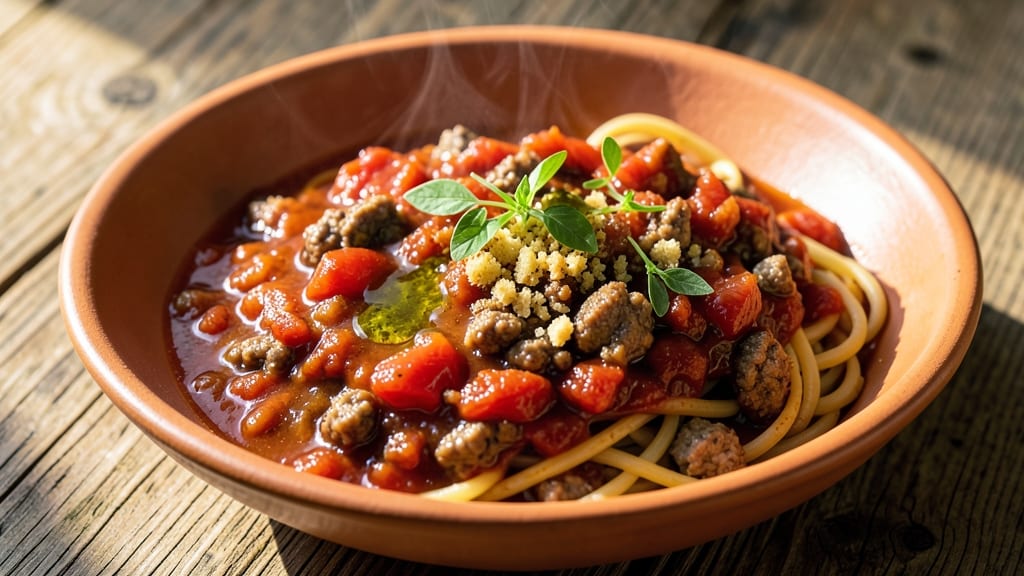
This authentic Sicilian spaghetti sauce captures the sun-drenched flavors of Sicily in every rich, aromatic spoonful. The secret lies in slow-simmering tomatoes with garlic, onions, and fresh oregano until they melt into a velvety, deeply flavorful sauce that clings perfectly to pasta.
I developed this recipe after years of studying traditional Sicilian cooking techniques, ensuring every element—from the caramelized onions to the bright acidity of tomatoes—honors the region's culinary heritage.
What sets this sauce apart is its balance of simplicity and depth. No shortcuts here—just high-quality ingredients cooked low and slow to develop layers of flavor. Ground pork adds richness (though it's optional for vegetarians), while capers and olives bring that signature Sicilian tang.
The fresh oregano, harvested at its peak, infuses the sauce with an herbaceous brightness that's unmistakably Mediterranean.
The result is a sauce so authentic it could grace any Sicilian trattoria table—thick, aromatic, and packed with umami from hours of simmering. It's the kind of sauce that transforms simple spaghetti into a restaurant-worthy meal.
The best part? It tastes even better the next day, making it perfect for meal prep or gifting to fellow food lovers.
Ready in about 3 hours (with minimal active time), this sauce delivers professional-quality results without requiring advanced skills. Store it in the fridge for up to a week or freeze for months—because once you taste authentic Sicilian flavors, you'll never want to go back to store-bought.
Ingredients for authentic sicilian spaghetti sauce
Sun-ripened tomatoes, caramelized onions, and fresh herbs—this is your Sicilian pantry raid checklist.
| Ingredient | Amount | Notes |
|---|---|---|
| Extra-Virgin Olive Oil 🫒 | ½ cup | High-quality, fruity variety preferred |
| Yellow Onion 🧅 | 1 whole | Finely diced, about 1.5 cups |
| Garlic Cloves 🧄 | 6 cloves | Peeled and minced, not pressed |
| Ground Pork 🐖 | ½ lb | Optional, lean or regular |
| San Marzano Crushed Tomatoes 🍅 | 28 oz | High-quality canned tomatoes |
| Fresh Oregano 🌿 | ¼ cup | Chopped, stems removed |
| Kalamata Olives 🫒 | ¼ cup | Pitted and chopped, brined |
| Capers 🫒 | 2 tbsp | Nonpareils, drained |
| Red Wine 🍷 | ½ cup | Dry, bold variety like Chianti |
| Sea Salt 🧂 | 1 ½ tsp | Diamond Crystal preferred |
| Freshly Ground Black Pepper 🌶️ | ½ tsp | Freshly cracked preferred |
| Granulated Sugar 🍚 | 1 tsp | Balances acidity |
| Fresh Basil Leaves 🌿 | ⅛ cup | Chopped, for finishing |
The tomatoes make or break this sauce. San Marzano is non-negotiable—they're sweet, meaty, and packed with flavor. Grab a can from Trader Joe's or Whole Foods if you want convenience, but check the label for no added salt. Fresh oregano is a game-changer, but if you can only find dried, use half the amount. The olives and capers should be brined, not oil-packed—Mediterranean Foods or Goya are solid brands. For the pork, ground shoulder has more flavor than lean ground pork, but either works. Caramelize those onions low and slow—rush it and you'll get bitter, dusty onions instead of sweet, jammy ones.
No red wine? Dry white wine or extra tomato paste works in a pinch, but the acidity will be different. Fresh oregano? Dried oregano at half the amount is fine, but it won't have that same bright, herbal punch. Skip the pork for a vegetarian version—just add an extra splash of wine to deglaze the pan. The sugar balances the acidity, but if you're avoiding it, a pinch of baking soda can help too. For the garlic, roast it first if you're feeling fancy—it mellows out the harshness and adds sweetness. And if you're making this ahead, freeze half the batch right away—it keeps for months and tastes even better after thawing.
This sauce gets better with time, so make a double batch if you can. Store it in the fridge for up to 7 days, or freeze for up to 6 months in airtight containers. The flavors meld beautifully overnight, so if you're short on time, prep it in the morning and let it simmer while you're at work. For serving, toss with al dente spaghetti and finish with fresh basil—it's the only garnish you'll need. Leftovers? Even better for sandwiches or pasta the next day.
Why You'll Love This Recipe
- No-Fuss Simplicity: I swear, this sauce comes together in one pot—no chopping marathons, no fancy techniques. Just dice an onion, crush a few garlic cloves, and let the ground pork brown while you stir. The San Marzano tomatoes handle the rest.
- Deep, Savory Soul: That first spoonful? Rich, meaty, and bright all at once. The pork adds a satisfying depth, while the San Marzano tomatoes keep it from being too heavy—like a hug from Sicily in a bowl.
- Weeknight to Weekend: Between us, this sauce is my go-to for busy nights and lazy Sundays. Double the batch, freeze half, and you’ve got a ready-made meal for when you’re too tired to cook. (Yes, even on a Tuesday night.)
- Budget That Works: Ground pork stretches further than you’d think, and a can of San Marzano tomatoes feels like a splurge you actually deserve. Honestly, I’ve made this for $8 and fed four people—no complaints, just seconds.
Step-by-step instructions for authentic Sicilian spaghetti sauce
Here's how to craft this rich, slow-simmered sauce that captures Sicily's bold flavors.
Build the Flavor Base with Olive Oil and Aromatics
Heat the 0.5 cup extra-virgin olive oil in a heavy Dutch oven over medium-low heat. Add the 1 whole finely diced yellow onion and cook for 8-10 minutes until translucent and just beginning to caramelize—this forms the sweet foundation. You'll know it's ready when the onions release their moisture and start to soften.
Push the onions to the sides and add the 6 cloves minced garlic, stirring constantly for 30 seconds until fragrant. Garlic burns quickly, so watch carefully—you want that nutty aroma without any bitterness. This step is your flavor anchor, so don't rush it.
Brown the Pork and Deglaze with Wine
Increase heat to medium-high and add the 0.5 lb ground pork, breaking it up with a wooden spoon. Cook for 5-6 minutes until the pork loses its raw color and develops a rich brown crust—this is called rendering, and it's crucial for depth of flavor. The pork should be fully cooked through with no pink remaining.
Pour in the 0.5 cup red wine and scrape up all those delicious browned bits from the bottom of the pot (this is called deglazing). Let the wine simmer for 2-3 minutes until it reduces by half. This step transforms those flavorful bits into a velvety sauce that will carry through your entire dish.
Simmer with Tomatoes and Seasonings
Add the 28 oz San Marzano crushed tomatoes, 1.5 tsp sea salt, 0.5 tsp freshly ground black pepper, 1 tsp granulated sugar, 0.25 cup chopped fresh oregano, 0.25 cup chopped Kalamata olives, and 2 tbsp drained capers. Stir well to combine, then reduce heat to low and let it simmer uncovered for 45-60 minutes, stirring occasionally.
The sauce should thicken gradually as it reduces, developing a deep red color and rich aroma. The olives and capers will soften slightly, releasing their briny flavors into the sauce. This long simmer is essential—it allows all the flavors to meld together and develop that authentic Sicilian depth. Real talk: Don't skip this step, even if you're eager to eat.
Finish with Fresh Herbs and Rest
After simmering, stir in the 0.125 cup chopped fresh basil leaves and cook for an additional 5 minutes just to wilt the herbs and infuse their bright flavor. Remove from heat and let the sauce rest for 10 minutes—this allows the flavors to fully settle and the sauce to thicken slightly. The resting period is often overlooked but makes a noticeable difference in texture and taste.
Taste and adjust seasoning if needed—you might want to add a pinch more salt or a splash of water to reach your desired consistency. The sauce should be rich but still coat the back of a spoon. Serve immediately over freshly cooked spaghetti, reserving some pasta water to thin the sauce if needed. This authentic Sicilian sauce delivers layers of flavor that balance sweet, salty, and umami notes perfectly.
Pro Tips For Making Authentic Sicilian Spaghetti Sauce
- CRANK THE HEAT FIRST: The moment you add ground pork to the olive oil, turn the burner to medium-high—no, really, crank it. I used to play it safe with medium heat, and the pork would just steam instead of brown. You want those bits to sizzle and develop that deep, meaty flavor before you even think about adding onions. Once the pork’s golden (about 3-4 minutes), you can dial it back to medium-low for the rest.
- SWEAT THE ONIONS LOW: After browning the pork, push it to the side of the pan and let the onions caramelize slowly—we’re talking 8-10 minutes on low heat. The goal isn’t to cook them fast; it’s to break them down until they’re soft, translucent, and just starting to turn golden at the edges. If you rush this, you’ll end up with raw onion bits in your sauce, and that’s a flavor killer.
- SALT THE TOMATOES: Before adding the San Marzano tomatoes, sprinkle a generous pinch of salt (about ½ teaspoon per cup) directly into the crushed tomatoes. Let them sit for 10 minutes while you finish the pork and onions—this draws out excess water and intensifies their sweetness. I learned this the hard way after making a sauce that was too thin and watery, no matter how long I simmered it.
- SKIP THE GARLIC BURN: When you add the garlic, keep the heat low—so low you’re basically begging the pan not to scorch. Garlic burns in seconds, and once it turns bitter, there’s no fixing it. Add the minced cloves to the onions just before the tomatoes go in, and stir them in immediately after adding the tomatoes to distribute their acidity and protect the garlic. Trust me, your sauce will thank you.
Serving suggestions for leftovers
Classic Pairings
Serve this sauce over al dente spaghetti—the classic choice—but I also love it with rigatoni or bucatini for extra sauce cling. Toss with a handful of toasted breadcrumbs for texture, or sprinkle with grated Pecorino Romano for a salty contrast. 🍝
Bread Service
Sicilian cuisine pairs beautifully with crusty bread. Warm focaccia or ciabatta makes a perfect starter—dip chunks into the sauce or use it to mop up any leftovers. For something lighter, try grissini (Italian breadsticks) alongside your pasta.
Wine Recommendations
A bold Chianti or Sangiovese complements the sauce’s richness, while a crisp Vermentino cuts through the oiliness. For a non-alcoholic option, sparkling blood orange soda (like San Pellegrino Aranciata) adds a refreshing contrast. 🍷
Cheese Pairings
Finish with fresh mozzarella for a Caprese-style twist or ricotta salata for a briny finish. I also love crumbling burrata on top—its creaminess balances the sauce’s acidity. Skip the cheese if you prefer a lighter dish.
Vegetable Sides
Add roasted eggplant (a Sicilian staple) or a simple arugula salad with lemon vinaigrette. For heartier meals, serve with grilled zucchini or roasted cherry tomatoes—their sweetness enhances the sauce’s depth.
Make-Ahead Serving
This sauce tastes even better the next day, so prep it ahead and reheat gently. Serve with garlic knots or polenta for a cozy meal. Store leftovers in an airtight container for up to 7 days—freeze half for later! 💫
Nutrition facts
Frequently asked questions
Why does this sauce need such a long cooking time?
Slow simmering is key to authentic Sicilian flavor development. The 45-60 minute cook time allows the tomatoes to break down, onions to caramelize fully, and all ingredients to meld into a cohesive, rich sauce. This process develops deep umami flavors and creates that signature velvety texture that store-bought sauces can't match.
Can I substitute fresh tomatoes for canned San Marzano?
Fresh tomatoes work but require extra prep. Use 3-4 large vine-ripened tomatoes (peeled, seeded, and crushed) plus 1 tbsp tomato paste to mimic the consistency. However, canned San Marzano provides consistent quality and sweetness that's hard to replicate with fresh tomatoes. The acidity balance will differ slightly, so taste and adjust salt/sugar as needed.
What's the best way to reheat leftovers?
Gently reheat on the stovetop over low heat with a splash of water or pasta water to restore moisture. Never microwave directly as it can make the sauce watery. For best results, reheat just until warmed through (5-7 minutes) and adjust seasoning afterward. The sauce actually improves after resting overnight!
How can I make this vegetarian?
Simply omit the pork and increase the wine to 0.75 cup for extra depth. Add 1 tbsp soy sauce or 1 tsp miso paste to enhance umami. For texture, stir in 1 cup cooked lentils or 1/2 cup mushrooms during the final 10 minutes of cooking. The sauce will still be rich and satisfying without meat.
Can I freeze this sauce?
Yes! Portion into airtight containers or freezer bags, leaving 1-inch headspace for expansion. It keeps for up to 6 months** in the freezer. Thaw overnight in the fridge and reheat gently. The texture may slightly thicken after freezing—just add a splash of water or broth when reheating.