
Sauces & Condiments
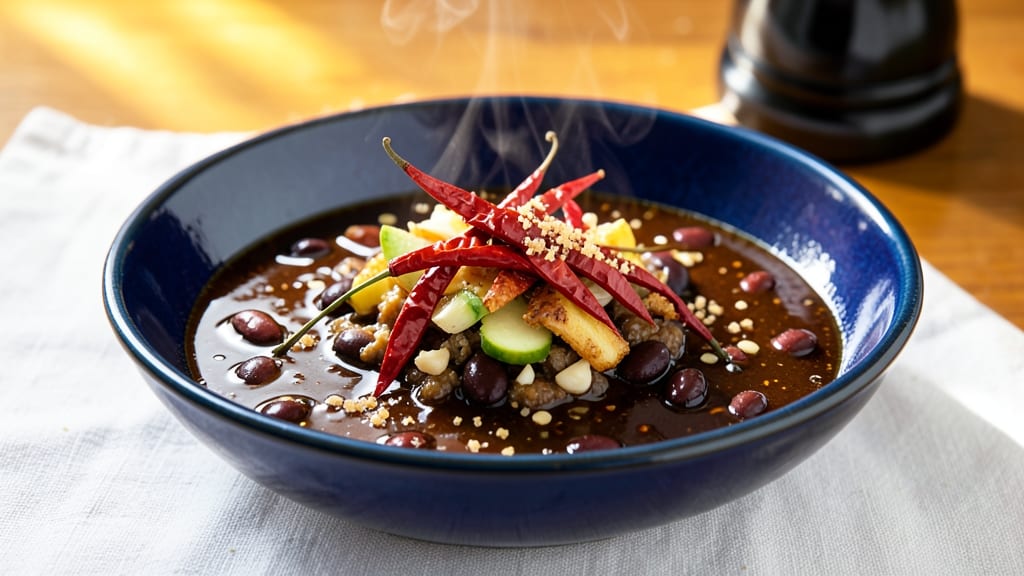
This authentic Schezwan sauce recipe delivers the bold, fermented chili heat that defines Sichuan cuisine—where fiery, sweet, and umami flavors collide in perfect balance. 🔥 The secret lies in fermented black beans and dried chilies, simmered with garlic, ginger, and vinegar until the aromas deepen into something irresistible.
Unlike store-bought versions, this homemade sauce builds layers of complexity through slow reduction, transforming simple ingredients into a condiment that elevates everything it touches.
The process is straightforward but requires patience: dried chilies and black beans steep in vinegar for hours, releasing their deep, funky flavors before blending with fresh aromatics. Simmering the mixture until syrupy ensures the sauce clings to noodles, dumplings, or grilled meats without overwhelming them.
What sets this recipe apart is the fermentation step—critical for achieving that authentic tang and depth that mass-produced sauces can’t replicate.
By the time you’re done, you’ll have a versatile, restaurant-quality sauce that works as a dipping sauce for dumplings, a marinade for stir-fries, or a finishing touch for soups. The heat level adjusts easily with more or fewer chilies, but the fermented base remains the soul of the dish.
Store it in the fridge for up to a month, where its flavors only intensify over time.
Ready to transform your cooking? This sauce isn’t just a condiment—it’s a flavor experience. Let’s make it.
Ingredients for authentic schezwan sauce
Fermented flavors meet aromatic freshness in this bold Schezwan sauce—where depth and heat collide authentically.
| Ingredient | Amount | Notes |
|---|---|---|
| Fermented Black Beans 🫘 | ½ cup | Packed, rinsed and drained |
| Dried Schezwan Chilies 🌶️ | 1 tbsp | Whole, stems removed |
| White Vinegar 💧 | 1 cup | Distilled preferred |
| Garlic Cloves 🧄 | 6 cloves | Peeled, rough chopped |
| Fresh Ginger 🌿 | 2 tbsp | Grated, aromatic |
| Light Brown Sugar 🍯 | ¼ cup | Packed, for balance |
| Soy Sauce 🍶 | ¼ cup | Dark soy preferred |
| Sesame Oil 🫒 | 1 tbsp | Toasted, for aroma |
| Shaoxing Wine 🍷 | ¼ cup | Dry, aromatic |
| Green Onions 🧅 | 2 whole | White and green parts |
The fermented black beans are the soul of this sauce—look for jars labeled 'black bean sauce' at Asian markets or the international aisle. Trader Joe's carries a decent version, but for authenticity, Asian grocery stores like H Mart or 99 Ranch Market offer superior quality. The dried chilies should be deep red and slightly wrinkled, not brittle or moldy. Soak them in warm water for 15 minutes before using to soften without losing their fiery essence. Fresh ginger and garlic are non-negotiable here; frozen or jarred versions lack the aromatic punch this sauce demands.
No fermented black beans? Substitute with 2 tbsp miso paste plus 1 tbsp soy sauce, though the funk won't be identical. Short on chilies? Red pepper flakes at half the amount work, but the smoky depth is lost. The dark soy sauce adds color and umami—Lee Kum Kee is a reliable brand, but any dark soy will do. Shaoxing wine can be swapped for dry sherry in a pinch, though the flavor profile shifts slightly. For extra richness, add 1 tsp of sesame paste alongside the oil. Always taste as you go; the sauce should balance sweet, salty, and fiery notes harmoniously.
This sauce improves with time—ferment for 24 hours before simmering to deepen flavors. Store in an airtight jar in the fridge for up to 1 month, where its complexity only intensifies. For long-term storage, freeze in ice cube trays—thaw and shake to re-emulsify. The sauce thickens as it cools, so thin with a splash of water if needed. Use within 3 months of freezing for peak quality. A little goes a long way; start with 1 tsp per serving and adjust to taste.
Why You'll Love This Recipe
- No-Fuss Simmer: I swear by this recipe because it’s literally dump-and-stir after chopping garlic and ginger. Fermented black beans and chilies do all the heavy lifting—no blenders, no straining, just 20 minutes of simmering while you scramble eggs or toss veggies.
- Umami Bomb: That first bite? The fermented black beans pack a deep, salty funk that cuts through the vinegar’s sharpness, while the chilies add heat without overpowering. It’s the kind of sauce where every spoonful makes you reach for another—even when you’re not supposed to be eating.
- Pantry Magic: I keep this in my fridge for everything: stir-fries, dumplings, even as a quick marinade for tofu. Honestly, the second batch disappears faster than the first, and it’s always the star of whatever dish it touches.
- Budget Game-Changer: A single jar of fermented black beans and a handful of chilies stretch to weeks of meals. I’ve made this for date nights, lazy Sundays, and even as a last-minute takeout replacement—no guilt, just flavor that doesn’t break the bank.
Step-by-step instructions for authentic Schezwan sauce
Master this fiery-sweet balance through precise technique and aromatic layering.
🍳 Step 1: Toast the Fermented Beans and Chilies
Heat a dry skillet over medium heat and add the 0.5 cup fermented black beans and 1 tbsp dried Schezwan chilies. Toast for 3-4 minutes, stirring constantly, until the beans darken slightly and release their deep, nutty aroma. This step unlocks their complex flavors—don't rush it or they'll burn.
The chilies should become fragrant and slightly puffed. Watch closely as they darken—the moment they smell intensely aromatic is your cue to remove them from heat. Transfer to a bowl and set aside. This initial toasting creates the sauce's signature umami depth that defines authentic Schezwan flavor.
🍳 Step 2: Build the Aromatic Base
In the same skillet (no need to clean it—the fond adds flavor), add 6 cloves rough-chopped garlic cloves and 2 tbsp grated fresh ginger. Cook over medium heat for 2-3 minutes until the garlic turns golden and the ginger becomes fragrant. You'll see the edges start to crisp—that's your signal to add the 1 tbsp toasted sesame oil.
Here's where the sauce's complexity begins. The garlic should be golden but not burned, and the ginger should release its bright, citrusy aroma. If the mixture starts to stick, add 1 tablespoon of white vinegar to deglaze. This creates the aromatic foundation that carries through the entire sauce.
🥘 Step 3: Simmer the Sweet-Sour Balance
Pour in the 1 cup white vinegar, 0.25 cup Shaoxing wine, and 0.25 cup soy sauce. Bring to a gentle boil over medium-high heat, then immediately reduce to low heat and simmer for 10-12 minutes until the liquid reduces by half and the sauce thickens slightly. The aroma should be intense and complex, with vinegar sharpness balancing the wine's fruitiness.
Stir in the 0.25 cup packed light brown sugar and continue simmering for another 5 minutes until the sugar dissolves completely. This is where the sauce's signature sweet-spicy balance develops. Taste and adjust—you want the sweetness to complement, not overpower, the heat from the chilies.
⏰ Step 4: Blend and Rest for Depth
Transfer the sauce to a blender or food processor and blend until completely smooth. Return to the skillet and simmer for an additional 5 minutes to let the flavors meld. The sauce should coat the back of a spoon with a glossy sheen—this indicates proper thickness for coating noodles or meats.
Finally, stir in the 2 whole green onions, cut into ½-inch pieces, and remove from heat. Let the sauce rest for 10 minutes before using. This resting period allows the flavors to fully integrate, creating that authentic Schezwan complexity that's impossible to achieve immediately after blending.
Pro Tips For Making Authentic Schezwan Sauce
- SOAK CHILIES CORRECTLY: Dried Schezwan chilies need a 10-minute soak in warm water—not boiling—to soften without losing their fiery punch. I used to rush this and end up with a sauce that tasted more like sawdust than heat.
- CRUSH BLACK BEANS: Smash the fermented black beans with the flat side of your knife or a mortar and pestle until they break but don’t turn into paste. This releases their umami without making the sauce gluey—trust me, you’ll taste the difference.
- SIMMER LOW AND SLOW: After adding vinegar and aromatics, reduce heat to a bare simmer and let it bubble gently for 15 minutes. Skipping this step means a raw, vinegary taste that’ll make your dish taste like it’s still cooking.
- STRAIN OR KEEP WHOLE: Decide early whether you want texture or smoothness—strain through a fine sieve for a refined sauce or leave whole beans/chilies for rustic depth. I learned this the hard way when I strained too late and had to fish out bits mid-cooking.
Dietary considerations for authentic schezwan sauce
Gluten-Free Adaptations
Traditional Schezwan sauce contains soy sauce, which is naturally gluten-free but often processed in facilities with wheat. For strict gluten-free compliance, substitute with tamari or a dedicated gluten-free soy sauce like San-J Tamari.
I’ve tested this swap and found it maintains the sauce’s umami depth while eliminating gluten risk. Always check labels—even vinegar and Shaoxing wine can sometimes contain gluten additives. 💛
Low-Sodium Options
The recipe’s soy sauce and fermented black beans contribute significant sodium, making this sauce naturally high in salt. For a lower-sodium version, reduce the soy sauce to 2 tablespoons and omit the salt entirely—trust the fermented flavors to carry the taste.
Alternatively, use low-sodium soy sauce like Kikkoman Low-Sodium and cut the amount in half. Balance the flavor with an extra ½ teaspoon of white pepper or a splash of rice vinegar for brightness.
Spicy Adjustments
If you’re sensitive to heat, reduce the dried Schezwan chilies to ½ tablespoon or substitute with milder dried red chilies. For added heat control, remove the seeds and membranes before toasting.
I’ve also found that adding 1 teaspoon of honey or maple syrup after simmering helps mellow the spice while enhancing the sauce’s sweetness. Store-bought Schezwan sauces often contain artificial heat, so homemade versions give you precise control over the fiery intensity.
Allergen-Friendly Swaps
Sesame oil is a common allergen, but it’s essential for the sauce’s aroma. For sesame-free versions, replace it with 1 teaspoon of neutral oil (like avocado or grapeseed) and add ½ teaspoon of ground coriander for depth.
If allergies are severe, ensure all ingredients—especially fermented black beans and soy sauce—are processed in allergen-free facilities. I recommend Hain Celestial for certified allergen-free soy products when needed.
Vegan Considerations
This sauce is already vegan-friendly, but double-check your fermented black beans and soy sauce for hidden animal products like fish sauce or honey. Some brands add bone broth or whey—opt for 100% plant-based versions like Annie Chun’s Vegan Soy Sauce.
The Shaoxing wine can sometimes contain egg clarifiers, so choose a vegan-certified brand like Yellow Tail. The result is a rich, umami-packed sauce that’s fully plant-based without sacrificing authenticity. ✨
Nutrition facts
Frequently asked questions
What makes this Schezwan sauce different from store-bought versions?
This recipe captures the fermented depth missing in most commercial sauces. The key lies in toasting fermented black beans and dried chilies, then simmering them with vinegar and Shaoxing wine to create a complex, layered flavor that's far more nuanced than artificial blends. The fermentation process (even the short 24-hour soak) develops that signature funky umami that mass-produced versions can't replicate.
Can I adjust the heat level in this sauce?
For milder heat, reduce the dried chilies to ½ tablespoon or remove seeds/membranes before toasting. To increase spice, add ½ teaspoon of red pepper flakes or a dash of Sichuan peppercorn powder at the end. The sauce's sweetness from brown sugar also helps balance heat—adjust the sugar if you want more or less intensity. Always taste as you go!
How long does this sauce keep, and can I make it ahead?
Store in an airtight jar in the fridge for up to 1 month, where flavors actually deepen over time. For long-term storage, freeze in ice cube trays—thaw and shake to re-emulsify. The sauce thickens as it cools, so thin with a splash of water if needed. Make it 1-2 days ahead for best results—the flavors meld beautifully during resting time.
What are the best ways to use this Schezwan sauce?
This versatile sauce excels as a dipping sauce for dumplings or spring rolls, a marinade for grilled meats, or a finishing sauce for noodles and stir-fries. Try it on cold noodles (like jiaozi noodles) or drizzled over steamed buns. The fermented flavors also make it perfect for braising tofu or mushrooms. Start with 1 teaspoon per serving and adjust to taste.
Why does my sauce look too thin or too thick?
If too thin, simmer uncovered for 5-10 more minutes to reduce. For thickness, blend again briefly or add ½ teaspoon of cornstarch mixed with water. The ideal consistency coats the back of a spoon with a glossy sheen. Never boil vigorously—this can cause separation. If it separates after blending, whisk vigorously or reheat gently while stirring constantly.