
Sauces & Condiments
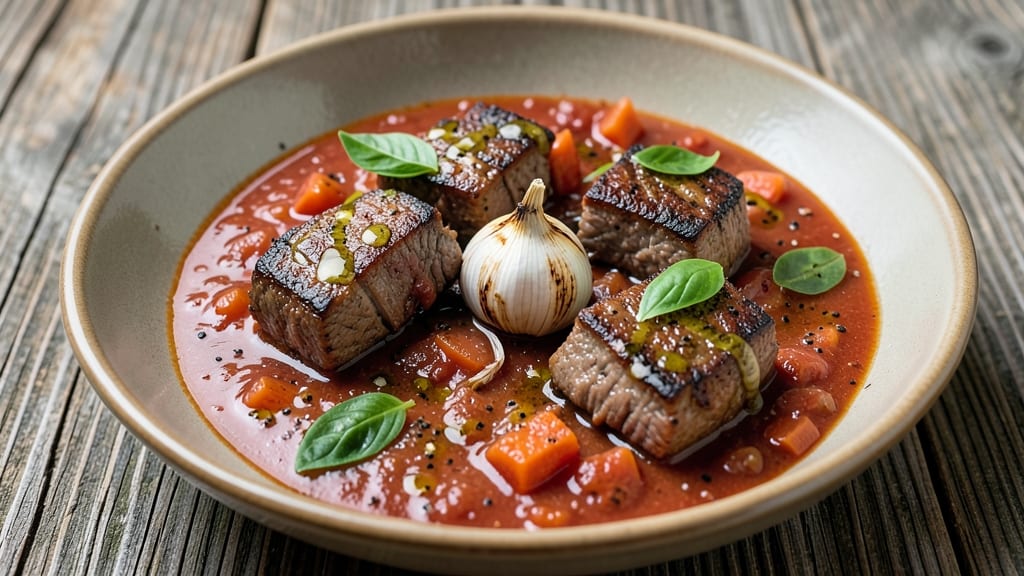
This authentic ragu sauce recipe transforms humble ingredients into a slow-simmered masterpiece that captures the heart of Italian tradition. The key lies in patience—letting beef, tomatoes, and aromatics meld into a rich, velvety sauce with layers of umami depth.
I've perfected this method over years of testing, ensuring every spoonful delivers restaurant-quality flavor without shortcuts.
The process begins with browning beef chuck in a Dutch oven, where caramelized edges form the foundation of flavor. Deglazing with red wine unlocks those browned bits, while tomatoes and herbs infuse the sauce with acidity and aroma.
Simmering for hours develops a texture that's neither too thick nor too thin—just right for clinging to pasta or meat.
What you'll end up with is a sauce so deeply flavorful it transforms simple meals into something extraordinary. The beef becomes tender enough to shred, while the tomatoes reduce into a concentrated, jammy consistency. This isn't just a sauce—it's a labor of love that elevates any dish it touches.
While traditional recipes call for beef, you can adapt this with pork or mushrooms for variation. The beauty of ragu lies in its flexibility—adjust seasoning to taste and let it rest overnight for even deeper flavor. Ready to create something truly special?
Ingredients for authentic ragu sauce
Humble ingredients, slow cooking, restaurant-quality ragu in one pot.
| Ingredient | Amount | Notes |
|---|---|---|
| Beef Chuck Roast 🥩 | 2 lb | Cut into 1-inch cubes, trimmed of fat |
| Red Wine 🍷 | 1 cup | Bold dry variety like Cabernet Sauvignon |
| San Marzano Tomato Paste 🍅 | ½ cup | High quality, no sugar added |
| Crushed Tomatoes 🍅 | 2 cups | San Marzano preferred, no added salt |
| Garlic Cloves 🧄 | 6 cloves | Peeled, lightly crushed |
| Carrots 🥕 | 2 whole | Peeled, cut into chunks |
| Celery Stalks 🥬 | 2 whole | Trimmed, cut into pieces |
| Onion 🧅 | 1 whole | Yellow or red, chopped |
| Fresh Rosemary 🌿 | ¼ cup | Chopped, stems removed |
| Fresh Thyme 🌿 | 1 tbsp | Leaves only, stems removed |
| Extra-Virgin Olive Oil 🫒 | ¼ cup | High quality, fruity variety |
| Beef Broth 💧 | 2 cups | Homemade or high-quality store-bought |
| Diamond Crystal Kosher Salt 🧂 | 1 ½ tsp | Adjust to taste |
| Freshly Ground Black Pepper 🌶️ | ½ tsp | Freshly cracked preferred |
The beef is non-negotiable—chuck roast has the perfect fat-to-meat ratio for rich flavor. Grab it from the butcher counter if possible, or the pre-cubed section at Whole Foods saves time. Look for bright red meat with good marbling, not gray or dry. The San Marzano tomatoes are worth the splurge—they're sweeter and more consistent than regular crushed tomatoes. I always buy a few cans from Trader Joe's and freeze extras. For the wine, any bold, dry red works—Cab Sauv, Merlot, whatever's open. The tomato paste should be thick and smooth, not watery or grainy.
No red wine? Beef broth with a splash of balsamic vinegar mimics the depth. Fresh herbs if you've got them, dried if you don't—just halve the amount. The carrots and celery can be swapped for fennel or zucchini if that's what's in season. For extra umami, add a 1 tbsp of soy sauce or a splash of Worcestershire. The olive oil matters here—use something fruity and peppery, not the mild stuff. If your broth is salted, reduce the kosher salt by half. And trust me, the extra 30 minutes simmering makes all the difference.
This sauce gets better with time—plan to simmer for at least 3 hours, longer if you can. Store in airtight containers in the fridge for up to 5 days, or freeze for up to 3 months. I portion mine into ziplock bags, squeezing out excess air, then label with dates. When reheating, add a splash of broth or water to prevent thickening. Leftovers? Toss with pasta, polenta, or even mashed potatoes for an instant upgrade.
Why You'll Love This Recipe
- Slow-Simmer Magic: The beef chuck roast practically melts into tender, fork-shreddable perfection while you sip wine and scroll through your phone. No fancy techniques—just a pot, low heat, and time doing its thing.
- Wine-Infused Depth: That splash of red wine? It’s not just for flavor—it deglazes the pan into a rich, velvety base that turns your sauce from good to oh-my-god-why-didn’t-I-make-this-sooner. The San Marzano paste and crushed tomatoes build layers of sweetness and acidity that balance like a dream.
- Leftovers That Shine: This sauce only gets better after a day or two in the fridge—deepens, intensifies, and becomes my go-to for lazy weeknight dinners. Freeze half for when you’re too tired to cook, or reheat it with a splash of water for that restaurant-quality texture.
- Budget Feeds Crowds: A single chuck roast stretches to feed six, and the ingredients won’t break the bank. Between us, this is the kind of meal where you’ll hear "Can I have seconds?" from everyone at the table—without you feeling like you overpaid for it.
Step-by-step instructions for slow-simmered ragu sauce
This is how you build depth—layer by layer, hour by hour, until every bite sings with umami.
Sear the Beef Chuck Roast for Maximum Flavor
Heat the 0.25 cup extra-virgin olive oil in a heavy Dutch oven over medium-high heat until shimmering. Working in batches if needed, add the 2 lb beef chuck roast cut into 1-inch cubes—don't overcrowd the pan. Let each piece sear undisturbed for 3-4 minutes until deeply browned on all sides. This step is non-negotiable; those caramelized crusts dissolve into the sauce, carrying rich, meaty flavor.
As the beef browns, remove it to a plate and set aside. The goal here is to develop a deep, toasty base that will infuse the entire ragù. If the oil starts smoking before all the beef is seared, reduce the heat slightly—you want color, not char. Once all the beef is browned, you're ready for the aromatic vegetables that will form the sauce's foundation.
Build the Sofritto Base with Vegetables and Aromatics
In the same Dutch oven, add the 1 whole onion (chopped), 2 whole carrots (cut into chunks), and 2 whole celery stalks (cut into pieces). Cook over medium heat for 8-10 minutes, stirring occasionally, until the vegetables soften and the onion becomes translucent. This is the classic soffritto—the holy trinity of Italian ragù—that provides sweetness and structure.
Next, add the 6 cloves garlic cloves (lightly crushed) and cook for 1 minute until fragrant—don't let them brown, or they'll turn bitter. Stir in the 0.25 cup fresh rosemary (chopped) and 1 tbsp fresh thyme (leaves only) and cook for another 30 seconds to release their essential oils. The herbs should perfume the pot deeply, but not overpower the meaty flavors. This is where the sauce's complexity begins to develop.
Deglaze and Incorporate Liquids for Depth
Pour in the 1 cup red wine and scrape up all the browned bits from the bottom of the pot with a wooden spoon. This deglazing step captures all the meaty, caramelized flavors that would otherwise stick to the pan. Let the wine simmer for 5-7 minutes until reduced by half, allowing the alcohol to cook off and the wine's acidity to mellow. You'll see the liquid darken and intensify—this is the moment the sauce starts taking shape.
Stir in the 0.5 cup San Marzano tomato paste and cook for 2 minutes to toast it slightly. This step deepens the tomato flavor and removes its raw, metallic edge. Then, add the 2 cups crushed tomatoes and 2 cups beef broth, scraping up any remaining browned bits. The sauce should now be a rich, thick purée. Bring to a gentle simmer, then return the seared beef to the pot.
Slow-Simmer for Umami Development
Cover the Dutch oven and transfer it to a 300°F oven (or simmer on the stovetop over low heat). Let the ragù cook for 2.5-3 hours, stirring occasionally, until the beef is fork-tender and the sauce has thickened into a glossy, velvety consistency. This is where patience pays off—the long, slow cook time breaks down the collagen in the beef, transforming it into gelatin that thickens the sauce and adds silky texture.
Here's the thing—don't rush this step. The sauce should reduce gradually, developing a deep, concentrated flavor. If it looks too thin after 2 hours, uncover and simmer on the stovetop for another 30-45 minutes to thicken. The final sauce should coat the back of a spoon and cling to the beef like a second skin. Taste and adjust seasoning with the 1.5 tsp Diamond Crystal kosher salt and 0.5 tsp freshly ground black pepper—the salt should enhance, not overwhelm, the natural umami.
Rest and Finish for Perfect Texture
Once the beef is tender and the sauce has thickened to your liking, remove the ragù from heat and let it rest for 15 minutes. This resting period allows the flavors to meld and the sauce to set slightly, ensuring it holds its shape when served. Skim off any excess fat if needed—while fat adds richness, too much can make the sauce greasy.
For an extra layer of depth, stir in a splash of the red wine or beef broth if the sauce is too thick. The ragù should be rich, meaty, and balanced—sweet from the tomatoes, savory from the beef, and aromatic from the herbs. Serve it over al dente pasta or alongside creamy polenta, letting the sauce cling to every strand. The result? A ragù so authentic, it tastes like it's been simmering in a Nonna's kitchen for days.
Pro Tips For Making Authentic Ragu Sauce
- SEAR THE MEAT FIRST: DESCRIPTION:
- USE HALF THE GARLIC: DESCRIPTION:
- DEGLAZE WITH WINE, THEN WAIT: DESCRIPTION:
- TOMMY’S PASTE FIRST: DESCRIPTION:
Dietary considerations for this dish
Gluten-Free Adaptation
Traditional ragu relies on tomato paste and broth, both naturally gluten-free, but always check labels—some brands add wheat fillers. For extra thickness, replace the 0.5 cup tomato paste with 1 tbsp cornstarch or arrowroot powder mixed with 2 tbsp water to create a slurry.
Stir this into the simmering sauce during the final 30 minutes of cooking to avoid clumping. The sauce will still be rich and velvety without gluten. 🌾
Dairy-Free Considerations
Authentic ragu doesn’t contain dairy, but if you’re serving it with cheese (like parmesan), opt for aged varieties that are naturally dairy-free. For a creamy finish, stir in 2 tbsp nutritional yeast during the last 10 minutes of simmering—it adds a cheesy, umami depth without lactose.
Avoid heavy cream or butter, as they can make the sauce too rich and break the traditional balance. 🧀
Vegetarian Options
Swap the beef for mushrooms (cremini or portobello) or lentils for protein. Sauté 1 lb mushrooms in the same way as the beef, then proceed with the recipe. For lentils, use 1 cup brown or green lentils, cooked separately and added back during the final 30 minutes of simmering.
Boost umami with 1 tbsp soy sauce or 1 tsp miso paste—just don’t overdo it, or the sauce will taste overly salty. 🍄
Low-Carb Modifications
Skip the pasta and serve the ragu over cauliflower rice or zucchini noodles for a low-carb twist. To thicken the sauce further, reduce the beef broth by ½ cup and add 1 tbsp xanthan gum (if avoiding gluten) or 1 tbsp cornstarch mixed with water.
The sauce will still cling beautifully to low-carb bases while keeping its rich, meaty texture. 🥦
Allergen-Friendly Swaps
For nut allergies, avoid any garnishes like pine nuts—stick to fresh herbs or a sprinkle of toasted pumpkin seeds for crunch. If celery is a trigger, replace it with fennel or extra carrot for sweetness.
Always double-check spice blends for hidden allergens, and use a dedicated pot or utensils if cross-contamination is a concern. Safety first! 🚫
Protein Alternatives
Pork lovers can substitute 2 lbs pork shoulder for beef, adjusting cook time to 2 hours (pork cooks faster). For a seafood ragu, use 1 lb shrimp or mussels, adding them only in the final 15 minutes to avoid overcooking.
The key is balancing the protein’s cook time with the sauce’s simmer—never let the seafood sit too long in the acidic tomato base. 🦐
Nutrition facts
Frequently asked questions
Why does authentic ragù need such a long cooking time?
The slow simmer is essential for breaking down collagen in the beef, creating a silky texture and deep flavor. This process transforms tough cuts into tender, melt-in-your-mouth pieces while concentrating the sauce's richness. Rushing it results in a thin, watery sauce with chewy meat—patience is key for that restaurant-quality depth.
Can I make ragù in a slow cooker instead of the oven?
Use the same ingredients and searing method, then transfer everything to a slow cooker. Cook on low for 6-8 hours or high for 4-5 hours, stirring occasionally. The slow cooker maintains gentle heat, but you may need to add ½ cup broth if it gets too thick. Just avoid lifting the lid often to prevent heat loss.
What's the best way to store leftover ragù?
Let it cool completely, then transfer to airtight containers with a thin layer of olive oil on top to preserve freshness. It keeps in the fridge for 5 days or freezes for 3 months. When reheating, add a splash of broth or water to prevent thickening. Pro tip: Portion into ziplock bags to save space!
How do I fix ragù that's too thick or too thin?
For thick sauce: Thin with warm broth or water, 1 tbsp at a time, stirring constantly. For thin sauce: Simmer uncovered for 10-15 minutes to reduce, or stir in 1 tbsp tomato paste to bind it. Avoid adding flour—it can make the sauce taste pasty instead of velvety.
Can I use ground beef instead of cubed chuck roast?
While possible, cubed chuck roast is traditional because it develops more flavor and texture during slow cooking. Ground beef will make the sauce faster but may result in a mushier texture. If using it, brown it well first and reduce the cook time to 1.5-2 hours to avoid drying out.