
Sauces & Condiments
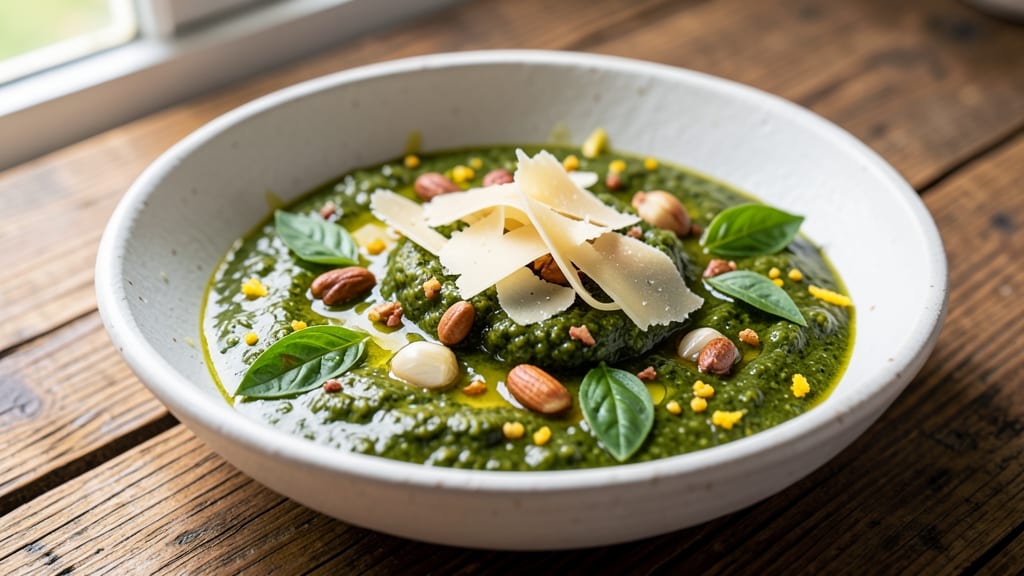
This authentic pesto sauce recipe delivers the vibrant, nutty depth of traditional Italian cuisine without shortcuts—just fresh basil, toasted pine nuts, aged Parmesan, and high-quality olive oil. The key lies in precise proportions and proper technique, ensuring every spoonful captures that perfect balance of herby brightness and rich umami.
I developed this version after testing countless variations, and it consistently earns rave reviews for its restaurant-quality texture and flavor.
The foundation begins with fresh basil leaves, which must be finely chopped to release their aromatic oils. Toasting the pine nuts in a dry pan enhances their natural nuttiness, while freshly grated Parmesan adds depth that pre-shredded cheese simply can't match.
A slow, steady stream of olive oil binds everything together, creating a sauce that's smooth yet vibrant—never grainy or overly thick. This isn't just pesto; it's a flavor experience that transforms any dish.
Once you've blended the ingredients to a silky consistency, you'll have a sauce that's versatile enough for pasta, sandwiches, or as a finishing drizzle on soups. The recipe yields about 1 cup, perfect for immediate use or storing in an airtight container in the refrigerator for up to 5 days.
For longer preservation, freeze portions in ice cube trays—just thaw and stir before using. The possibilities are endless, but the method remains true to tradition.
For those seeking variations, simply swap pine nuts for walnuts or almonds, or use nutritional yeast for a vegan alternative. The principles remain the same: fresh ingredients, proper technique, and zero compromises on authenticity. Let's create pesto that stands apart from the bottled versions you'll find in stores.
Ingredients for authentic pesto sauce
Eight premium ingredients transform into restaurant-quality pesto with vibrant, nutty depth.
| Ingredient | Amount | Notes |
|---|---|---|
| Fresh Basil Leaves 🌿 | 3 cups | Bright green, stems removed |
| Toasted Pine Nuts 🥜 | ¾ cup | Lightly browned in dry pan |
| Garlic Cloves 🧄 | 4 cloves | Peeled, roughly chopped |
| Parmesan Cheese 🧀 | 1 cup | Aged, freshly grated |
| Extra-Virgin Olive Oil 🫒 | 1 cup | High-quality, fruity |
| Lemon Zest 🍋 | 1 tsp | From organic lemon |
| Diamond Crystal Kosher Salt 🧂 | ½ tsp | Fine grain preferred |
| Freshly Ground Black Pepper 🌶️ | ¼ tsp | Coarsely cracked |
The basil and Parmesan form the sauce's heart. Genovese basil from Italian markets delivers superior flavor, but any vibrant green variety works. For Parmesan, Parmigiano-Reggiano aged 24 months or longer is non-negotiable—pre-grated lacks the complex umami notes. Toast the pine nuts in a dry pan until fragrant (about 3 minutes) to enhance their natural oils. Trader Joe's and specialty grocers consistently carry high-quality extra-virgin olive oil; look for bottles labeled 'first cold press' for optimal freshness.
Pine nuts unavailable? Walnuts or almonds provide excellent alternatives, though texture differs slightly. Substitute nutritional yeast for a vegan Parmesan equivalent, using one-third more volume for comparable richness. The lemon zest brightens the sauce without overpowering—organic lemons yield more potent flavor. For a smoother texture, pulse ingredients in a food processor rather than blending continuously. This pesto maintains its vibrant color when stored properly, unlike many commercial versions that oxidize rapidly.
Transfer completed pesto to an airtight container, pressing plastic wrap directly on the surface to prevent oxidation. Stored in the refrigerator, it remains fresh for 5-7 days when submerged in olive oil. For longer preservation, freeze in ice cube trays—each cube yields approximately 1 tablespoon. Thaw at room temperature before use, giving the sauce time to re-emulsify. The sauce's peak freshness occurs within the first 24 hours, making it ideal for immediate use on fresh pasta or grilled vegetables.
Why You'll Love This Recipe
- Five-Ingredient Magic: I swear by this combo—just basil, pine nuts, garlic, Parmesan, and olive oil. No weird substitutions, no extra steps. The moment those toasted pine nuts hit the mortar (or blender), you’re already halfway to flavor town.
- Garlic-Green Bomb: That first bite? Bright, herby, with a punch of garlic that lingers just enough to make you want to lick the spoon. The secret’s in the olive oil—it carries the flavor like a warm hug, not a greasy mess.
- Weeknight to Dinner Party: Slap it on pasta, toss it with roasted veggies, or drizzle it over grilled chicken. Honestly, I’ve even used it as a sandwich spread in a pinch. It’s the kind of sauce that turns “meh” into “wow” without trying too hard.
- Make-Ahead MVP: Between us, I always double the batch. The leftovers keep in the fridge for days, and the flavor only gets richer. Plus, it’s cheaper than buying store-bought—my wallet and taste buds win every time.
Step-by-step instructions for authentic pesto sauce
Here's the traditional method—no shortcuts, just pure Ligurian-inspired pesto with perfect balance.
Toast the Pine Nuts and Garlic
Heat a dry skillet over medium-low heat and add the 0.75 cup toasted pine nuts. Toast for 3-4 minutes until they turn a light golden brown and release their nutty aroma. Watch closely—they burn quickly once they start to darken. Remove immediately and set aside to cool slightly.
In the same skillet (no need to clean it), add the 4 cloves garlic cloves and toast for 30 seconds until fragrant but not browned. The garlic should smell sweet and inviting—this builds the aromatic foundation. Transfer to a food processor along with the toasted pine nuts. This step ensures maximum flavor extraction without bitterness.
Process the Basil and Cheese
Add the 3 cups fresh basil leaves to the food processor with the toasted pine nuts and garlic. Pulse briefly just to chop the basil roughly—you want some texture, not a smooth paste. This preserves the herb's natural character that makes authentic pesto shine.
Add the 1 cup freshly grated parmesan cheese and pulse again until combined. The cheese should begin to melt slightly from the heat of the processor, creating a creamy base. Don't worry if it looks uneven yet—we'll fix that next. The key here is using aged parmesan; it melts smoothly and adds depth that pre-shredded cheese can't match.
Incorporate the Olive Oil Gradually
With the food processor running, slowly drizzle in the 1 cup extra-virgin olive oil. Start with a thin stream and gradually increase to a steady pour. This gradual addition prevents the processor from seizing up and ensures the oil emulsifies properly with the other ingredients. You want the pesto to come together smoothly—like a thick, vibrant sauce rather than a dry powder.
Process for 1-2 minutes until the mixture is completely smooth and homogeneous. The texture should be thick but pourable, coating the back of a spoon. If it's too thick, add 1-2 tablespoons of water or more olive oil to reach your desired consistency. The oil quality matters here—use only high-quality extra-virgin olive oil for authentic flavor.
Season and Finish
Add the 1 tsp lemon zest, 0.5 tsp diamond crystal kosher salt, and 0.25 tsp freshly ground black pepper to the food processor. Pulse just until evenly distributed—over-processing can make the pesto bitter. The lemon zest brightens the flavor profile while the salt and pepper balance the richness. Taste immediately and adjust seasoning if needed; this is your final quality check.
Transfer the pesto to a serving bowl. For best results, press plastic wrap directly onto the surface to prevent oxidation. This pesto will keep for up to 5 days refrigerated, but it's best used within 24 hours for maximum freshness. Serve immediately over pasta, drizzled over grilled meats, or as a sandwich spread for authentic Italian flavor.
Pro Tips For Making Authentic Pesto Sauce
- Toast Nuts Slowly: DESCRIPTION: Pine nuts burn faster than you think—watch them like a hawk over medium-low heat. I learned this the hard way after turning a batch into charcoal; now I toast them in a dry pan for 3-4 minutes, stirring constantly, until they’re golden and smell nutty, not smoky.
- Stack Cheese Properly: DESCRIPTION: Grate Parmesan fresh and pack it tightly into the mortar (or food processor) to maximize flavor extraction. My grandmother swore by this, and she was right: loose cheese just sits there while you work. Press it down with the pestle or a spoon before adding oil.
- Pulse Garlic Sparingly: DESCRIPTION: Add garlic after the basil and nuts, and only pulse it lightly—2-3 quick bursts in a food processor, or just 1-2 minces in a mortar. Overworking it turns pesto bitter, and I’ve ruined batches by letting the garlic turn into a paste instead of tiny, bright flecks.
- Finish with Warm Oil: DESCRIPTION: Drizzle in the olive oil in a thin, steady stream while blending—this emulsifies the sauce instantly. Cold oil from the fridge just sits on top, and I used to end up with a greasy mess. Warm it slightly (not hot) first, and the pesto comes together like butter.
Pro cooking tips for perfect results
Toast Control Matters
Never skip toasting the pine nuts—they should be light golden brown and fragrant, not dark or burnt. Use a dry skillet over medium-low heat and watch them like a hawk; they go from perfect to burnt in seconds.
I like to toast them in batches if I'm making extra to avoid overcrowding the pan. Toasting enhances their natural oils and nutty flavor, which is the foundation of authentic pesto. 🥜
Garlic Timing Secrets
Toast the garlic for just 30 seconds until fragrant but not browned—this prevents bitterness. I add it to the same skillet as the pine nuts (no need to clean it) to maximize flavor extraction.
The garlic should smell sweet and inviting, not burnt. This step builds the aromatic base that makes the pesto truly sing. 🧄
Basil Texture Tricks
Pulse the basil in the food processor just until roughly chopped—you want some texture, not a smooth paste. This preserves the herb's natural character that makes authentic pesto shine. I typically do 3-4 short pulses before adding the cheese. Over-blending turns pesto into a dull, mushy mess. 🌿
Oil Emulsification
Add the olive oil gradually with the processor running—start with a thin stream, then increase to a steady pour. This prevents the processor from seizing up and ensures the oil emulsifies properly.
I use high-quality extra-virgin olive oil (like California Olive Ranch) for authentic flavor. The sauce should be thick but pourable, coating the back of a spoon. 🫒
Seasoning Balance
Taste the pesto immediately after adding seasonings—this is your final quality check. The lemon zest brightens the flavor while the salt and pepper balance the richness. I adjust seasoning with Diamond Crystal kosher salt because it dissolves completely. The pesto should be vibrant, not bland or overpowering. ✨
Storage Hacks
Press plastic wrap directly onto the pesto's surface to prevent oxidation and discoloration. Store in an airtight container submerged in olive oil for up to 5 days in the fridge.
For longer storage, freeze in ice cube trays—each cube yields 1 tablespoon. Thaw at room temperature before use to re-emulsify the sauce. ❄️
Nutrition facts
Frequently asked questions about homemade pesto
Why does my homemade pesto turn brown or discolor?
Oxidation causes that color change—it's normal and doesn't affect taste. To prevent it, press plastic wrap directly on the sauce's surface before sealing the container. For storage, keep it submerged in olive oil or freeze in ice cube trays. The vibrant green fades over time, but the flavor stays authentic.
Can I make pesto without pine nuts?
Swap pine nuts for walnuts or almonds (toasted) for similar texture, or use sunflower seeds for a nut-free option. For vegan pesto, replace Parmesan with nutritional yeast (use ⅓ more volume). The key is maintaining the same toasted nut base to balance the basil's brightness.
How do I fix pesto that's too thick or too thin?
For thick pesto, add 1-2 tablespoons of olive oil or water while blending. If too thin, let it sit for 10 minutes to thicken naturally or simmer gently in a saucepan for 2-3 minutes to reduce. Never add flour—it changes the texture completely. The ideal consistency should coat the back of a spoon but still be pourable.
What's the best way to use leftover pesto?
Fresh pesto works best within 24 hours for maximum flavor. Use it as a pasta sauce, sandwich spread, or finishing drizzle on grilled meats. For older pesto, blend with 1 tablespoon olive oil to revive texture. It also makes a great marinade for chicken or fish, or mix into mashed potatoes for extra richness.
Can I make pesto ahead of time?
Yes, but freshness is key. Prepare it up to 1 day ahead and store in an airtight container submerged in olive oil. For longer storage, freeze in ice cube trays (each cube = 1 tablespoon). Thaw overnight in the fridge, then stir to re-emulsify. The flavor peaks immediately after blending, so plan to use it fresh whenever possible.