
Sauces & Condiments
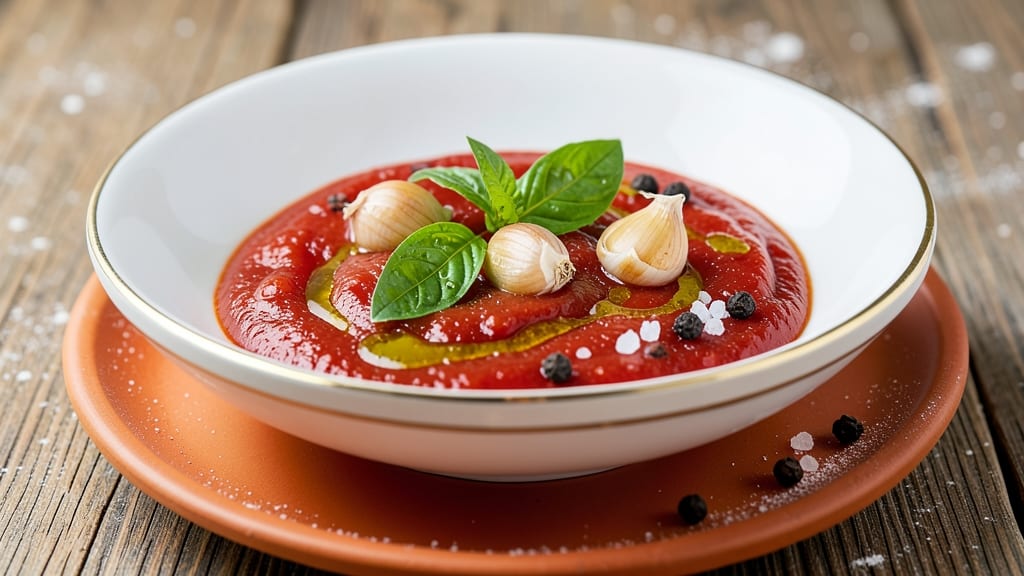
This authentic Napoletana sauce recipe brings the sun-drenched flavors of Naples to your kitchen with just five simple ingredients. 🌿 The secret? Slow-simmering fresh tomatoes with garlic and olive oil until they break down into a velvety, aromatic sauce that's the heart of any Italian meal.
I first made this after a trip to Naples, where I learned that patience is key—rushing the process ruins the depth of flavor.
What makes this sauce truly special is its simplicity and versatility. No fancy techniques here—just a pot, a stove, and about 45 minutes of hands-off time. The garlic infuses the tomatoes with a subtle sweetness, while the olive oil keeps everything rich and balanced.
Unlike many store-bought sauces, this one tastes like it came from a nonna's kitchen, with none of the artificial aftertaste.
By the end, you'll have a deep red, fragrant sauce that's perfect for tossing with pasta, drizzling over bruschetta, or pairing with grilled meats. The best part?
It tastes even better the next day as the flavors meld together. This isn't just a sauce—it's a flavor experience that transforms ordinary meals into something extraordinary.
Make a big batch and store it in the fridge for up to a week, or freeze it for months. The possibilities are endless—whether you're making a quick weeknight dinner or prepping for a family gathering. Let's get cooking!
Ingredients for authentic napoletana sauce
Five sun-ripened ingredients transform into Naples' velvety tomato masterpiece.
| Ingredient | Amount | Notes |
|---|---|---|
| Fresh San Marzano Tomatoes 🍅 | 2 ½ lbs | Crushed by hand for authenticity |
| Extra-Virgin Olive Oil 🫒 | ½ cup | High-quality, fruity variety |
| Garlic Cloves 🧄 | 6 cloves | Thinly sliced, not minced |
| Fresh Basil Leaves 🌿 | ½ cup | Packed, stems removed |
| Sea Salt 🧂 | 1 ½ tsp | Diamond Crystal preferred |
| Black Pepper 🌶️ | ½ tsp | Freshly ground for aroma |
| Red Wine Vinegar 🍷 | 1 tbsp | Balances acidity naturally |
| Sugar 🍬 | 1 tsp | Optional, for subtle sweetness |
San Marzano tomatoes are non-negotiable here—their sweet, meaty flesh is what gives this sauce its legendary depth. Whole Foods and Trader Joe's carry them year-round, but if you can't find them, any vine-ripened heirloom tomatoes work in a pinch. The key is crushing them by hand (no food processor)—this breaks down the skins and releases their juices slowly. For olive oil, splurge on Colavita or Bertolli—their extra-virgin varieties have that peppery kick that elevates everything. The garlic? Fresh is a must—dried powder won't cut it. Look for plump, firm cloves with no green shoots sprouting.
No San Marzano tomatoes? Roma tomatoes work beautifully—just seed and crush them thoroughly. Running short on fresh basil? Dried basil at one-third the amount gets you close, though it lacks that bright, fresh aroma. The red wine vinegar can be swapped for lemon juice at double the amount, but it'll taste slightly different. Want to skip the sugar? Add an extra San Marzano tomato—their natural sweetness balances the acidity. For the garlic, if you're not a fan of raw flavor, lightly toast the slices in olive oil first—it mellows the bite while adding nutty depth. The black pepper should be freshly cracked; pre-ground loses its aroma quickly.
This sauce tastes better with time—3-4 days in the fridge lets the flavors meld perfectly. For longer storage, freeze in ice cube trays and transfer to a bag; thaw overnight in the fridge. The basil wilts fast, so store it in a jar of water like flowers, covered with a plastic bag. If you make a big batch, portion it into containers—one for pasta, one for bruschetta, one for freezing. The sauce keeps its vibrant color and depth for up to 3 months frozen. Trust me, the first time you pull this from the freezer and it still smells like a Naples kitchen, you'll be hooked.
Why You'll Love This Recipe
- No Chopping Needed: I swear by this—just crush those garlic cloves, toss in whole basil leaves, and let the San Marzano tomatoes do the work. The sauce builds itself while you sip your wine and pretend you’re not actually cooking.
- Sunshine in a Jar: That first taste of sweet, juicy tomatoes simmered with olive oil and just a whisper of garlic? It’s the kind of bright, happy flavor that makes you forget about sad salads. The basil finishes it with a freshness that feels like summer in every bite.
- Pasta’s Best Friend: Slap it on spaghetti for a weeknight win, but don’t stop there—toss it with crusty bread, drizzle it over grilled fish, or even use it as a marinade. It’s the one sauce that works everywhere without trying too hard.
- Lasts All Week: Between us, I make a big batch on Sundays and it’s still ridiculously good by Thursday. The olive oil keeps it rich, the tomatoes hold up, and honestly? Fewer pots to wash means more time for actual living. (Win.)
Step-by-step instructions for authentic Napoletana sauce
Here's how to craft a sauce that tastes like it came straight from Naples.
🍳 Step 1: Crush the San Marzano Tomatoes by Hand
Take the 2.5 lbs of fresh San Marzano tomatoes and give each one a firm squeeze over a large bowl. The goal is to crush them—not puree them—so you'll want to use your fingers to gently press out the flesh while keeping some texture. I like to hold the tomatoes over the bowl and apply steady pressure until the skin splits and the juicy pulp falls into the bowl.
Reserve the skins in the bowl—they'll add depth of flavor as they break down during simmering. You should end up with about 3 cups of crushed tomatoes and juices. This manual method preserves the natural sweetness and acidity that makes San Marzano tomatoes special. If you're impatient, a potato masher works too, but you'll lose some of that authentic texture.
🔥 Step 2: Sauté the Garlic in Olive Oil
Heat the 0.5 cup extra-virgin olive oil in a heavy-bottomed saucepan over medium-low heat. Add the 6 thinly sliced garlic cloves and cook them gently for 2-3 minutes until they're just golden around the edges. This is where the magic happens—you want the garlic to perfume the oil without burning, which would make the sauce taste bitter.
Watch the garlic closely. It's ready when it smells intensely aromatic and the edges turn pale gold. If the oil starts to bubble vigorously, reduce the heat immediately. The key here is patience; rushed garlic equals burned garlic. Once the garlic is golden, remove the pan from heat and let it cool slightly for 1 minute—this prevents the garlic from cooking further when you add the tomatoes.
🥘 Step 3: Simmer the Tomatoes Low and Slow
Return the pan to medium heat and add the crushed tomatoes, including the skins. Stir in the 1.5 tsp sea salt, 0.5 tsp black pepper, and 1 tbsp red wine vinegar. Bring the mixture to a gentle simmer, then reduce the heat to maintain a steady, low bubble. Here's the thing—you want this sauce to simmer uncovered for 45-60 minutes, stirring occasionally to prevent sticking.
As it cooks, the skins will break down and the sauce will thicken naturally. You'll see the oil start to separate slightly on top—that's normal and actually desirable. Stir in the 1 tsp sugar now if you're using it, which helps balance the acidity of the tomatoes. The sauce is ready when it's reduced by about one-third and coats the back of a spoon smoothly. Taste it—it should be rich, slightly sweet, and deeply tomatoey with a bright acidity from the vinegar.
👨🍳 Step 4: Finish with Fresh Basil and Rest
Remove the pan from heat and let the sauce cool for 5 minutes. This resting period allows the flavors to meld and the sauce to thicken further. Then, add the 0.5 cup packed fresh basil leaves, stirring gently to incorporate. The basil should infuse the sauce with its bright, sweet aroma without overpowering the tomato flavor.
For the best results, let the sauce rest at room temperature for another 10 minutes before serving. This final resting period is crucial—it allows the flavors to fully develop and the sauce to reach its ideal consistency. The texture should be velvety with a slight sheen, and the aroma should be intoxicating. Serve this sauce immediately over al dente pasta or use it as a base for other Italian dishes. The longer it sits, the better it gets—just don't let it cool completely before serving.
Pro Tips For Making Authentic Napoletana Sauce
- CRUSH THE TOMATOES: Skip the blender—use your hands or a wooden spoon to break down whole San Marzano tomatoes in the pot. The texture stays chunkier, and you’ll catch those tiny seeds that add depth. (Yes, it’s messy, but it’s worth it.)
- SWEAT THE GARLIC LOW: Cook your garlic in olive oil over low heat until it’s golden, not brown. High heat burns it fast, and you’ll taste the bitterness. I’ve learned this the hard way—patience here makes all the difference.
- SALT IN LAYERS: Add half the salt with the tomatoes, then taste and adjust at the end. San Marzano tomatoes are already sweet and juicy, so you won’t need much. Over-salting early ruins the balance—trust the process.
- FINISH WITH COLD BASIL: Toss in fresh basil leaves off the heat—they wilt instantly and keep their bright flavor. Adding them early turns the sauce bitter. (And yes, even if you’re impatient like me, wait for the pot to cool slightly.)
Regional styles of this dish
Naples' Classic Version
In Naples, this sauce is traditionally made with just San Marzano tomatoes, garlic, olive oil, and salt—no basil or vinegar.
The secret lies in the slow simmering over low heat for at least 2 hours in a copper pot (if you have one), which enhances the sauce's natural sweetness. The Neapolitans call this salsa di pomodoro—simple, rustic, and deeply flavorful.
I’ve made it this way, and the difference is striking: the sauce develops a deeper, almost caramelized richness from the prolonged cooking. 🌿
Roman Adaptation
Rome takes the sauce in a slightly different direction by adding a splash of white wine (about 2 tbsp) when simmering the tomatoes. This creates a brighter, more acidic sauce that’s perfect for cacio e pepe or amatriciana.
The Romans also often finish with Pecorino Romano instead of basil, adding a sharp, salty contrast. For a Roman-style Napoletana, reduce the vinegar to ½ tbsp and add the wine after the initial simmer—just before the basil goes in. 🍷
Sicilian Twist
Sicily brings its signature boldness to this sauce with chili flakes (about ½ tsp) and a pinch of cinnamon (just ¼ tsp). The heat and spice make this version ideal for pasta alla Norma or as a marinara for grilled meats.
The cinnamon might sound unusual, but it pairs beautifully with the tomatoes, adding a subtle warmth. For authenticity, use dried Sicilian basil (which is more robust) and skip the fresh leaves. The sauce should have a fiery kick while still being balanced. 🌶️
Northern Italian Simplicity
Up north, the sauce is often thicker and more rustic, sometimes even cooked with a splash of broth (about ¼ cup) to deepen the flavor. The Northern Italians prefer less garlic (just 4 cloves) and often finish with a sprinkle of Parmesan instead of basil.
This version is perfect for risotto or polenta and has a heartier, almost jam-like texture. The key is to simmer it uncovered for 1 hour to let the flavors concentrate. 🥄
Modern Fusion Take
For a contemporary twist, some chefs add a handful of cherry tomatoes (about ½ cup, halved) at the end of simmering to keep the sauce vibrant and slightly chunky. Others incorporate a spoonful of tomato paste (about 1 tbsp) at the start to intensify the flavor.
You can also play with smoked paprika (just ¼ tsp) for a subtle smokiness that works well with grilled vegetables or roasted meats. The fusion approach lets you get creative while keeping the soul of the original intact. ✨
Nutrition facts
Frequently asked questions
Can I substitute San Marzano tomatoes with regular tomatoes?
You can use Roma tomatoes as the next best option—they hold their shape well when crushed. For regular vine-ripened tomatoes, remove seeds and crush thoroughly to mimic the texture. Avoid canned tomatoes unless they're high-quality crushed San Marzano; the acidity and sweetness won't be the same. The key is using ripe, flavorful tomatoes—never underripe or mealy ones.
Why does my sauce taste too acidic or bitter?
Acidity usually comes from overcooking or using unripe tomatoes. Balance it by adding ½ tsp sugar or a pinch of salt to reduce sharpness. For bitterness, check your garlic—burnt garlic makes sauce bitter. Always cook garlic gently until just golden, never brown. If the sauce tastes too strong, stir in 1 tbsp extra olive oil to mellow the flavors.
How do I make this sauce thicker or thinner?
For a thicker sauce, simmer uncovered for 10-15 extra minutes to reduce the liquid. If it's too thick, stir in 1-2 tbsp water or pasta water while simmering. For a thinner consistency, add ¼ cup broth or water and simmer gently. Remember: Napoletana sauce should coat the back of a spoon but still be pourable.
Can I make this sauce in a slow cooker?
Yes! Simmer all ingredients on low for 4-5 hours instead of 45 minutes. The slow cooker's gentle heat enhances the flavors beautifully. Just stir occasionally to prevent sticking. For best results, use a heavy-duty slow cooker and avoid overfilling it—leave at least 2 inches of space at the top for even cooking.
What's the best way to store leftovers?
Store in an airtight container in the fridge for up to 5-7 days. For longer storage, freeze in 1-cup portions—this makes it easy to thaw just what you need. Label containers with the date. When reheating, warm gently on the stove over low heat, stirring frequently. Never microwave directly from frozen to preserve texture.