
Sauces & Condiments
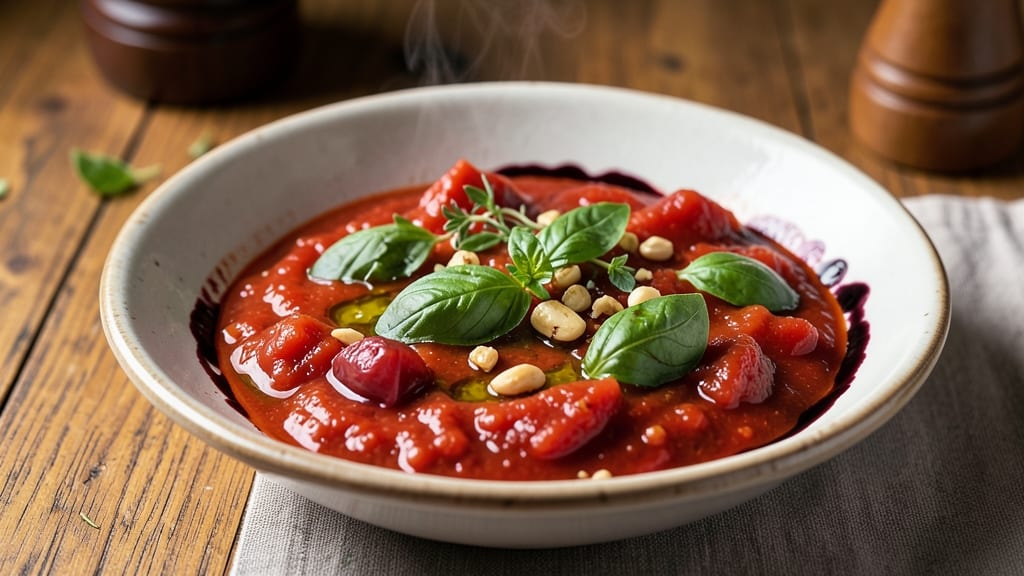
This authentic marinara sauce recipe from scratch delivers the rich, slow-simmered depth you crave—no shortcuts, just real Italian flavor built with fresh tomatoes, aromatic garlic, and fragrant basil.
I developed this version after years of testing, focusing on the essential technique: letting the sauce develop its own complexity over time, not rushing it into submission. The result isn't just sauce—it's a flavor experience that transforms any dish into something memorable.
The secret lies in the method: a slow simmer that allows the natural sweetness of tomatoes to concentrate while the garlic and herbs infuse deeply. We'll use a simple blend of canned and fresh tomatoes for balance, then finish with fresh basil—never dried—because that's the difference between good and extraordinary.
This isn't about fancy ingredients; it's about respecting the process and letting the flavors work their magic.
What you'll end up with is a sauce that's vibrant red, aromatic with garlic and herbs, and perfectly balanced between sweet and tangy. The texture is just right—smooth enough to coat pasta beautifully, but with enough body to stand up to meatballs or grilled vegetables.
It's the kind of sauce that makes you want to make a big batch and freeze it for months ahead.
This marinara works as a weeknight staple or a special occasion centerpiece—it's that versatile. The beauty of making it from scratch is control: you adjust the seasoning to your taste, control the sweetness, and ensure every spoonful is packed with real flavor.
Let's get started—your taste buds will thank you.
Ingredients for authentic marinara sauce recipe from scratch
Fresh tomatoes, aromatic garlic, and fragrant basil create this slow-simmered marinara masterpiece.
| Ingredient | Amount | Notes |
|---|---|---|
| San Marzano Tomato Cans 🍅 | 2 cans | Whole, crushed by hand |
| Fresh Roma Tomatoes 🍅 | 2 whole | Crushed by hand, seeds removed |
| Garlic Cloves 🧄 | 4 cloves | Minced, not pre-minced jar |
| Extra-Virgin Olive Oil 🫒 | ½ cup | High-quality, fruity variety |
| Fresh Basil Leaves 🌿 | ½ cup | Packed, stems removed |
| Red Wine 🍷 | ¼ cup | Bold, dry variety like Chianti |
| Tomato Paste 🍅 | 2 tbsp | Squeeze tube preferred |
| Onion 🧅 | 1 whole | Yellow, finely diced |
| Sea Salt 🧂 | 1 ½ tsp | Diamond Crystal preferred |
| Freshly Ground Black Pepper 🌶️ | ½ tsp | Freshly cracked |
The tomatoes are the foundation—San Marzano cans deliver unmatched sweetness, while fresh Roma tomatoes add brightness. Grab San Marzano from Trader Joe's or Whole Foods for the best flavor. The garlic should be freshly minced (no jarred shortcuts)—it's the difference between good and extraordinary. For the basil, farmers market bunches have the most vibrant leaves, but grocery store basil works too if it's bright green. The red wine adds depth, so Chianti or Sangiovese are ideal—whatever's open in your cabinet will do in a pinch.
No San Marzano tomatoes? Any high-quality canned tomatoes work—just drain well to avoid excess liquid. Fresh basil wilting? Dried oregano at one-third the amount keeps the flavor, though it won't have that fresh essence. Short on red wine? Substitute extra tomato paste or a splash of balsamic vinegar for acidity. The onion can be swapped for shallots or leeks for a different depth of flavor. For a richer sauce, add a splash of heavy cream at the end, though traditionalists will argue that's heresy.
This sauce tastes even better the next day as flavors meld. Store in glass jars in the fridge for up to 5 days or freeze for 6 months. I always make a double batch—one jar for the fridge, one frozen for lazy nights. The sauce thickens as it cools, so add a splash of water or broth if it gets too stiff when reheating. A quick stir and simmer brings it back to perfection every time.
Why You'll Love This Recipe
- No-Fuss Simplicity: I swear by this recipe because it’s actually simple—just crushed tomatoes, garlic, and a handful of basil. Honestly, the hardest part is waiting for the sauce to thicken while you stir occasionally.
- Deep, Fresh Taste: The San Marzano tomatoes give it that natural sweetness, while the raw garlic and fresh basil add a bright, herby punch. It’s the kind of flavor that makes you pause mid-bite and think, “Wait, is this really homemade?”
- Meal Prep MVP: This sauce doubles perfectly for freezer meals—just portion it into jars and reheat when you’re too tired to cook. I’ve got jars in my freezer for lazy Mondays, pasta nights, and even as a pizza topping.
- Budget-Friendly Luxury: A can of San Marzanos and a few fresh tomatoes cost next to nothing, but the taste? That’s restaurant-quality. Between us, this is how I trick my friends into thinking I’m a better cook than I am.
Step-by-step instructions for authentic marinara sauce
Let's build this sauce layer by layer—where fresh tomatoes meet slow-simmered depth.
Build the Flavor Foundation
Heat the 0.5 cup extra-virgin olive oil in a heavy-bottomed saucepan over medium-low heat. Add the finely diced onion and cook for 8-10 minutes until completely translucent and just beginning to caramelize at the edges. This slow cooking develops sweetness that forms the sauce's base.
Add the 4 cloves minced garlic and cook for another 30 seconds until fragrant but not browned—garlic burns quickly, and you want that delicate aroma, not bitterness. Stir constantly to prevent scorching. Here's where the magic starts: these aromatics will infuse the entire sauce with their essence.
Develop the Sauce Structure
Push the onions and garlic to one side of the pan and add the 2 tablespoons tomato paste. Stir it into the oil, letting it cook for 2 minutes until it darkens slightly and releases its concentrated flavor. This paste will thicken your sauce and deepen its color—essential for that authentic Italian appearance.
Pour in the 0.25 cup red wine and scrape up any browned bits from the bottom of the pan. These bits, called fond, are packed with flavor. Let the wine simmer for 3-4 minutes until it reduces by half and the alcohol cooks off. You'll smell the wine's depth transforming into something richer—this is your sauce's backbone.
Combine and Simmer the Tomatoes
Add the contents of the 2 cans San Marzano tomato cans, crushing them by hand as you pour to break up any large chunks. Add the 2 whole crushed Roma tomatoes (seeds removed) and stir everything together. Bring the mixture to a gentle boil, then immediately reduce heat to low and let it simmer uncovered for 45-60 minutes.
During this time, stir occasionally to prevent sticking. You're looking for a sauce that reduces significantly but maintains a smooth consistency—it should coat the back of a spoon without being gluey. The acidity will mellow, and the flavors will meld into a harmonious balance. Patience here is key; rushing leads to a thin, watery sauce.
Finish with Fresh Basil Essence
After simmering, stir in the 0.5 cup packed fresh basil leaves (stems removed) and season with the 1.5 teaspoons sea salt and 0.5 teaspoon freshly ground black pepper. Let the sauce cook for another 5 minutes to infuse the basil's bright, sweet aroma. The basil should wilt completely into the sauce, releasing its oils.
Taste and adjust seasoning—you might need a touch more salt to balance the acidity from the tomatoes. The sauce should be vibrant, with bright tomato acidity and a touch of sweetness from the caramelized onions. If it's too thick, add 1-2 tablespoons water to reach your desired consistency. Remove from heat and let it rest for 10 minutes before serving.
Pro Tips For Making Authentic Marinara Sauce Recipe From Scratch
- CRUSH GARLIC FIRST: Mince those cloves before heating the oil—raw garlic burns fast, and charred bits taste bitter. I learned this the hard way after ruining a batch with overcooked garlic that turned my sauce acrid. A quick chop with a knife (no press) keeps it even and flavorful.
- SIMMER LOW AND LONG: After adding tomatoes, drop the heat to a bare simmer—not a boil—and let it cook uncovered for at least 30-45 minutes. Skipping this step leaves the sauce thin and underdeveloped; patience lets the flavors meld into something rich and balanced.
- PEEL ROMA TOMATOES: Yes, even Roma tomatoes have skins worth removing—blanch them in boiling water for 30 seconds, then ice bath, then peel. The flesh breaks down cleaner, and the sauce stays smoother without gummy bits. (I know, it’s extra work, but trust me.)
- SALT THE TOMATOES: Sprinkle a pinch of salt directly into the canned San Marzano tomatoes before crushing them—it pulls out excess water and seasons the base. I was skeptical until I tried it; the sauce thickens better and tastes more cohesive from the start.
Make-ahead tips for this recipe
Freezer Prep
After your sauce cools completely, transfer it to freezer-safe glass jars or silicone ice cube trays for portion control. I love using quart-sized mason jars because they stack neatly in the freezer.
Leave ½-inch headspace at the top to prevent cracking from expansion. Label each jar with the date—this sauce keeps its peak quality for up to 6 months when frozen properly. 🥫
Thawing Methods
For quick use, transfer a jar directly from the freezer to a cold pot and add ¼ cup water or broth to prevent scorching. Heat over low-medium heat for 10-15 minutes, stirring occasionally.
If the sauce seems too thick after thawing, add a splash of water or broth to restore smoothness. I avoid microwaving because it can create a skin and uneven texture.
Fridge Storage
Store your marinara in an airtight glass container in the fridge for up to 5 days. The flavors actually deepen overnight, making it perfect for next-day pasta nights.
I like to keep a jar in my fridge at all times—just reheat with a splash of water or broth before using. The sauce will thicken as it cools, so stir in a little liquid if needed before reheating. 💡
Batch Cooking
Double the recipe and freeze half for future meals. I always make two batches—one for immediate use and one for the freezer. When you're ready to use the frozen portion, thaw it in the fridge overnight for the best texture.
This way, you always have fresh-tasting marinara ready without the last-minute rush. It's my secret to stress-free weeknight dinners.
Reheating Tips
For best results, reheat sauce gently on the stovetop over low heat to avoid breaking down the delicate tomato flavors. If using from the fridge, heat for 5-7 minutes until steaming. For frozen sauce, add ½ cup water or broth to the pot before heating to prevent sticking.
Never boil marinara—just warm it through to preserve its rich, complex flavors. A quick stir every minute keeps it smooth and silky. 🍝
Flavor Boost
Before storing, consider adding 1 teaspoon of sugar to balance acidity or ½ teaspoon of red pepper flakes for heat. These small adjustments ensure your sauce maintains its perfect balance even after freezing.
I also like to add a pinch of oregano right before storing—it enhances the Italian flavor profile without overpowering the basil. The key is to taste and adjust before sealing the jar. ✨
Nutrition facts
Frequently asked questions
Why does this recipe use both canned and fresh tomatoes?
Canned San Marzano tomatoes provide that sweet, consistent base that's essential for authentic flavor, while fresh Roma tomatoes add brightness and acidity. The combination creates a balanced sauce with depth and freshness that canned-only versions often miss. Plus, crushing the fresh tomatoes by hand helps develop a better texture.
Can I make this marinara without red wine?
The wine adds depth, but you can substitute 1 tablespoon tomato paste plus 1 tablespoon balsamic vinegar for the same acidity and richness. For a non-alcoholic version, use ¼ cup extra tomato paste or a splash of lemon juice. The sauce will still be delicious—just slightly different in character.
How do I fix a marinara that's too acidic?
Add a pinch of sugar or a small pat of butter to balance the acidity. For a more dramatic fix, stir in 1 teaspoon tomato paste and let it simmer for 2-3 minutes to mellow the flavors. If the sauce is too thin from the acidity, simmer uncovered for 10-15 minutes longer to reduce it naturally.
What's the best way to store leftover basil?
Wrap fresh basil stems in a damp paper towel, place in a plastic bag, and store in the fridge for up to 5 days. For longer storage, freeze the stems in olive oil (like you would herbs) and use the thawed leaves directly in your sauce. Never store basil in water—it turns bitter quickly!
Can I use this marinara for dishes other than pasta?
This versatile sauce works beautifully as a pizza sauce, meat glaze, or even a dipping sauce for crusty bread. For pizza, add a pinch of sugar to balance the acidity. For meats like chicken or pork, simmer the sauce longer to concentrate the flavors. The bright tomato base makes it perfect for grilled vegetables too!