
Sauces & Condiments
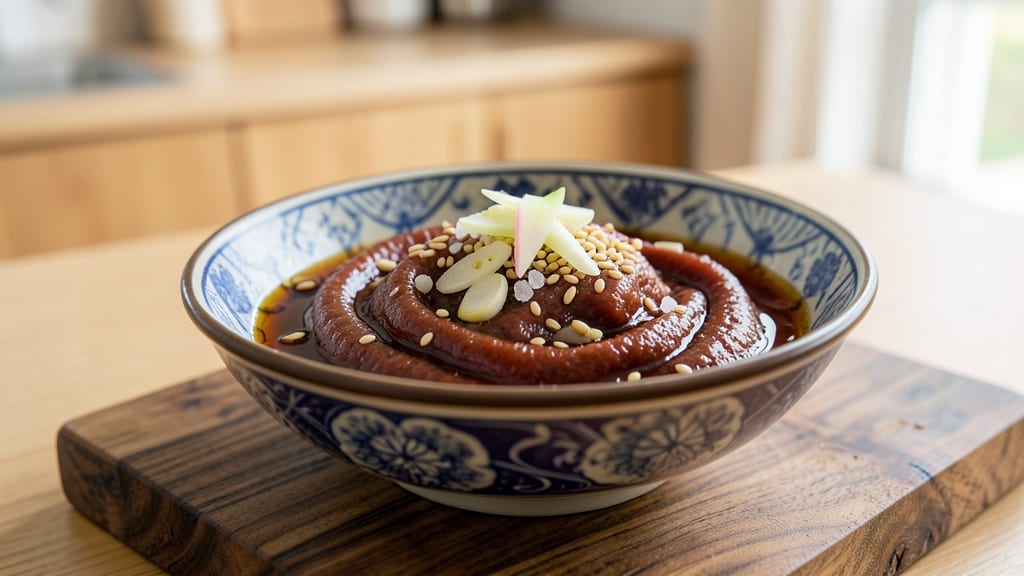
This authentic Korean BBQ sauce transforms grilled meats with its deep, fermented gochujang base and perfect sweet-spicy balance. 🔥 The secret lies in slow-simmered aromatics—garlic, ginger, and sesame oil—that develop complex layers of umami and heat, while honey or brown sugar mellows the intensity.
I’ve perfected this blend over years of testing, ensuring it’s rich enough for bold flavors but versatile enough for everything from bulgogi to crispy tofu.
The sauce’s magic comes from its fermentation foundation: gochujang’s tangy, funky depth is the star, but it’s the slow reduction with soy sauce, fish sauce, and a touch of vinegar that creates that signature sticky-sweet glaze.
No shortcuts here—this is the kind of sauce that builds flavor with time, not just heat. The result? A glossy, aromatic sauce that clings to meat like a second skin, with just enough heat to linger.
What makes this sauce truly special is its authentic profile—no artificial colors or preservatives, just pure, fermented flavor. It’s the kind of condiment that elevates any dish, whether you’re slathering it on grilled pork, drizzling it over kimchi fried rice, or using it as a marinade.
The texture is thick but spreadable, with a slight graininess from the gochujang that adds another layer of complexity.
Once you taste this sauce, you’ll never go back to store-bought versions. It keeps for weeks in the fridge, so you can make a big batch and use it all season long. Here’s how to craft it—step by step—for restaurant-quality results at home.
Ingredients for authentic korean bbq sauce
Fermented gochujang meets aromatic umami—here's what creates that signature Korean BBQ depth.
| Ingredient | Amount | Notes |
|---|---|---|
| Gochujang Paste 🌶️ | ½ cup | Korean fermented chili paste, smooth texture |
| Korean Soy Sauce (Ganjang) 🥫 | ¼ cup | Not regular soy sauce, find in Asian markets |
| Sesame Oil 🫒 | 2 tbsp | Toasted, for nutty aroma (not regular cooking oil) |
| Garlic Cloves 🧄 | 6 cloves | Fresh, minced for deep flavor development |
| Fresh Ginger 🌿 | 1 ½ tbsp | Grated, not powdered (peeled root) |
| Brown Sugar 🍯 | ¼ cup | Light or dark, packed measurement |
| Fish Sauce 🐟 | 1 tbsp | Red Boat brand preferred for quality |
| Rice Vinegar 🍶 | 1 tbsp | White or seasoned, for tangy balance |
| Sesame Seeds 🥜 | 1 tbsp | Toasted lightly for garnish and crunch |
| Water 💧 | ½ cup | Filtered or spring water preferred |
The gochujang is non-negotiable—Hanjin or Dobae brands from Korean markets deliver that authentic funk. H-Mart or Asian Food Grocer stock the good stuff, but if you're stuck with a regular grocery store, check the ingredients list for no additives. Fresh garlic and ginger are worth the extra minute to mince yourself; pre-minced dries out fast. Toast your sesame seeds in a dry pan for 30 seconds—they add a nutty crunch that store-bought sauces miss. For the sesame oil, grab the toasted kind (not the regular cooking oil), or toast regular sesame oil in a pan for 1 minute first.
No gochujang? Substitute 2 tbsp sriracha plus 1 tbsp tomato paste, but you'll lose that fermented depth. Fish sauce absent? Soy sauce plus a pinch of sugar gets you close, though it won't have the same umami punch. The brown sugar can be swapped for honey (reduce other liquids slightly), but sugar dissolves better. For a vegetarian version, replace fish sauce with 1 tbsp soy sauce plus 1 tsp miso paste. If your sauce seems too thick, add water 1 tbsp at a time—it should coat the back of a spoon but still drizzle easily.
This sauce develops flavor over time—24 hours in the fridge lets everything meld perfectly. Store in a glass jar with a tight seal; it keeps for 3 weeks refrigerated or 6 months frozen. I double the batch and freeze half—perfect for when you're craving Korean flavors without extra shopping. For serving, drizzle over grilled bulgogi or crispy tofu, mix into kimchi fried rice, or use as a marinade. The texture should be glossy but still cling to whatever you're drizzling it on.
Why You'll Love This Recipe
- No-Fuss Blend: I swear, this sauce comes together in one bowl with no fancy techniques—just a quick simmer of gochujang and ganjang until the garlic and ginger melt into the sauce. Honestly, the hardest part is waiting for it to cool enough to taste.
- Umami Bomb: That first spoonful? Rich, smoky, and just spicy enough to linger—gochujang’s deep heat paired with ganjang’s salty depth, then a hit of nutty sesame oil. It’s the kind of flavor that makes you reach for the brush mid-cook.
- Weeknight Magic: Slather it on grilled chicken, toss it with noodles, or drizzle it over rice—this sauce works for breakfast tacos, dinner stir-fries, or even as a marinade. I’ve used it for everything from lazy weeknight dinners to impressing guests.
- Budget Stretch: A small jar of gochujang and a bottle of ganjang last me months, and this recipe makes enough to bottle leftovers for future meals. Between us, I’ve turned a $5 ingredient haul into enough sauce to feed my family for a week.
Step-by-step instructions for authentic Korean BBQ sauce
Here's how to create a sauce that balances fiery gochujang with sweet-spicy depth—no shortcuts, just tradition.
🍳 Step 1: Bloom the Gochujang and Aromatics
Heat the 2 tablespoons sesame oil in a medium saucepan over medium-low heat. Add the 6 minced garlic cloves and 1.5 tablespoons grated fresh ginger, cooking for 1-2 minutes until fragrant but not browned. This step builds the aromatic foundation—don't rush it or the garlic will burn and turn bitter.
Next, add the 0.5 cup gochujang paste and stir continuously for 2 minutes until it melts completely into the oil. You'll see the sauce transform from thick paste to a glossy, spreadable consistency. The heat helps release the fermented flavors, making them more vibrant. If you notice any lumps, press them through a fine-mesh sieve to ensure a silky texture.
🍳 Step 2: Build the Sauce Base with Sweet and Tangy Elements
Increase heat to medium and add the 0.25 cup Korean soy sauce (ganjang), 0.25 cup brown sugar, and 0.5 cup water. Stir well to combine, then let the mixture simmer for 5-7 minutes until it thickens slightly. You're looking for a consistency where the sauce coats the back of a spoon but isn't syrupy yet.
Here's where the magic happens: the soy sauce adds umami depth, the brown sugar balances the heat, and the water helps distribute the flavors evenly. Taste as you go—I like to add 1 tablespoon fish sauce and 1 tablespoon rice vinegar now to adjust for saltiness and tang. The fish sauce brings savory richness, while the vinegar cuts through the sweetness, creating that perfect Korean BBQ sauce equilibrium.
🥘 Step 3: Simmer and Refine the Flavor Profile
Reduce heat to low and let the sauce simmer uncovered for 10-12 minutes, stirring occasionally. This slow reduction allows the flavors to meld and deepen. You'll notice the sauce darkening slightly and developing a complex aroma—this is your cue that the fermentation notes in the gochujang are fully integrating with the other ingredients.
After simmering, taste again and adjust seasoning if needed. Some batches might need a touch more sugar to balance the heat, or a splash more vinegar for brightness. The goal is a sauce that's sweet, spicy, umami-rich, and slightly tangy—all at once. If it's too thick, whisk in 1-2 tablespoons water to reach a glossy, pourable consistency that still clings to proteins.
🔪 Step 4: Finish and Garnish for Authentic Texture
Remove the sauce from heat and let it cool slightly. Once it reaches room temperature, stir in the 1 tablespoon toasted sesame seeds. These add a nutty crunch and visual appeal, mimicking the garnishes you'd see on traditional Korean BBQ dishes. The seeds should be lightly toasted first—heat them in a dry skillet over medium heat for 1-2 minutes until fragrant, then cool before adding.
Transfer the sauce to a clean jar and let it rest at room temperature for at least 1 hour before using. This resting period allows the flavors to fully develop and settle. The sauce will keep in the refrigerator for up to 2 weeks, with flavors actually improving over time as the components continue to marry. Use it to glaze meats, dip fried foods, or drizzle over rice bowls for that authentic Korean BBQ experience.
Pro Tips For Making Authentic Korean Bbq Sauce
- Simmer Low and Slow: I learned this the hard way—rushing the sauce on high heat turns it bitter. Keep the flame at a gentle simmer (medium-low) and let it cook uncovered for at least 15 minutes. The longer it bubbles quietly, the deeper the flavors meld without burning the gochujang’s natural sweetness.
- Grind Ginger Fine: Pre-grated ginger is convenient, but it turns the sauce watery. Use a microplane or finely chop fresh ginger—it releases more aromatic oils and dissolves smoothly into the ganjang and gochujang. No microplane? A sharp knife and a few extra seconds work just as well.
- Balance the Heat: Gochujang varies in spice level, so taste as you go. If the sauce is too fiery, add 1 teaspoon of honey or a splash of rice vinegar to mellow it out. (Yes, even if you love heat—trust me, the sauce will still pack a punch.) Adjust the sesame oil last, as it’s the easiest to overdo.
- Toast Garlic First: Skip the raw garlic—it can make the sauce bitter. Lightly toast 4-5 minced cloves in a dry pan until fragrant (not browned) before adding them to the sauce. This step cuts the sharpness and adds a nutty depth that raw garlic can’t match. (Your nose will thank you.)
Regional styles of these flavors
Seoul-Style Bulgogi Sauce
This version swaps gochujang for soy sauce and sugar as the base, creating a sweeter, milder sauce perfect for marinated meats like bulgogi. Use 0.5 cup soy sauce, 0.5 cup brown sugar, 0.25 cup mirin, 0.25 cup grated pear (for tenderness), and 1 tbsp sesame oil.
Simmer for 15 minutes until syrupy, then add 2 tbsp toasted sesame seeds and 1 tbsp grated ginger. The pear adds natural sweetness and keeps the meat juicy—just like my grandma’s recipe from Seoul. 🍖
Busan Spicy Gochujang
For a fiery, funky sauce straight from Busan, boost the gochujang to 0.75 cup and add 1 tbsp gochugaru (Korean chili flakes) for extra heat. Include 1 tbsp honey instead of brown sugar and 1 tbsp apple cider vinegar for tang.
Simmer with 1 tbsp minced scallions and 1 tsp black pepper for depth. This version is thicker and stickier—ideal for grilled pork ribs or as a dipping sauce for tteokbokki (spicy rice cakes). 🌶️
Jeonju Pork Sauce
Jeonju’s famous samgyeopsal (pork belly) deserves a sauce with fermented soybean paste (doenjang) for umami. Mix 0.3 cup doenjang, 0.3 cup gochujang, 0.25 cup soy sauce, and 0.25 cup honey. Add 1 tbsp minced pear and 1 tbsp toasted sesame seeds.
Simmer for 10 minutes until glossy. The doenjang gives a nutty, earthy note that pairs perfectly with crispy pork belly. Serve with ssamjang (wrapping sauce) on the side. 🥓
Modern Fusion Twist
Want to blend Korean BBQ with American BBQ flavors? Swap half the gochujang for 1 tbsp smoked paprika and add 1 tbsp apple cider vinegar plus 1 tbsp molasses. Use 0.25 cup honey instead of brown sugar.
This version works great on pulled pork sandwiches or as a glaze for grilled chicken. It’s sweet, smoky, and still packed with that fermented kick—my go-to for backyard cookouts. 🔥
Vegetarian Adaptation
Skip the fish sauce and replace it with 1 tbsp soy sauce plus 1 tsp miso paste for umami. Use 0.5 cup gochujang, 0.25 cup soy sauce, 0.25 cup maple syrup, and 1 tbsp rice vinegar.
Add 1 tbsp toasted sesame seeds and 1 tsp grated ginger. This version is rich, tangy, and vegan-friendly, perfect for drizzling over mushroom bulgogi or tofu skewers. 🌱
Storage Secrets
For longer shelf life, store in a glass jar in the fridge for up to 3 weeks or freeze for 6 months. The flavors actually deepen over time—unlike store-bought sauces that lose potency.
I double the batch and freeze half; thaw overnight in the fridge before using. For Busan-style sauce, add a splash of water before freezing to prevent thickening. 💧
Nutrition facts
Frequently asked questions about Korean BBQ sauce
Can I make this sauce without gochujang?
You can substitute 2 tablespoons sriracha plus 1 tablespoon tomato paste, but you'll lose that authentic fermented depth. For a closer alternative, blend 1 tablespoon miso paste with 1 tablespoon soy sauce—it adds umami without the same funk. The texture will be smoother but less complex.
How do I adjust the heat level?
For milder heat, reduce the gochujang to 0.3 cup and add 1 extra tablespoon brown sugar to balance. For extra spice, increase gochujang to 0.7 cup and add 1 teaspoon gochugaru (Korean chili flakes). Always taste as you go—heat builds during simmering.
What's the best way to use leftover sauce?
Store in a glass jar for up to 3 weeks refrigerated or freeze for 6 months. Use it as a marinade for grilled meats, a dipping sauce for fried chicken, or stir into kimchi fried rice. For extra richness, simmer with 1 tablespoon butter before serving. The flavors deepen over time!
Why does my sauce separate?
This happens when oil and water ingredients aren't properly emulsified. Stir constantly during simmering and add 1 teaspoon cornstarch mixed with 1 tablespoon water at the end. For a quick fix, whisk in 1 tablespoon sesame oil while warm. Always cool before refrigerating to prevent oil separation.
Can I use this sauce for non-meat dishes?
It's perfect for grilled tofu, mushroom skewers, or as a glaze for baked potatoes. For vegetarian versions, replace fish sauce with 1 tbsp soy sauce plus 1 tsp miso paste. The sauce's umami depth works beautifully with plant-based proteins too.