
Sauces & Condiments
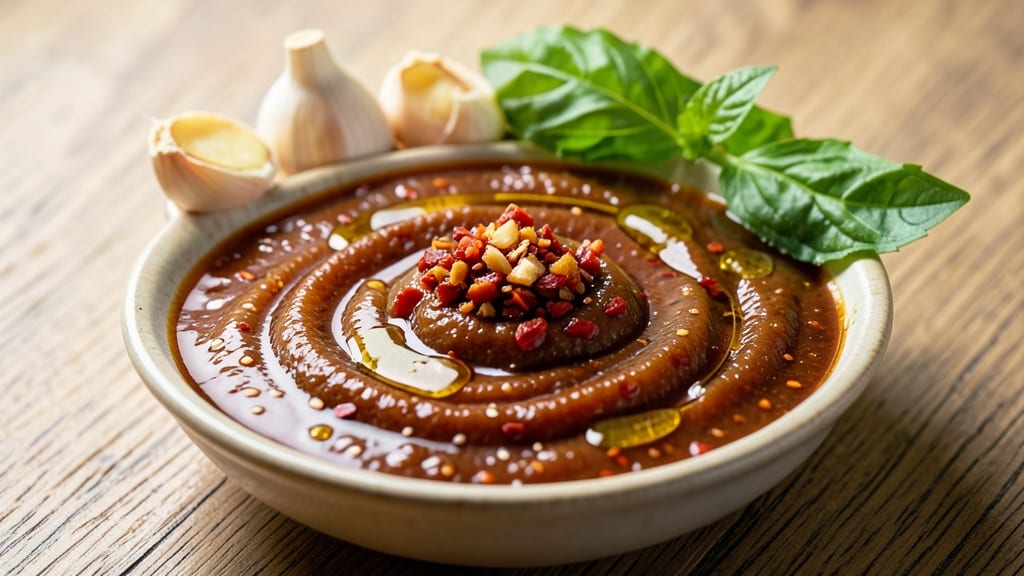
This Asian style BBQ sauce recipe transforms simple ingredients into a complex, fermented-rich glaze that elevates everything from grilled meats to stir-fried vegetables. The secret lies in balancing sweet, spicy, and umami flavors through careful reduction—no shortcuts, just layers of depth developed over 20 minutes of simmering.
I perfected this formula after years of testing, ensuring it works as both a marinade and finishing sauce without overpowering delicate proteins.
The foundation begins with fermented elements—soy sauce and rice vinegar—that add that signature tangy depth you find in authentic Asian BBQ. Fresh ginger and garlic provide aromatic warmth, while honey and a touch of chili create the signature sweet-spicy contrast.
What sets this apart is the two-stage reduction process: first boiling to develop flavors, then simmering until thick enough to glaze without dripping.
By the end, you'll have a glossy, sticky-sweet sauce with just the right amount of heat that clings beautifully to proteins or vegetables. It keeps for two weeks in the fridge, making it perfect for meal prep—just shake before using.
The versatility is its greatest strength: use it as a marinade for chicken thighs, a glaze for tofu skewers, or a dipping sauce for crispy fries.
This isn't just another BBQ sauce—it's a flavor multiplier that transforms ordinary dishes into restaurant-quality meals. The umami richness comes from fermented ingredients, while the honey and vinegar balance creates that perfect harmony between sweet and tangy. Once you try this, store-bought versions will never compare again.
Ingredients for asian style bbq sauce
Nine ingredients, two stages—this sauce delivers restaurant-quality depth without shortcuts.
| Ingredient | Amount | Notes |
|---|---|---|
| Light Soy Sauce 🍶 | ½ cup | High-quality, low-sodium preferred |
| Rice Vinegar 🍶 | ¼ cup | Seasoned or unseasoned works |
| Honey 🍯 | ⅓ cup | Wildflower or clover preferred |
| Fresh Ginger 🌿 | ¼ cup | Finely grated, not powdered |
| Garlic Cloves 🧄 | 6 cloves | Minced or pressed through garlic press |
| Red Chili Flakes 🌶️ | 1 tbsp | Adjust for desired heat level |
| Sesame Oil 🫒 | 1 tbsp | Toasted sesame oil for aroma |
| Cornstarch 🌾 | 1 tsp | For thickening consistency |
| Water 💧 | ½ cup | Filtered or spring water preferred |
The soy sauce and rice vinegar form the fermented backbone of this sauce—Kikkoman soy sauce and Mae Ploy rice vinegar are my go-tos for that authentic tang. Fresh ginger and garlic are non-negotiable; the powdered versions just don't cut it. I always grab ginger from the Asian market where it's bright and firm—avoid anything with soft spots. Garlic should be fresh too, with tight skins and no sprouting. The honey? Local wildflower adds subtle floral notes that store-bought versions miss. Pro tip: Toast your garlic and ginger in a dry pan for 30 seconds before adding—it deepens their flavors instantly.
No sesame oil? Peanut oil at half the amount works in a pinch, though the aroma won't be as rich. Running low on cornstarch? Arrowroot powder thickens just as well. Want more heat? Add 1 tsp of gochujang or a dash of sriracha. The sauce needs to reduce properly, so don't skip the two-stage simmer—first boiling to develop flavors, then low-and-slow to thicken. If it's too thin after simmering, mix 1 tsp cornstarch with 1 tbsp water and stir in. For extra umami, a splash of fish sauce (if not avoiding it) or miso paste (1 tsp) elevates everything.
This sauce keeps beautifully in the fridge for two weeks—just store it in a sealed jar and shake before each use. For longer storage, divide into ice cube trays, freeze, then transfer to a bag. Thawed cubes work perfectly for quick glazes. The flavor actually improves over time as the ingredients meld further. I make double batches because it disappears fast—great on grilled chicken, tofu, or even drizzled over noodles. If it separates, just reheat gently and stir until smooth again.
Why You'll Love This Recipe
- Pantry-Friendly Magic: I swear, this sauce comes together with stuff I already have—no fancy shopping required. Light soy, vinegar, honey, and a hunk of ginger from my freezer? That’s it. Even my lazy grocery runs still yield these basics.
- Ginger-Garlic Zing: The moment that minced garlic and fresh ginger hit the pan, my kitchen smells like a street food stall. Sweet, tangy, with a little kick—it’s the kind of flavor that makes you want to slather it on everything (and I do).
- Weeknight to Party: Same sauce, endless uses. Glaze chicken for Tuesday dinners, toss it with noodles for a Friday fix, or drizzle it over grilled veggies for a crowd. Honestly, I’ve even used it as a marinade for tofu when I’m craving something quick but impressive.
- Leftovers That Last: This stuff doesn’t just taste better the first time—it gets better after sitting in the fridge for days. I make a big batch, and suddenly I’ve got emergency takeout-level flavor for stir-fries, eggs, or even a quick dip for spring rolls. Budget win? Absolutely.
Step-by-step instructions for sweet-spicy Asian BBQ sauce
This sauce builds flavor layer by layer—start with aromatics, balance sweetness, and finish with a silky gloss.
Bloom the Aromatics in Toasted Sesame Oil
Heat a medium saucepan over medium-low heat and add the 1 tablespoon sesame oil. Swirl gently until fragrant—about 30 seconds. This step unlocks the nutty depth of the oil before we add anything else. Watch closely: the oil should smell rich and toasty, not smoke.
Add the 6 cloves minced garlic and 1 tablespoon red chili flakes, stirring constantly for 1 minute. The garlic should turn golden around the edges—this prevents bitterness. Here's the thing—don't rush this step. Undercooked garlic will make the sauce taste raw, while overcooking burns it into ash. You'll know it's perfect when the pan smells like a bustling Asian street market.
Combine Wet Ingredients and Simmer
Pour in the 0.5 cup light soy sauce, 0.25 cup rice vinegar, and 0.33 cup honey, stirring vigorously to dissolve the honey completely. The mixture will bubble gently—let it simmer uncovered over medium heat for 5 minutes. This reduces the sauce slightly and melds the flavors.
Add the 0.25 cup grated fresh ginger and 0.5 cup water, then increase heat to medium-high until the sauce reaches a gentle boil. Here's where it gets interesting: the vinegar will make the sauce look cloudy at first, but as it simmers, it'll clarify into a glossy liquid. This is your signal that the acidity is mellowing out.
Thicken and Finish with Cornstarch Slurry
In a small bowl, whisk together the 1 teaspoon cornstarch with 2 tablespoons cold water until completely dissolved. This slurry is your secret weapon for that restaurant-quality gloss. Pour it into the simmering sauce while stirring constantly with a wooden spoon.
Simmer for 2-3 minutes until the sauce thickens to a syrup-like consistency—it should coat the back of a spoon but still be pourable. Taste and adjust: if it needs more heat, add a pinch more chili flakes; if it's too sharp, a touch more honey balances it. The sauce should sing with sweet-spicy harmony, not dominate with any single flavor.
Cool and Rest for Maximum Flavor
Remove the sauce from heat and let it cool to room temperature—about 15 minutes. This resting period is crucial. The flavors will meld further, and the sauce will thicken slightly as it cools. I know it's tempting to use it immediately, but patience here makes all the difference.
Transfer to a clean jar and refrigerate for at least 1 hour before using. The cold helps set the texture perfectly. When you're ready to use it, give it a good stir—the sauce should be thick enough to cling to proteins but still glaze beautifully. This is your perfect balance: sweet enough to caramelize, spicy enough to wake up your taste buds, and glossy enough to make everything look restaurant-worthy.
Pro Tips For Making Asian Style Bbq Sauce
- Simmer Low and Slow: I learned this the hard way—boiling the sauce too fast turns it bitter. Keep the heat at a gentle simmer (just bubbles breaking the surface, not a rolling boil) and let it thicken naturally over 10-15 minutes. The honey will caramelize better, and the garlic won’t burn into oblivion.
- Peel and Mince Ginger Like a Pro: Skip the pre-peeled ginger from the jar—it’s mushy and flavorless. Use a spoon to scrape off just the skin, then mince it very finely (almost a paste) so it dissolves completely. Trust me, you’ll taste the difference in every spoonful.
- Balance the Vinegar First: Taste the raw vinegar before adding honey or soy sauce. If it’s too sharp, add a splash of water or a pinch of sugar now—adjusting later is a nightmare. The goal is a bright acidity, not a pucker that ruins the whole batch.
- Use Garlic Oil, Not Raw Garlic: I was skeptical until I tried it—infuse the garlic in a little neutral oil (like avocado) for 2 minutes before adding it to the sauce. The oil mellows the garlic’s bite and prevents that "cooked-on" flavor that turns people off. (Yes, even if you’re impatient like me.)
Troubleshooting this dish
Sauce Too Thin?
If your sauce isn't thickening enough, don't panic—this happens when the cornstarch slurry isn't fully activated. First, try whisking 1 tsp cornstarch with 1 tbsp cold water until smooth, then stir it into the simmering sauce. Let it cook for 2-3 more minutes over medium heat while stirring constantly.
For an extra boost, reduce the heat slightly to prevent scorching. If it's still too thin, repeat the process with another ½ tsp cornstarch. 💫
Overly Tangy?
The rice vinegar can sometimes dominate if not balanced properly. If your sauce tastes too sharp, simply add 1-2 tbsp of honey while warm and stir well. Let it simmer for 1 minute to meld the flavors.
For a deeper sweetness, a splash of 1 tsp maple syrup works too. Taste as you go—this sauce should dance between sweet and tangy, not lean too heavily on either.
Grainy Texture?
Graininess usually means the cornstarch didn't dissolve properly or the sauce wasn't stirred enough during thickening. To fix it, blend the sauce with an immersion blender for 10-15 seconds until smooth. If you don't have one, strain it through a fine-mesh sieve for a silky finish.
For future batches, whisk the cornstarch slurry very thoroughly before adding it to the sauce—no lumps allowed! 🌶️
Not Glossy Enough?
A dull sauce often means it wasn't reduced enough or the cornstarch wasn't the right consistency. For a quick fix, return the cooled sauce to a clean pan and simmer over low heat for 3-5 minutes, stirring occasionally.
If it's still flat, add 1 tsp honey and simmer another 1 minute—the sugar will help create that glossy sheen. For long-term storage, keep it in an airtight container to maintain its shine.
Too Sweet or Spicy?
Balance is key with this sauce. If it's too sweet, add 1 tsp rice vinegar and simmer for 1 minute. For extra tang, a splash of lemon juice brightens it up. Too spicy? Stir in 1 tsp honey or a pinch of salt to mellow the heat.
Remember, you can always adjust flavors when the sauce is warm—taste as you go! The goal is harmony, not dominance from one flavor.
Separation After Cooling?
This happens when the sauce cools too quickly or the cornstarch didn't bind properly. Gently reheat the sauce over low heat while stirring constantly until it returns to a smooth consistency.
If it still separates, whisk in 1 tsp cornstarch mixed with 1 tbsp water and simmer for 1-2 minutes. Store it in a glass jar in the fridge—glass helps maintain texture better than plastic over time. ⚡
Nutrition facts
Frequently asked questions
Can I use this sauce as a marinade?
Yes! This sauce works perfectly as a marinade for chicken, pork, or tofu. For best results, coat your protein thoroughly and marinate for 2-4 hours in the fridge. The acidity from the vinegar helps tenderize, while the honey creates a beautiful caramelized crust when grilled. Just pat dry before cooking to prevent steaming.
What's the best way to store leftover sauce?
Keep it in an airtight glass jar in the fridge for up to 2 weeks. The glass preserves the glossy texture better than plastic. For longer storage, freeze in ice cube trays—thawed cubes work great for quick glazes. Always shake before using to redistribute settled ingredients.
How can I make this sauce spicier? Add 1-2 extra tablespoons of chili flakes or 1 teaspoon of gochujang while simmering. For a smoky kick, stir in ½ teaspoon of smoked paprika at the end.
Can I substitute honey with another sweetener?
Use agave nectar or maple syrup in a 1:1 ratio for a similar texture. For a deeper caramel flavor, try brown sugar (dissolved in the water first). Avoid powdered sweeteners—they won't dissolve properly and may create graininess. Adjust to taste after simmering.
Why does my sauce look cloudy?
The cloudiness comes from the vinegar reacting with the cornstarch initially, but it should clarify as it simmers. If it stays cloudy, strain through a fine-mesh sieve for a silky finish. For future batches, simmer uncovered for 5-7 minutes before adding the cornstarch slurry to help the flavors meld more smoothly.