
Sauces & Condiments
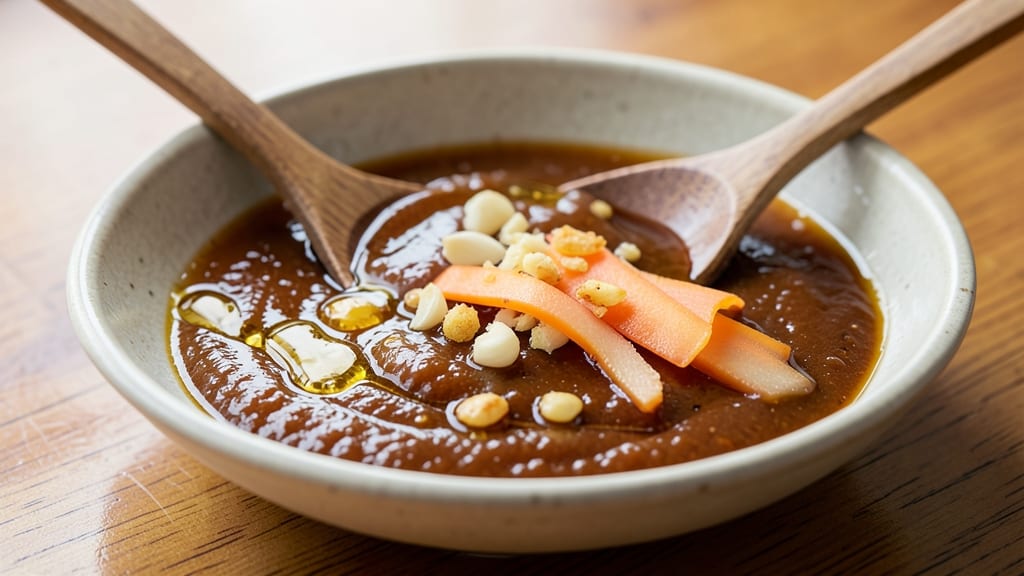
Creating an authentic Japanese teriyaki sauce transforms ordinary proteins into restaurant-quality dishes with its signature sweet-savory balance. The key lies in mastering the reduction process—simmering soy sauce, mirin, and sugar until the liquid thickens into a glossy, umami-rich glaze.
I’ve refined this recipe over years of testing, ensuring every batch delivers that perfect harmony of caramelized sweetness and deep savory notes.
This sauce starts with simple ingredients: high-quality soy sauce for authentic flavor, mirin for natural sweetness, and sugar to deepen the caramelization. The optional addition of sake or ginger adds complexity, while garlic contributes subtle depth.
The magic happens during the 20-minute reduction, where the sauce transforms from thin to thick, creating a glossy finish that clings beautifully to grilled meats or roasted vegetables.
What sets this teriyaki sauce apart is its versatility—use it as a marinade, glaze, or dipping sauce for dishes like chicken, beef, or even tofu. The thick consistency ensures it doesn’t pool but instead forms a sticky, flavorful crust.
Store leftovers in the refrigerator for up to a week, or freeze for longer shelf life. This is the sauce that elevates everyday meals into something truly special.
For those who prefer a thinner consistency, simply add a splash of water or broth during the final minutes of simmering. The result remains equally delicious, proving this recipe adapts to your needs while staying true to its roots. Let’s get started on creating your own batch.
Ingredients for authentic japanese teriyaki sauce
Nine simple ingredients transform into restaurant-quality teriyaki sauce with deep umami and caramelized sweetness.
| Ingredient | Amount | Notes |
|---|---|---|
| High-Quality Japanese Soy Sauce 🍶 | ½ cup | Use shoyu for authentic flavor |
| Mirin 🍶 | ½ cup | Sweet rice wine, not mirin substitute |
| Granulated White Sugar 🍚 | ½ cup | For caramelization depth |
| Fresh Garlic Cloves 🧄 | 4 cloves | Minced for subtle depth |
| Sake 🍶 | ¼ cup | Optional for complexity |
| Fresh Ginger 🌿 | 1 tbsp | Grated, optional for warmth |
| Extra-Virgin Olive Oil 🫒 | 1 tbsp | For glossy finish |
| Diamond Crystal Kosher Salt 🧂 | ½ tsp | Adjusts seasoning balance |
| Water 💧 | ¼ cup | For thinning if needed |
The soy sauce makes or breaks authenticity—Kikkoman or Yamasa are reliable choices, but Japanese grocery stores like H Mart carry premium shoyu with more complexity. Mirin should be real, not the sweetened substitute—look for the label 'hon mirin'. Sugar is non-negotiable for that signature caramelization; organic cane sugar adds subtle molasses notes. Fresh garlic and ginger? Buy organic if possible—they pack more punch. The sake is optional but worth it for depth; any dry sake works, even the cheap stuff from Trader Joe's. For the olive oil, avoid strong-flavored varieties—you want it to blend, not dominate.
No mirin? Substitute 1 tbsp honey plus 1 tbsp water—it won’t be identical, but close. Skip the sake? Add 1 extra tbsp of mirin for sweetness. Ginger too spicy? Cut the amount in half or use powdered ginger at one-third the volume. The olive oil can be swapped for neutral vegetable oil, but you’ll lose that fruity finish. For a thinner sauce, add water 1 tbsp at a time during the final minutes of simmering. The key is patience—don’t rush the reduction, or you’ll end up with burnt sugar instead of glossy caramel.
This sauce keeps beautifully—1 week refrigerated or 6 months frozen. For freezing, portion into ice cube trays first, then transfer to a bag. Thaw overnight in the fridge before using. The sauce thickens as it cools, so stir in a splash of water if it’s too stiff. Double the batch—you’ll want leftovers for glazing, dipping, and next week’s marinade. Store in a glass jar in a cool, dark place to preserve its vibrant color and depth of flavor.
Why You'll Love This Recipe
- Five-Ingredient Magic: I swear, this sauce comes together with just a saucepan and 10 minutes of stirring—no blenders, no fancy gadgets. The mirin and sake do most of the work while I sip my coffee, leaving me with that glossy, sticky perfection without the fuss.
- Umami Bomb: That first taste? Rich, caramelized sweetness with a deep garlic punch—honestly, the sake and soy sauce marry so well, they turn ordinary proteins into something ridiculously good. (Yes, even on a Tuesday night.)
- Glazes Everything: Slather it on chicken thighs, drizzle over rice, toss with stir-fry—this sauce doesn’t just work, it elevates. I keep a jar in the fridge because it’s my go-to for weeknight dinners, takeout nights, and even breakfast (trust me, teriyaki eggs are a vibe).
- Budget-Friendly Staple: A little goes a long way, and I’ve stretched one batch into three meals without breaking the bank. The sugar and sake balance the soy sauce’s saltiness, so I can use less while still getting that restaurant-quality depth. Plus, it freezes like a dream for future lazy days.
Step-by-step instructions for authentic Japanese teriyaki sauce
Here's how to craft restaurant-quality teriyaki with balanced sweetness and umami depth.
Bloom the Aromatics in Olive Oil
Heat the 1 tablespoon extra-virgin olive oil in a medium saucepan over medium-low heat. Add the 4 cloves fresh garlic cloves and 1 tablespoon fresh ginger, both finely minced. Cook for 2-3 minutes until the garlic turns golden and fragrant—this prevents bitterness while building flavor. Stir constantly so the garlic doesn't burn, as it can turn acrid in seconds.
Here's the thing—this initial step is where the sauce's complexity begins. The ginger and garlic infuse the oil with their essential oils, creating a fragrant base that carries through the entire reduction. If you smell something burning, immediately reduce the heat or remove the pan from the burner.
Combine Wet Ingredients and Simmer
Pour in the 0.5 cup high-quality Japanese soy sauce, 0.5 cup mirin, and 0.5 cup granulated white sugar. Stir vigorously to dissolve the sugar completely—this prevents graininess in the finished sauce. Add the 0.25 cup sake and 0.25 cup water, then increase heat to medium-high. Bring the mixture to a gentle boil, then immediately reduce to medium-low heat.
The reason we add sake at this stage is to deglaze the pan and incorporate all those aromatic oils we just developed. Let it simmer uncovered for 10-12 minutes, stirring occasionally. You'll notice the mixture reduce by about 25% and develop a glossy sheen—this is the sauce thickening as the alcohol cooks off and sugars caramelize.
Reduce to Thick, Glossy Perfection
Continue simmering for 8-10 minutes until the sauce reduces to a syrupy consistency that coats the back of a spoon. It should be thick enough to glaze but still pourable. If it thickens too quickly, add 1 tablespoon water at a time until you reach the ideal consistency. Taste and adjust seasoning with the 0.5 teaspoon diamond crystal kosher salt—you may need more or less depending on your soy sauce's saltiness.
This is where authenticity shines. Traditional teriyaki balances sweet, salty, and umami perfectly. The sauce should taste rich with a lingering sweetness that doesn't overpower, and a subtle savory depth from the soy and aromatics. If it's too sweet, add a splash more soy sauce. If it's too salty, thin with a bit of water and let it reduce again.
Finish and Cool for Maximum Gloss
Remove the sauce from heat and let it cool for 5-10 minutes at room temperature. This resting period allows the flavors to meld completely and the sauce to thicken slightly as it cools. Give it a final taste—it should be perfectly balanced with no single flavor dominating. If needed, adjust with a pinch more salt or a drizzle of mirin for brightness.
Real talk: The sauce will continue thickening as it cools further, so don't over-reduce it at the end. For the glossiest finish, transfer to a clean jar and let it sit at room temperature for 30 minutes before using. This step makes all the difference when you brush it over grilled meats or noodles—it'll create that signature shiny, lacquer-like coating.
Pro Tips For Making Authentic Japanese Teriyaki Sauce
- Reduce Over High Heat: After burning three batches, I finally figured out that simmering teriyaki sauce on medium-high—not full blast—keeps the sugar from caramelizing into bitter bits. Watch it like a hawk the first 3 minutes, then drop to a gentle simmer. The sauce should bubble softly, not roar.
- Mince Garlic Like Mad: Skip the press—it bruises and burns. Instead, chop those cloves into a paste with the flat side of your knife, then mince with a sharp blade. Finer garlic means it dissolves completely, giving you that silky, aromatic base without any grainy surprises.
- Skip the Cheap Mirin: I used to grab the first bottle off the shelf, but authentic mirin (the sweet, fermented kind) adds depth the imitation can’t match. If you must substitute, use 2 parts dry sherry + 1 part sugar, but don’t cut corners—your sauce will taste flat.
- Taste Before Thickening: Resist the urge to keep reducing until it’s gluey. Test the sauce early—after 10 minutes of simmering—because once sugar turns dark, you can’t undo it. Balance salt, sweetness, and umami now; adjusting later is a nightmare.
Flavor customization for this recipe
Sweet Heat Fusion
Add 1 tablespoon gochujang (Korean fermented chili paste) to the base sauce during the final 5 minutes of simmering for a sweet-spicy kick. This fusion variation works beautifully with grilled chicken or pork, balancing the traditional teriyaki sweetness with Korean-style heat.
For extra depth, stir in 1 teaspoon toasted sesame oil at the end. 🌶️
Citrus Brightening
Incorporate 2 tablespoons freshly squeezed yuzu juice (or sub 1 tablespoon lemon juice) along with 1 teaspoon grated yuzu zest (or lemon zest) during the last 10 minutes of simmering.
This variation brightens the sauce with a refreshing citrus note, perfect for seafood teriyaki like salmon or shrimp. The acidity cuts through the richness while enhancing the umami. 🍋
Smoky Depth
For a smoky twist, add 1 tablespoon liquid smoke (like La Choy) or 1 teaspoon smoked paprika during the initial aromatic blooming stage. This works exceptionally well with beef or pork, giving the sauce a campfire-like depth reminiscent of yakiniku grills.
The smoky notes complement the caramelized sweetness beautifully. 🔥
Herbaceous Garden
Infuse the sauce with fresh herbs by adding 1 tablespoon finely chopped cilantro or 1 tablespoon thinly sliced green onions during the final 5 minutes of simmering. For a more robust flavor, use 1 tablespoon chopped Thai basil or 1 teaspoon dried shiso leaves.
This variation adds a fresh, herbaceous brightness that pairs wonderfully with grilled vegetables or tofu. 🌿
Thin vs. Thick
Need a thinner sauce for dipping or drizzling? Add 1-2 tablespoons water during the final 5 minutes of simmering and reduce again briefly. For a thick, glaze-like consistency, continue simmering until it reaches syrup-like thickness (about 15-20 minutes total).
The key is patience—rushing the reduction can lead to burnt sugar instead of caramelized sweetness. ✨
Savory Umami Boost
Elevate the umami profile by adding 1 tablespoon fish sauce or 1 teaspoon dried bonito flakes during the initial simmer. These ingredients deepen the savory notes without overpowering the sweetness.
For a vegetarian option, use 1 tablespoon soy sauce substitute (like San-J or Bragg Liquid Aminos). This variation works exceptionally well with mushrooms or tofu dishes. 💫
Nutrition facts
Frequently asked questions
Why does authentic teriyaki sauce need mirin instead of regular sweetener?
Mirin adds a delicate sweetness and subtle acidity that regular sugar or honey can't replicate. Its natural enzymes help break down proteins, creating a smoother texture and deeper umami flavor during the reduction process. Plus, it contains a small amount of alcohol that cooks off, enhancing the sauce's complexity.
Can I make this sauce without sake? What's the best substitute?
Yes! Skip the sake and add 1 extra tablespoon of mirin to maintain sweetness. For alcohol-free versions, use 1 tablespoon dry white wine or 1 tablespoon apple juice—both add acidity that mimics sake's role. Just reduce the mirin by 1 tablespoon to balance the flavors.
How do I fix burnt sugar at the bottom of my saucepan?
Remove the pan from heat immediately and let the sauce cool slightly. Carefully scrape off any burnt bits with a rubber spatula, then strain the sauce through a fine-mesh sieve to remove any remaining particles. For extra insurance, press a clean paper towel against the sieve to catch any lingering bits.
What's the best way to use this sauce for grilling?
Brush 2-3 thin layers onto proteins (like chicken or beef) in 5-minute intervals during grilling. This creates a glossy, caramelized crust without burning. For extra stickiness, add 1 teaspoon cornstarch to 1 tablespoon water, mix into the sauce, then simmer for 1 minute before brushing.
Will this sauce work for vegetables or tofu?
For vegetables, use the sauce as a marinade for 15-30 minutes before roasting or grilling. For tofu, press and pat dry first, then marinate for 20 minutes or brush with sauce during the last 5 minutes of pan-searing. The sauce's umami depth complements plant-based proteins beautifully.